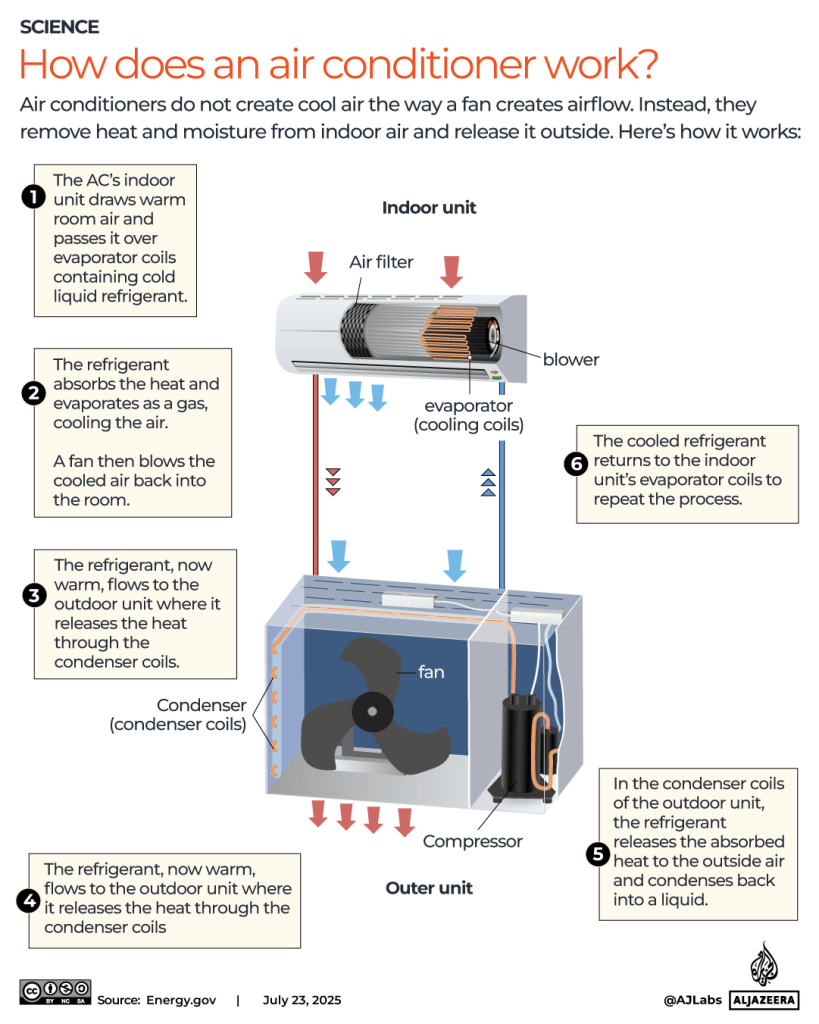
Have you ever wondered why your air conditioner makes the air feel cooler and less sticky? It’s not just about lowering the temperature—your AC plays a key role in removing humidity from your space.
When the air feels damp and uncomfortable, your AC works behind the scenes to create a dry, fresh environment that helps you breathe easier and feel more comfortable. Understanding how your air conditioner removes humidity can help you appreciate its full benefits and even improve its performance.
Keep reading, and you’ll discover exactly how this amazing process works inside your home.

Credit: www.yahoo.com
How Air Conditioners Control Humidity
An air conditioner cools the airby removing heat inside a room. This cooling also removes moisturefrom the air. Warm air holds more moisture. When it cools down, the air cannot hold all the moisture.
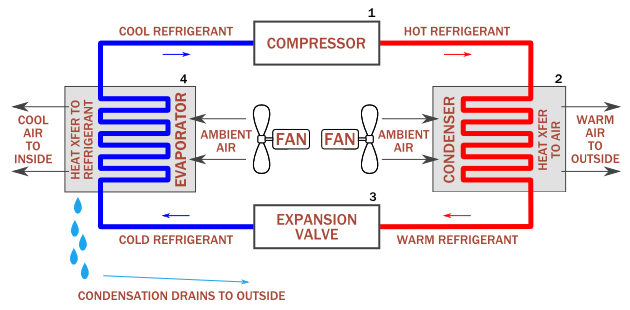
This moisture turns into water droplets on the cold parts of the air conditioner. This process is called condensation. The water then drains away, lowering the humidity.
| Temperature | Humidity Level | Effect |
|---|---|---|
| High | High moisture | Air holds more water vapor |
| Lowered by AC | Less moisture | Moisture condenses and drains out |
Lower temperature means less humidity. The air feels cooler and dryer. This makes rooms more comfortable and helps protect furniture and walls from moisture damage.
Key Components In Moisture Extraction
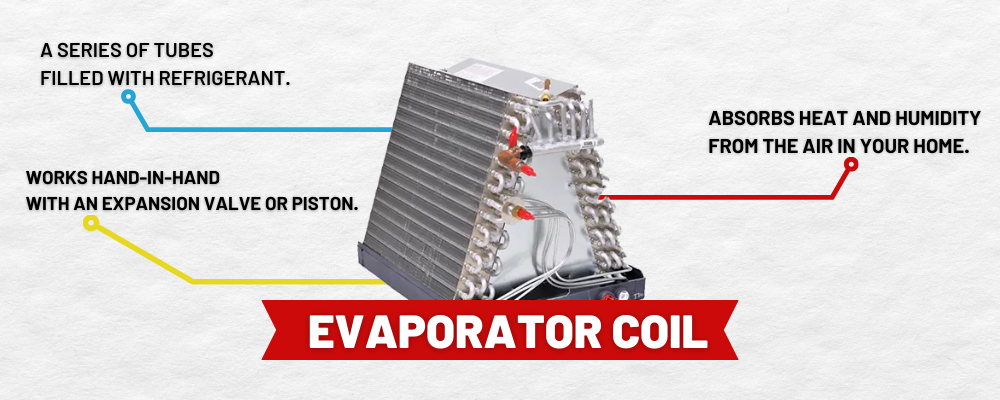
The evaporator coilcools the air inside the air conditioner. Warm air passes over the coil, causing moisture to condense. This process removes humidityfrom the air.
The drainage systemcollects the condensed water. It moves the water outside or to a drain pan. This stops water from building up inside the unit.
The thermostat and humidity sensorscontrol the air conditioner’s operation. They detect the room’s temperature and moisture levels. This helps keep the air comfortable and dry.
Factors Influencing Humidity Removal Efficiency
Airflow and ventilationimpact how well an air conditioner removes humidity. Good airflow moves moist air over cold coils, helping to condense water vaporfaster. Poor ventilation traps humid air inside, lowering the system’s efficiency. Proper air circulation is key for effective moisture removal.
System size and capacitymust match the room size for best results. A unit that is too small will struggle to remove humidity. A large system may cool quickly but not remove enough moisture, causing a clammy feeling. Choosing the right size ensures balanced cooling and dehumidification.
Filter cleanliness and maintenanceaffect airflow and system performance. Dirty filters block air, reducing moisture removal ability. Regular filter cleaning or replacement helps maintain optimal airflowand keeps the air conditioner working efficiently. Clean filters also improve air qualityinside the room.
Types Of Air Conditioners And Humidity Control
Central air conditioning systemscool large spaces by moving air through ducts. They remove humidity by cooling warm air, causing moisture to condense on cold coils. This moisture is then drained away, lowering indoor humidity effectively. These systems work well for whole houses or big buildings.
Portable and window unitscool smaller rooms. They also remove moisture as air passes over cold coils. This moisture collects in a tray or drains outside. These units are easy to install and move but may not control humidity as well as central systems.
Dehumidifier integrationhelps control humidity independently. Some air conditioners have built-in dehumidifiers. These devices pull moisture from the air without cooling it much. They are useful in very humid areas or for extra comfort.
Tips For Enhancing Humidity Removal
Setting the optimal temperaturehelps the air conditioner remove moisture better. A cooler setting makes the air conditioner pull more humidityfrom the air. Avoid very low temperatures to save energy and prevent freezing.
Regular maintenanceis key for good humidity removal. Clean or replace filtersoften. Check the drain panand drain lines to stop clogs. Well-maintained units work more efficiently.
Using additional dehumidifierscan help in very humid places. These devices work together with the air conditioner. They reduce moisturefaster and keep rooms comfortable.
Credit: www.logan-inc.com
Common Issues Affecting Moisture Removal
Blocked drain linesstop water from leaving the air conditioner. Water builds up inside. This causes humidityto stay in the room. The unit may also leak water. Cleaning the drain lines often fixes this problem.
Refrigerant leaksmake the air conditioner cool less. It also lowers its ability to remove moisture. The air feels damp and sticky. A professional can find and fix leaks. This keeps the system working well.
Incorrect thermostat settingscan stop proper humidity control. If the temperature is set too high, the AC runs less. This means less moisture removal. Setting the thermostat to a cooler temperature helps the unit work better.
Credit: medium.com
Frequently Asked Questions
How Does An Air Conditioner Dehumidify?
An air conditioner dehumidifies by cooling the air, which causes moisture to condense. The evaporator coil inside the unit cools the air, removing excess humidity. This collected moisture drips into a pan and is drained away, leaving the air drier and more comfortable.
Why Is Dehumidification Important In Air Conditioning?
Dehumidification is crucial as it enhances comfort and prevents mold growth. By reducing humidity, air conditioners maintain indoor air quality and prevent moisture-related issues. This process also helps in achieving optimal cooling efficiency, ensuring the air feels cooler and more pleasant.
Does Every Air Conditioner Remove Humidity?
Yes, all air conditioners remove some humidity as they cool the air. While their primary function is cooling, dehumidification is a natural byproduct. However, the effectiveness varies by model and design. Some units have enhanced features specifically for better humidity control.
Can An Air Conditioner Replace A Dehumidifier?
While air conditioners remove some humidity, they can’t fully replace a dehumidifier. Dehumidifiers are designed to specifically manage humidity levels. In highly humid areas, using both devices may be necessary for optimal comfort and moisture control.
Conclusion
Air conditioners help remove humidity by cooling air and collecting moisture. They pull warm, wet air inside and cool it down. The moisture turns into water and drains away. This process makes the air feel cooler and more comfortable. Lower humidity also helps reduce mold and dust mites.
Using an air conditioner can improve indoor air quality. Knowing how it works helps you use it better. Enjoy a cooler, drier home all year round.