Have you ever wondered how your air conditioner knows exactly how to cool your room just right? Understanding how air conditioner temperature works can help you stay comfortable and save energy at the same time.
When you set the temperature, your AC doesn’t just blow cold air randomly—it follows a smart process to keep your space at the perfect level. Keep reading, and you’ll discover the simple secrets behind your AC’s cooling magic and how you can use this knowledge to make your home more comfortable and efficient.
How Air Conditioners Cool
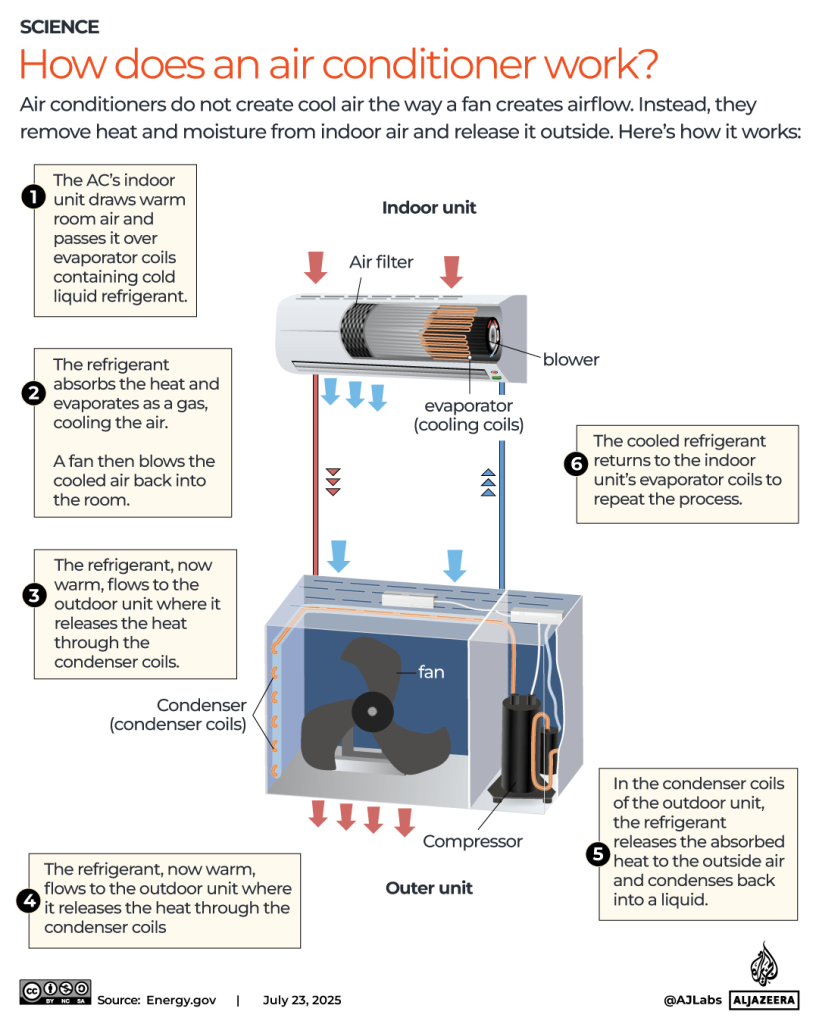
Air conditioners use a cooling cycleto lower room temperature. The system moves heat from inside to outside. This makes the air inside feel cooler.
The cooling cycle starts as the refrigerantabsorbs heat from the air indoors. This refrigerant is a special fluid that changes between liquid and gas to carry heat. It flows through pipes inside the unit.
Heat exchange happens in two main parts:
- Evaporator coil:The refrigerant absorbs heat and turns into gas.
- Condenser coil:Outside air cools the refrigerant, turning it back to liquid.
This cycle repeats, moving heat outside and leaving the air inside cooler and more comfortable.

Credit: www.reddit.com
Setting The Right Temperature
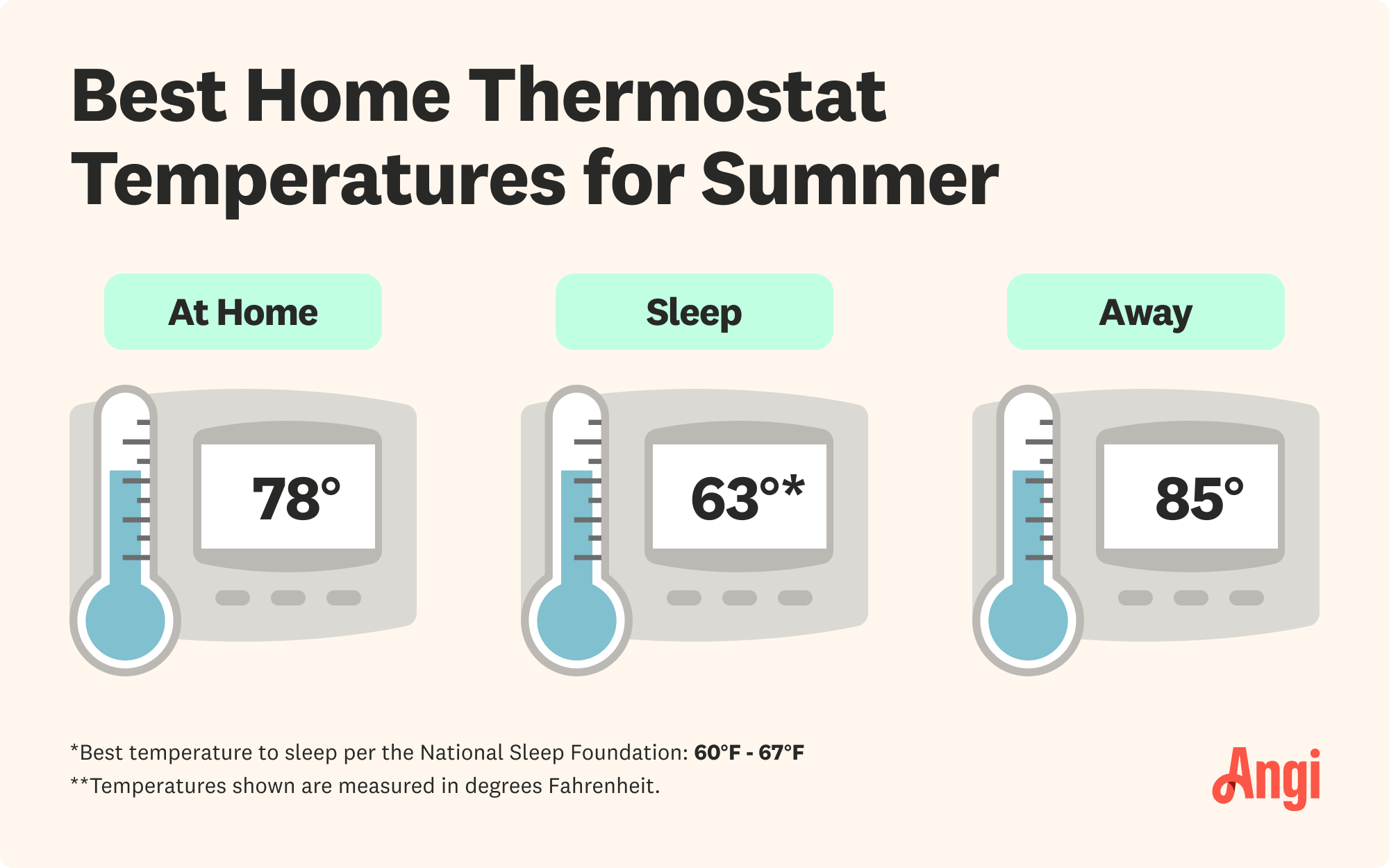
Ideal indoor temperaturesusually range between 72°F and 78°Fduring summer. This range helps keep rooms comfortablewithout using too much energy. Cooler temperatures can make the air conditioner work harder. Warmer settings might not cool the room enough. Adjusting temperature by just a few degrees can save energy and lower bills.
Setting the temperature too low or too high has effectson both comfort and efficiency. Too cold can cause chillsand dry air. Too warm may leave the space feeling stuffyand uncomfortable. The air conditioner will cycle on and off more often, which wastes energy.
- Choose a temperature that feels good but is not very cold.
- Use a programmable thermostat to adjust temperatures during the day.
- Balance comfort with energy use for the best results.
Thermostat Functions
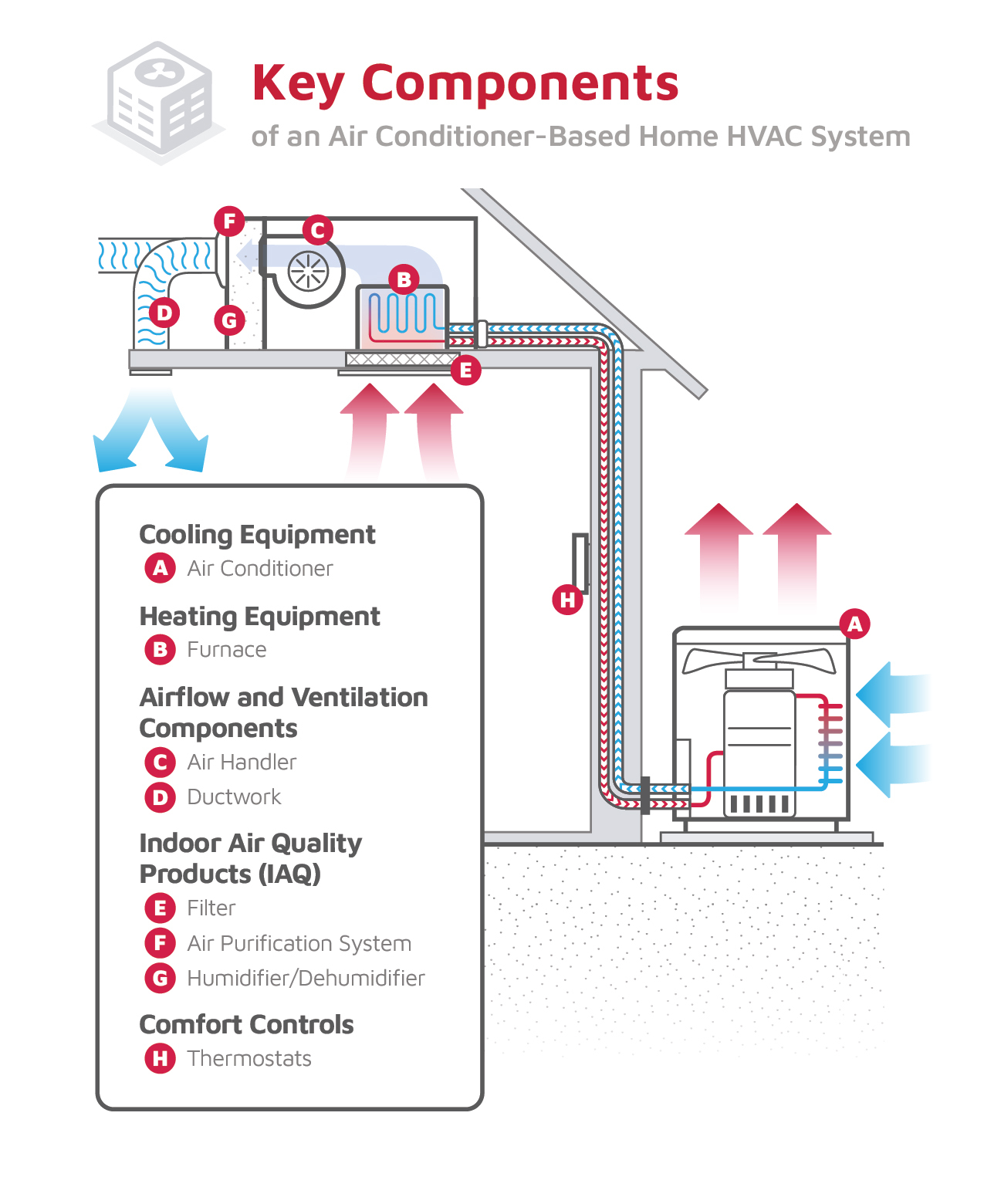
Thermostatsare devices that control the temperature of an air conditioner. They sense the room’s temperature and tell the AC when to turn on or off. This helps keep the room cool and saves energy.
Types Of Thermostats
- Manual Thermostats:Users set the temperature by hand.
- Programmable Thermostats:Set different temperatures for different times.
- Smart Thermostats:Connect to Wi-Fi and learn your schedule.
How Thermostats Control Cooling
Thermostats compare the room temperature to the set temperature. If the room is warmer, the thermostat signals the AC to cool. When the room reaches the set temperature, the AC turns off.
Smart Thermostat Benefits
- Adjusts temperature automatically for comfort and savings.
- Can be controlled from a smartphone.
- Provides energy usage reports.
- Helps reduce electricity bills.
Factors Affecting Temperature Control
Insulation and sealingkeep cool air inside and hot air outside. Poor insulation lets warm air enter, making the AC work harder. Well-sealed rooms hold temperature better and save energy.
Room size and layoutaffect how fast the air cools. Large rooms need stronger AC units or more time to cool. Open layouts allow air to move freely, helping even temperature. Closed spaces may trap heat.
External weather conditionschange how the AC performs. Hot, sunny days make the AC work more to cool the room. Windy or rainy weather can help by cooling the house naturally. Temperature control depends on outside weather.
Energy Efficiency Tips
Setting your air conditioner to 78°F (26°C)saves energy and keeps you cool. Lowering the temperature uses more power and raises your bill. Use a programmable thermostat to adjust temperature when you are away or sleeping.
Regular maintenancehelps your AC run better. Clean or replace filters every 1-2 months. Check for leaks and keep the outdoor unit free of debris. This keeps the system efficient and lasts longer.
- Fans help spread cool air faster.
- Ceiling fans should run counterclockwise in summer.
- Use fans with AC to raise thermostat by 4°F without losing comfort.
- Fans use less energy than air conditioners.
Credit: www.lennox.com
Credit: www.angi.com
Frequently Asked Questions
How Do Air Conditioners Control Room Temperature?
Air conditioners use a thermostat to regulate room temperature. The thermostat senses the current temperature and activates the cooling cycle. It adjusts the compressor and fan speeds to maintain the desired temperature. This ensures a comfortable environment by cooling the room efficiently and automatically stopping when the set temperature is reached.
Why Does My Ac Not Reach Set Temperature?
If your AC doesn’t reach the set temperature, it might be due to insufficient refrigerant, a dirty filter, or a malfunctioning thermostat. These issues can hinder the cooling process. Regular maintenance, cleaning filters, and checking refrigerant levels can help in resolving this problem efficiently.
What Is The Ideal Ac Temperature Setting?
The ideal AC temperature setting is usually between 24°C to 26°C (75°F to 78°F). This range provides optimal comfort and energy efficiency. Adjusting the temperature slightly based on personal preference and climate can enhance comfort while minimizing energy consumption and costs.
How Does An Ac Thermostat Work?
An AC thermostat measures room temperature and compares it to the set temperature. When the room temperature rises above the set point, the thermostat signals the AC to cool the room. This process ensures consistent temperature control and energy efficiency by cycling the cooling system on and off as needed.
Conclusion
Understanding how air conditioner temperature works helps you stay cool and save energy. The AC removes heat from your room and blows in cool air. Setting the right temperature keeps you comfortable without using too much power. Small changes make a big difference in your electricity bill.
Regular care of your AC keeps it running well longer. Now, you can enjoy a cool home all summer. Simple steps bring comfort and save money. Stay cool smartly!