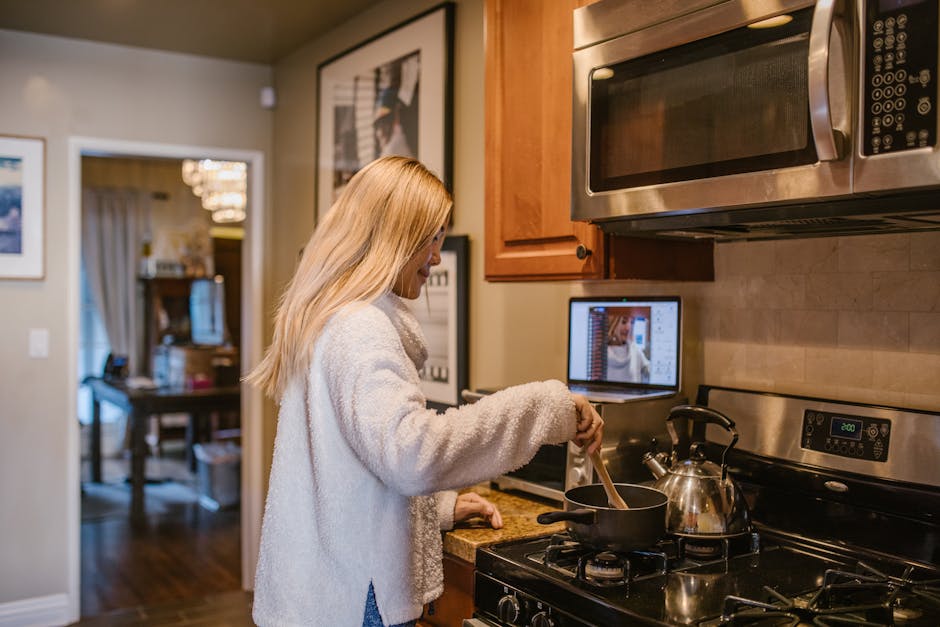
Have you ever wondered what makes a convection microwave oven different from a regular microwave? If you’re curious about how this smart kitchen gadget cooks your food faster and more evenly, you’re in the right place.
Understanding how a convection microwave oven works can help you use it better and get tastier results every time. Keep reading, and you’ll discover the simple science behind this appliance and how it can transform your cooking experience.
Credit: www.kitchenaid.com
Convection Microwave Basics
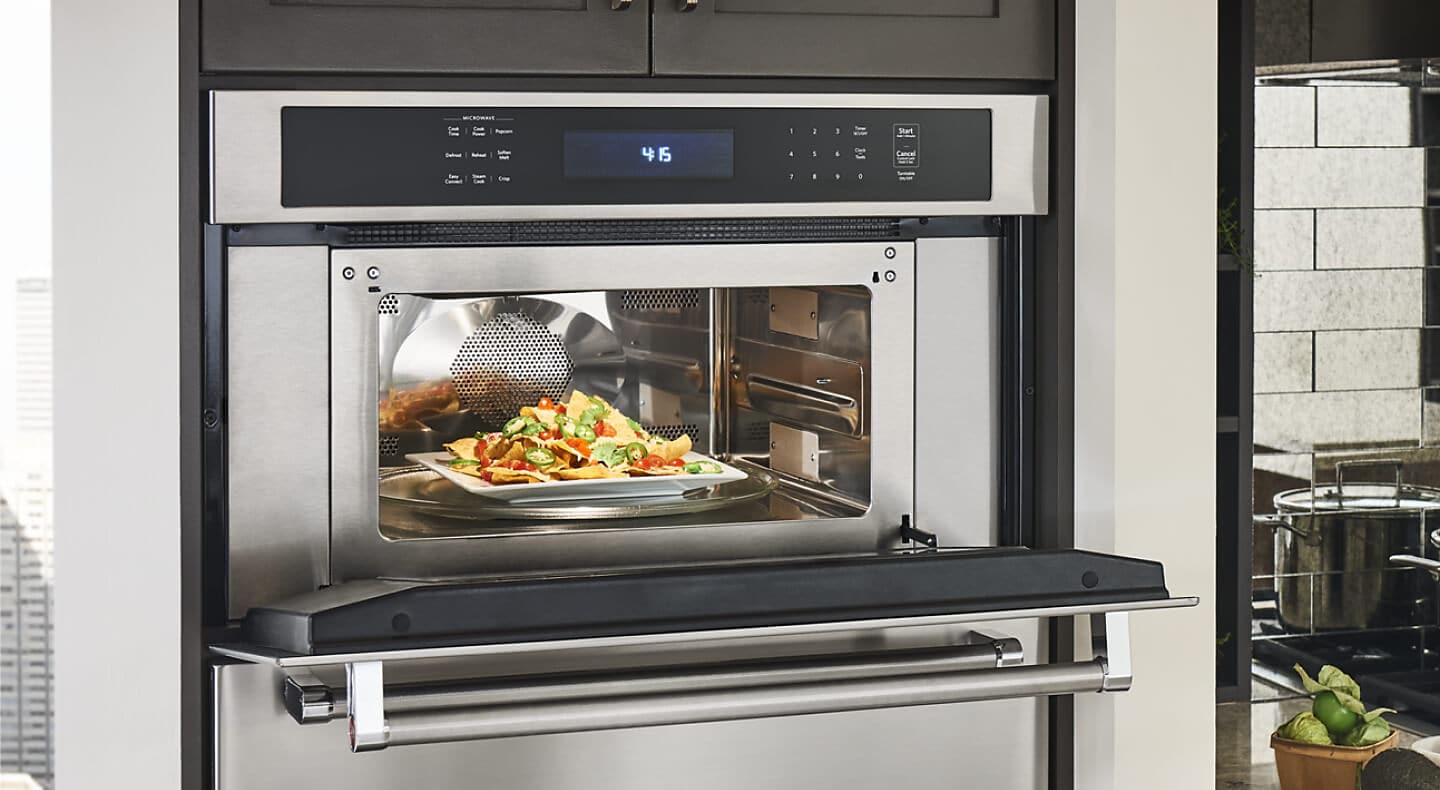
Understanding how a convection microwave oven works can enhance your cooking. These ovens combine microwave and convection technologies. This blend offers faster and more even cooking. Let’s explore the basics.
Microwave Cooking Principles
Microwave ovens cook food using electromagnetic waves. These waves penetrate food, causing water molecules to vibrate. The vibration produces heat, cooking the food quickly. This method is efficient for reheating and defrosting.
Role Of Convection Heating
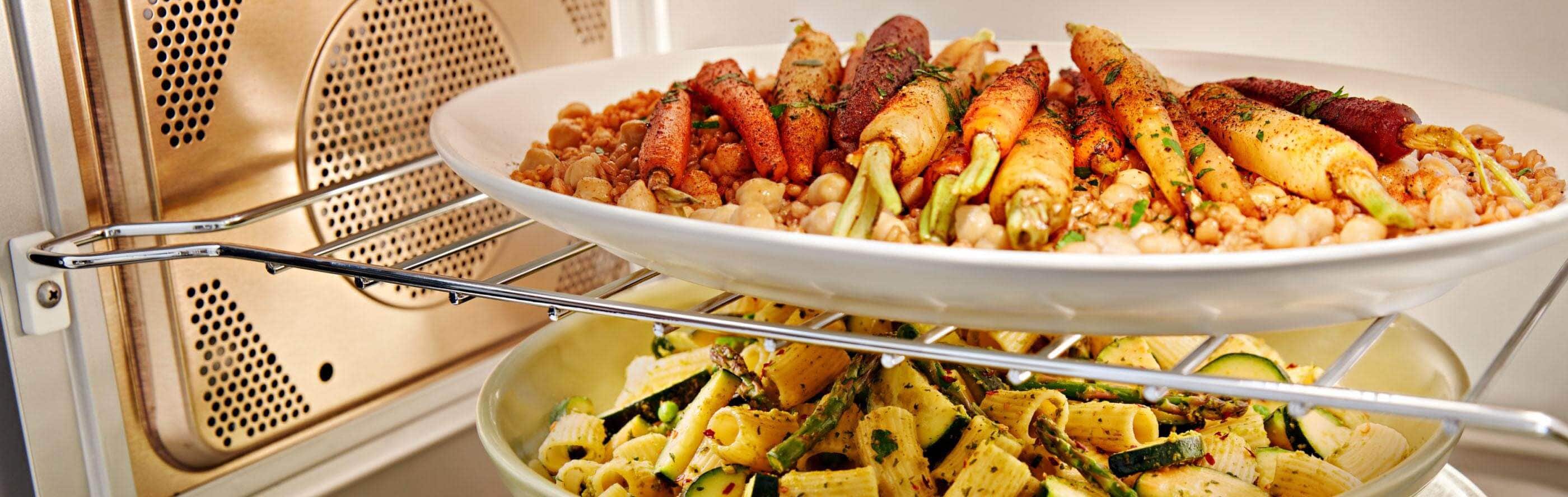
Convection heating uses a fan to circulate hot air. This process cooks food evenly. It is similar to a traditional oven but faster. The fan ensures even heat distribution. This feature is ideal for baking and roasting.
Combination Of Technologies
A convection microwave oven combines these two methods. It uses microwaves for quick cooking. Convection adds even heat distribution. This combination provides versatile cooking options. You can bake, roast, or reheat with ease.
These ovens save time and energy. They provide the benefits of both microwave and convection cooking. Perfect for busy kitchens.
Credit: www.kitchenaid.com
Key Components
The key components of a convection microwave oven work together to cook food quickly and evenly. Each part has a specific role. Understanding these parts helps explain how the oven combines microwave and convection cooking.
Magnetron Function
The magnetron produces microwaves that heat food. It sends high-frequency waves into the cooking chamber. These waves cause water molecules in food to vibrate. This vibration creates heat, cooking the food from inside out.
Convection Fan And Heater
The convection fan circulates hot air inside the oven. It works with the heating element to spread heat evenly. This air movement browns and crisps the food surface. The heater boosts the temperature, helping bake or roast food.
Turntable And Airflow
The turntable rotates food for even microwave exposure. It prevents cold spots by moving food through microwave waves. Proper airflow inside the oven also keeps heat uniform. Together, they ensure food cooks thoroughly and tastes better.
Cooking Modes Explained
Understanding the different cooking modes in a convection microwave oven can transform how you use this versatile kitchen gadget. Each mode offers unique benefits tailored to specific cooking needs. Knowing when and how to use them helps you achieve perfect results every time.
Microwave Mode
This mode uses microwave radiation to heat food quickly by agitating water molecules inside. It’s ideal for reheating leftovers or cooking foods that don’t need a crispy texture. If you’ve ever zapped a cup of coffee or defrosted frozen veggies, you’ve experienced this mode firsthand.
Think about how much time you save here compared to traditional ovens. But remember, microwave mode won’t brown or crisp your food—it’s all about speed and convenience.
Convection Mode
Convection mode uses a fan and heating element to circulate hot air evenly around your food. This creates a consistent temperature, perfect for baking cakes, roasting meats, or cooking pizza with a crispy crust. I once baked a batch of cookies in convection mode, and they came out evenly golden and delicious.
Have you noticed how some ovens bake unevenly? Convection mode solves that by distributing heat uniformly, giving you professional-level results at home.
Grill Mode
Grill mode activates the top heating element to brown and crisp the surface of your food. It’s great for making grilled sandwiches, toasting, or giving your roasted veggies a nice char. This mode adds texture and flavor that microwave or convection alone can’t achieve.
Next time you crave a crispy cheese topping or grilled chicken skin, try grill mode instead of a pan. It’s less messy and equally effective.
Combination Mode
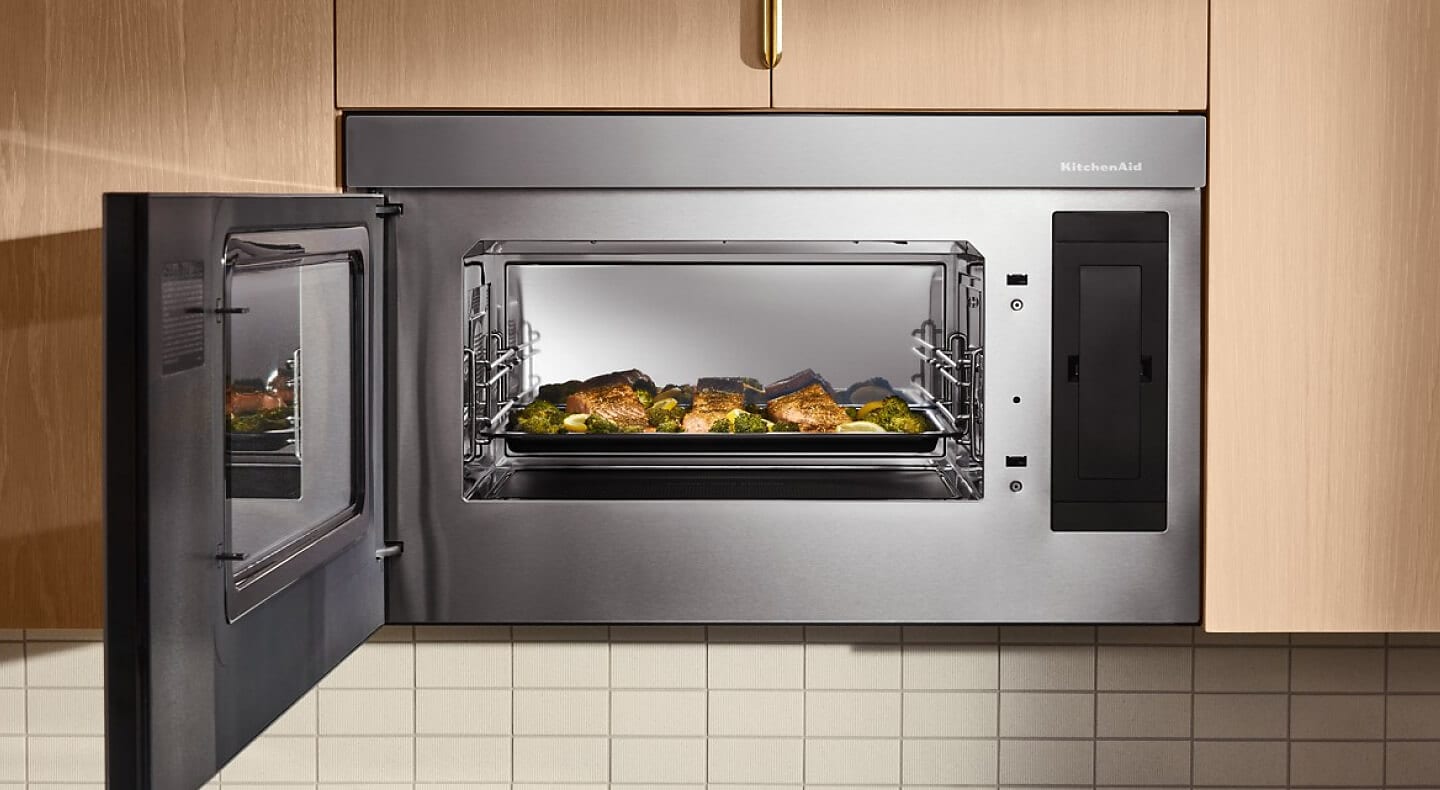
Combination mode blends microwave energy with convection or grill heat to speed up cooking while enhancing texture. This means you get fast cooking times without sacrificing crispiness or browning. Imagine roasting a chicken that’s juicy inside and perfectly golden outside in less time than a traditional oven.
Have you ever wished your microwave could do more than just heat? Combination mode turns your oven into a multi-tasking powerhouse, ready for almost any recipe.
Credit: www.kitchenaid.com
Advantages Over Traditional Ovens
Convection microwave ovens offer several clear benefits compared to traditional ovens. They combine microwave energy with convection heat to cook food quickly and evenly. This blend of technologies creates unique advantages that enhance cooking efficiency and results.
Faster Cooking Times
Convection microwave ovens cook food much faster than traditional ovens. Microwaves heat food from the inside out, while convection fans circulate hot air outside. This dual action cuts cooking time significantly. Meals ready in minutes, not hours.
Even Heat Distribution
Traditional ovens can have hot spots that cook food unevenly. Convection ovens use a fan to spread hot air around the food. This helps cook every part of the dish evenly. No more cold centers or burnt edges.
Energy Efficiency
Convection microwave ovens use less energy than traditional ovens. Faster cooking means the appliance runs for shorter periods. The combination of microwave and convection heat reduces overall power use. Lower energy bills and less environmental impact.
Best Foods For Convection Microwaves
Convection microwave ovens combine the speed of microwaving with the even cooking of convection heat. This dual function expands the variety of foods you can prepare, making your cooking more versatile and efficient. Knowing which foods work best helps you get the most out of your convection microwave.
Baking And Roasting
Baking cakes, muffins, and cookies in a convection microwave gives you a golden crust and a soft inside. The hot air circulates evenly, so your baked goods come out consistent every time. Roasting vegetables or small cuts of meat is also simple—just set the temperature and watch them turn perfectly tender and caramelized.
Have you tried roasting a whole chicken in your convection microwave? It browns beautifully and stays juicy without needing hours in the oven.
Reheating Meals
Reheating leftovers becomes more enjoyable with convection microwaves. Unlike regular microwaves, they avoid soggy textures by reheating with hot air, keeping foods crispy and fresh-tasting. Pizza slices, fried chicken, and casseroles regain their original appeal without turning rubbery or dry.
Think about your last takeout meal—how much better could it taste with a quick reheat that preserves the crunch?
Grilling Options
The grilling feature in convection microwaves lets you cook steaks, kebabs, and fish with a nice char and smoky flavor. It’s perfect for quick weeknight dinners when you want grilled taste without firing up an outdoor grill. You can also toast sandwiches or melt cheese evenly for a golden, bubbly finish.
Have you noticed how much time you save by grilling indoors without sacrificing flavor? Your convection microwave makes that possible every day.
Tips For Optimal Use
Using a convection microwave oven correctly improves cooking results and extends the appliance’s life. Simple habits make a big difference in how evenly food cooks and how long the oven lasts.
Focus on cookware choice, time and temperature settings, and regular maintenance. These areas ensure you get the best performance every time.
Choosing The Right Cookware
- Use microwave-safe materials like glass, ceramic, and certain plastics.
- Avoid metal containers, as they can cause sparks or damage.
- Opt for shallow, round dishes for even heat circulation.
- Check if the cookware is oven-safe for convection mode.
Adjusting Time And Temperature
- Lower temperature settings work better for slow, even cooking.
- Use convection mode for baking and roasting to get crisp results.
- Microwave mode heats food faster but may cause unevenness.
- Test cooking times with new recipes and adjust as needed.
Maintenance And Cleaning
- Clean the interior after each use to avoid odors and stains.
- Wipe the turntable and walls with a soft, damp cloth.
- Remove food spills promptly to prevent damage.
- Check the door seal regularly for cracks or dirt.
- Follow manufacturer instructions for deeper cleaning and care.
Common Issues And Solutions
Convection microwave ovens blend microwave heating and hot air circulation. They cook food faster and more evenly than regular microwaves. Despite their benefits, users often face some common issues. Understanding these problems helps keep the oven working well. Here are typical issues and easy solutions to try.
Uneven Cooking
Uneven cooking happens when food heats irregularly. This issue occurs if the turntable does not rotate properly. Food placed too close to the oven walls may not cook well. Using containers that are not microwave safe can cause hot and cold spots.
- Check if the turntable spins smoothly. Clean or adjust it if stuck.
- Place food in the center of the oven for even heat.
- Use round, microwave-safe dishes to help distribute heat.
- Stir or rotate food manually during cooking for better results.
Overheating Problems
Overheating can cause food to burn or the oven to stop suddenly. This problem arises if vents are blocked or the fan is faulty. Cooking food for too long at high power also leads to overheating.
- Ensure vents are clean and free from obstructions.
- Check if the cooling fan runs during and after cooking.
- Reduce cooking time and power for delicate foods.
- Allow the oven to cool down between uses if overheating occurs.
Error Codes
Error codes appear on the display when the oven detects a problem. Each code means a specific issue. Common errors include door lock faults, sensor failures, or motor issues.
| Error Code | Possible Cause | Solution |
|---|---|---|
| F1 | Keypad error | Reset the oven by unplugging for 5 minutes. |
| F2 | Door switch fault | Check door latch and switch. Replace if broken. |
| F3 | Temperature sensor issue | Contact service to test or replace sensor. |
| F4 | Turntable motor error | Inspect motor and gears; replace if needed. |
Frequently Asked Questions
What Is A Convection Microwave Oven?
A convection microwave oven combines microwave heating with a fan and heating element. It cooks food faster and more evenly. It can bake, roast, and grill, unlike traditional microwaves. This versatility makes it ideal for various cooking tasks.
How Does Convection Improve Microwave Cooking?
Convection uses a fan to circulate hot air inside the oven. This helps cook food evenly and browns the surface. It enhances texture and flavor. The combination of microwave energy and convection heat speeds up cooking times.
Can Convection Microwave Ovens Bake And Roast?
Yes, convection microwave ovens can bake cakes, cookies, and roast meats. The convection heat ensures even cooking and browning. This makes them more versatile than standard microwaves. They are suitable for multiple cooking methods.
Is Convection Microwave Cooking Faster Than Regular Ovens?
Yes, convection microwave ovens cook food faster by combining microwaves and hot air circulation. The microwaves heat food from inside, while convection cooks from outside. This dual method reduces cooking time significantly compared to conventional ovens.
Conclusion
Convection microwave ovens heat food quickly and evenly. They use microwaves and hot air together. This combination cooks food faster than regular ovens. You can bake, roast, or grill with one device. It saves time and energy in the kitchen.
Understanding how it works helps you use it better. This appliance suits busy people who want tasty meals fast. Try it to enjoy simple cooking with good results.