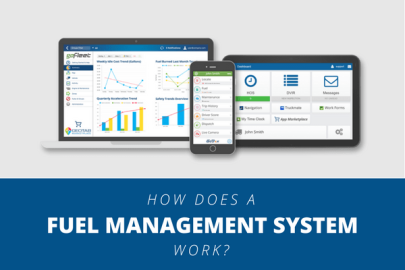
Have you ever wondered how businesses keep track of their fuel without wasting money or time? A fuel management system can be the answer to your fuel headaches.
It helps you monitor, control, and optimize fuel usage with ease. Imagine saving money, reducing theft, and improving efficiency all at once. You’ll discover exactly how a fuel management system works and why it could be a game-changer for your operations.
Keep reading to unlock the secrets behind smarter fuel control!
Fuel Management System Basics
A fuel management system helps track and control fuel use. It is used in vehicles, machines, and fleets.
This system saves fuel and reduces waste by monitoring fuel levels and usage closely.
Definition And Purpose
A fuel management system is a tool to track fuel consumption. It records how much fuel is used and when.
The main purpose is to prevent fuel theft and lower fuel costs. It also helps improve vehicle efficiency.
Key Components
Fuel management systems have several key parts. Each part helps collect and share fuel data.
- Fuel Sensors: Measure fuel levels in tanks.
- Data Logger: Stores fuel use information.
- Control Unit: Processes the fuel data.
- Display Screen: Shows fuel status to users.
- Software: Analyzes data for reports.
Credit: flotillaiot.com
Types Of Fuel Management Systems
Fuel management systems help control and monitor fuel use. They reduce waste and save money.
There are different types of fuel management systems. Each type works in a unique way.
Automated Systems
Automated systems use technology to track fuel use. They collect data without needing much human work.
These systems use sensors and software to monitor fuel levels. They also control fuel dispensing automatically.
- Fuel pumps work with electronic controls
- Data is sent to a central system in real-time
- Alerts notify about fuel theft or leaks
Manual Systems
Manual systems rely on people to record fuel use. Workers write down fuel amounts and times.
This method needs careful checking to avoid mistakes. It is cheaper but less accurate than automated systems.
- Fuel logs are kept on paper or spreadsheets
- Staff check fuel levels regularly
- Manual entry can lead to errors or delays
Hybrid Systems
Hybrid systems combine manual and automated features. They give more control and flexibility.
Some parts of the system work automatically. Other parts need human input or checks.
- Automated sensors track fuel levels
- Employees confirm or adjust data manually
- Helps catch errors from either method
Core Functions
A fuel management system helps businesses control fuel use. It tracks fuel from delivery to consumption.
These systems improve efficiency and reduce fuel loss with smart tools. They focus on key areas.
Fuel Tracking
Fuel tracking records fuel amounts at each point. It monitors fuel delivery, storage, and dispensing.
This function uses sensors and software to log fuel data. It helps spot leaks or theft quickly.
- Records fuel delivered to tanks
- Tracks fuel dispensed to vehicles
- Logs time and date of each transaction
- Alerts for unusual fuel use
Inventory Control
Inventory control keeps track of fuel levels in storage tanks. It helps prevent running out of fuel.
The system updates fuel stock in real time. It can reorder fuel before the tank is empty.
- Monitors fuel stock levels 24/7
- Records fuel deliveries and withdrawals
- Generates reports on fuel inventory
- Supports automatic fuel ordering
Usage Monitoring
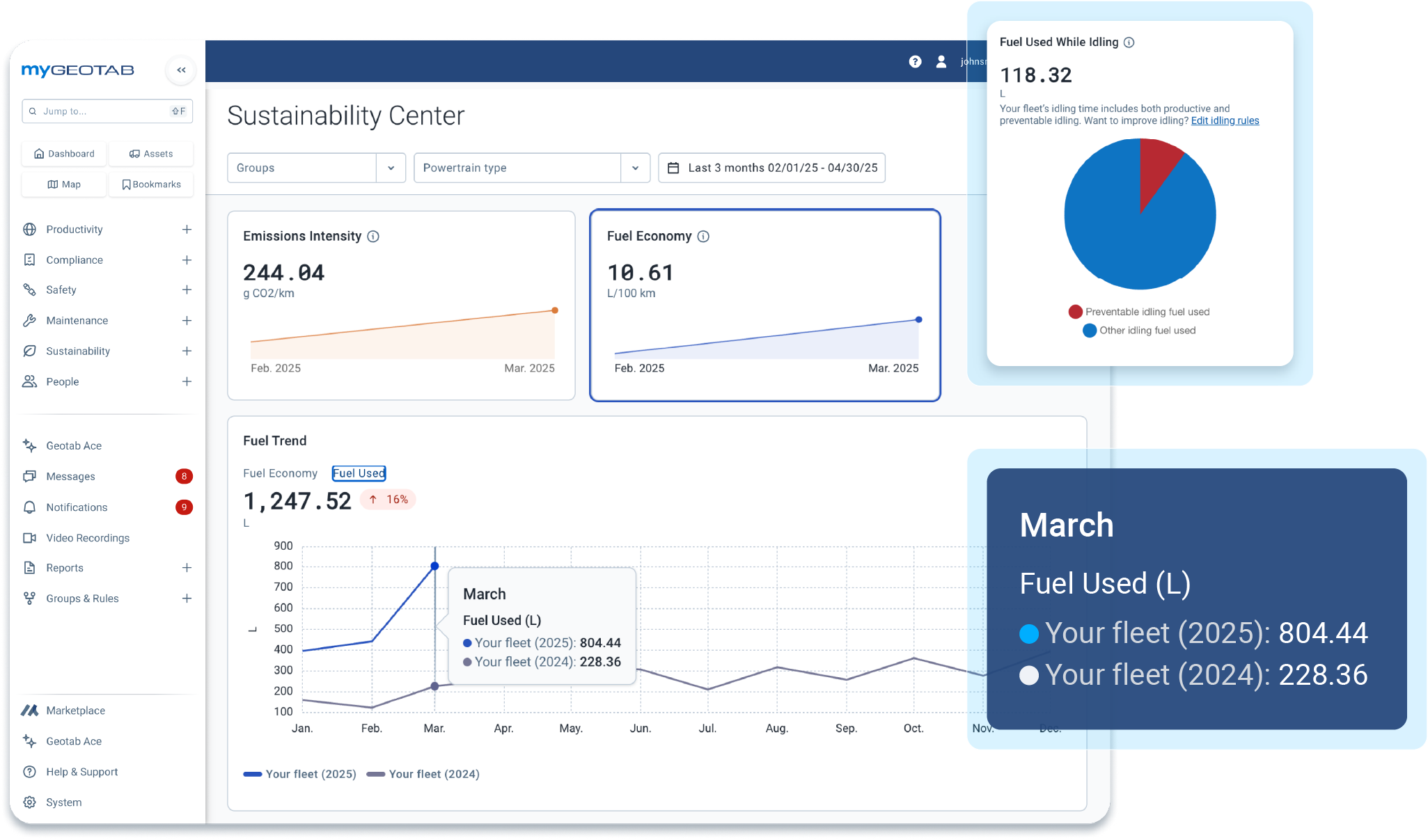
Usage monitoring tracks how much fuel each vehicle or machine uses. It helps control fuel costs.
The system compares fuel used with work done. It finds inefficiencies or fuel waste.
- Records fuel consumption per vehicle
- Monitors fuel use against mileage or hours
- Alerts for abnormal fuel consumption
- Supports fuel efficiency improvements
Credit: www.geotab.com
Technological Integration
Fuel management systems use technology to track and control fuel use. This helps reduce waste and lower costs. These systems connect different tools and devices to work together.
Understanding how technology fits into fuel management shows how it improves fuel efficiency and security. Key technologies include telematics, IoT applications, and data analytics.
Telematics
Telematics combines GPS and communication systems. It sends real-time data about vehicles and fuel use. Fleet managers can see fuel levels, consumption rates, and vehicle locations instantly.
- Track fuel consumption per vehicle
- Detect fuel theft or leaks early
- Monitor driver behavior to save fuel
- Plan routes to reduce fuel use
Iot Applications
Internet of Things (IoT) connects sensors and devices in the fuel system. These devices send data to a central system for easy monitoring. IoT improves accuracy and speed in fuel management.
| Device | Function |
| Fuel level sensor | Measures fuel quantity in tanks |
| Flow meter | Records fuel dispensed |
| Leak detector | Alerts on fuel leaks |
| Vehicle sensor | Tracks fuel use per trip |
Data Analytics
Data analytics processes information from telematics and IoT devices. It helps find patterns and issues in fuel use. Managers use this data to make smart decisions.
Common uses of data analytics in fuel management:
- Identify high fuel consumption vehicles
- Predict maintenance needs to prevent fuel loss
- Optimize fueling schedules
- Generate reports for cost control
Benefits Of Fuel Management
A fuel management system helps businesses control their fuel use. It tracks fuel consumption and prevents waste.
Using this system leads to savings and better operations. It also supports environmental care.
Cost Reduction
Fuel management lowers costs by reducing fuel theft and misuse. It also helps detect fuel leaks early.
- Tracks fuel usage precisely
- Prevents unauthorized fuel access
- Alerts for unusual fuel consumption
- Optimizes fuel purchase timing
Improved Efficiency
This system improves vehicle and equipment use. It helps schedule refueling and maintenance on time.
| Benefit | Details |
| Better Planning | Schedules refueling to avoid downtime |
| Usage Reports | Shows fuel consumption trends |
| Maintenance Alerts | Notifies for timely vehicle checkups |
Environmental Impact
Fuel management helps reduce emissions by controlling fuel waste. It supports greener business practices.
- Decreases fuel spillage
- Limits excess fuel use
- Supports compliance with environmental laws

Credit: www.banlaw.com
Challenges And Solutions
A fuel management system helps track fuel use in vehicles and machines. It saves money and reduces waste. But using this system comes with some challenges.
This article explains common obstacles in fuel management and suggests effective ways to solve them. Understanding these can improve fuel tracking and control.
Common Obstacles
Many businesses face issues when managing fuel. These problems can cause errors and higher costs.
- Inaccurate fuel data due to manual entry mistakes
- Fuel theft or unauthorized use by employees
- Difficulty tracking fuel across many vehicles or sites
- High costs from poor fuel usage monitoring
- Problems integrating fuel data with other business systems
Effective Strategies
Using a fuel management system well needs clear plans and tools. These strategies help solve common problems.
| Challenge | Solution |
| Manual data errors | Use automated sensors and digital entry |
| Fuel theft | Install locked fuel caps and monitor usage data |
| Tracking many vehicles | Use GPS and real-time tracking software |
| High fuel costs | Analyze fuel reports to find waste and improve routes |
| Data integration issues | Choose systems with easy software connections |
Choosing The Right System
Fuel management systems help track and control fuel use. Picking the right system saves money and time.
It is important to think about your needs before buying a system. This guide helps you decide.
Factors To Consider
Look at your fuel usage and how many vehicles you have. The system should fit your business size.
Check if the system works with your current equipment. It should be easy to use for your staff.
- Fuel type compatibility
- Number of fuel points
- Data reporting features
- Ease of installation and use
- Security and access control
- Maintenance and support needs
Vendor Evaluation
Choose a vendor with good customer support. They should offer training and quick help.
Look for vendors with a strong reputation. Check reviews and ask for references.
- Customer service availability
- Training and onboarding support
- System updates and upgrades
- Warranty and service agreements
- Price and payment options
Future Trends
Fuel management systems help track fuel use and reduce waste. New trends are making these systems smarter and more efficient.
These trends will change how businesses save money and protect the environment.
Emerging Technologies
New technologies improve fuel management by adding more data and control. Sensors and IoT devices give real-time fuel use updates.
Artificial intelligence helps predict fuel needs and detect leaks faster. Mobile apps let managers check fuel status from anywhere.
- IoT sensors track fuel levels and quality
- AI predicts fuel consumption patterns
- Mobile apps provide remote fuel monitoring
- Cloud platforms store and analyze fuel data
Industry Innovations
Companies are building smarter fuel tanks and pumps. These tools reduce fuel theft and errors in tracking.
New systems combine fuel data with vehicle and driver information. This helps improve overall fleet efficiency and reduce costs.
- Smart fuel tanks with automatic alerts
- Integration with vehicle telematics systems
- Driver behavior tracking to lower fuel waste
- Automated reporting for easy compliance
Frequently Asked Questions
What Is A Fuel Management System?
A fuel management system tracks and controls fuel consumption in vehicles or machinery. It helps reduce waste, prevent theft, and improve efficiency by monitoring fuel levels and usage automatically.
How Does Fuel Management Improve Cost Savings?
Fuel management systems minimize fuel theft and waste. They optimize fuel use, leading to lower expenses. Accurate monitoring prevents unnecessary refueling, saving money over time.
Can Fuel Management Systems Prevent Fuel Theft?
Yes, they use sensors and secure access controls to monitor fuel usage. Alerts notify managers of unusual consumption, effectively reducing fuel theft risks.
What Types Of Vehicles Use Fuel Management Systems?
Fuel management systems are used in fleets, trucks, buses, construction vehicles, and agricultural machinery. They help track fuel use across various industries for better management.
Conclusion
A fuel management system helps track fuel use clearly and simply. It saves money by reducing waste and theft. The system gives real-time data for better decisions. It also makes fuel handling safer and easier. Many businesses trust these systems to keep fuel costs low.
Understanding how it works can improve your fuel control. Small steps with fuel management lead to big savings. It keeps vehicles running longer and operations smooth. A smart choice for anyone managing fuel daily.