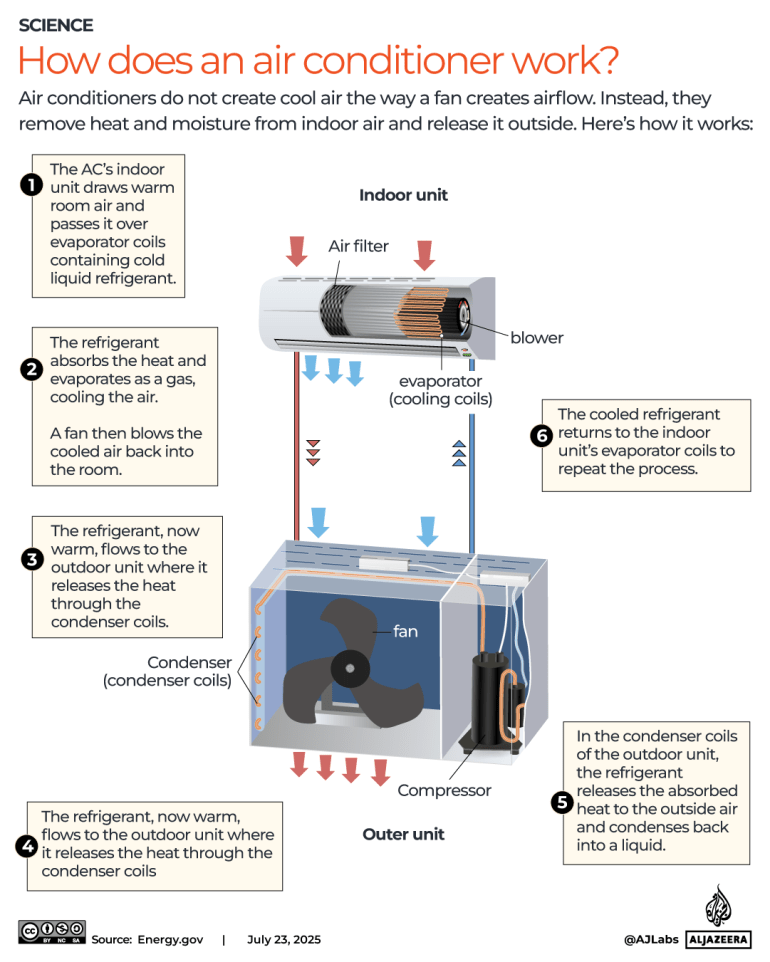
Have you ever wondered why some air conditioners save more energy and keep your room comfortable without constant noise? The secret lies in the technology behind inverter air conditioners.
Understanding how an inverter air conditioner works can help you make smarter choices for your home and save money on your electricity bills. You’ll discover the simple science that makes these units so efficient and why switching to one could be the best decision for your comfort and wallet.
Keep reading to learn how this clever system adapts to your needs and changes the way you experience cool air.
Inverter Technology Basics
An inverter air conditioner uses advanced technology to control its compressor speed. This helps maintain a steady temperature inside a room. It saves energy and reduces wear on the system.
The inverter adjusts power flow to the compressor. This means it can work faster or slower depending on the cooling needs. This is different from traditional ACs that turn the compressor on and off.
Key Components
Inverter air conditioners have several important parts. These parts work together to control temperature and save energy. The main components include:
- Inverter circuit
- Variable speed compressor
- Temperature sensors
- Expansion valve
- Heat exchanger coils
Variable Speed Compressor
The variable speed compressor changes its speed to match cooling needs. It does not just turn on or off like in regular air conditioners. This helps keep the room temperature steady and saves power.
| Speed | Effect |
| High | Quick cooling when room is hot |
| Medium | Maintains temperature comfortably |
| Low | Reduces energy use when less cooling is needed |
Energy Efficiency Benefits
Inverter air conditioners use advanced technology to save energy. They adjust their compressor speed to match cooling needs.
This control helps reduce power use and improve comfort compared to regular air conditioners.
Reduced Power Consumption
Inverter air conditioners run at variable speeds. They do not turn on and off repeatedly. This smooth operation lowers power use.
- The compressor slows down when less cooling is needed
- It speeds up only if the room temperature rises
- This avoids energy waste from frequent starts and stops
- It keeps temperature steady without large power spikes
Lower Electricity Bills
Because inverter air conditioners use less power, they reduce electricity costs. Savings can add up over time.
| Type | Average Power Use | Monthly Cost |
| Inverter AC | 500 kWh | $60 |
| Non-Inverter AC | 800 kWh | $96 |
Temperature Control Features
Inverter air conditioners use smart temperature control to keep rooms comfortable. They adjust power to match the cooling needs.
This helps save energy and maintains a steady temperature without big changes.
Consistent Cooling
The inverter AC keeps the room temperature steady by running the compressor at variable speeds. It avoids turning the compressor fully on or off.
- Maintains a constant cooling level
- Reduces temperature swings
- Improves comfort for everyone inside
- Uses less energy compared to regular ACs
Quick Temperature Adjustment
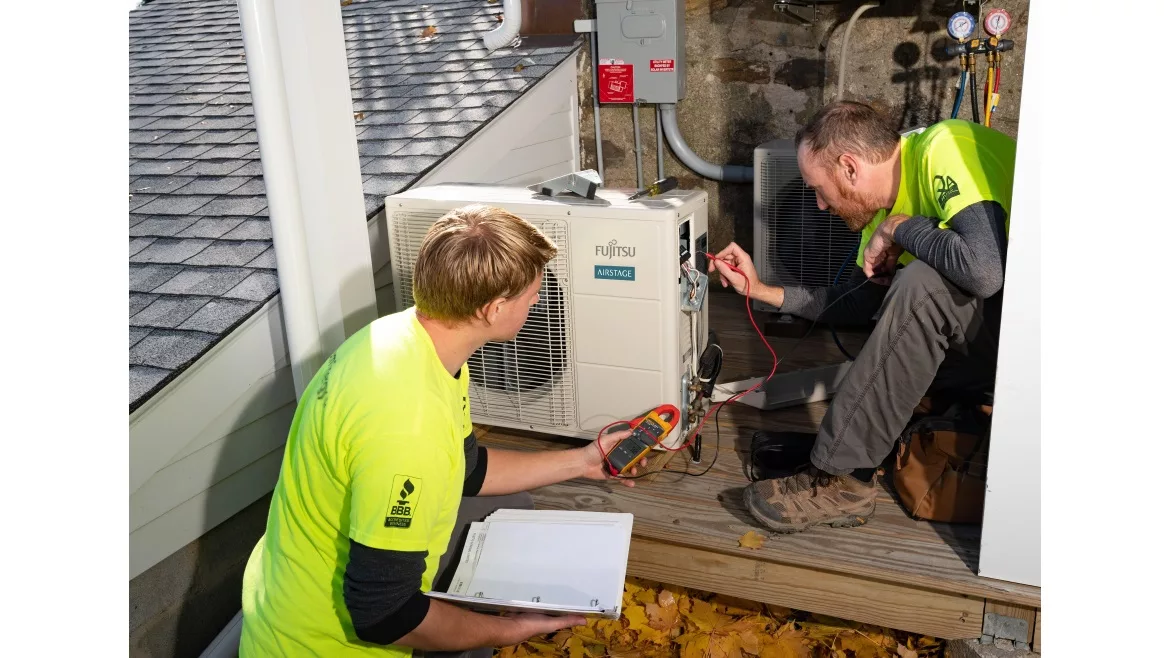
The inverter AC changes its cooling power fast to reach the set temperature quickly. It can speed up or slow down the compressor as needed.
| Feature | Benefit |
| Variable Compressor Speed | Fast cooling or heating |
| Sensor Feedback | Adjusts to room changes quickly |
| Energy Efficient | Less power used during adjustment |
Credit: www.achrnews.com
Noise Reduction Advantages
Inverter air conditioners reduce noise by controlling compressor speed. This leads to quieter and smoother operation.
Lower noise levels make inverter ACs more comfortable for daily use in homes and offices.
Quiet Operation
The inverter technology adjusts the compressor speed to match cooling needs. It avoids sudden starts and stops.
This smooth operation cuts down loud noises common in traditional air conditioners. It creates a peaceful indoor environment.
- Continuous compressor speed control
- Eliminates loud compressor switching sounds
- Reduces vibration and mechanical noise
Ideal For Residential Use
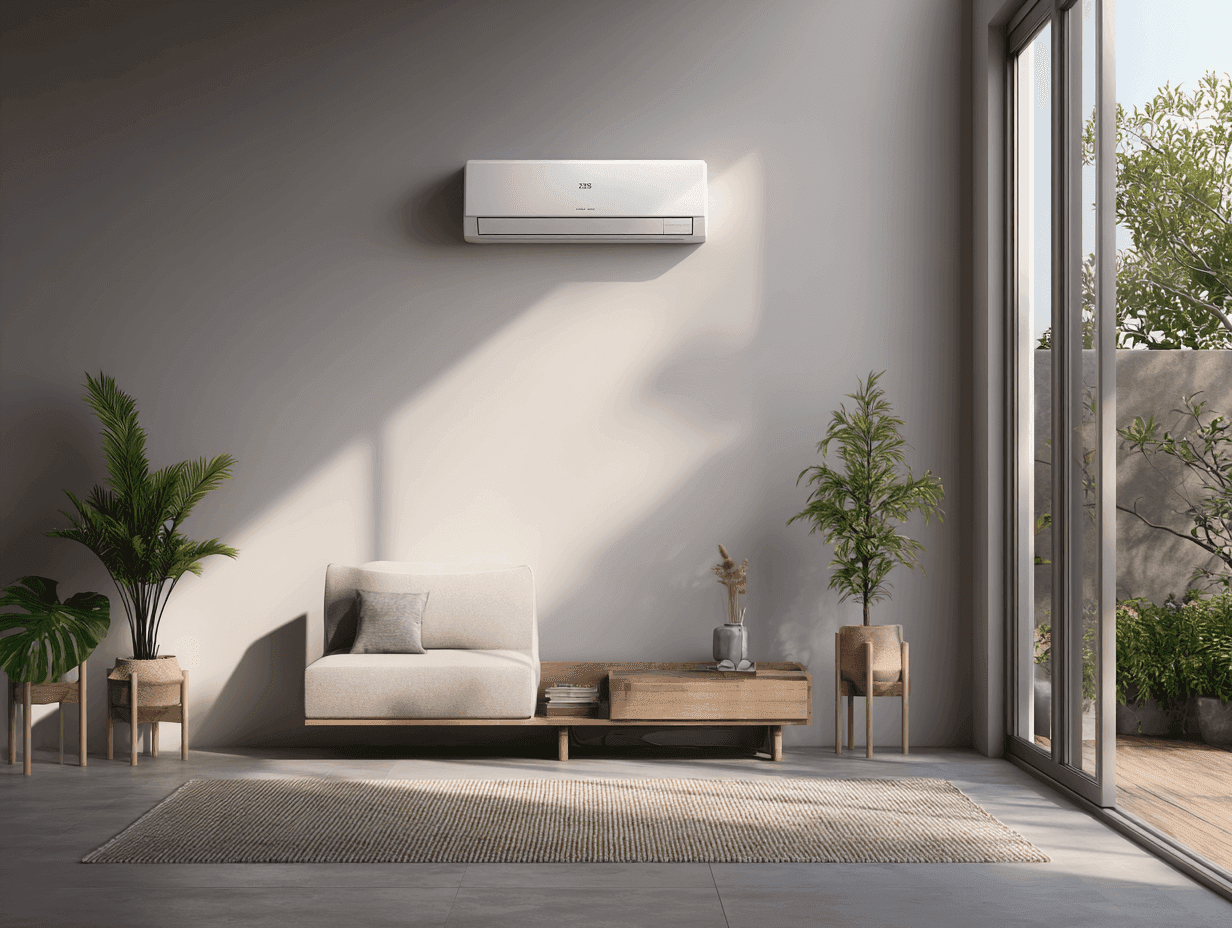
Quiet inverter air conditioners fit perfectly in bedrooms and living rooms. They do not disturb daily activities or sleep.
The low noise level helps maintain a calm and relaxing home environment. Families enjoy comfort without loud background sounds.
- Perfect for night-time use
- Suitable for homes with children or elderly
- Creates a calm atmosphere without noise
Longevity And Durability
Inverter air conditioners are known for lasting longer than traditional models. Their design helps reduce damage over time.
Understanding how they work shows why they stay durable and reliable for years.
Extended Lifespan
Inverter air conditioners use a variable speed compressor. This means they adjust power based on the room’s temperature.
By running at lower speeds most of the time, they avoid frequent stops and starts. This reduces stress on parts.
- Less strain on the motor
- Lower energy use keeps components cooler
- Consistent operation avoids sudden wear
Less Wear And Tear
Traditional air conditioners turn on and off often. This causes quick wear on the compressor and other parts.
Inverter models run smoothly without frequent stops. This leads to less damage and fewer repairs over time.
- Reduced mechanical stress
- Lower risk of part failure
- Longer intervals between maintenance
Environmental Impact
Inverter air conditioners use modern technology to save energy. They work more efficiently than traditional units.
Saving energy means less pollution and a healthier planet. These systems help reduce the harmful effects of cooling.
Lower Carbon Footprint
Inverter air conditioners adjust their power based on the room’s needs. This reduces energy waste.
Less energy use means fewer carbon emissions from power plants. This lowers the device’s overall carbon footprint.
- Uses less electricity than fixed-speed ACs
- Runs only at needed capacity
- Reduces greenhouse gas emissions
Eco-friendly Refrigerants
Inverter air conditioners often use refrigerants that harm the environment less. These refrigerants have low global warming potential.
Using eco-friendly refrigerants helps protect the ozone layer and reduce climate change risks.
- Uses refrigerants like R32 or R290
- Lower impact on global warming
- Safer for the atmosphere
Comparing Traditional And Inverter Acs
Air conditioners cool rooms by removing heat. Traditional and inverter ACs use different methods to do this. Understanding these differences helps you choose the right air conditioner.
This article compares traditional and inverter ACs by looking at their costs and performance.
Cost Differences
Traditional ACs usually cost less upfront. Inverter ACs have higher initial prices because of advanced technology inside. Over time, inverter ACs save money on electricity bills.
- Traditional ACs have a fixed speed compressor.
- Inverter ACs change compressor speed to save energy.
- Inverter ACs reduce power use during low cooling needs.
- Traditional ACs turn on and off, using more energy.
Performance Comparison
Inverter ACs cool rooms more evenly and keep temperature steady. Traditional ACs cycle on and off, causing temperature swings.
| Feature | Traditional AC | Inverter AC |
| Compressor | Fixed speed | Variable speed |
| Energy Efficiency | Lower | Higher |
| Noise Level | Louder | Quieter |
| Temperature Control | Less steady | More steady |
| Initial Cost | Lower | Higher |
Credit: www.hvac.com
Choosing The Right Inverter Ac
Choosing an inverter air conditioner means picking one that fits your needs. Size and energy use are key points to consider. A well-chosen AC will cool your room efficiently.
Knowing the right size and energy ratings helps save money and keeps your space comfortable. This guide covers important factors for selecting an inverter AC.
Size And Capacity
It is important to pick an inverter AC with the right size. The capacity shows how much space the AC can cool. Too small, and it will not cool well. Too large, and it will waste energy.
- Measure your room size in square feet
- Check the BTU rating of the AC unit
- Match BTU to room size for best cooling
- Consider ceiling height and sunlight exposure
- Think about the number of people in the room
Energy Efficiency Ratings
Energy efficiency ratings show how well the AC uses electricity. Higher ratings mean lower power bills. Look for these ratings when buying an inverter AC.
| Rating | What It Means | Benefit |
| SEER (Seasonal Energy Efficiency Ratio) | Measures cooling efficiency over a season | Lower electricity use and cost |
| EER (Energy Efficiency Ratio) | Measures cooling efficiency at a specific temperature | Good for comparing units |
| Star Rating | Shows overall energy performance (1 to 5 stars) | Higher stars save more energy |
Credit: www.renogy.com
Frequently Asked Questions
How Does An Inverter Air Conditioner Save Energy?
An inverter air conditioner adjusts compressor speed to maintain temperature. This reduces power consumption and avoids energy waste, making it more efficient than non-inverter models.
What Is The Main Difference Between Inverter And Non-inverter Ac?
Inverter ACs regulate compressor speed for continuous cooling. Non-inverter ACs switch compressor on and off, leading to energy loss and temperature fluctuations.
How Does Inverter Technology Improve Cooling Performance?
Inverter technology allows precise temperature control by varying compressor speed. This ensures faster cooling and consistent comfort without sudden temperature changes.
Are Inverter Air Conditioners Cost-effective In The Long Run?
Yes, inverter ACs consume less electricity and reduce energy bills. Though initial cost is higher, long-term savings and durability make them cost-effective.
Conclusion
Inverter air conditioners save energy by adjusting compressor speed. They keep your room temperature steady and comfortable. Unlike regular ACs, they work quietly and use less power. This helps reduce electricity bills and protects the environment. Understanding how they work makes choosing the right AC easier.
Now, you know why many people prefer inverter air conditioners. They offer efficient cooling with smart technology. A good choice for long-term comfort and savings.