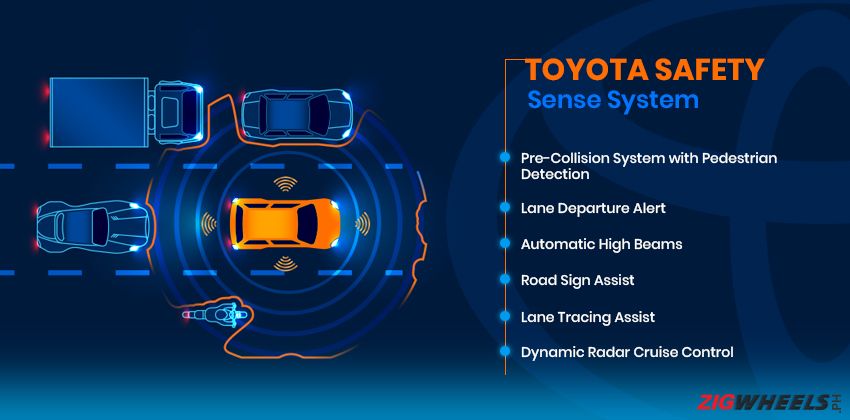
Have you ever wondered how your Toyota helps keep you safe on the road, even before a crash happens? The Toyota Pre-Collision System is designed to protect you and your loved ones by spotting danger early and reacting fast.
But how exactly does it work, and what can it do to prevent accidents? Understanding this smart technology can give you peace of mind every time you get behind the wheel. Keep reading, and you’ll discover how this system watches out for you, so you can drive with confidence and stay safe.

Credit: www.youtube.com
Toyota Pre Collision System Basics
The Toyota Pre Collision System (PCS) is designed to help you avoid accidents or reduce their severity. It works quietly in the background, monitoring the road ahead and alerting you when it detects a potential collision. Understanding the basics of this system can help you appreciate how it adds an extra layer of safety to your driving experience.
Core Components
The Pre Collision System relies on a few key parts working together seamlessly. First, there’s the radar sensor, usually mounted near the front grille. It detects objects and measures their distance and speed relative to your vehicle.
Next, the front camera, often placed near the rearview mirror, identifies pedestrians, vehicles, and lane markings. These two components send real-time data to the system’s computer.
The computer then analyzes this information and decides if a collision risk exists. If it senses danger, it alerts you with visual and audio warnings. If you don’t react in time, the system can automatically apply the brakes to help reduce impact or avoid the crash entirely.
Technology Behind The System
The technology in Toyota’s PCS combines radar and camera inputs to create a detailed picture of the environment ahead. Radar excels at detecting objects in various weather conditions, while the camera offers detailed visuals to recognize shapes and movement.
This dual approach improves accuracy and reduces false alarms. The system continuously scans the road, calculating closing speeds and predicting potential collisions within seconds.
Have you ever noticed a sudden beep or a flashing icon on your dashboard? That’s the PCS alerting you to take action. It’s like having a vigilant co-pilot watching out for hazards you might miss.
Detection Methods
Toyota’s Pre-Collision System (PCS) aims to reduce accidents. It uses advanced technology to detect potential collisions. The system combines various detection methods to ensure safety. Understanding these methods helps appreciate the technology’s effectiveness.
Radar Sensors
Radar sensors play a vital role in PCS. These sensors emit radio waves to detect objects. They measure the distance and speed of objects in front. This allows the system to identify potential threats early. Radar works well in various weather conditions. It remains effective in fog, rain, and even at night.
Camera Integration
The system also uses cameras for detection. Cameras capture images of the road ahead. These images help the system recognize obstacles. Cameras can identify cars, pedestrians, and even cyclists. They provide visual data that complements radar readings. Together, they create a comprehensive detection system.
Alert Mechanisms
The Toyota Pre Collision System doesn’t just detect potential crashes—it actively alerts you in multiple ways to help avoid them. These alert mechanisms are designed to catch your attention quickly, giving you time to react. Understanding how these warnings work can help you respond more effectively behind the wheel.
Visual Warnings
Visual warnings appear directly on your dashboard or heads-up display, showing clear symbols or flashing lights. These indicators often highlight the exact nature of the danger, such as a red car icon or an exclamation mark. They’re positioned where you naturally look, so you don’t have to take your eyes off the road for long.
Have you noticed how these lights are bright enough to stand out even in daylight? That’s intentional, making sure you don’t miss critical alerts no matter the lighting conditions.
Audible Alerts
Alongside visual signals, the system uses sounds to grab your attention. These alerts range from beeps to more urgent warning tones that escalate if you don’t react. The variety of sounds helps you recognize the severity of the situation instantly.
Think about moments when you’ve been distracted—these audible alerts can snap you back to focus quickly. They’re especially helpful if your eyes are on something other than the dashboard or road.
Haptic Feedback
Haptic feedback adds a physical sensation to the mix, often through vibrating the steering wheel or the driver’s seat. This touch-based warning provides a direct, hard-to-ignore signal that something is wrong. It’s a clever way to involve your sense of touch when your sight and hearing might miss the alert.
Imagine feeling a sudden vibration just as you’re about to drift into another lane. That immediate physical cue can be the nudge you need to correct your course before it’s too late.

Credit: www.toyota.ca
Automatic Braking Function
The Automatic Braking Function in Toyota’s Pre-Collision System helps avoid crashes or lessen their impact. It uses sensors and cameras to watch the road ahead. The system detects possible collisions and acts quickly to stop the car.
When Braking Activates
The system starts braking if it senses a high chance of collision. It monitors the distance and speed of vehicles or objects ahead. If the driver does not brake in time, the system steps in. The brakes apply automatically to reduce speed or stop the car.
Activation happens mostly in sudden traffic slowdowns or if a pedestrian crosses abruptly. This quick response helps prevent accidents or reduce damage.
Braking Power Levels
The braking force changes based on the danger level. The system uses gentle braking at first to warn the driver. If the risk rises, it applies stronger brakes. This gradual increase helps control the car safely without sudden stops.
The goal is to give enough braking power to avoid impact or lower collision speed. This feature improves safety for both drivers and pedestrians on the road.
Lane Departure Assistance
Lane Departure Assistance helps drivers stay safely within their lane. It reduces accidents caused by drifting or unintentional lane changes. This system alerts the driver if the vehicle starts to leave the lane without signaling. It is especially useful on highways and long drives where attention may lapse.
Role In Collision Prevention
Lane Departure Assistance plays a key role in avoiding side collisions. It warns drivers before the vehicle crosses lane markings. This early alert helps prevent crashes with other vehicles or roadside obstacles. It supports safer driving by maintaining proper lane position. The system reduces risks caused by driver distraction or fatigue.
How It Works With Pcs
The Lane Departure Assistance works closely with Toyota’s Pre Collision System (PCS). Cameras monitor lane markings and detect lane departure. PCS uses this data to prepare for possible collisions. If the vehicle drifts, the system alerts the driver with sounds or steering feedback. PCS can also apply brakes to reduce impact if a collision is likely. Together, they enhance overall safety on the road.
Credit: www.unitedtoyotaimperial.com
System Limitations
The Toyota Pre-Collision System (PCS) is a powerful safety feature designed to help prevent accidents or reduce their severity. However, like any technology, it has its limitations. Understanding these boundaries can help you use the system more effectively and stay prepared for situations where it might not perform as expected.
Environmental Factors
The PCS relies heavily on sensors such as cameras and radar to detect obstacles and potential collisions. These sensors can be affected by weather conditions like heavy rain, fog, snow, or even direct sunlight glare.
For instance, if you’re driving through a dense fog or a snowstorm, the system may struggle to accurately identify objects ahead. Dirt or ice covering the sensors can also block their view, reducing the system’s effectiveness.
Have you ever noticed your windshield fogging up or covered with road grime? That same obstruction can confuse the PCS sensors, making it crucial to keep them clean and clear.
Operational Constraints
The Pre-Collision System is most effective at certain speeds and conditions. It performs best in typical highway or city driving scenarios but may not react well in complex or unusual situations.
For example, sudden lane changes, sharp turns, or stationary objects like parked cars might not trigger the system appropriately. Also, the PCS may not detect pedestrians or cyclists if they enter your path unexpectedly from the side.
It’s important to remember that the system is a supplement to your driving, not a replacement. Your attention and judgment remain the most critical factors in avoiding accidents.
Maintenance And Calibration
Maintaining and calibrating the Toyota Pre Collision System (PCS) ensures it works reliably when you need it most. Like any advanced safety feature, PCS depends on sensors and cameras that require regular attention to stay accurate. Ignoring maintenance could reduce the system’s effectiveness, risking your safety on the road.
Routine Checks
Regularly inspect the sensors and cameras located around your vehicle. Make sure lenses are clean and free from dirt, ice, or snow, as even a small obstruction can block the system’s view.
Keep an eye out for dashboard warnings related to the PCS. These alerts often indicate a need for sensor cleaning or recalibration. You can easily wipe the cameras with a soft cloth during your weekly car wash.
Have you ever driven through heavy rain or a dusty road and noticed your PCS light flicker? That’s a subtle hint to check the sensors more closely. Simple upkeep can prevent false alarms or system failure.
When To Service
Service your PCS after any front-end collision, no matter how minor it seems. Even small impacts can knock sensors out of alignment, causing incorrect readings or failure to detect obstacles.
Scheduled maintenance during regular vehicle check-ups is essential. Toyota recommends professional calibration whenever you replace windshields, bumpers, or cameras since these parts affect sensor accuracy.
Ask yourself: if your car’s safety system isn’t properly calibrated, can you really trust it to stop in time? Booking a calibration service ensures the PCS sensors communicate correctly with your vehicle’s computer, maintaining peak safety performance.
Benefits Of Toyota Pre Collision System
The Toyota Pre Collision System offers more than just a high-tech feature in your vehicle; it serves as a crucial partner in keeping you safe on the road. Understanding its benefits helps you appreciate how this system actively works to protect you and your passengers.
Enhanced Driver Safety
The system constantly monitors the road ahead using cameras and radar. It alerts you when it detects a potential collision, giving you precious seconds to react.
If you don’t respond quickly enough, the system can automatically apply the brakes to reduce impact or even avoid the crash. This proactive approach helps reduce the chances of severe injuries for you and others.
Imagine driving in busy traffic where sudden stops are common. The Pre Collision System acts like an extra set of eyes, helping prevent accidents that might happen when your attention lapses for a moment.
Accident Reduction Statistics
Data shows that vehicles equipped with Toyota’s Pre Collision System have a significantly lower rate of front-end collisions. One study found up to a 50% reduction in crashes involving these vehicles compared to those without the system.
Insurance companies also recognize the value, often offering lower premiums for cars with this technology. This not only saves money but also reflects the system’s effectiveness in real-world situations.
Would you want a system that could cut your risk of collision in half? These statistics highlight why adding safety features like this can make a real difference in your driving experience.
Frequently Asked Questions
How Does Toyota Pre Collision System Detect Obstacles?
Toyota Pre Collision System uses radar and camera sensors to detect obstacles ahead. It continuously monitors the road for vehicles and pedestrians to prevent collisions.
Can Toyota Pre Collision System Brake Automatically?
Yes, the system can apply automatic braking when it detects an imminent collision. This helps reduce impact severity or avoid crashes altogether.
Is Toyota Pre Collision System Effective In All Weather Conditions?
The system performs best in clear weather but may have reduced accuracy in heavy rain, fog, or snow. Sensor visibility affects its effectiveness.
Does Toyota Pre Collision System Warn The Driver?
Yes, it alerts the driver with visual and audible warnings. This prompts the driver to take immediate action to avoid collisions.
Conclusion
Toyota Pre Collision System helps drivers avoid accidents. It uses sensors to detect obstacles ahead. The system warns the driver with sounds and lights. It can also apply brakes if needed. This technology adds an extra layer of safety. It works quietly and automatically to protect you.
Understanding how it works helps you drive with more confidence. Safe driving is easier with smart systems like this. Stay alert, but trust your car to assist when needed.