Have you ever wondered how far your range hood should stick out from the wall? If you’re planning a kitchen renovation or simply looking to optimize your cooking space, this is a crucial detail you don’t want to overlook.
Getting the range hood placement just right is not only important for aesthetics but also for its functionality in keeping your kitchen air clean and fresh. Imagine cooking your favorite meal without worrying about lingering odors or smoke. Sounds perfect, right?
Keep reading to discover how the correct placement of your range hood can transform your kitchen experience and ensure you make the best choice for your home.
Ideal Range Hood Extension
The ideal range hood extension plays a crucial role in kitchen ventilation. It ensures efficient removal of smoke, steam, and odors. The right extension distance also affects kitchen safety and aesthetics. Choosing the proper range hood projection helps maintain a clean, comfortable cooking space.
Standard Distance Guidelines
Most range hoods should extend 18 to 24 inches from the wall. This distance covers the cooking surface effectively. It allows the hood to capture smoke and steam before it spreads. For gas stoves, a 24-inch extension is often best. Electric cooktops may need a slightly shorter distance.
Range hoods mounted too close to the wall might miss some fumes. Those sticking out too far can look bulky or interfere with kitchen movement. Following these standard guidelines balances function and style.
Factors Influencing Extension
Several factors affect the ideal range hood extension. The size of the cooktop is one key factor. Larger stoves may need wider hood coverage. The type of cooking also matters. High-heat or frequent frying requires stronger ventilation.
Kitchen layout impacts hood placement too. Limited wall space or nearby cabinets can restrict extension. Ceiling height is important for hood height and projection. User preferences for style or ease of cleaning also influence the choice.

Credit: prolinerangehoods.com
Types Of Range Hoods
Choosing the right type of range hood can make a big difference in both the look and function of your kitchen. Each style has its own design and installation requirements, which affect how far the hood should extend from the wall. Understanding these types helps you pick one that fits your cooking space and ventilation needs perfectly.
Wall-mounted Hoods
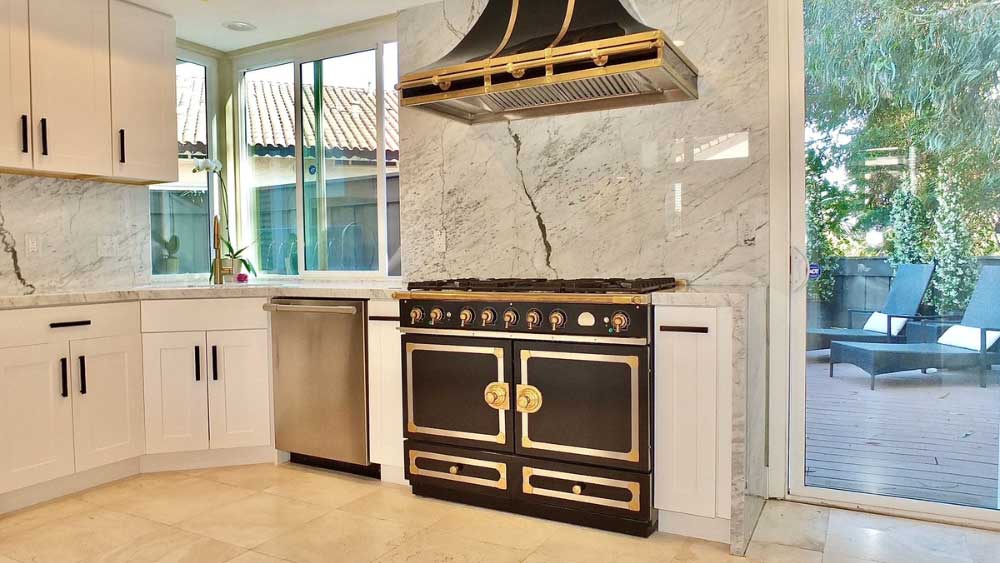
Wall-mounted hoods attach directly to the wall above your stove. They usually stick out enough to cover the entire cooking surface, often extending 18 to 24 inches from the wall. This projection helps capture smoke and odors effectively, especially if your stove is against a wall.
Think about the height and width of your stove when choosing the size. If your hood is too shallow, it won’t trap all the steam and grease. Too deep, and it might make your kitchen feel cramped.
Island Hoods
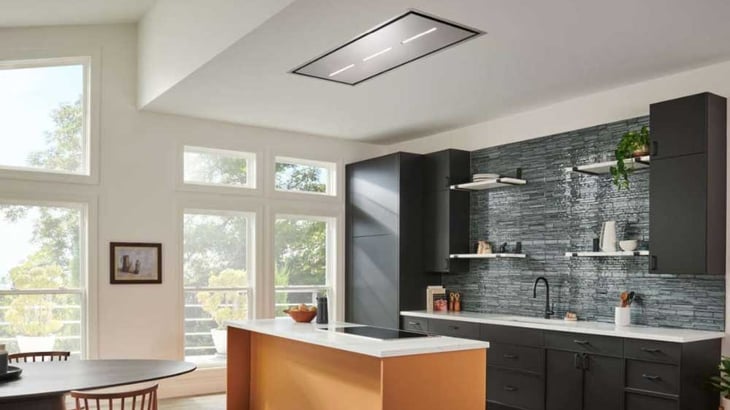
Island hoods hang from the ceiling above a cooktop located in the middle of the kitchen. Because they are suspended, they need to extend further—usually 24 to 30 inches from the ceiling—to cover the cooking area properly. This extra distance ensures the hood captures smoke from all sides.
These hoods often serve as a centerpiece in kitchen design, so their size and shape are important for both style and function. Ask yourself: Does your island cooktop need a wide hood to handle frequent heavy cooking?
Under-cabinet Hoods
Under-cabinet hoods fit snugly beneath kitchen cabinets, making them ideal for smaller or traditional kitchens. Their extension from the wall is typically less, about 16 to 20 inches, since they sit closer to the stove and cabinets.
If your kitchen has limited space, this type saves room while still providing good ventilation. However, ensure the hood’s size matches your stove width, or you might lose efficiency in removing smoke and cooking odors.
Measuring The Extension
Measuring the extension of a range hood is essential for proper installation. It ensures the hood sticks out enough to capture smoke and odors effectively. The right extension improves kitchen ventilation and safety. Accurate measurement helps avoid mistakes that can lead to poor performance or damage. Follow simple steps to measure the hood’s projection from the wall.
Tools Needed
- Tape measure or ruler
- Step ladder (if needed)
- Notepad and pen for recording measurements
- Level to check alignment (optional)
Step-by-step Process
- Place the tape measure at the wall surface behind the range hood.
- Extend the tape straight out to the front edge of the range hood.
- Make sure the tape is level and not angled for an accurate reading.
- Note the measurement where the tape reaches the hood’s front edge.
- Check the height from the cooking surface to the bottom of the hood.
- Compare measurements to the manufacturer’s recommended extension range.
- Adjust the hood position if the extension is too short or too long.
Impact On Kitchen Functionality
The distance a range hood extends from the wall affects more than just looks. It plays a key role in how well your kitchen works. This section explores how the right projection impacts ventilation, safety, and style.
Ventilation Efficiency
The range hood must cover the cooking surface properly to remove smoke and odors. If it sticks out too little, steam and grease might escape into the kitchen. Too far, and airflow can become uneven, reducing its power. A balanced distance ensures strong suction and cleaner air.
Safety Considerations
Proper hood placement prevents accidents. A hood that extends too far can bump into heads or block sight lines. Too close to the stove, it may collect excessive heat, causing damage. The right extension keeps the space safe and comfortable for cooking.
Aesthetic Balance
Visual harmony matters in kitchen design. The range hood should complement cabinet depth and wall space. A well-measured projection avoids a bulky or cramped look. It creates a pleasing flow and enhances the overall kitchen style.
Common Installation Mistakes
Installing a range hood incorrectly can reduce its efficiency and create safety risks. Common mistakes often involve the hood’s distance from the wall. Proper positioning ensures better smoke and odor removal. It also protects your kitchen walls and appliances from damage.
Too Far From The Wall
Placing the range hood too far from the wall reduces its ability to capture smoke. The hood may miss steam and cooking odors, letting them spread in the kitchen. This causes poor air quality and lingering smells. Also, the extra space can create gaps where grease and dust collect. This makes cleaning harder and lowers the hood’s performance.
Too Close To The Wall
Mounting the range hood too close to the wall limits airflow around the fan. The motor may overheat due to restricted ventilation. This shortens the hood’s lifespan. It also causes noise and vibration during use. Tight spacing can block access to filters, making cleaning difficult. Proper clearance is needed to maintain the hood’s function and durability.
Credit: blog.yaleappliance.com
Adjusting Range Hood Placement
Adjusting the placement of your range hood is key to maximizing its effectiveness. The right distance from the wall impacts how well it captures smoke and odors. Getting this balance right can also improve the look and feel of your kitchen.
Customizing For Different Cooktops
Different cooktops require different hood placements. Gas stoves produce more heat and fumes, so the hood should stick out farther—usually about 3 inches beyond the cooktop edge. Electric or induction cooktops, on the other hand, generate less heat, so a smaller overhang often works better.
Think about your cooking style, too. If you often use large pots or wok burners, a wider hood overhang can catch more steam and grease. Have you noticed smoke escaping when you cook? Adjusting the hood’s reach might solve that problem.
Adapting To Kitchen Layouts
Your kitchen’s shape and size play a big role in hood placement. In narrow kitchens, a hood that sticks out too far can feel cramped. But in open kitchens, a larger overhang can create a strong visual anchor above your stove.
Consider how close the hood is to cabinets and walls. You want enough space for airflow, but not so much that it looks disconnected from your cooking area. A good tip: measure the clearance around your cooktop and test different hood positions before installation.
Maintenance Tips
Proper maintenance keeps your range hood working well and lasting longer. Regular care stops grease buildup and helps remove smoke and odors efficiently. Simple upkeep tasks prevent costly repairs and maintain good air quality in your kitchen.
Cleaning The Hood
Clean the exterior of the hood with a soft cloth and mild soap. Avoid harsh chemicals that can damage the finish. Remove and wash grease filters every one to two months. Soak them in warm, soapy water and scrub gently. Dry filters completely before reinstalling. Regular cleaning stops grease buildup and keeps the hood running smoothly.
Checking For Proper Ventilation
Check the vent and ductwork for blockages or damage. Clear any obstructions to allow smooth airflow. Make sure the vent cap outside opens and closes freely. Inspect the fan blades for dust and grease. Clean blades carefully to maintain good air movement. Proper ventilation ensures the hood removes smoke and odors effectively.

Credit: blog.yaleappliance.com
Frequently Asked Questions
How Far Should A Range Hood Extend From The Wall?
A range hood should stick out 18 to 24 inches from the wall. This range ensures effective capture of smoke and odors while maintaining kitchen safety and aesthetics.
Why Is The Range Hood’s Projection Distance Important?
Proper projection ensures efficient ventilation and prevents cooking fumes from spreading. It also maintains comfortable cooking space and protects cabinets from grease buildup.
Does Range Hood Size Affect How Far It Should Stick Out?
Yes, larger range hoods typically extend farther to cover wider cooktops. The projection should match the cooktop size for optimal smoke and odor capture.
Can A Range Hood Stick Out Too Far From The Wall?
Yes, if it extends too far, it can obstruct movement and look bulky. It may also reduce ventilation efficiency by disrupting airflow patterns.
Conclusion
Choosing the right range hood size matters for safety and efficiency. The hood should extend far enough to capture smoke and steam. Too close or too far can reduce its power. Follow recommended measurements to keep your kitchen fresh and clean.
Proper installation helps your cooking space stay comfortable. A well-placed range hood makes cooking easier and healthier. Keep these points in mind for the best kitchen setup.