
Have you ever wondered just how fast an F1 car can go? If speed thrills you, then you’re about to discover some jaw-dropping facts.
These machines aren’t just fast—they push the limits of engineering and human skill. By the end of this article, you’ll see why F1 cars are in a league of their own and understand what makes their speed so incredible. Ready to feel the rush?
Let’s dive in.

Credit: x.com
Top Speeds Of F1 Cars
Top speeds in Formula 1 are a thrilling aspect that captures the imagination of fans worldwide. These cars are engineered to slice through the air with minimal resistance, pushing the limits of speed and technology. But just how fast can an F1 car really go? Let’s break down the numbers and see what sets these machines apart.
Record-breaking Velocity
The fastest speed ever recorded in an F1 race was a staggering 372.6 km/h (231.5 mph), achieved by Valtteri Bottas during the 2016 Mexican Grand Prix. This top speed highlights the incredible engineering behind these cars, especially on long straights where power and aerodynamics meet their peak efficiency.
Interestingly, speeds like this are not the norm in every race. The emphasis on cornering and acceleration often means teams focus more on balanced performance rather than outright top speed. Have you ever wondered how much of a difference a few kilometers per hour make in lap times?
Speed Variations By Circuit
Not all tracks allow for the same high speeds. Circuits like Monza, known as the ‘Temple of Speed,’ let drivers push their cars to the limit on long straights. In contrast, Monaco’s tight and twisty layout forces much lower top speeds but demands expert handling and precision.
These variations mean F1 teams must constantly adjust their car setups to get the best performance. The trade-off between downforce for cornering and low drag for speed on straights is a constant challenge. Could your favorite track surprise you with how it influences speed?
Comparison With Other Racing Cars
F1 cars are among the fastest single-seaters, but how do they stack up against other racing machines? For instance, IndyCars can reach similar top speeds, sometimes exceeding 380 km/h on oval tracks. However, F1’s advanced aerodynamics and braking systems give it an edge in lap times on more complex circuits.
Compared to drag racers, which can hit over 500 km/h in just seconds, F1 cars focus on a balance of speed, agility, and endurance. This makes them uniquely challenging to drive and fascinating to watch. What kind of speed thrills you the most—the blistering straight-line rush or the skillful cornering?
Factors Influencing F1 Speed
Understanding what influences the speed of an F1 car helps you appreciate why these machines are so fast and complex. Several key factors work together to push the limits of performance on the track. Let’s break down how aerodynamics, engine power, and tire grip shape the speed you see during a race.
Aerodynamics And Downforce
Aerodynamics control how air flows over the car’s body, directly affecting speed and handling. Teams design wings and body shapes to reduce drag while increasing downforce, which presses the car to the track. More downforce means better grip in corners but can slow the car on straight sections. Balancing these forces is crucial—too much downforce can limit top speed, too little can reduce stability.
Think about the last time you biked downhill—if you tuck in, you go faster because you reduce air resistance. F1 cars do the same but with incredibly precise engineering to manage airflow at 200+ mph.
Engine Power And Efficiency
The heart of an F1 car is its engine, which combines raw power with advanced technology to deliver speed. Modern engines must be both powerful and fuel-efficient due to race regulations. Turbocharged hybrid power units provide bursts of extra power, but managing heat and reliability is a constant challenge.
Imagine trying to sprint while carrying a heavy backpack—you want maximum energy without burning out too quickly. F1 engines aim for this balance, giving you explosive acceleration while lasting an entire race.
Tire Performance And Grip
Tires are your only contact with the track, so their condition and compound affect speed dramatically. Softer tires offer better grip but wear out faster, while harder tires last longer but can reduce cornering speed. Teams choose tire types based on track conditions, temperature, and race strategy.
Ever noticed how your car feels different on new tires versus worn ones? F1 drivers experience this constantly, adjusting their driving style as tires degrade. Your choices about tires directly impact how fast and safely you can push the car.
Technology Driving Speed
Speed in Formula 1 is not just about power. It is also about cutting-edge technology. Engineers use advanced tools and materials to push limits. Every component is designed to make the car faster and more efficient. The team gathers data constantly to improve performance on the track.
Hybrid Power Units
Modern F1 cars use hybrid power units. These combine a turbocharged engine with electric motors. The electric system recovers energy during braking. It stores this energy and releases it for extra power. This system boosts acceleration and top speed. It also helps save fuel during a race.
Advanced Materials And Design
F1 cars use light, strong materials like carbon fiber. This reduces weight without losing strength. Engineers design every part for aerodynamics. The shape of the car cuts air resistance. Small details on wings and bodywork create downforce. This helps the car stick to the road at high speeds.
Telemetry And Data Analysis
Teams collect real-time data from sensors on the car. Telemetry shows information about speed, engine, and tires. Engineers analyze this data to find improvements. They adjust the car settings during practice and races. This process helps drivers maintain top speed safely.
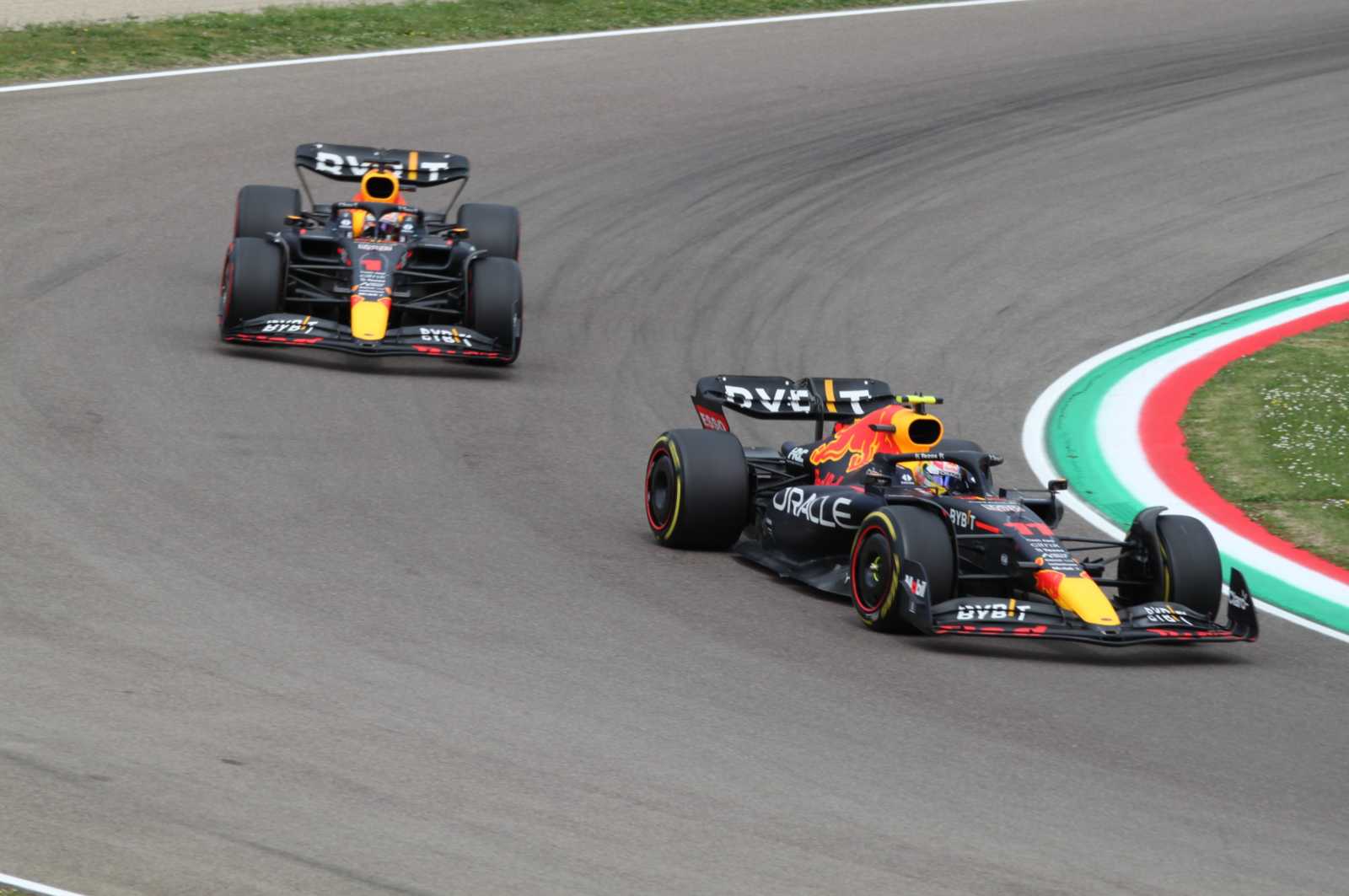
Credit: www.grixme.com
Speed Limits And Regulations
Speed limits and regulations shape how fast an F1 car can go on the track. These rules ensure races stay safe and fair for all drivers. The limits come from strict safety rules and technical guidelines. They also affect how teams plan their race strategies. Understanding these factors helps explain why F1 cars reach certain speeds.
Safety Measures
Safety is the top priority in Formula 1 racing. Speed limits exist to reduce accidents and protect drivers. Tracks have zones where cars must slow down, like pit lanes and corners. Drivers wear special suits and helmets to survive crashes. Cars have strong structures to absorb impact. These rules help keep speed under control and drivers safe.
Technical Restrictions
The FIA sets technical rules that limit car speed. Engine power and fuel flow are controlled. Aerodynamics must follow specific designs to avoid too much downforce or drag. Tires have limits on compounds and size. These restrictions keep cars balanced and prevent any team from gaining too much speed unfairly. Teams work hard to find speed within these limits.
Impact On Race Strategy
Speed limits affect how teams plan their race. Drivers must manage speed to avoid penalties. Teams decide when to push hard or save tires. Fuel management is crucial for fast laps. Sometimes, slowing down helps conserve resources for a strong finish. Strategy is about balancing speed with safety and rules to win races.
Notable Speed Milestones
Notable speed milestones highlight the incredible progress in Formula 1 racing. Speed records showcase the skill of drivers and the power of their cars. These milestones mark key moments in F1 history that fans cherish. They also show how technology and talent combine to push limits.
Fastest Laps In History
Fastest laps are thrilling moments that capture pure speed. The record for the fastest lap on a race track often changes. It depends on the circuit and weather conditions. Some tracks allow higher speeds due to longer straights.
- Michael Schumacher set one of the earliest fastest laps.
- Lewis Hamilton holds multiple fastest lap records.
- Current fastest laps often exceed average speeds over 160 mph.
These laps demonstrate the peak of car performance and driver skill.
Legendary Drivers And Their Records
Many drivers have made history with their speed feats. They became legends by breaking records on the track. Ayrton Senna was known for his incredible qualifying speed. Sebastian Vettel set records as the youngest pole sitter. Juan Pablo Montoya once reached speeds over 230 mph on a straight.
- Senna’s skill in wet conditions showed exceptional control at high speeds.
- Hamilton’s consistency led to many lap records.
- Vettel’s quick starts helped him dominate races.
These drivers pushed speed boundaries and inspired new generations.
Evolution Of Speed Over Decades
F1 cars have become faster with each decade. Early races in the 1950s saw speeds around 100 mph. By the 1980s, turbo engines pushed cars beyond 200 mph. Modern cars use hybrid technology for speed and efficiency.
| Decade | Average Top Speed (mph) | Key Technology |
|---|---|---|
| 1950s | 100-120 | Basic aerodynamics |
| 1980s | 200-220 | Turbocharged engines |
| 2000s | 210-230 | Advanced aerodynamics, electronics |
| 2020s | 220-240+ | Hybrid power units, improved tires |
Speed increases reflect new rules and innovation in F1.

Credit: racingnews365.com
Future Of F1 Speeds
The future of F1 speeds is shaping up to be as thrilling as the races themselves. With advancements in technology and a growing focus on sustainability, the limits of how fast these cars can go are constantly being pushed. But what exactly is coming next, and how will it affect the speed and performance on the track?
Emerging Technologies
New tech is constantly being tested to boost speed and control. Hybrid power units are becoming more efficient, combining electric motors with traditional engines to deliver bursts of extra power.
Innovations in aerodynamics also play a big role. Teams experiment with active aero parts that adjust during the race to reduce drag or increase downforce when needed.
Have you noticed how advanced tire compounds and suspension setups are improving grip? These small changes can shave seconds off lap times, proving that speed isn’t just about raw horsepower.
Sustainability And Performance
The push for greener racing is changing how F1 cars are built and driven. Sustainable fuels, like synthetic and biofuels, aim to lower emissions without sacrificing speed.
Carbon fiber recycling and eco-friendly manufacturing methods are becoming standard. This shift shows that you don’t have to choose between performance and protecting the environment.
Imagine cars that are both lightning-fast and eco-conscious. Could this balance become the new norm for F1?
Predictions For Upcoming Seasons
Expect to see cars breaking old speed records thanks to these technologies and sustainability efforts. The 2025 season could feature vehicles reaching speeds well beyond today’s limits.
Rule changes from the FIA will also impact how fast cars go. They often target safety and competition, which can either boost or slightly limit outright speed.
So, what speeds do you think we’ll see on the grid in the next few years? Will the thrill of acceleration continue to grow, or will other factors take the spotlight?
Frequently Asked Questions
How Fast Can A Formula 1 Car Go?
A Formula 1 car can reach speeds of around 220 mph (354 km/h) on straights. This speed depends on the track layout and conditions. The cars are engineered for optimal aerodynamics and power. These factors contribute to their exceptional speed capabilities on the track.
What Affects A Formula 1 Car’s Speed?
A Formula 1 car’s speed is influenced by aerodynamics, engine power, and tire performance. Track design and weather conditions also play significant roles. Teams continuously optimize car setups for maximum speed. Technical regulations ensure cars maintain safety standards while achieving high speeds.
How Do F1 Cars Achieve Such High Speeds?
F1 cars achieve high speeds through advanced aerodynamics and powerful engines. Lightweight materials and precision engineering also contribute. Teams invest in technology to enhance performance. This combination allows cars to maintain high speeds on various track types.
Are F1 Cars Faster Than Other Race Cars?
Yes, F1 cars are among the fastest race cars globally. Their advanced technology, aerodynamics, and engineering give them an edge. They often outperform other racing series in terms of speed. However, some specialized race cars in other series can match their speed on certain tracks.
Conclusion
F1 cars reach speeds over 230 miles per hour on straight tracks. Their design helps them stay stable while turning fast. Drivers need skill and focus to control these powerful machines. Speed depends on the track, weather, and car setup.
Racing teams work hard to make cars faster and safer. Watching an F1 race shows amazing speed and precision. These cars push technology and human limits every lap. Speed thrills, but safety remains a top priority in racing.