Have you ever wondered how much your microwave oven weighs? You’re not alone.
This everyday kitchen appliance is not just about reheating leftovers or making popcorn in seconds; its weight can actually impact your kitchen setup and even your safety. Imagine wanting to move your microwave to a more convenient spot, or needing to know if your kitchen shelf can support it.
Understanding the weight of your microwave could save you from potential mishaps. We’ll uncover the factors that influence a microwave’s weight and why it matters to you. Stay with us, and you’ll discover the surprising details that could change the way you think about this indispensable kitchen gadget.

Credit: www.amazon.ca
Microwave Oven Weight Range
Understanding the weight range of microwave ovens can help you decide which model fits your kitchen space and lifestyle. Microwave ovens vary widely in weight depending on their size and power. Knowing the typical weight categories will save you from surprises when moving or installing your microwave.
Compact Models
Compact microwaves usually weigh between 10 to 15 pounds (4.5 to 7 kg). These small units are perfect if you have limited counter space or need a lightweight option for easy relocation.
If you often move apartments or prefer a minimal kitchen setup, a compact microwave might be ideal. Despite their size, they still pack enough power for everyday reheating and simple cooking tasks.
Standard Sizes
Standard microwave ovens generally weigh from 20 to 35 pounds (9 to 16 kg). These are the most common sizes found in many households, balancing power and size effectively.
They offer more cooking space and features than compact models. If you cook regularly and want versatility without sacrificing counter space, this weight range is a practical choice.
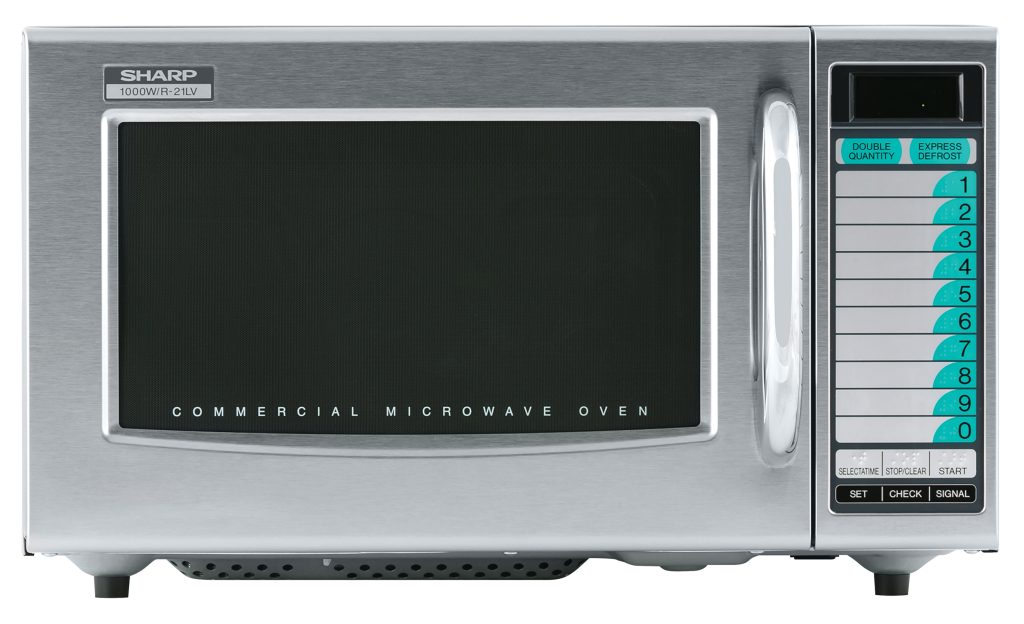
Large And Commercial Units
Large or commercial microwaves can weigh over 40 pounds (18 kg) and sometimes reach 60 pounds (27 kg) or more. These models are built for heavy use and larger food portions.
Think about your kitchen setup before choosing one; these units require sturdy countertops or dedicated shelves. If you run a small business or cook for a big family, their size and weight might be worth the extra effort.
Factors Influencing Microwave Weight
The weight of a microwave oven varies widely, and understanding the factors behind this can help you choose the best model for your kitchen. Several elements come into play, from what the microwave is made of to the features it offers. Knowing these can save you from surprises when moving or installing your new appliance.
Materials Used
The materials used in the microwave’s construction significantly affect its weight. Most microwaves have a steel or aluminum outer shell, which adds sturdiness but also adds weight.
Some budget models use thinner metals or plastic components, making them lighter but less durable. If you’ve ever lifted a microwave that felt surprisingly heavy, the metal thickness and quality could be why.
Internal Components
Inside the microwave, several parts contribute to its overall weight. The magnetron, which generates the microwaves, is one of the heaviest components.
Other parts like the transformer and the turntable motor also add to the weight. More powerful microwaves often have bigger or additional internal parts, making them heavier than basic models.
Design And Features
Design choices and added features can increase a microwave’s weight. Models with convection ovens, grilling options, or built-in sensors usually weigh more due to extra components.
Compact microwaves designed for simplicity tend to be lighter, while larger ones with advanced control panels and glass doors add bulk. Ask yourself: do you need all these extra features, or would a lighter, simpler model work better for your space?
Weight Comparison With Other Kitchen Appliances
Understanding the weight of a microwave oven helps when arranging kitchen space. Comparing it with other appliances shows where it stands in terms of heaviness. This comparison can guide your choices for countertop or storage use.
Toasters
Toasters are generally lighter than microwave ovens. A typical toaster weighs between 2 to 4 pounds. Microwaves usually weigh from 20 to 50 pounds. Toasters take up less space and are easier to move.
Blenders
Blenders vary in weight but are mostly lighter than microwaves. Most blenders weigh around 5 to 10 pounds. Heavy-duty blenders may weigh more but still less than many microwaves. Blenders are compact and easier to store or carry.
Air Fryers
Air fryers have a weight similar to smaller microwave ovens. They usually weigh between 15 to 25 pounds. Larger air fryers can weigh as much as some microwaves. They are moderately heavy but still manageable for most kitchens.

Credit: shop.sharpusa.com
How Weight Affects Portability
The weight of a microwave oven directly impacts how easy it is to move and place in your kitchen. A heavier microwave can be tough to lift and shift. This affects where you can install it and how often you might want to relocate it. Portability matters, especially for small kitchens or rental homes.
Moving And Installation
Heavy microwaves need more effort and care during moving. They might require two people to lift safely. Installation can be tricky if the microwave is bulky and heavy. Wall-mounted or built-in models often weigh more, needing professional help. Lightweight microwaves are easier to place on shelves or counters without strain.
Countertop Space Considerations
Microwave weight often relates to size and design. Larger, heavier models take up more countertop space. This limits room for other kitchen tools and appliances. A lighter, compact microwave fits better in small spaces. Choosing the right weight helps keep your kitchen organized and functional.
Tips For Choosing The Right Weight Microwave
Choosing the right weight for your microwave oven can make a big difference in your kitchen experience. A microwave that’s too heavy might be tough to move or install, while one that’s too light could feel flimsy or less durable. Knowing how to balance these factors helps you pick a model that fits your space and lifestyle perfectly.
Balancing Size And Weight
Think about the space where your microwave will live. Larger microwaves usually weigh more, but they offer more cooking capacity. If your kitchen counter is small, a heavy, bulky microwave might crowd the area and limit your movement.
Look for a microwave that fits comfortably without overwhelming your counter. This balance ensures it’s easy to handle but still meets your cooking needs. Have you measured your space recently? That simple step often saves frustration later.
Considering Usage Needs
How often do you use your microwave, and for what? If you heat food several times a day, a sturdy, well-built microwave with some weight can feel more stable and reliable. On the other hand, if you only use it occasionally, a lighter model might be easier to move or store.
Think about portability too. Do you want to take your microwave to a new spot sometimes? A microwave weighing around 20 to 30 pounds hits a sweet spot for many users—heavy enough to stay put but light enough to move when needed.
Evaluating Durability
Weight often hints at the build quality. Microwaves with metal interiors and solid frames tend to weigh more but last longer. Cheaper models may be lighter but might not withstand frequent use over time.
Consider how long you want your microwave to last. Investing in a slightly heavier, more durable model can save you money and hassle in the long run. What’s more important to you: ease of movement or lasting durability? Your answer will guide your choice.
Credit: www.danby.com
Frequently Asked Questions
How Heavy Is A Standard Microwave Oven?
A standard microwave oven typically weighs between 20 to 30 pounds. Weight varies by size and model. Compact models weigh less, while larger ones can be heavier.
Does Microwave Weight Affect Countertop Space?
Yes, heavier microwaves are usually larger and occupy more countertop space. Consider weight to balance size and kitchen space efficiently.
What Factors Influence A Microwave Oven’s Weight?
Weight depends on size, materials, and additional features. Metal components and advanced functions add to the overall weight.
Can Microwave Weight Impact Installation Options?
Yes, heavier microwaves may require sturdy surfaces or wall mounts. Check weight limits before installing to ensure safety and stability.
Conclusion
Microwave ovens come in different weights, depending on size and features. Most weigh between 15 and 40 pounds. Small models are lighter and easier to move. Larger ones are heavier but offer more space and power. Knowing the weight helps when buying or installing your microwave.
It also helps you plan for safe handling. Choose a microwave that fits your kitchen and lifestyle. Remember, weight is just one part of your decision. Consider size, power, and price too. This way, you get the best microwave for your needs.