Are you tired of cooking smells lingering in your kitchen? Wondering why your range hood isn’t doing its job?
The secret might just lie in its height. Knowing how high your range hood should be from the stove is crucial for optimal performance. Not only does it affect the effectiveness of smoke and odor removal, but it also impacts your safety and cooking experience.
You’ll discover the perfect height to maximize your range hood’s efficiency. With a few simple adjustments, you can transform your kitchen into a fresher, more inviting space. Keep reading to uncover the ideal setup that will enhance both your cooking and your home’s atmosphere.
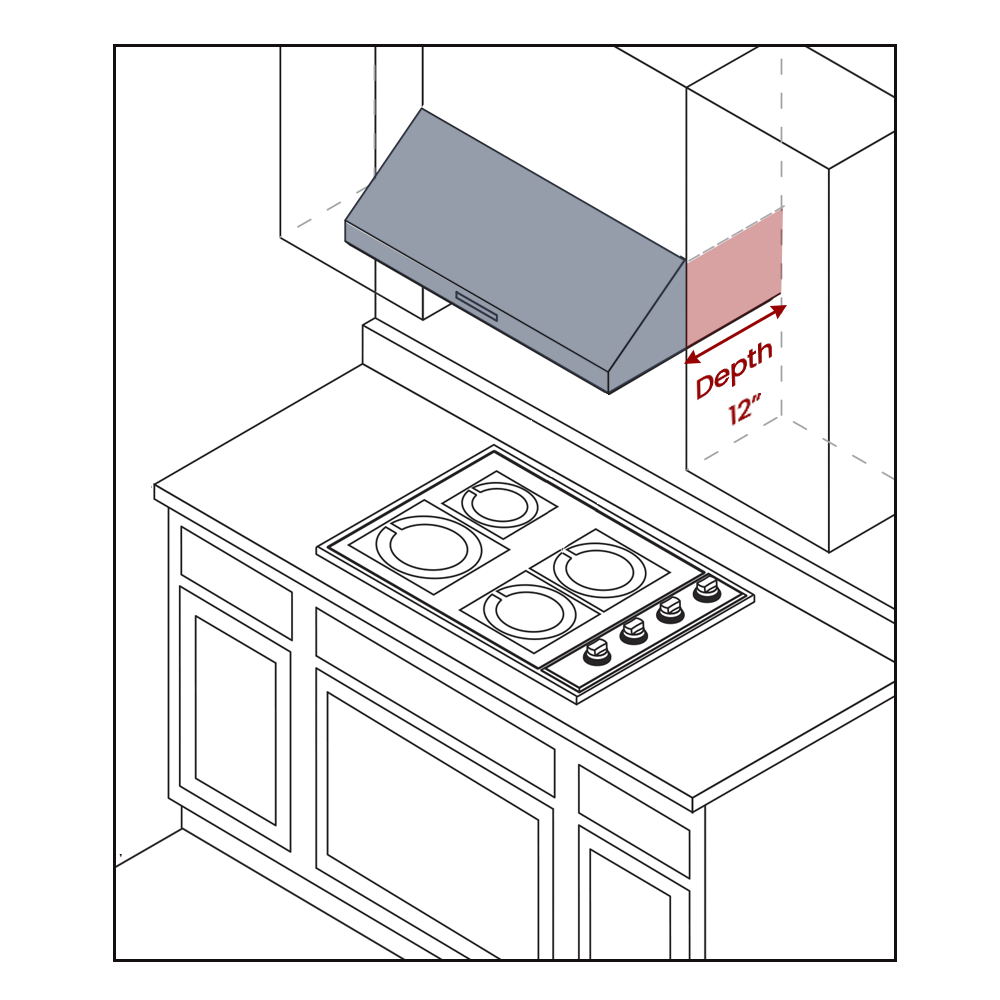
Credit: www.2pacific.com
Ideal Range Hood Height
Setting the ideal height for a range hood above the stove is crucial. It affects how well the hood removes smoke, steam, and cooking odors. The right distance ensures safety, efficiency, and easy cleaning. Too high, and the hood loses suction power. Too low, and it could catch fire or get damaged. Different stove types need different hood heights.
Recommended Distance For Gas Stoves
Gas stoves produce open flames and more heat. The range hood should be higher to avoid fire risks. Experts suggest installing the hood between 24 and 30 inches above the gas stove. This distance keeps the hood safe from flames while capturing smoke effectively. It also prevents grease buildup on the hood due to heat.
Recommended Distance For Electric Stoves
Electric stoves generate less heat and no open flames. This allows the range hood to be installed closer. The ideal height is between 20 and 24 inches above the stove surface. This shorter distance helps the hood trap steam and odors quickly. It also makes the hood easier to reach for cleaning and maintenance.
Factors Affecting Range Hood Placement
Choosing the right height for a range hood above the stove depends on several important factors. These factors ensure the hood works well and fits your kitchen design. Understanding them helps you place the hood at the best height for cooking and safety.
Ceiling Height And Kitchen Layout
Ceiling height limits how high the hood can be installed. Low ceilings may require a lower hood placement. High ceilings allow more flexibility but need proper height for effective ventilation.
The kitchen layout also affects placement. Islands or wall-mounted stoves need different hood heights. The hood should fit well with cabinets and other appliances.
Hood Type And Size
The hood’s style affects its height. Wall-mounted hoods usually install higher than island hoods. Under-cabinet hoods fit directly below cabinets and need less space.
Size matters too. Larger hoods cover more stove area but require enough clearance. Smaller hoods need to be closer to capture smoke effectively.
Ventilation Requirements
Proper ventilation depends on the hood’s power and airflow. Stronger hoods can be installed higher while still removing smoke well. Weaker hoods need to be closer to the cooking surface.
Local building codes may set minimum and maximum heights. Always check these rules to ensure safety and performance.
Consequences Of Incorrect Hood Height
Placing your range hood at the wrong height above your stove can lead to several problems that affect both your cooking experience and kitchen safety. Too high or too low, and you risk losing the hood’s effectiveness and creating new issues you might not expect. Understanding these consequences helps you choose the right height and avoid costly fixes later.
Reduced Ventilation Efficiency
If your range hood is too high, it won’t capture smoke, steam, and odors effectively. The pollutants have more space to spread, making it harder for the hood to pull them out.
On the other hand, if the hood is too low, it may block your view or interfere with cooking, but more importantly, it can restrict airflow. This limits how well the hood ventilates your kitchen.
Have you noticed lingering smells after cooking? That’s often a sign the hood isn’t placed at the right height.
Increased Noise Levels
Incorrect hood height can cause your ventilation system to work harder, producing more noise. A hood placed too high forces the fan to run at higher speeds to pull in air.
Similarly, a hood too close to the stove may cause vibrations and rattling noises from cooking pots and pans. This can make your kitchen feel less comfortable and more distracting.
Think about how often you tolerate loud kitchen noise—would a quieter, properly installed hood improve your cooking time?
Safety Concerns
Safety risks grow when the hood is positioned improperly. A hood too low could become a fire hazard if it’s close to flames or hot surfaces.
Also, inadequate ventilation from a poorly placed hood increases the chance of carbon monoxide buildup or smoke lingering in the kitchen. This can affect your health and safety.
Are you aware of the minimum clearance recommended by manufacturers? Ignoring this could put you and your family at risk.
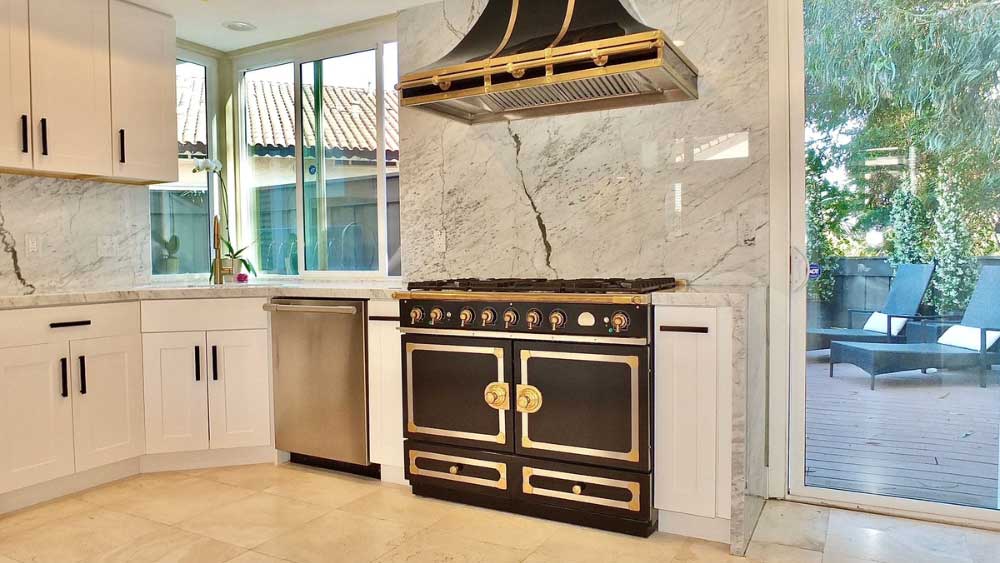
Credit: blog.yaleappliance.com
Measuring And Installing The Range Hood
Measuring and installing your range hood correctly is crucial for both safety and efficiency. The height between the stove and the hood affects how well smoke, steam, and odors are captured. Getting these measurements right ensures your kitchen stays fresh and your cooking comfortable.
Tools Needed For Accurate Measurement
Gathering the right tools makes the process smoother and more precise. You will need a tape measure to get exact distances. A pencil and masking tape help mark spots without damaging surfaces.
A level ensures the hood sits perfectly straight, preventing uneven airflow or installation issues. A stud finder is essential if you want to secure the hood into wall studs for better support. Finally, having a drill and screwdriver ready will speed up the installation.
Step-by-step Installation Tips
Start by measuring the distance from your stovetop to the bottom edge of the hood. Most manufacturers recommend a height between 24 and 30 inches, but check your model’s guidelines carefully.
Mark the wall where the hood brackets will be installed. Use a stud finder to locate studs for stronger mounting points. If no studs are available, make sure to use appropriate wall anchors to hold the weight.
Double-check your measurements before drilling any holes. Once the brackets are secure, lift the hood carefully and attach it to the mounts. Connect the ductwork and electrical wiring according to safety codes.
After installation, test the hood to ensure it ventilates properly without vibrations or noise. Did you notice how small measurement errors can affect both the hood’s performance and your cooking experience? Taking your time here pays off in the long run.
Adjusting Hood Height For Different Cooking Styles
Adjusting the height of your range hood depends on the type of cooking you do. Different cooking styles produce varying amounts of smoke, steam, and heat. Setting the hood at the right height helps capture these emissions efficiently. It also protects your kitchen from lingering smells and grease buildup.
Range hood height affects ventilation performance and safety. If the hood is too low, it may interfere with cooking and cause burns. Too high, and it might not capture fumes well. Finding the right balance improves air quality and keeps your kitchen cleaner.
High-heat Cooking Considerations
High-heat cooking creates more smoke and fumes. This includes frying, grilling, or searing at very hot temperatures. For these activities, place the range hood closer to the stove.
- Recommended height: 24 to 30 inches above the cooking surface
- Closer placement captures smoke and grease better
- Prevents heat from damaging the hood or surrounding cabinets
Keeping the hood near the stove improves ventilation speed. It reduces smoke spread and keeps the kitchen air fresh.
Low-heat Or Simmering Adjustments
Low-heat cooking produces less smoke and steam. Simmering, boiling, or slow cooking create mild fumes. The range hood can be installed slightly higher for these tasks.
- Recommended height: 28 to 36 inches above the cooking surface
- Allows better headroom and more comfortable cooking
- Maintains adequate ventilation without over-extraction
Raising the hood in low-heat cooking prevents unnecessary noise. It also saves energy and avoids drafts around the cooking area.
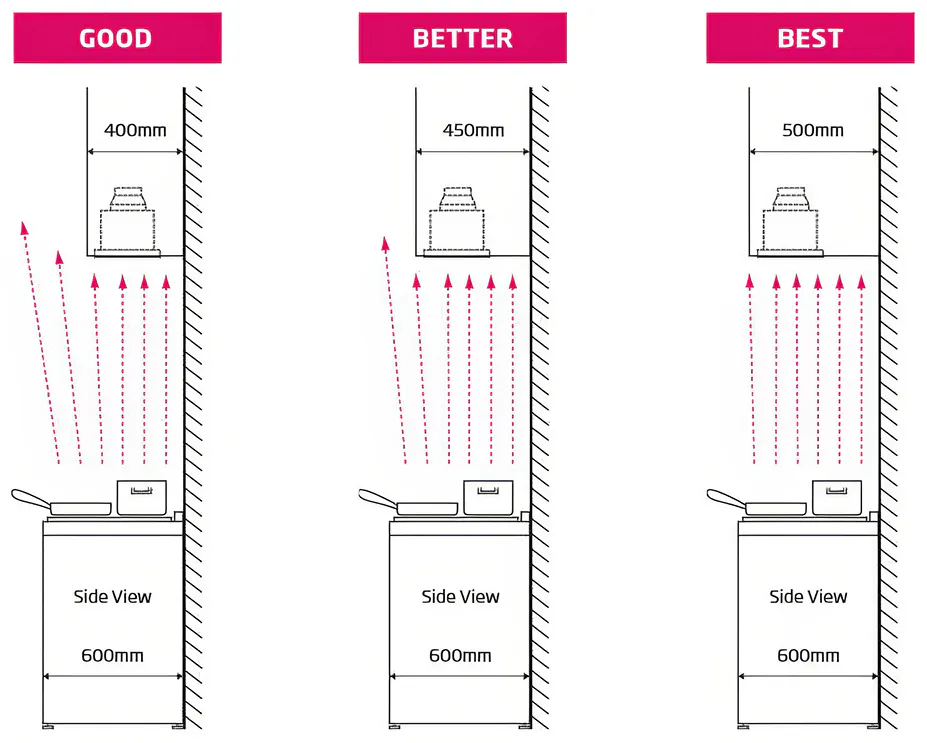
Credit: www.sydneyrangehoods.com.au
Frequently Asked Questions
How High Should A Range Hood Be From The Stove?
A range hood should be installed 24 to 30 inches above the stove. This distance ensures efficient smoke and odor capture without interfering with cooking.
Why Is Proper Range Hood Height Important?
Correct height improves ventilation efficiency and safety. If too low, it blocks cooking space; if too high, it reduces smoke extraction.
Can Range Hood Height Vary By Stove Type?
Yes, gas stoves usually need 27 to 30 inches, while electric stoves can have the hood 24 to 27 inches above.
What Happens If The Range Hood Is Too High?
If too high, the hood struggles to capture smoke and odors, reducing air quality and ventilation effectiveness in your kitchen.
Conclusion
Choosing the right height for your range hood matters a lot. It helps clear smoke and smells fast. Too high, and it won’t work well. Too low, and it may block your view or cause heat problems. Most experts say between 24 and 30 inches is best.
This range keeps your kitchen fresh and safe. Remember, a good range hood makes cooking more comfortable. Keep these tips in mind for a cleaner, healthier kitchen space. Simple steps, better air.