
When it comes to setting up your kitchen, one detail often gets overlooked: how high your hood should be above your range. You might think it’s just about looks, but the height affects how well your hood removes smoke, steam, and cooking odors.
Too low, and it could get in your way; too high, and it won’t do its job properly. Getting this right can make cooking more comfortable and keep your kitchen fresher. You’ll discover the ideal height for your hood and why it matters to your cooking experience.
Keep reading to make sure your kitchen works perfectly for you.
Ideal Hood Height
The ideal hood height above the range plays a key role in kitchen safety and efficiency. Setting the correct distance ensures smoke, steam, and odors get captured effectively. It also helps maintain good airflow without causing discomfort during cooking.
Choosing the right height depends on several factors, including the type of stove and hood. A well-placed hood improves ventilation and keeps the kitchen air clean.
Standard Height Guidelines
Most manufacturers recommend installing the hood between 24 and 30 inches above the cooking surface. This range suits electric and gas ranges in most homes. For electric stoves, 24 to 30 inches works well. Gas ranges often need 27 to 30 inches to avoid heat damage.
Below 24 inches, there is a risk of heat damage and limited space for cooking. Above 30 inches, the hood may lose efficiency in capturing smoke and grease.
Factors Affecting Height
- Type of Range:Gas ranges produce more heat and need higher placement.
- Hood Style:Wall-mounted, island, and under-cabinet hoods have different height needs.
- Ceiling Height:Higher ceilings may require adjustments to maintain effectiveness.
- Cooking Habits:Frequent high-heat cooking may call for a higher hood.
Keep these factors in mind to find the best hood height for your kitchen. Proper installation improves air quality and cooking comfort.
Safety Considerations
Safety considerations are crucial when installing a range hood. The right height ensures safety, reducing risks and improving air quality. Let’s explore key safety aspects.
Preventing Fire Hazards
Maintaining the correct distance from the range prevents fire risks. A hood too close can catch fire from cooking flames. Typically, a height of 24 to 30 inches is safe. This height balances efficiency and safety. Regular cleaning also reduces grease buildup, lowering fire risks.
Ensuring Proper Ventilation
A well-placed hood ensures effective air circulation. Proper ventilation removes smoke, odors, and heat from the kitchen. This prevents poor air quality and keeps your kitchen comfortable. A hood at the right height captures air efficiently. Ensure the exhaust system is clear and functional.
Style And Aesthetics
Style and aesthetics play a big role in choosing the right height for your kitchen hood. The hood should not only work well but also look good in your kitchen. A well-placed hood can enhance the overall feel of your space. It can blend in or stand out as a stylish feature. The height above the range affects how the hood looks and fits with your kitchen design.
Matching Hood To Kitchen Design
Choose a hood that fits your kitchen’s style. For modern kitchens, sleek and minimal hoods work best. In traditional kitchens, a hood with classic shapes and materials suits well. The height should keep the hood proportional to cabinets and appliances.
Consider these points:
- Keep the hood’s size balanced with the range width.
- Match colors and finishes to other kitchen elements.
- Align the hood height with cabinet lines for a neat look.
Balancing Function And Appearance
The hood must remove smoke and odors effectively. Too high, and it won’t capture fumes well. Too low, and it might block your view or look bulky.
Set the height so it:
- Clears the cook’s head and hands easily.
- Allows good air suction without noise or vibration.
- Keeps the kitchen open and airy.
Good placement makes the hood both useful and attractive. It keeps the kitchen comfortable and stylish at the same time.
Measuring Tips
Measuring the height of a range hood is essential for proper installation. Correct height ensures efficient smoke and odor removal. It also keeps your kitchen safe and clean. Taking accurate measurements helps you avoid mistakes and extra costs. Follow these simple tips for precise measurement.
Tools Needed
- Measuring tape or ruler
- Step ladder or stool
- Level tool to check evenness
- Pen and paper for notes
- Assistant for easier handling (optional)
Step-by-step Measurement
Start by turning off any power near the cooking area. Place the step ladder or stool near the range. Use the measuring tape to measure from the cooktop surface to the bottom of the hood. Keep the tape straight and avoid bending it.
Note the distance carefully. Check if the hood is level using the level tool. Measure the width of the cooking range to ensure proper hood coverage. Write down all measurements clearly. Repeat measurements if unsure to confirm accuracy.
Common Mistakes
Getting the height of your range hood just right can make a big difference in how well it works. Many people make simple mistakes that reduce the hood’s effectiveness or even cause safety issues. Knowing what to avoid will help you get the best performance from your kitchen setup.
Too High Or Too Low Placement
Placing the hood too high means it won’t catch smoke and steam effectively. You might think more clearance is better, but this often lets cooking fumes escape into the room. On the other hand, putting the hood too low can make cooking uncomfortable and risky.
I once installed a hood too close to the stovetop, and it made cooking frustrating because I had to duck under it constantly. Plus, the heat damaged the hood’s finish over time. Finding the right balance is key—usually between 24 to 30 inches above the range, but it depends on your specific model.
Ignoring Manufacturer Recommendations
Every range hood comes with guidelines on the ideal height based on its design and power. Ignoring these instructions can void warranties and reduce the hood’s ability to remove smoke and odors. Some hoods need more clearance because of stronger airflow, while others are made for lower mounting.
Think about it like this: would you ignore the manual when assembling expensive furniture? The same care should apply here. Double-check the manufacturer’s advice before installation to avoid costly mistakes and get the best results.
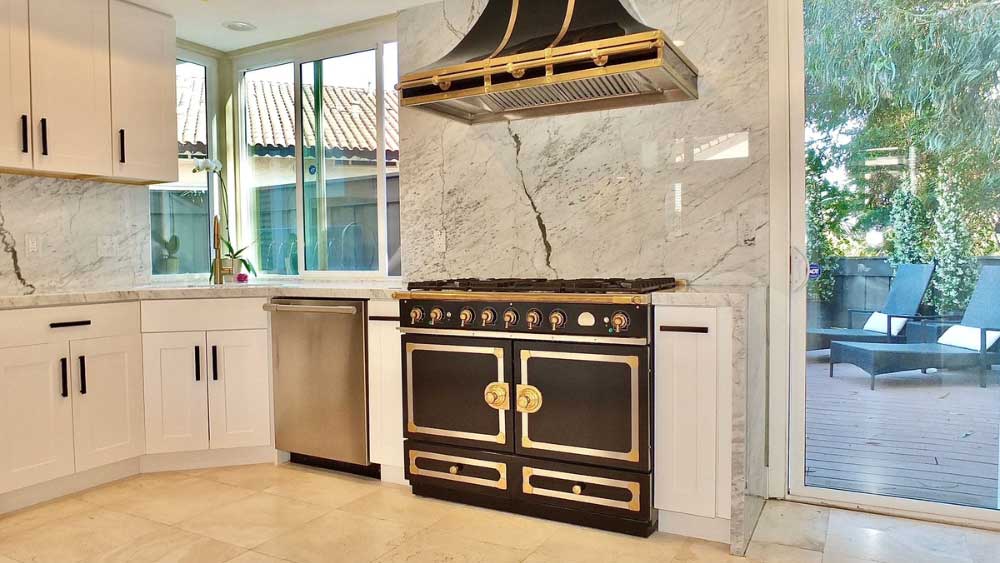
Credit: blog.yaleappliance.com
Adjusting For Different Range Types
Adjusting the hood height depends on the type of range you have. Different ranges produce different heat and smoke levels. This affects how high the hood should be installed. Proper height improves ventilation and safety. It also helps keep your kitchen clean and odor-free.
Gas Vs Electric Ranges
Gas ranges produce open flames and more heat. They release more smoke, grease, and fumes. The hood should be closer to capture these effectively. A height of 24 to 30 inches above the gas range is ideal.
Electric ranges generate less heat and no flames. They produce fewer fumes and smoke. The hood can be installed a bit higher. A height of 28 to 36 inches above an electric range works well.
Choosing the right height improves air quality and hood performance. It also ensures safety by preventing heat damage to the hood.
Commercial Vs Residential Hoods
Commercial hoods are built for heavy cooking and high heat. They require a lower height to capture strong smoke and grease. Usually, 24 to 30 inches above the cooking surface is recommended.
Residential hoods are designed for lighter use. They can be installed higher because cooking intensity is lower. A height of 28 to 36 inches is common for home kitchens.
Commercial hoods often have more powerful fans. This allows some flexibility in height, but safety and efficiency come first. Proper installation maintains kitchen comfort and meets fire codes.
Installation Best Practices
Proper installation of a range hood ensures safety and efficiency. It affects how well the hood removes smoke, steam, and odors. Correct height and secure placement prevent damage and improve performance. Following best practices leads to a cleaner kitchen environment and longer appliance life.
Professional Vs Diy Installation
Professional installation guarantees the hood fits perfectly. Experts measure the height and secure the unit safely. They know local codes and venting rules. This reduces risks of leaks or poor airflow.
DIY installation saves money but requires careful attention. Homeowners must follow instructions and measure twice. Mistakes can cause noise, poor ventilation, or damage. Tools and basic skills are necessary for a solid setup.
Securing And Sealing The Hood
Secure the hood firmly to the wall or cabinet. Use strong brackets or screws suitable for the hood’s weight. Loose hoods can fall or vibrate excessively.
Seal all gaps around the vent and hood edges. Use heat-resistant caulk or tape designed for kitchen appliances. Proper sealing stops air leaks and improves venting efficiency.
- Check for gaps after installation
- Replace old or worn-out seals
- Inspect seals regularly for damage
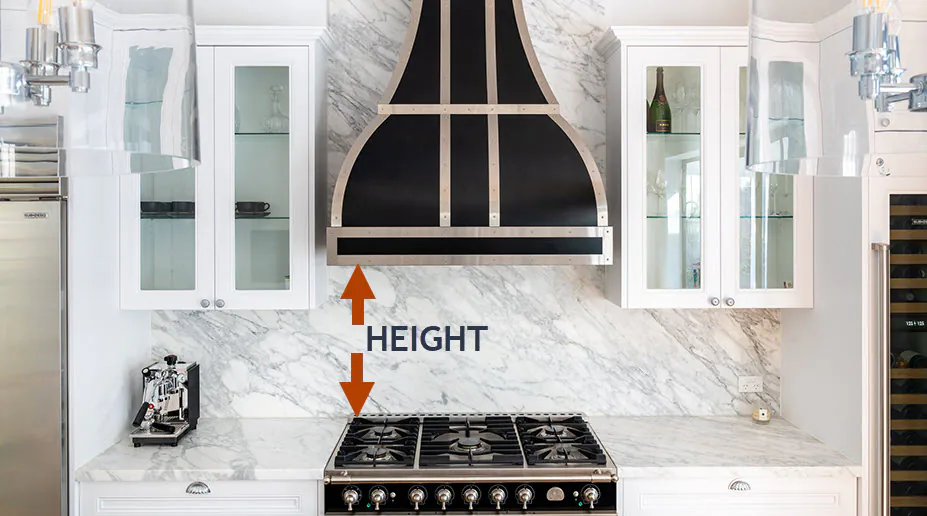
Credit: www.sydneyrangehoods.com.au
Maintenance And Upkeep
Proper maintenance keeps your range hood working well and safe. Dirt and grease build up over time. This blocks airflow and reduces efficiency. Regular care helps avoid costly repairs and fire risks. It also keeps your kitchen fresh and clean.
Cleaning Frequency
Clean the hood filters every month. Grease collects quickly and slows down airflow. Wash metal filters in warm soapy water. For charcoal filters, replace them every 3 to 6 months. Wipe the hood surface weekly with a damp cloth. Use mild detergent to remove grease and stains. Avoid harsh chemicals that damage the finish.
Checking For Proper Airflow
Check airflow regularly to ensure the hood works well. Turn on the fan and hold a piece of tissue near the vent. The tissue should stick to the vent, showing good suction. If airflow is weak, inspect filters and ducts for clogs. Clear any blockages to improve performance. Consider professional service yearly to check the entire system.
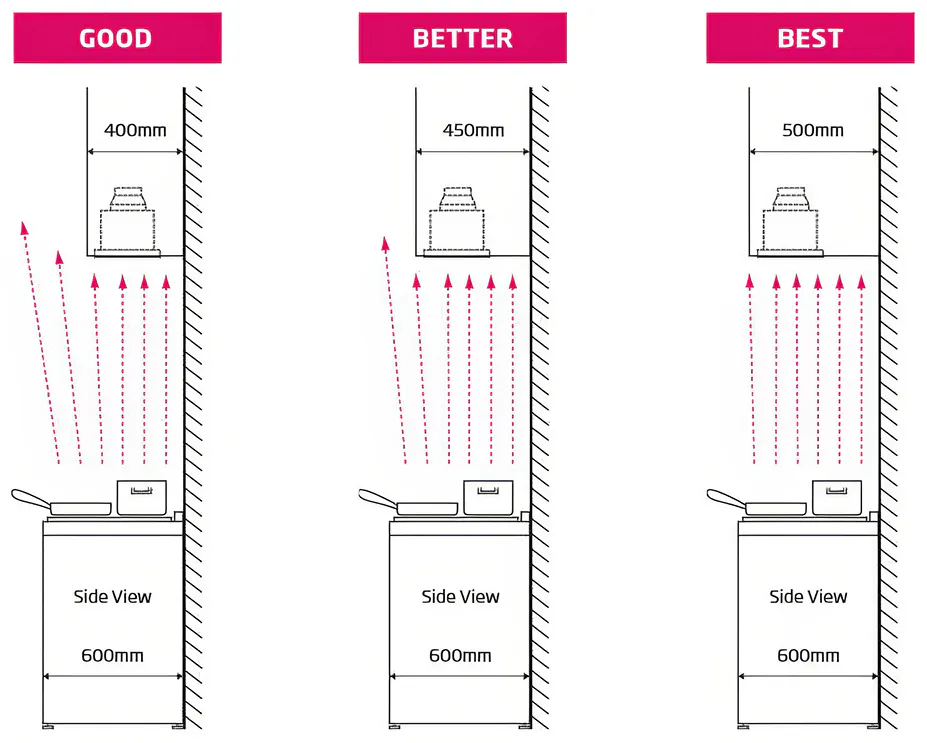
Credit: www.sydneyrangehoods.com.au
Frequently Asked Questions
How High Should A Range Hood Be Installed?
A range hood should be installed 24 to 30 inches above the cooking surface. This height ensures optimal smoke and odor capture while maintaining safety and efficiency.
Why Is The Height Of The Hood Above Range Important?
Proper height ensures effective ventilation, preventing smoke buildup. Too high reduces efficiency; too low risks fire hazards and obstructs cooking.
Can The Hood Height Vary By Stove Type?
Yes, electric and gas stoves may require different hood heights. Gas ranges often need hoods installed slightly higher due to stronger heat and flames.
What Happens If The Hood Is Too Low?
If installed too low, the hood may interfere with cooking and pose a fire risk. It can also block your view of the stove.
Conclusion
Choosing the right height for your hood makes cooking safer and cleaner. Keep the hood 24 to 30 inches above the range for best results. This height helps remove smoke, steam, and odors quickly. Too low risks fire and too high reduces efficiency.
Proper installation improves kitchen air quality and comfort. Simple steps lead to better cooking experiences every day. Remember, a well-placed hood protects your kitchen and keeps it fresh.