When it comes to creating a safe and efficient kitchen, the height of your range hood over the stove is a crucial detail. You might be wondering why the height matters so much.
Well, it’s not just about aesthetics or following a trend. It’s about ensuring that your kitchen remains a haven for delicious creations without the hassle of smoke or lingering odors. Imagine cooking your favorite meal, only to be interrupted by a cloud of steam that sets off your smoke alarm.
Frustrating, right? Getting the height of your range hood just right can prevent such disruptions and keep your cooking environment comfortable and enjoyable. So, how high should your range hood be over your stove to achieve the best results? Stick with us, and you’ll discover the perfect balance between functionality and style, ensuring your kitchen remains the heart of your home.
Ideal Height Range
The ideal height for a range hood over a stove plays a crucial role in kitchen ventilation. It affects how well smoke, steam, and odors get removed. Setting the right height ensures efficient air capture without disrupting cooking comfort. Too low or too high can reduce the hood’s performance.
Minimum And Maximum Heights
Range hoods have height limits based on safety and function. The minimum height is usually 24 inches above the stove. This prevents heat damage and allows proper airflow. The maximum height is around 30 to 36 inches. Higher placement weakens the hood’s ability to capture smoke and steam.
Staying within this range balances ventilation and user comfort. The exact height depends on the hood’s power and kitchen layout.
Variations By Stove Type
Different stove types require different hood heights. Gas stoves produce more heat and flames. Range hoods over gas stoves should be closer, around 24 to 30 inches. Electric and induction stoves generate less heat. Their hoods can be placed slightly higher, up to 36 inches.
Consider the stove’s size and cooking habits. Large stoves might need a lower hood for full coverage. Smaller stoves allow more flexibility in height placement.

Credit: www.2pacific.com
Factors Affecting Placement
Deciding how high to place your range hood above the stove isn’t just about following a rule of thumb. Several factors influence the ideal height, each impacting the hood’s effectiveness and your cooking experience. Understanding these factors helps you find the right balance between performance and comfort in your kitchen.
Kitchen Layout
Your kitchen’s design plays a big role in where the range hood should be installed. If you have a compact kitchen, space constraints might force you to adjust the height differently than in a large, open kitchen. Consider nearby cabinets, lighting, and the type of stove you have—gas or electric—as these elements affect hood placement.
For example, a gas stove often requires a slightly higher hood to prevent heat damage to the hood, while an electric stove can allow for a lower placement. Have you noticed how some kitchens have hoods tucked between cabinets while others have them hanging from the ceiling? This difference changes how you measure the height above the stove.
Ventilation Requirements
Ventilation needs are critical when deciding the range hood height. The hood must capture smoke, steam, and odors efficiently, which means it should be close enough to the cooking surface to pull everything upward. However, if it’s too close, the heat can damage the hood or reduce airflow.
Manufacturers often recommend a height range between 24 to 30 inches for electric stoves and 28 to 36 inches for gas stoves. But these numbers can vary based on the hood’s power and ducting system. Have you checked your hood’s airflow capacity (CFM)? This will affect how high or low you can mount it without losing suction power.
User Comfort
Your comfort while cooking matters more than you might think. If the range hood is too low, it can obstruct your view and hit your head when you lean forward. Too high, and it becomes less effective at capturing smoke and smells.
Think about your height and cooking style. Do you often use large pots or high flames? Adjust the hood height to avoid interference but keep it effective. Ask yourself: Will you still feel comfortable reaching the controls and cleaning the hood regularly at this height?
Measuring For Installation
Measuring the height for a range hood installation is key to its performance. Proper measurements ensure the hood captures smoke and odors efficiently. It also keeps the stove area safe and comfortable. Taking accurate measurements prevents costly errors and makes installation smoother.
Tools Needed
- Tape measure
- Level
- Pencil or marker
- Step ladder
- Stud finder
- Masking tape
Step-by-step Guide
- Clear the area above the stove and prepare your tools.
- Use the tape measure to find the distance from the stove surface to the bottom of the cabinet or wall where the hood will go.
- Mark this height with a pencil or masking tape.
- Check the level to ensure your markings are straight across the wall.
- Measure the width of the stove to match the range hood size.
- Locate the wall studs with a stud finder to support the hood securely.
- Double-check all measurements before drilling or mounting anything.
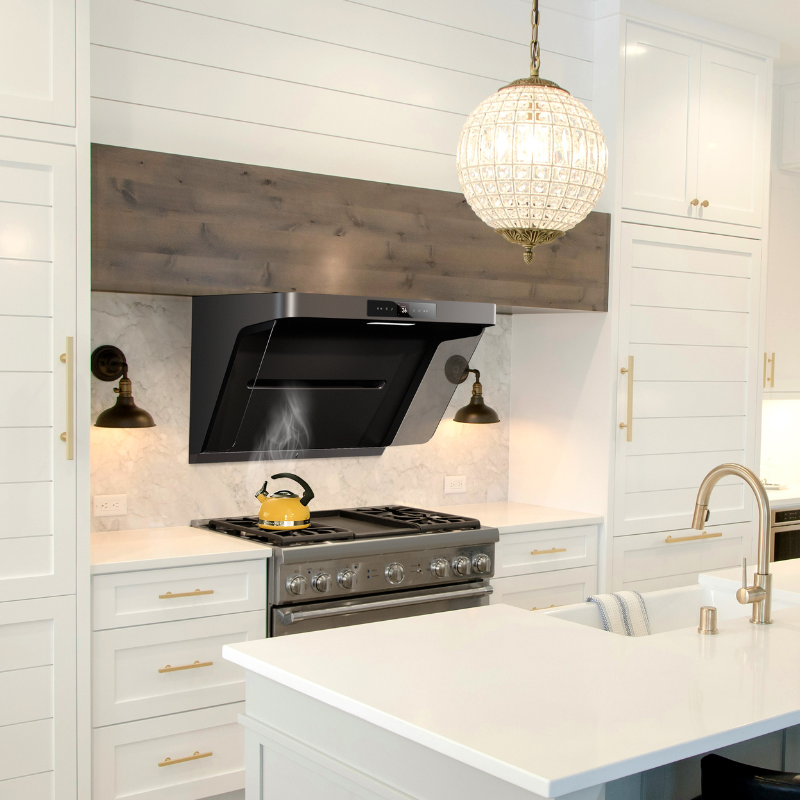
Credit: us.cleadeep.com
Common Mistakes To Avoid
Placing a range hood at the right height is crucial for its effectiveness. Many people make mistakes that reduce the hood’s performance. These errors can cause poor ventilation, increased noise, or even safety risks. Avoiding common placement mistakes ensures better air quality and a safer kitchen.
Too High Placement
Mounting the range hood too high reduces its ability to capture smoke and odors. The higher it is, the less effective the suction becomes. This leads to lingering smells and greasy buildup on kitchen surfaces. Also, the fan may need to work harder, causing more noise and energy use.
Too Low Placement
Placing the hood too low can block your view and make cooking uncomfortable. It also increases the risk of heat damage to the hood. A low hood may trap steam and grease more effectively, but it can interfere with your cooking space. Proper clearance is needed for safety and comfort.
Adjusting For Different Stove Types
Adjusting the range hood height depends on the stove type. Different stoves produce heat and fumes differently. This affects how close the hood should be. Proper height ensures efficient smoke and odor removal. It also keeps the cooking area safe and comfortable.
Gas Vs Electric Stoves
Gas stoves produce open flames and more heat. The range hood should be higher to avoid heat damage. The recommended height is usually between 24 and 30 inches above the stove. This distance allows the hood to capture smoke and flames well. It also prevents overheating the hood components.
Electric stoves generate less heat on the surface. The hood can be installed closer, typically 20 to 24 inches above. This closer distance improves smoke and steam capture. It also keeps the hood within easy reach for cleaning and maintenance.
Induction Cooktops
Induction cooktops heat pots directly without flame or hot coils. They produce less ambient heat and no open flames. The hood can be placed lower, about 20 to 24 inches above the cooktop. This helps capture steam and odors effectively. Lower placement also keeps the kitchen stylish and functional.
Induction cooktops cool quickly. A hood too high may miss quick bursts of steam. Proper height placement ensures better ventilation and energy efficiency.
Maintenance And Accessibility
Proper maintenance and easy access are key for any range hood. Keeping it clean and functional helps it work better and last longer. The right height over the stove makes cleaning and filter changes simpler. This saves time and effort in the kitchen.
Cleaning Tips
Clean the hood surface often to avoid grease build-up. Use mild soap and warm water for best results. Avoid harsh chemicals that can damage the finish. Wipe down the hood after every few uses to keep it fresh. Regular cleaning stops smoke and odors from sticking around.
Ease Of Filter Replacement
Filters must be easy to remove and replace. Choose a height where you can reach the filters without strain. Metal filters can be washed in warm, soapy water or a dishwasher. Charcoal filters need replacement every few months. Easy access means you will maintain the hood more often.
Expert Recommendations
Getting the right height for your range hood above the stove is crucial for effective ventilation and kitchen safety. Experts have weighed in on the best practices to ensure your hood works efficiently without compromising your cooking comfort. Let’s look at what manufacturers and professionals suggest to help you make the best choice for your kitchen setup.
Manufacturer Guidelines
Most range hood manufacturers recommend installing the hood between 24 to 30 inchesabove the cooking surface. This range balances capturing smoke and odors while keeping the hood easy to use and clean.
Gas stoves usually require the hood to be positioned a bit higher—around 30 inches—because they produce more heat. Electric or induction cooktops can have the hood slightly lower, closer to 24 inches.
Always check the specific model’s manual since some high-powered hoods might need more space to prevent heat damage. Ignoring these guidelines can lead to poor ventilation or even void your warranty.
Professional Installation Advice
Professional installers emphasize the importance of tailoring the hood height to your kitchen layout and cooking habits. They often measure your stove’s size and burner heat output before deciding the exact height.
They also consider the ceiling height and cabinet arrangement to maintain a comfortable reach for controls and cleaning. Have you thought about whether the hood’s controls are easy to access while cooking?
Additionally, pros suggest using a sturdy mounting system to secure the hood at the recommended height, ensuring long-term safety and stability. A poorly installed hood can cause vibrations, noise, or even fall hazards.
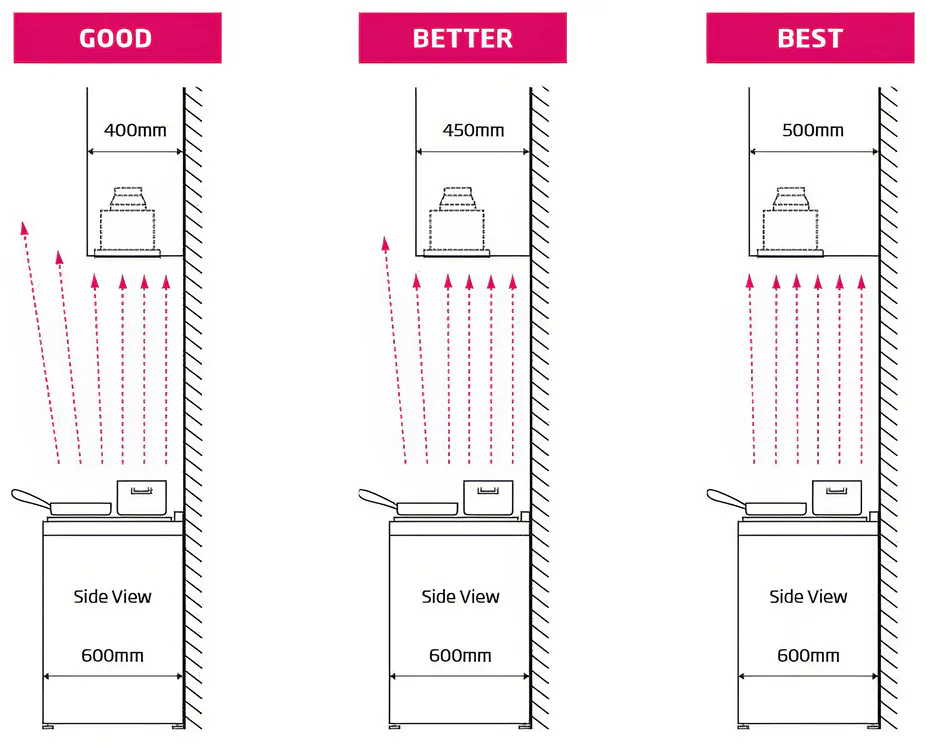
Credit: www.sydneyrangehoods.com.au
Frequently Asked Questions
How High Should A Range Hood Be Above A Stove?
A range hood should be installed 24 to 30 inches above the stove for optimal performance. This height ensures effective smoke and odor removal while maintaining safety and convenience.
Does Hood Height Affect Kitchen Ventilation Efficiency?
Yes, the height directly impacts ventilation efficiency. Too high reduces suction power, and too low may obstruct cooking and cause safety risks.
Can I Install A Range Hood Higher Than Recommended?
Installing a range hood higher than 30 inches can reduce its effectiveness. It may fail to capture smoke and grease properly, leading to poor air quality.
What Is The Ideal Height For A Range Hood Over Gas Stoves?
For gas stoves, maintain a height of 27 to 30 inches. Gas flames produce more heat, so slightly higher placement prevents damage and ensures safety.
Conclusion
Choosing the right height for your range hood matters. It helps remove smoke and smells better. Too low can block your view and get in the way. Too high may not catch all the steam and grease. Most experts suggest placing it 24 to 30 inches above the stove.
This range keeps your kitchen clean and air fresh. Keep these tips in mind when installing your hood. A good setup makes cooking safer and more enjoyable. Simple and correct placement works best for every kitchen.