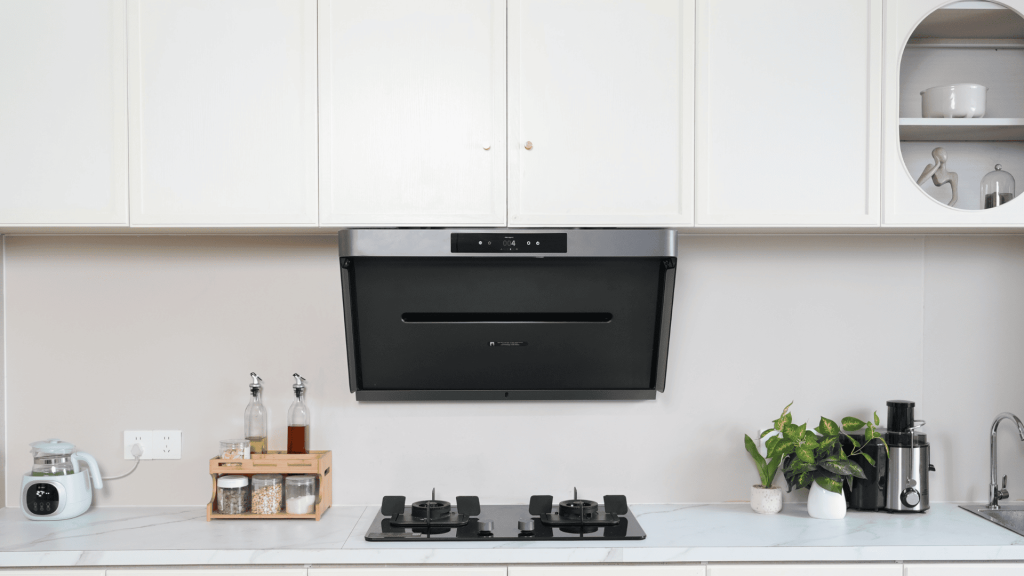
Are you planning a kitchen makeover or setting up a new cooking space? One crucial element you might overlook is the range hood.
But how high should your range hood be? This isn’t just a technical detail; it’s a decision that impacts your cooking experience, kitchen aesthetics, and even your health. Imagine cooking without the annoyance of lingering smoke or stubborn odors. Picture your kitchen looking sleek and stylish, while also being functional.
We’ll unravel the mystery of the perfect range hood height, ensuring your kitchen is not only beautiful but also a joy to cook in. Dive in to discover how a simple adjustment can transform your culinary adventures.
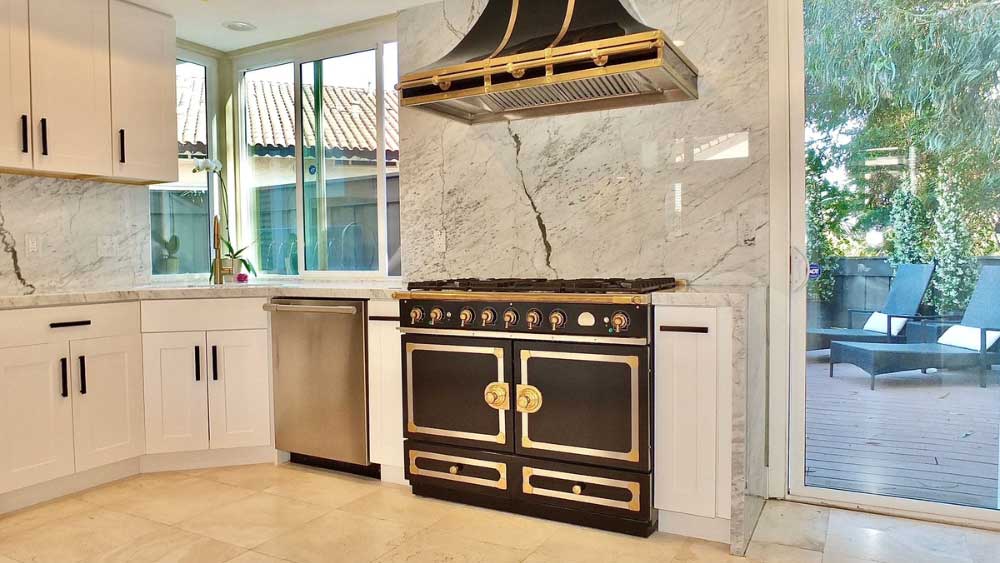
Credit: blog.yaleappliance.com
Ideal Range Hood Height
Choosing the ideal range hood height is key for efficient kitchen ventilation. The height affects how well the hood captures smoke, steam, and odors. It also impacts the safety and comfort of cooking. Setting the right height balances performance and convenience.
Standard Height Recommendations
Most range hoods install between 24 and 30 inches above the cooktop. This range works well for average ceiling heights and standard stove sizes. Wall-mounted hoods usually sit at 24 to 30 inches. Island hoods, which hang from the ceiling, often install 30 to 36 inches above the cooktop.
These heights ensure proper airflow without interfering with cooking. They also allow enough space to prevent heat damage to the hood. Following these standards helps maintain good ventilation and safety in the kitchen.
Factors Influencing Height
- Type of Cooktop: Gas stoves produce more heat and need the hood closer, around 24-27 inches.
- Ceiling Height: Taller ceilings may require raising the hood to keep balance in the space.
- Hood Power: Powerful hoods can be placed higher and still capture smoke effectively.
- Cooking Habits: Frequent frying or grilling may require a lower hood for better smoke capture.
- Safety and Comfort: The hood should not block sightlines or cause head bumps.
Each kitchen is unique. Adjust the height based on these factors to ensure the hood works well and fits the space.
Types Of Range Hoods
Choosing the right type of range hood is crucial for both the efficiency of your kitchen ventilation and the overall style of your cooking space. Different range hoods require different installation heights, and understanding their types helps you decide how high your hood should be. Let’s look at the most common types you’ll encounter.
Under-cabinet Hoods
Under-cabinet hoods fit directly beneath your kitchen cabinets, making them a popular choice for traditional kitchens. They save space and blend seamlessly with existing cabinetry. Because they’re installed close to the cooking surface, the recommended height is typically between 20 to 24 inches above the cooktop.
If your cabinets are lower or higher than average, you might need to adjust this height. Have you measured the distance between your stove and cabinet before choosing the hood? It’s a small step that can make a big difference in performance.
Wall-mounted Hoods
Wall-mounted hoods attach directly to the wall and often serve as a design centerpiece. They work well if you have a cooktop against a wall without overhead cabinets. For these hoods, the ideal height usually ranges from 24 to 30 inches above the cooking surface.
The extra clearance helps capture smoke and steam effectively while allowing enough space for taller pots and pans. Think about how often you use large cookware—would a higher hood make your cooking easier?
Island Hoods
Island hoods hang from the ceiling over a cooktop located in the center of your kitchen island. These hoods require more precise height placement since they don’t have cabinets or walls to support them. Typically, they should be installed between 28 to 36 inches above the cooktop.
Because island hoods are exposed from all sides, they need to be positioned so they efficiently draw air without obstructing your view or movement. How do you balance functionality and aesthetics in your kitchen island setup?
Measuring For Installation
Measuring for the installation of your range hood is one of the most crucial steps to ensure it works efficiently and looks great in your kitchen. Getting the height right affects not only the performance but also your cooking comfort and safety. Before you start cutting or drilling, take the time to measure carefully and double-check your numbers.
Tools Needed
- Tape Measure:A sturdy tape measure with clear markings is essential for accurate measurements.
- Level:To ensure your range hood sits perfectly straight and functions properly.
- Step Ladder:Helps you reach higher spots safely when measuring above the stove area.
- Pencil and Notepad:For jotting down measurements and any observations.
- Stud Finder:Useful for locating studs if your range hood will be mounted on the wall.
Step-by-step Measuring Guide
Start by measuring the distance from your stovetop or cooking surface to the bottom edge of the cabinet or wall where the hood will be installed. The ideal height usually ranges between 24 and 30 inches, but check your range hood’s manual for the manufacturer’s recommendation.
Next, measure the width of your cooking surface and ensure the range hood’s width matches or slightly exceeds it. This ensures maximum capture of smoke and odors. Don’t guess—measure twice to avoid costly mistakes.
Finally, check for any obstacles like light fixtures or cabinets that may interfere with the installation. Take note of the ceiling height and whether ductwork will affect the hood’s placement. Have you considered how these factors might change your ideal mounting height?
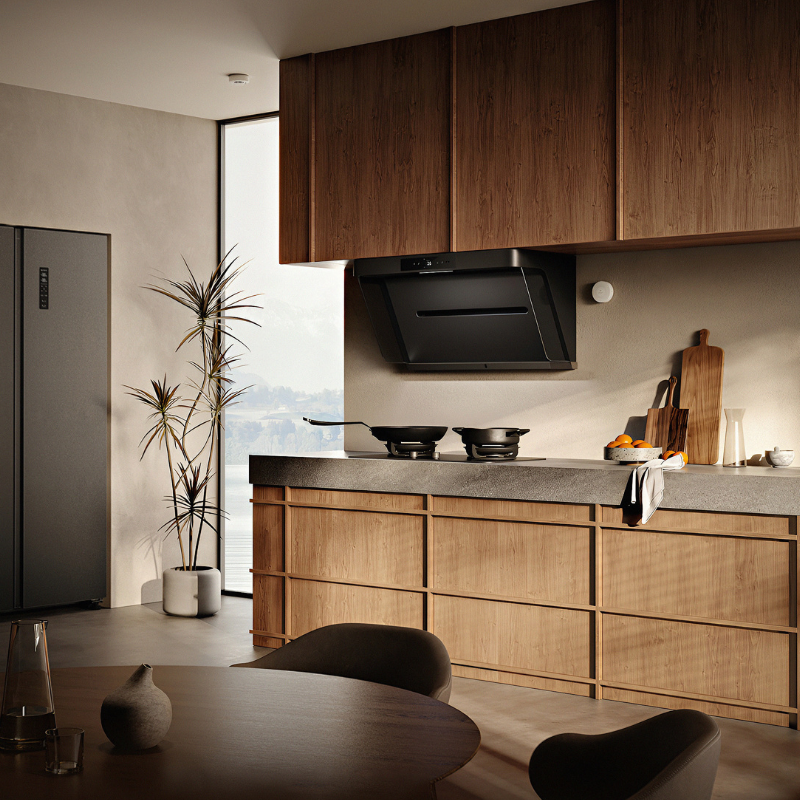
Credit: us.cleadeep.com
Safety Considerations
Safety is a top priority when deciding how high to install your range hood. The height directly affects how well it captures smoke and fumes, but it also plays a crucial role in preventing potential hazards in your kitchen. Understanding these safety considerations helps you protect your home and family while maintaining a clean cooking environment.
Fire Hazards
Placing your range hood too low can create a fire risk. If it’s too close to the cooking surface, grease and heat buildup might ignite, especially when frying or grilling at high temperatures.
On the other hand, installing it too high reduces its ability to trap flames or sparks that escape from pots and pans. This leaves your kitchen vulnerable to accidental fires. Think about the last time you had a flare-up while cooking—would your hood have caught it effectively?
Always check the manufacturer’s recommended height to minimize fire risks. Most guidelines suggest placing the hood 24 to 30 inches above the stovetop for electric ranges, and 28 to 36 inches for gas ranges due to the higher flame.
Ventilation Efficiency
The height of your range hood directly affects how well it ventilates your kitchen. If it’s too high, smoke and odors can spread before the hood sucks them in, making your kitchen less fresh and inviting.
Too low, and the hood can obstruct your cooking space or even cause discomfort while you work. Proper height ensures maximum capture of steam, grease, and heat, keeping your air clean and your kitchen comfortable.
Consider your cooking style here. Do you often cook with lots of steam or strong odors? A well-positioned hood can save you from lingering smells and sticky surfaces. Don’t settle for an installation that looks good but performs poorly.
Adjusting Height For Cooking Style
Adjusting the height of your range hood is more than just a measurement—it’s about matching it to your cooking style. The distance between your cooktop and the hood affects how well smoke, steam, and odors are captured. Understanding the difference in cooking methods and heat output helps you position the hood perfectly for your kitchen.
Gas Vs. Electric Ranges
Gas ranges produce more heat and combustion byproducts than electric ones. This means your range hood needs to be placed lower to catch the rising smoke and gases efficiently. Typically, gas range hoods are installed between 24 to 30 inches above the cooktop.
Electric ranges generate less heat and fewer fumes, so you can install the hood slightly higher, around 28 to 36 inches. Placing the hood too low over an electric range may interfere with cooking or cause discomfort. Think about how much ventilation your specific range needs before deciding the height.
High-heat Cooking Tips
If you often use high heat for searing or stir-frying, it’s smart to lower your range hood for better capture of smoke and grease. A lower hood position helps trap the intense heat and prevent smoke from spreading throughout your kitchen.
However, avoid placing the hood too close to the burners, which can damage the unit or restrict your cooking space. A good rule is to keep the hood at least 24 inches above high-heat cooking surfaces but adjust slightly based on your kitchen layout.
Have you noticed how different dishes create varying amounts of smoke? Adjusting your hood height with your cooking habits can reduce kitchen odors and keep your space comfortable. What’s your typical cooking style, and could a small change in hood height make a big difference?
Common Installation Mistakes
Installing a range hood might seem simple, but many make common mistakes. These errors can reduce the hood’s efficiency and even cause safety issues. Knowing the usual pitfalls helps ensure the hood works properly and lasts longer.
Too High Or Too Low
Placing the range hood too high means it won’t catch smoke well. Cooking fumes and grease can spread around the kitchen. Too low, and it can block your view or hit your head. It also might get damaged by heat or flames. The ideal height balances safety and performance. Most hoods work best between 24 to 30 inches above the cooktop.
Improper Venting
Venting mistakes can stop the hood from removing smoke and odors. Using the wrong duct size restricts airflow. Long or twisty ducts reduce suction power. Some install non-vented hoods without filters, which trap less grease. Exhausting air indoors causes humidity and smells to build up. Proper venting directs air outside through a short, straight duct. This keeps the kitchen fresh and the hood efficient.
Maintenance And Accessibility
Maintenance and accessibility play a key role in the ideal height for your range hood. Placing the hood at the right height not only improves cooking efficiency but also makes cleaning and upkeep easier. A well-positioned hood helps you reach filters and surfaces without strain. It reduces the risk of damage during regular maintenance.
Cleaning Height Tips
Choose a height that allows easy access for wiping down surfaces. The hood should be low enough to reach without a stool but high enough to avoid head bumps. Consider your own height and kitchen layout. Regular cleaning prevents grease buildup and keeps the hood working well.
Ease Of Filter Replacement
Filters need frequent checking and replacement. Set the hood height so filters slide out smoothly. Avoid placing the hood too high to save time and effort. Accessible filters encourage timely cleaning and prolong hood lifespan. Make sure the area around the hood is clear for easy handling.

Credit: www.create-enjoy.com
Frequently Asked Questions
How High Should A Range Hood Be Installed?
A range hood should be installed 24 to 30 inches above the cooktop. This height ensures optimal smoke and odor capture without compromising cooking comfort.
Does Range Hood Height Affect Ventilation Efficiency?
Yes, correct height improves ventilation efficiency. Too high reduces suction power; too low risks heat damage. Follow manufacturer guidelines for best results.
What Is The Ideal Height For A Wall-mounted Range Hood?
For wall-mounted hoods, 24 to 30 inches above the stove is ideal. This balances effective smoke removal with safe clearance from heat.
Can Range Hood Height Vary By Cooktop Type?
Yes, gas cooktops often require 27 to 30 inches, while electric may need 24 to 30 inches. Always check specific appliance recommendations.
Conclusion
Choosing the right height for your range hood matters a lot. It helps keep your kitchen air clean and free from smoke. Too low, and it blocks your view or feels cramped. Too high, and it won’t work well to clear smells and steam.
Aim for a balance that fits your stove and kitchen size. Proper installation makes cooking safer and more comfortable. Remember, a well-placed range hood keeps your kitchen fresh and your cooking space pleasant. Small changes make a big difference.