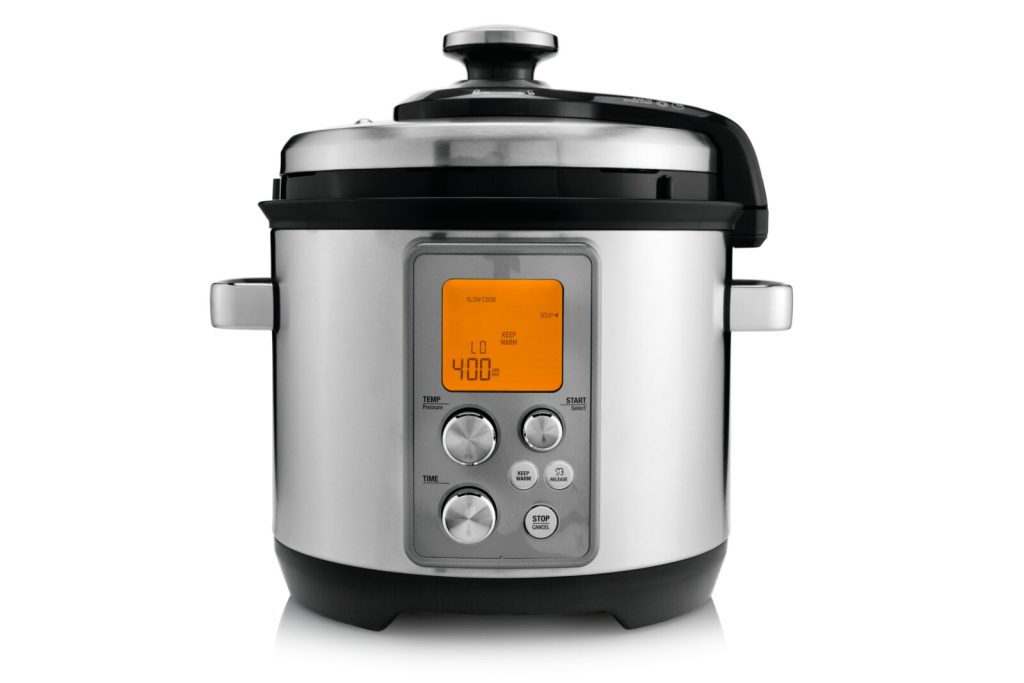
Have you ever wondered just how hot a pressure cooker can get? If you use one or are thinking about it, knowing the answer is important for your safety and cooking success.
Pressure cookers work differently from regular pots, reaching temperatures that can speed up your meals in amazing ways. But how hot is too hot? Understanding this can help you cook better dishes and avoid accidents. Keep reading, and you’ll discover the surprising heat levels inside your pressure cooker and what they mean for your kitchen.
Pressure Cooker Basics
A pressure cooker is a sealed pot that cooks food quickly. It uses steam pressure to raise the temperature inside.
This higher temperature cooks food faster than normal boiling or steaming. It saves time and energy in cooking.
How Pressure Cookers Work
Pressure cookers trap steam inside a sealed lid. This builds up pressure and raises the boiling point of water.
Inside the cooker, steam pressure can reach up to 15 psi. This increases the temperature to about 250°F (121°C).
- The sealed pot stops steam from escaping
- Pressure increases, raising the cooking temperature
- Food cooks faster at higher temperature and pressure
- Pressure is released safely before opening
Types Of Pressure Cookers
There are two main types of pressure cookers: stove-top and electric. Each works slightly different but use the same pressure principle.
Stove-top pressure cookers need a heat source like gas or electric stove. Electric pressure cookers have built-in heating elements.
- Stove-top:Heats quickly, reaches higher pressure, needs stove
- Electric:Has settings and timers, heats automatically, slower pressure build-up

Credit: www.russelltaylors.co.uk
Temperature Limits Inside Pressure Cookers
Pressure cookers use steam under high pressure to cook food faster. The temperature inside the cooker rises above normal boiling point.
Understanding temperature limits helps you use pressure cookers safely and effectively.
Boiling Point And Pressure Relationship
Water boils at 100°C (212°F) at normal air pressure. Inside a pressure cooker, pressure increases and raises the boiling point.
Higher pressure means water can get hotter before it turns into steam. This cooks food faster and kills bacteria better.
- At 15 psi above atmospheric pressure, water boils near 121°C (250°F)
- Increased boiling point speeds up cooking times
- Pressure controls the maximum temperature of the steam inside
Maximum Temperature Achievable
The highest temperature inside a typical pressure cooker is about 121°C (250°F). This happens at about 15 psi of pressure.
Some commercial pressure cookers can reach higher pressures and temperatures but home models stay below these limits for safety.
- Standard pressure cooker pressure: 15 psi
- Maximum temperature: ~121°C (250°F)
- Higher pressure cookers are rare for home use
Factors Affecting Pressure Cooker Temperature
Pressure cookers use steam pressure to cook food faster. The temperature inside can get much higher than boiling water.
Several factors change how hot a pressure cooker can get. These factors control pressure and heat inside the pot.
Pressure Settings
Pressure cookers have different pressure levels. Higher pressure means higher temperature inside the cooker.
Most cookers have low and high settings. High pressure can reach about 15 psi, raising temperature to around 250°F (121°C).
- Low pressure: about 10-12 psi, temperature near 235°F (113°C)
- High pressure: about 15 psi, temperature near 250°F (121°C)
Sealing And Safety Valves
The sealing ring keeps steam inside the cooker. A tight seal helps build and keep high pressure.
Safety valves release pressure if it gets too high. This prevents the cooker from overheating or exploding.
- Good seal means higher pressure and temperature
- Damaged seal lowers pressure and temperature
- Safety valves control max pressure to keep cooking safe
Material And Build Quality
Pressure cookers are made from different metals like stainless steel or aluminum. The material affects heat conduction.
Thicker and stronger materials handle high pressure better. This lets the cooker safely reach higher temperatures.
- Stainless steel is durable and holds heat well
- Aluminum heats quickly but may be less durable
- Build quality affects how well the cooker seals and handles pressure

Credit: instantpot.com
Risks Of Excessive Heat In Pressure Cookers
Pressure cookers use high heat to cook food quickly. This heat can become dangerous if it gets too high. Understanding the risks helps keep cooking safe.
Excessive heat can cause pressure cookers to malfunction. Knowing how heat affects these devices helps prevent accidents and injuries.
Potential For Overheating
Pressure cookers can get very hot inside. If the heat rises too much, it can cause the cooker to overheat. This may lead to dangerous pressure levels.
Overheating can damage the cooker’s parts. It can also cause food to burn or stick to the bottom. If pressure builds too much, the cooker may explode.
- Blocked vents stop steam from escaping
- Heating element too high for cooking time
- Ignoring water levels inside the cooker
- Worn or damaged seals that trap heat
Safety Mechanisms To Prevent Accidents
Pressure cookers have safety features to stop overheating. These parts keep pressure and heat at safe levels. They help protect users from harm.
Common safety mechanisms include valves and locks. These parts release steam or stop cooking if the cooker gets too hot. They ensure the cooker works safely.
- Pressure release valves let out extra steam
- Safety locks prevent opening under pressure
- Temperature sensors cut off heat when needed
- Gaskets seal the cooker but release pressure if damaged
Comparing Pressure Cookers And Other Cooking Methods
Pressure cookers use steam pressure to cook food quickly. Other methods like boiling, baking, and frying use different heat sources and temperatures. Understanding their differences helps choose the right method for cooking.
This comparison looks at the temperature ranges and cooking speeds of pressure cookers versus other common methods.
Temperature Range Comparison
Pressure cookers reach higher temperatures than boiling or steaming. This is because pressure raises the boiling point of water inside the cooker. Other methods have fixed temperature limits based on the heat source.
| Cooking Method | Typical Temperature Range | Max Temperature |
|---|---|---|
| Pressure Cooker | 230°F to 250°F (110°C to 121°C) | 250°F (121°C) |
| Boiling | 212°F (100°C) | 212°F (100°C) |
| Baking | 300°F to 450°F (150°C to 232°C) | 450°F (232°C) |
| Frying | 320°F to 375°F (160°C to 190°C) | 375°F (190°C) |
Cooking Efficiency And Speed
Pressure cookers cook food faster by trapping steam and raising pressure. This reduces cooking time compared to other methods. They also save energy because food cooks quicker.
- Pressure cookers reduce cooking time by up to 70%
- Boiling takes longer as it stays at 212°F (100°C)
- Baking needs preheating and longer cooking times
- Frying cooks quickly but uses more oil and energy

Credit: www.foodnetwork.com
Tips For Safe Pressure Cooker Use
Pressure cookers can reach very high temperatures. Using them safely helps prevent accidents.
Follow simple safety tips to protect yourself and keep your cooker working well.
Monitoring Pressure Levels
Always watch the pressure gauge or indicator on your cooker. It shows how much pressure is inside.
- Do not let the pressure go above the recommended limit.
- If pressure rises too high, release steam slowly.
- Use the right heat level to control pressure safely.
Maintenance And Inspection
Check your pressure cooker regularly to keep it safe. Look at the seals and valves carefully.
| Part | What to Check | How Often |
| Rubber Seal | Cracks or wear | Before each use |
| Safety Valve | Blockages or damage | Monthly |
| Lid Lock | Proper locking function | Before each use |
Proper Use Of Accessories
Use only parts that fit your pressure cooker model. Wrong accessories can cause leaks or breakage.
Here are key accessories and how to use them:
- Pressure regulator: Controls steam release; keep it clean.
- Steaming basket: Use it to cook food evenly without overcooking.
- Trivet: Place food above liquid to prevent burning.
Frequently Asked Questions
How Hot Can A Pressure Cooker Get Inside?
A pressure cooker can reach temperatures around 250°F (121°C) due to increased steam pressure. This heat cooks food faster than boiling.
What Determines The Maximum Temperature Of Pressure Cookers?
The cooker’s pressure rating controls the maximum temperature. Higher pressure means higher temperature and faster cooking times.
Is It Safe For Pressure Cookers To Get Very Hot?
Yes, pressure cookers are designed with safety valves to handle high heat and pressure safely during cooking.
Can Pressure Cooker Temperature Damage The Cookware?
No, pressure cookers are made from durable materials that withstand high temperatures without damage.
Conclusion
A pressure cooker can reach temperatures above 250°F (121°C). This high heat helps cook food faster than normal methods. The sealed pot traps steam, raising the pressure inside. That pressure increases the boiling point of water. So, food cooks quickly and stays moist.
Always follow safety tips to avoid accidents. Knowing how hot it gets helps you use it right. Enjoy faster meals with a good pressure cooker. Safe, simple, and smart cooking.