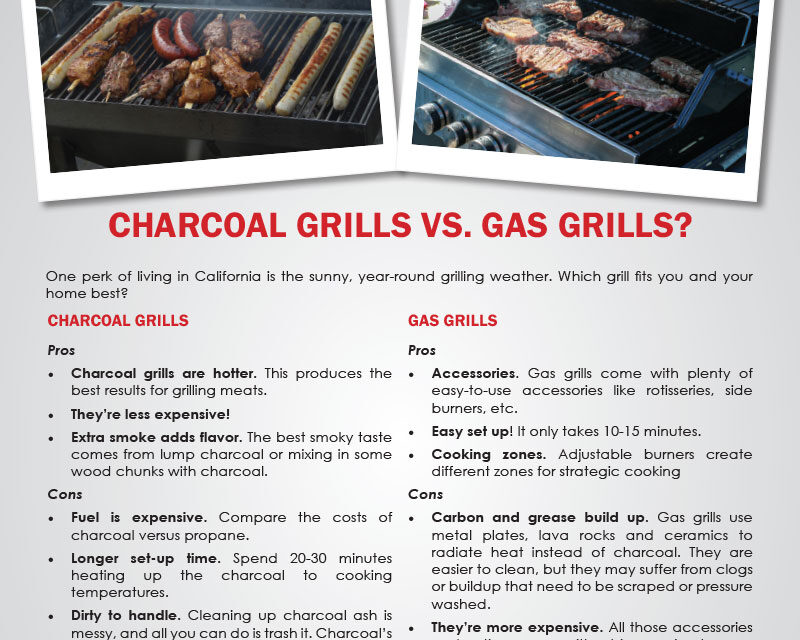
Have you ever wondered just how hot your charcoal grill can get? Knowing the temperature your grill reaches is key to cooking your food perfectly every time.
Whether you’re searing a juicy steak or slow-cooking ribs, understanding your grill’s heat can make all the difference. You’ll discover the typical temperature ranges of charcoal grills and learn how to control the heat to match your cooking needs. Keep reading—your next barbecue is about to get a whole lot better.

Credit: www.ice.edu
Charcoal Grill Temperature Basics
Charcoal grills get hot by burning charcoal briquettes or lump charcoal. The heat depends on the type of charcoal and how you use it.
Knowing how hot your charcoal grill gets helps you cook food properly. It also helps avoid burning or undercooking meals.
Types Of Charcoal And Their Heat
There are two main types of charcoal: briquettes and lump charcoal. Each type burns at different temperatures and times.
Briquettes burn evenly and last longer but produce moderate heat. Lump charcoal burns hotter and faster but can be less consistent.
- Briquettes:Steady heat around 450°F to 550°F (232°C to 288°C)
- Lump Charcoal:Can reach 700°F (371°C) or more quickly
Factors Affecting Grill Heat
The grill’s heat depends on air flow, charcoal amount, and grill size. More air means hotter fire.
Opening vents increases oxygen, raising temperature. Adding more charcoal also boosts heat. Larger grills may take longer to heat.
- Air flow controls oxygen for the fire
- More charcoal creates more heat
- Grill size affects how heat spreads
- Lid position changes temperature inside
Temperature Ranges Explained
Charcoal grills can reach different temperatures. These heat levels affect how your food cooks. Knowing the right temperature helps you cook better meals.
We will explain three main heat ranges: low, medium, and high. Each range has its own use and temperature span.
Low Heat For Slow Cooking
Low heat means the grill temperature is around 225°F to 275°F (107°C to 135°C). This heat cooks food slowly and evenly.
Use low heat for smoking meats or cooking tough cuts that need time to become tender.
- Temperature range: 225°F to 275°F (107°C to 135°C)
- Best for: Smoking, slow roasting
- Foods: Ribs, brisket, pork shoulder
Medium Heat For Versatility
Medium heat ranges between 300°F and 400°F (149°C to 204°C). It is the most common temperature for grilling.
This heat cooks food faster than low heat but still allows good control. You can cook many types of food at this range.
- Temperature range: 300°F to 400°F (149°C to 204°C)
- Best for: Grilling vegetables, chicken, fish
- Foods: Burgers, steaks, kebabs
High Heat For Searing
High heat is above 450°F (232°C). This heat is used for quick cooking and searing meat.
Searing locks in juices and creates a crispy outside. It works well for thin cuts of meat that cook fast.
- Temperature range: 450°F and above (232°C+)
- Best for: Searing, quick grilling
- Foods: Steaks, chops, thin burgers
Measuring Grill Temperature
Knowing how hot your charcoal grill gets is important for grilling. Different foods need different temperatures to cook right.
There are tools that help measure the temperature inside the grill. Let’s explore them to ensure your grilling is perfect every time.
Using Built-in Thermometers
Some grills come with built-in thermometers. These are usually on the lid of the grill. They give a rough estimate of the temperature inside.
- Check the thermometer before starting to grill.
- Keep the lid closed for an accurate reading.
- Remember, built-in thermometers measure air temperature, not grill surface.
Infrared Thermometers And Other Tools
Infrared thermometers are handy tools for grilling. They measure the heat of the grill surface directly.
| Tool | Function |
| Infrared Thermometer | Measures surface temperature |
| Probe Thermometer | Checks internal food temperature |
| Digital Thermometer | Provides precise readings |
Maximizing Heat Output
Charcoal grills can reach very high temperatures if set up correctly. Knowing how to arrange charcoal and control airflow helps you get the most heat.
This guide explains simple ways to increase your grill’s heat for better cooking.
Charcoal Arrangement Techniques
How you place the charcoal affects the heat your grill produces. Grouping coals tightly creates more heat in one area.
Try different shapes like a pile or a ring to control heat zones.
- Use a mound of charcoal for direct high heat.
- Create a two-zone fire with coals on one side for both heat and cooler space.
- Arrange charcoal in a circle for slow cooking in the center.
- Keep coals close to increase temperature quickly.
Airflow Control Tips
Airflow controls how fast charcoal burns. Open vents let in more oxygen and raise heat.
Adjust vents to balance heat and fuel use. Too much air can burn coals too fast.
- Open bottom vents fully to start the fire quickly.
- Partially close top vents to keep heat steady.
- Use the grill lid to trap heat inside.
- Close vents slightly to lower temperature for slow cooking.
Common Heat Challenges
Charcoal grills can reach very high temperatures. Managing heat is a key part of cooking well on them.
Many people face issues like sudden temperature changes and flare-ups. These problems affect cooking results.
Dealing With Temperature Fluctuations
Temperature often changes during grilling. This happens when charcoal burns unevenly or air flows change.
Keep the grill lid closed to keep heat steady. Avoid opening it too much to stop heat from escaping.
- Use a charcoal chimney to light coals evenly
- Arrange coals for direct and indirect heat zones
- Adjust air vents to control oxygen flow
- Check the temperature with a grill thermometer
Avoiding Overheating And Flare-ups
Overheating can burn food and damage the grill. Flare-ups happen when fat drips on hot coals.
Keep a spray bottle of water nearby to control small flare-ups quickly. Move food away from flames.
- Trim excess fat from meat before grilling
- Use a two-zone fire to move food if flames rise
- Keep vents partially open to reduce heat buildup
- Do not add too much charcoal at once
Heat Levels For Different Foods
Charcoal grills reach different temperatures depending on how you arrange the coals. The heat level affects how well your food cooks. Knowing the right heat for each type of food helps you get the best results.
Some foods need high heat to cook quickly and get a nice sear. Others need lower heat to avoid burning and stay tender. Let’s look at common foods and the ideal heat for grilling them.
Grilling Meats At Optimal Heat
Different meats require different heat levels to cook well. High heat is good for steaks and burgers to get a crisp outside. Thicker cuts and whole chickens cook better at medium heat to avoid burning outside while cooking inside.
| Meat Type | Heat Level | Approximate Temperature |
| Steak | High Heat | 450°F – 550°F (232°C – 288°C) |
| Burgers | High Heat | 400°F – 500°F (204°C – 260°C) |
| Chicken Breast | Medium Heat | 350°F – 400°F (177°C – 204°C) |
| Whole Chicken | Medium Heat | 325°F – 375°F (163°C – 190°C) |
| Pork Chops | Medium Heat | 350°F – 450°F (177°C – 232°C) |
Vegetables And Delicate Items
Vegetables and delicate foods like fish need lower heat to cook evenly. High heat can burn them quickly. Use indirect or medium heat to keep them tender and juicy.
- Vegetables: Medium heat (350°F – 400°F / 177°C – 204°C)
- Fish Fillets: Low to Medium heat (275°F – 350°F / 135°C – 177°C)
- Shellfish: Medium heat (350°F – 400°F / 177°C – 204°C)
- Fruits: Low heat (250°F – 300°F / 121°C – 149°C)
Safety Tips When Handling High Heat
Charcoal grills can reach very high temperatures. Knowing how to stay safe is important.
Using the right tools and careful steps helps prevent burns and accidents.
Protective Gear Recommendations
Always wear gloves made for heat resistance. They protect your hands from burns.
Use long-handled tools to keep a safe distance from the fire. Wear an apron to protect your clothes.
- Heat-resistant gloves
- Long-handled tongs and spatulas
- Fireproof apron
- Closed-toe shoes
- Safety glasses to protect your eyes
Safe Charcoal Handling Practices
Light charcoal outside in a well-ventilated area. Use only approved starters like chimney starters or lighter cubes.
Never add lighter fluid to hot coals. Keep a bucket of water or a fire extinguisher nearby for emergencies.
- Start charcoal away from flammable materials
- Use only proper charcoal starters
- Do not pour lighter fluid on burning coals
- Keep children and pets away from the grill
- Have water or a fire extinguisher ready
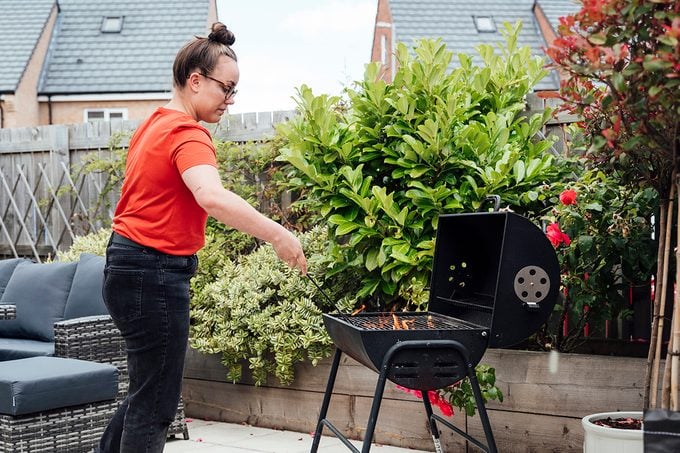
Credit: www.tasteofhome.com

Credit: www.ctvnews.ca
Frequently Asked Questions
How Hot Can Charcoal Grills Get?
Charcoal grills can reach temperatures between 500°F and 700°F. High-quality charcoal and good airflow help achieve these high heat levels. This makes them perfect for searing steaks and quick cooking.
What Affects The Heat Of Charcoal Grills?
Heat depends on charcoal type, grill size, airflow, and lid use. More charcoal and better ventilation increase temperature. Controlling these factors helps manage cooking temperature precisely.
How Long Does It Take Charcoal Grills To Heat?
Charcoal grills typically take 15-30 minutes to reach cooking temperature. Properly lit charcoal glows white-hot when ready. Preheating ensures even cooking and better flavor.
Can Charcoal Grills Maintain Steady Heat?
Yes, by adjusting air vents and adding charcoal gradually. Using the lid helps trap heat and maintain consistent temperatures. Proper management allows for slow cooking or high-heat grilling.
Conclusion
Charcoal grills can reach very high temperatures, often above 600°F. These heat levels allow for different cooking styles like searing and slow cooking. Knowing how hot your grill gets helps you control the cooking process better. It also ensures food cooks evenly and tastes great.
Always keep safety in mind when handling hot grills. With practice, you can enjoy delicious grilled meals every time. Understanding your charcoal grill’s heat is the first step to great grilling.