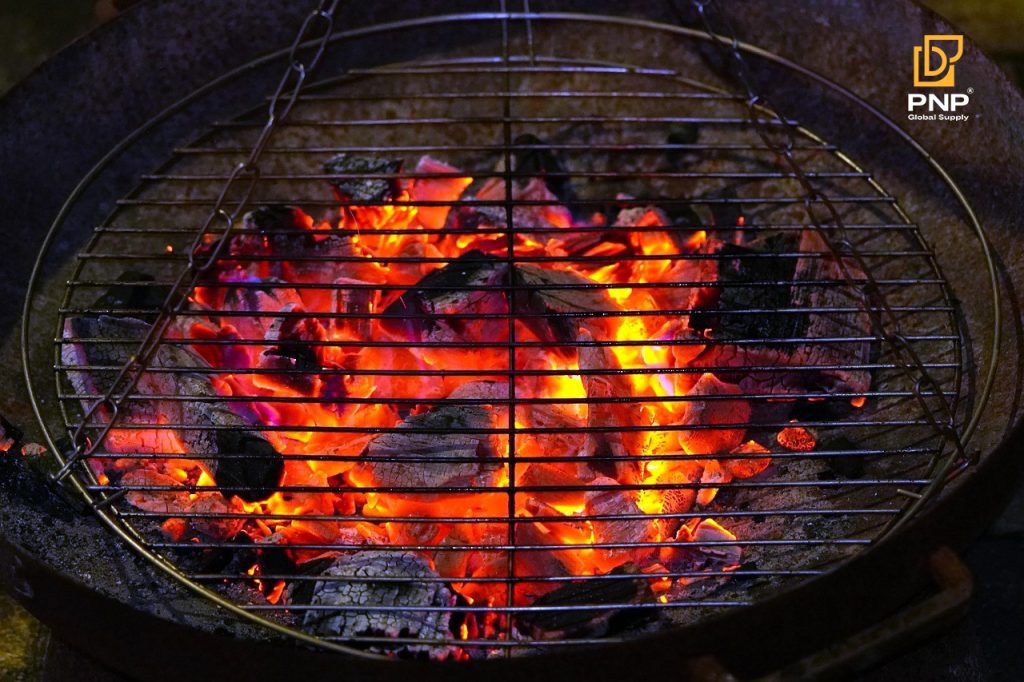
Have you ever wondered just how hot a charcoal grill can get? If you’re passionate about grilling, knowing the exact temperature your charcoal grill reaches can make a huge difference in cooking the perfect meal.
Whether you’re searing a juicy steak or slow-cooking ribs, understanding your grill’s heat helps you control the flavor and texture every time. Keep reading, and you’ll discover the secrets behind charcoal grill temperatures and how to use that heat to your advantage for mouthwatering results.
Charcoal Grill Heat Basics
Charcoal grills give food a unique smoky flavor. Understanding heat helps you cook better. This guide explains charcoal types, burning, and heat zones.
Knowing how heat works on a charcoal grill helps control cooking times and temperatures. Let’s explore the basics.
Types Of Charcoal
Different charcoal types burn in unique ways. The most common types are lump charcoal and briquettes.
- Lump Charcoal:Made from hardwood chunks. Burns hotter and faster. Produces less ash.
- Briquettes:Compressed charcoal with additives. Burns evenly but slower. Creates more ash.
- Natural Hardwood:Pure wood without chemicals. Burns clean but can be uneven.
How Charcoal Burns
Charcoal burns through three stages: ignition, combustion, and glowing. Each stage affects heat output and cooking.
| Stage | Description | Heat Level |
|---|---|---|
| Ignition | Charcoal lights and starts to smoke. | Low heat |
| Combustion | Charcoal flames burn off gases. | High heat |
| Glowing | Charcoal glows red and produces steady heat. | Medium heat |
Heat Zones Explained
Grills have heat zones to cook different foods at once. You can control zones by how you place the charcoal.
- Direct Heat Zone:Place food right over hot coals for fast cooking and searing.
- Indirect Heat Zone:Put food away from coals to cook slowly and gently.
- Cool Zone:Area with little to no charcoal for warming or resting food.
Measuring Grill Temperature
Knowing how hot your charcoal grill is can make grilling more successful. You can measure the temperature in different ways.
Each method has its own benefits. Find the one that fits your needs best.
Using Built-in Thermometers
Many grills come with built-in thermometers. These can give you a quick read of the grill’s temperature.
| Grill Type | Thermometer Accuracy |
| Basic Charcoal Grill | Good |
| Premium Charcoal Grill | Very Good |
Infrared Thermometers
Infrared thermometers can measure heat without touching the grill. They are useful for quick and accurate readings.
- Point at the grill surface
- Read the temperature instantly
- Very accurate for high heat
Hand Test Method
The hand test method is an old-fashioned way to gauge grill heat. It requires no tools.
Achieving Ideal Heat Levels
Charcoal grills offer a range of heat settings for different cooking needs. Controlling the heat helps you cook food perfectly. You can set up low, medium, or high heat zones easily.
Each heat level suits different types of food and cooking styles. Knowing how to create these heat zones makes grilling better and more consistent.
Low Heat Setup
Low heat is perfect for slow cooking or warming food. To achieve this, spread the charcoal thinly and keep the grill vents mostly closed. The temperature stays around 225°F to 275°F (107°C to 135°C).
- Use fewer charcoal briquettes or spread them out
- Keep the grill lid closed to keep heat in
- Adjust air vents to limit oxygen flow
- Ideal for smoking and slow roasting
Medium Heat Setup
Medium heat suits most grilling tasks like burgers or chicken. Arrange the charcoal in a medium layer. Keep the vents half open to maintain a temperature between 300°F and 400°F (149°C to 204°C).
| Charcoal Amount | Vent Position | Temperature Range |
| Moderate layer | Half open | 300°F – 400°F (149°C – 204°C) |
| Medium amount | Adjust as needed | Good for grilling most foods |
High Heat Setup
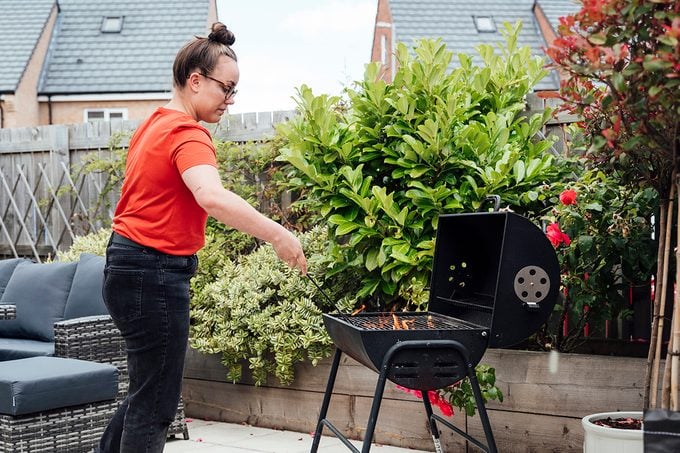
High heat is best for searing steaks or quick cooking. Pile the charcoal tightly and open the vents fully. Temperatures can reach 500°F to 700°F (260°C to 371°C).
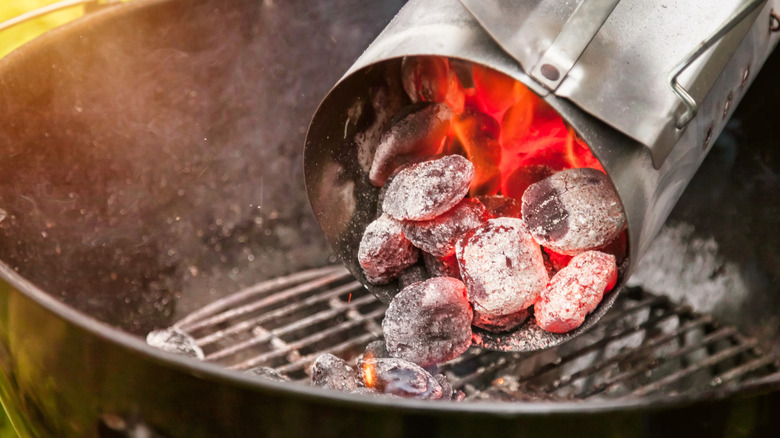
- Use a full chimney of lit charcoal
- Keep the lid closed to trap heat
- Open all vents to allow maximum oxygen
- Watch food closely to avoid burning
Credit: www.tasteofhome.com
Controlling Temperature
Controlling the temperature of a charcoal grill is key to cooking food properly. You can change the heat by adjusting the air flow, the amount of charcoal, and using water pans.
Each method helps keep the grill hot or cool enough for different types of cooking. Understanding these methods will help you grill better.
Adjusting Air Vents
Air vents control how much oxygen reaches the charcoal. More air means hotter fire. Less air cools the fire down. You find vents on the top and bottom of the grill.
- Open bottom vents to increase heat.
- Close vents partially to lower heat.
- Adjust top vents to control smoke and heat flow.
Managing Charcoal Amount
The amount of charcoal you use changes how hot the grill gets. More charcoal means longer and hotter cooking. Less charcoal gives a cooler and shorter cooking time.
| Charcoal Amount | Expected Temperature | Best For |
| Few pieces | Low heat (200-250°F) | Slow cooking, smoking |
| Half full grill | Medium heat (300-400°F) | Grilling vegetables, chicken |
| Full grill | High heat (450-600°F) | Steaks, burgers, searing |
Using Water Pans
Water pans help keep the grill temperature steady. The water absorbs heat and stops the fire from getting too hot. It also adds moisture to the air inside the grill.
Benefits of Water Pans:
- Prevents flare-ups
- Keeps food moist
- Maintains even temperature
Common Heat Challenges
Charcoal grills can get very hot, but controlling the heat is not always easy. Many people face challenges with uneven cooking temperatures.
Understanding these heat problems helps you cook food evenly and avoid burning or undercooking.
Avoiding Flare-ups
Flare-ups happen when fat or juices drip on hot coals. This causes sudden flames that can burn food quickly.
To avoid flare-ups, keep your grill clean and trim excess fat from meat. Use a spray bottle with water to control small flames.
- Keep a spray bottle nearby to spray flames
- Trim fat from meat before grilling
- Do not pour too much oil on food
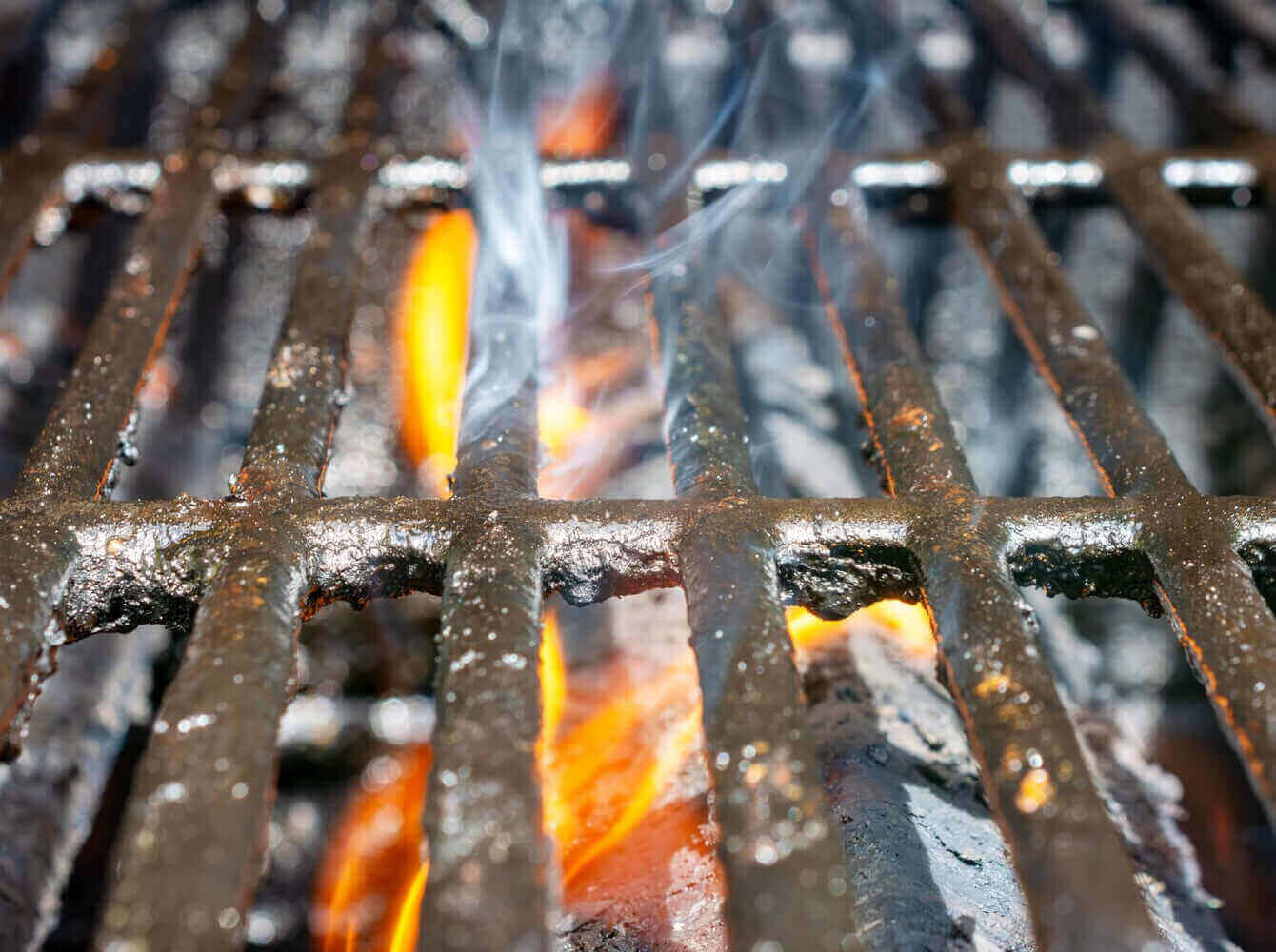
- Clean grill grates regularly
Dealing With Hot Spots
Hot spots are areas on the grill that get hotter than others. They can cause uneven cooking and burn food in some places.
You can find hot spots by watching how the coals burn and moving food around as needed. Use a two-zone setup for better control.
- Arrange coals on one side for direct heat
- Leave the other side empty for indirect heat
- Move food between zones to avoid burning
- Use a grill thermometer to check temperatures
Maintaining Consistent Heat
Keeping a steady temperature is hard with charcoal grills. Airflow and charcoal amount control the heat.
Adjust vents to let more or less air inside. Add charcoal carefully to keep the heat stable for longer cooking times.
- Open vents fully to increase heat
- Close vents partially to lower heat
- Add small amounts of charcoal as needed
- Wait a few minutes after adjusting for heat to stabilize
Credit: www.thetakeout.com
Tips For Perfect Bbq Heat
Getting the right heat on a charcoal grill is key for great BBQ. You need to control the fire well.
This guide gives simple tips on heating your grill just right. It covers preheating, arranging coals, and timing.
Preheating Techniques
Start by lighting your charcoal until it glows red with a layer of white ash. This usually takes 20 to 30 minutes.
Keep the lid closed during preheating to keep heat in. Open vents help air flow and speed up heating.
Charcoal Arrangement Tricks
How you place your charcoal changes the heat zones. Use different layouts for cooking needs.
- Direct heat:Spread coals evenly for quick cooking.
- Indirect heat:Pile coals on one side to cook slowly on the other.
- Two-zone fire:One side hot, one side cool for searing and resting.
Timing Your Cooking
Timing depends on heat and food type. Check food often to avoid burning or undercooking.
| Food Type | Heat Level | Cooking Time |
| Steak | High (450°F+) | 4-6 minutes per side |
| Chicken | Medium (350°F) | 25-30 minutes |
| Vegetables | Medium to High | 8-12 minutes |
| Ribs | Low (225-250°F) | 3-5 hours |
Credit: ddrbbqsupply.com
Frequently Asked Questions
How Hot Can A Charcoal Grill Get?
A charcoal grill can reach temperatures between 500°F and 700°F. High heat is perfect for searing meats and quick cooking.
What Affects A Charcoal Grill’s Temperature?
Airflow, charcoal type, and grill size affect temperature. Adjusting vents controls oxygen, which influences how hot the fire burns.
How Do I Control Heat On A Charcoal Grill?
Control heat by adjusting vents and charcoal placement. More airflow increases heat, while closing vents lowers the temperature.
How Long Does A Charcoal Grill Stay Hot?
A charcoal grill typically stays hot for 45 minutes to 1 hour. Adding fresh charcoal extends cooking time.
Conclusion
Charcoal grills can reach very high temperatures, often over 700°F. This heat helps cook food quickly and adds a smoky flavor. Controlling the grill’s temperature is key for best results. You can adjust heat by moving coals or changing air flow.
Knowing how hot your grill gets helps you cook safely and well. Keep practicing and enjoy the rich taste of charcoal grilling. It’s a simple way to make meals special every time.