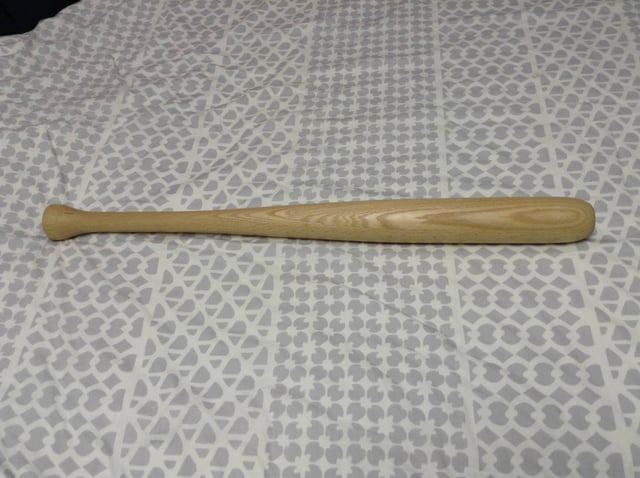
Have you ever wondered how a simple piece of wood or metal turns into the baseball bat you hold in your hands? Understanding how a baseball bat is made can change the way you see the game.
From the choice of materials to the final polish, every step shapes your bat’s strength, balance, and performance. You’ll discover the fascinating process behind crafting a baseball bat—details that make your swing more powerful and your game more exciting. Keep reading, and you’ll never look at your bat the same way again.
Materials For Baseball Bats
Baseball bats are made from different materials. The choice affects the bat’s weight, strength, and performance.
Wood is the traditional material. Other materials offer different benefits and uses in baseball.
Types Of Wood Used
Wooden baseball bats come from various trees. Each wood type has unique qualities that affect the bat’s feel and durability.
Common woods include maple, ash, and birch. These woods provide a good balance of strength and flexibility.
- Maple:Hard and dense, offers power but less flex.
- Ash:Lighter and more flexible, allows better swing speed.
- Birch:Combines hardness and flexibility for a balanced bat.
Alternative Materials
Besides wood, baseball bats can be made from metal or composite materials. These bats are common in youth and amateur leagues.
Aluminum bats are lightweight and durable. Composite bats mix materials for better performance and less vibration.
- Aluminum:Strong, lightweight, and gives a larger sweet spot.
- Composite:Made of carbon fiber or fiberglass, reduces shock on contact.
- Hybrid:Combine metal and composite parts for improved swing.
Selecting The Wood
Choosing the right wood is the first step in making a baseball bat. The wood must be strong, light, and well-shaped.
Wood selection affects the bat’s performance and durability. Different types of wood offer different qualities.
Quality Criteria
Wood quality depends on grain structure, density, and moisture content. These factors ensure the bat is sturdy and balanced.
- Grain Structure:Straight, tight grains make the wood stronger.
- Density:Denser wood provides better durability and power.
- Moisture Content:Properly dried wood avoids warping and cracking.
Sourcing And Sustainability
Manufacturers choose wood from suppliers who follow sustainable forest practices. This helps protect the environment.
| Source | Practice | Benefit |
|---|---|---|
| Certified Forests | Selective logging and replanting | Maintains forest health and biodiversity |
| Local Suppliers | Reduced transportation distance | Lower carbon footprint |
| Reclaimed Wood | Reusing wood from old sources | Reduces waste and resource use |
Shaping The Bat
Shaping a baseball bat is a careful process that gives it the right form. This step is important for how the bat will feel and perform.
The shaping includes cutting the wood and turning it on a lathe. It also forms the barrel and handle to the right size.
Cutting And Turning
The first part of shaping is cutting a block of wood to the right length. This block is called a billet.
Next, the billet is placed on a lathe. The lathe spins the wood fast while a craftsman uses tools to shape it.
- The lathe helps make the bat round and smooth.
- Turning shapes the bat evenly from one end to the other.
- Cutting and turning remove extra wood to reach the bat’s final size.
Forming The Barrel And Handle
The barrel is the thick part of the bat that hits the ball. The handle is the thinner part the player holds.
Shaping the barrel and handle is done carefully to balance weight and strength. This helps the player swing the bat well.
- The barrel is made wider to create a larger hitting surface.
- The handle is shaped thinner for a good grip.
- Both parts are smoothed to avoid splinters and improve comfort.

Credit: www.cleveland.com
Sanding And Smoothing
Sanding and smoothing are key steps in making a baseball bat. These steps prepare the wood for finishing and use.
Careful sanding removes rough spots and shapes the bat’s surface for better handling.
Refining The Surface
After shaping, the bat goes through sanding to smooth the wood. Workers use sandpaper with different grits. They start with coarse grit to remove big marks. Then, they use finer grits to polish the surface.
- Start with 80-grit sandpaper for rough sanding
- Move to 120-grit for medium smoothing
- Finish with 220-grit for a fine, smooth surface
Ensuring Comfort And Grip
The bat handle must feel comfortable and easy to hold. Sanding the handle well helps avoid splinters. It also shapes the grip to fit hands better.
| Handle Feature | Purpose |
| Smooth surface | Comfort and no splinters |
| Even shape | Better hold and control |
| Fine sanding | Prepares for tape or finish |
Branding And Finishing
Branding and finishing give a baseball bat its final look. These steps make the bat easy to recognize and protect it.
Wood or metal bats both need clear logos and a smooth surface. This helps the bat last longer and look great.
Stamping Logos
Stamping logos is the process of adding the brand name and model details. It uses heat or pressure to press the logo into the bat.
The stamp can be ink-based or a burn mark. It must be clear and permanent to identify the bat well.
- Use metal stamps or laser engraving
- Position logos near the handle or barrel
- Apply consistent pressure for clear marks
- Check logos for accuracy before finishing
Applying Varnish And Sealants
Varnish and sealants protect the bat from moisture and damage. They also give the bat a shiny, smooth finish.
The bat gets multiple coats of varnish. Each coat dries before the next is applied to avoid rough surfaces.
- Use clear varnish to show the wood grain
- Apply sealants for weather resistance
- Sand lightly between coats for smoothness
- Allow full drying time after the last coat
Quality Control
Quality control is a key part of making baseball bats. It ensures each bat is safe and performs well.
Testing focuses on weight, balance, and durability. These checks help keep the standards high.
Weight And Balance Testing
Each bat must have the right weight and balance for good control. Machines weigh the bats precisely.
- Check the total weight to match the bat’s size.
- Measure the balance point to ensure even swing.
- Adjust if the bat feels too heavy at one end.
- Test multiple samples from the same batch.
Durability Checks
Durability tests make sure the bat can handle strong hits. This keeps players safe and improves bat life.
| Test Type | Purpose | Method |
| Impact Test | Check bat strength | Hit with a weighted ball repeatedly |
| Flex Test | Check bat bending | Bend bat to measure flexibility |
| Surface Test | Check for cracks | Inspect under strong light after tests |
Customization Options
Baseball bats can be made to fit the needs of every player. Custom options help players find the perfect bat.
These options include special engravings and choosing the right size and weight.
Personalized Engravings
Players can add their names or special messages to their bats. This makes the bat unique and personal.
Engravings can be placed on the handle or the barrel of the bat. The style and font can also be chosen.
- Player’s name or initials
- Team logo or mascot
- Special dates or numbers
- Inspirational words or quotes
Custom Sizes And Weights
Choosing the right size and weight helps players swing better and hit harder. Bats come in many lengths and weights.
Custom options allow players to pick the size that feels best for them. This helps improve control and power.
- Lengths from 24 to 34 inches
- Weights from 16 to 30 ounces
- Balanced or end-loaded weight distribution
- Material choice affects weight and feel

Credit: sskbaseballshop.com
Modern Innovations
Baseball bats have changed a lot thanks to new ideas and tools. Makers use fresh methods to build bats that perform better and last longer.
These changes focus on the materials used and the technology in making the bats. They help players hit the ball with more power and control.
Advanced Materials
Today’s baseball bats use special materials that were not common before. These materials make bats lighter and stronger.
- Carbon fiber adds strength without weight
- Composite materials improve flexibility
- High-grade aluminum alloys resist dents and cracks
- Hybrid bats combine wood and metal parts
Technological Enhancements
Technology helps in the design and testing of baseball bats. Computers and machines check every detail to make sure bats work well.
| Technology | Purpose | Benefit |
| 3D Modeling | Create bat shapes | Better balance and control |
| Performance Sensors | Measure swing speed and impact | Improve player training |
| Automated Machining | Precision cutting and shaping | Consistent bat quality |
Credit: www.ctvnews.ca
Frequently Asked Questions
What Materials Are Used To Make A Baseball Bat?
Baseball bats are mainly made from wood or aluminum. Wood types include ash, maple, and birch, chosen for strength and flexibility. Aluminum bats are lighter and more durable, often used in amateur leagues. The choice depends on league rules and player preference.
How Is A Wooden Baseball Bat Shaped?
Wooden bats are shaped by turning a solid wood billet on a lathe. The lathe carves the wood to the desired size and shape. After shaping, bats are sanded smooth, stained, and finished to enhance durability and appearance.
What Steps Ensure A Baseball Bat’s Durability?
Durability is ensured through proper wood seasoning or aluminum alloy treatment. Wooden bats are kiln-dried to reduce moisture, preventing warping. Aluminum bats undergo heat treatment for strength. Quality control checks for cracks and defects before packaging.
How Long Does It Take To Make A Baseball Bat?
Making a baseball bat typically takes a few hours to a day. Wood drying may take longer, but actual shaping and finishing are quick. Mass production speeds up the process, while custom bats take more time for precision.
Conclusion
Crafting a baseball bat takes skill and care at every step. Wood selection, shaping, and finishing all matter a lot. Each bat is made to perform well on the field. Understanding how bats are made helps you appreciate the sport more.
Next time you watch a game, notice the bat’s design and balance. Every swing tells a story of craft and tradition. Baseball bats blend nature and human skill into one tool. Simple but important.