
How long do you think your bike helmet will keep you safe? You might be surprised to learn that helmets don’t last forever.
Using an old or damaged helmet could put you at serious risk, even if it looks fine on the outside. Knowing when to replace your helmet can protect your head and give you peace of mind every time you ride.
Keep reading to find out exactly how long bike helmets are good for—and what signs mean it’s time for a new one. Your safety depends on it.
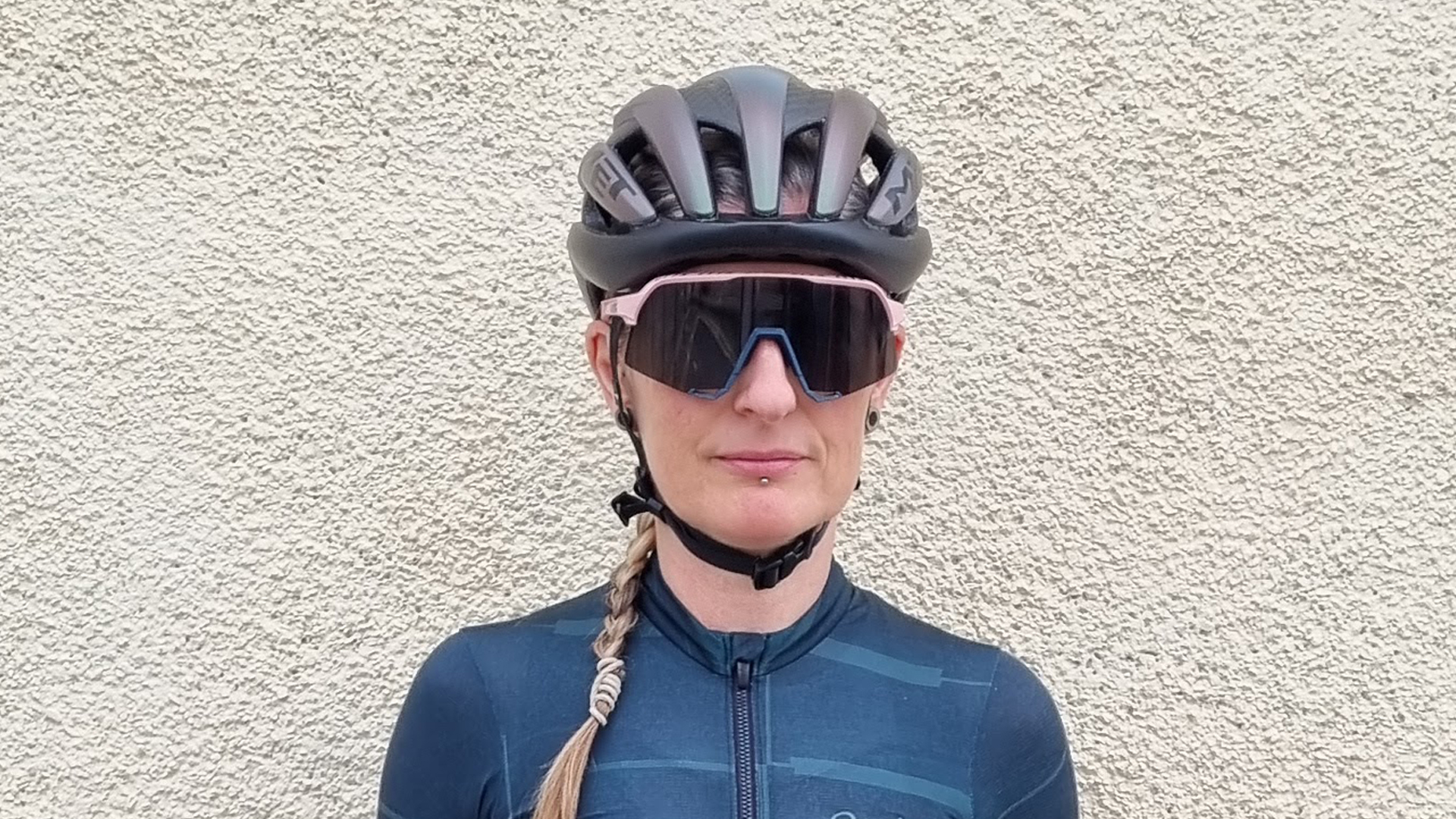
Credit: www.cyclingweekly.com
Helmet Lifespan Basics
Bike helmets protect your head during accidents. They have a limited lifespan to keep you safe. Over time, helmets lose their strength and need replacement.
Knowing how long a helmet lasts helps you avoid using old, unsafe gear. This guide explains the basics of helmet lifespan.
Materials And Durability
Most bike helmets have a hard outer shell and a foam inside. The foam absorbs shock during impacts. Common materials include EPS foam and polycarbonate shells.
Over time, these materials weaken from heat, sweat, and sunlight. The foam can get compressed, and the shell can crack. These changes reduce how well the helmet protects your head.
Manufacturer Guidelines
Helmet makers usually say to replace helmets every 3 to 5 years. This depends on how often you use the helmet and the conditions it faces. Check your helmet’s label or manual for specific advice.
Following these guidelines keeps your helmet reliable. Some brands may have different times based on the helmet type and materials used.
Signs Of Wear And Tear
Look for cracks, dents, or deep scratches on the helmet shell. Check if the foam feels soft or crushed. Straps and buckles should work well and not be frayed or broken.
- Cracks or dents on the shell
- Compressed or damaged foam inside
- Loose or worn straps and buckles
- Faded or brittle plastic parts
If you see these signs, replace your helmet even if it is less than 3 years old. A damaged helmet will not protect you properly in a crash.
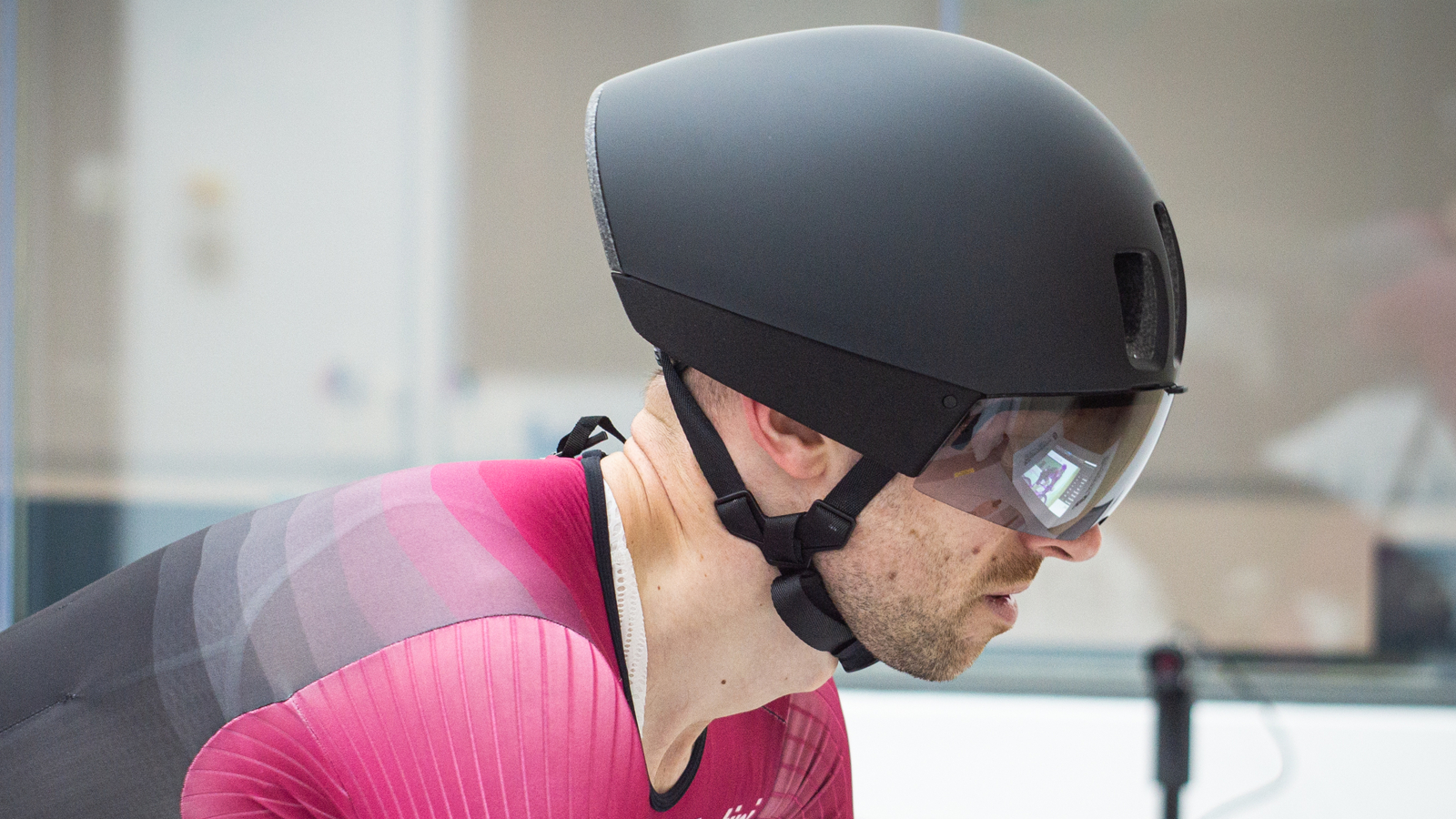
Credit: www.cyclingnews.com
Factors Affecting Helmet Longevity
Bike helmets protect your head during accidents. Knowing how long they last helps you stay safe.
Several factors influence how long a helmet remains effective. These include how often you use it, where you keep it, and how much sun or rain it faces.
Frequency Of Use
The more you use your helmet, the faster it can wear out. Daily riders may need to replace helmets sooner than casual cyclists.
- Helmets used daily can last about 3 to 5 years.
- Helmets used less often may last up to 5 years or more.
- Check your helmet regularly for cracks or damage.
- Replace after any crash, even if no damage shows.
Exposure To Elements
Sunlight, rain, and heat can weaken helmet materials. UV rays break down the plastic shell and foam inside.
| Element | Effect on Helmet | Care Tips |
| Sunlight | Fades color, weakens shell | Store helmet indoors, avoid direct sun |
| Rain | Can soak padding, cause mold | Dry helmet completely after rain |
| Heat | Softens foam, reduces protection | Keep helmet away from hot places |
Storage Conditions
How you store your helmet affects how long it lasts. Avoid places that are too hot, cold, or damp.
Good storage tips include:
- Keep your helmet on a soft shelf or hook.
- Do not leave it in a car on hot days.
- Store away from chemicals or solvents.
- Use a helmet bag to protect from dust.
When To Replace Your Helmet
Bike helmets protect your head during accidents. They lose strength over time.
Knowing when to replace your helmet keeps you safe. Check it regularly for signs.
After A Crash
Always replace your helmet after any crash. The impact may damage it inside.
Even if it looks fine outside, the helmet may not protect well anymore.
- Replace helmet after any fall or collision
- Do not try to fix or reuse it
- Get a new helmet to ensure full safety
Visible Damage
Check your helmet for cracks, dents, or broken straps. These signs mean you need a new one.
Damage weakens the helmet. It cannot protect your head properly after that.
- Look for cracks on the shell
- Check if foam padding is crushed
- Inspect straps and buckles for damage
Age Limits
Helmets get weaker with time. Most experts say to replace them every 3 to 5 years.
Store helmets away from heat and sunlight. These can speed up damage over time.
- Replace helmet every 3-5 years
- Check manufacturer’s date on the label
- Store helmet in cool, dry place
Tips For Extending Helmet Life
Bike helmets protect your head during rides. Keeping them in good shape is important for safety.
Follow simple tips to make your helmet last longer and stay effective.
Proper Cleaning
Clean your helmet often to remove dirt and sweat. Use mild soap and warm water only.
Avoid harsh chemicals or strong detergents that can damage the helmet’s materials.
- Use a soft cloth or sponge
- Do not soak the helmet in water
- Let the helmet air dry naturally
Safe Storage
Store your helmet in a dry, cool place away from direct sunlight. Heat can weaken the helmet.
Keep it away from sharp objects or heavy items that could crush or scratch it.
- Use a helmet bag or soft cloth cover
- Avoid leaving the helmet in a hot car
- Place it on a shelf or hook
Regular Inspections
Check your helmet regularly for cracks, dents, or loose straps. Damage reduces safety.
Replace your helmet after a crash or if you notice any damage. Old helmets may not protect well.
- Look closely at the shell and foam
- Test the straps and buckles for strength
- Check for signs of wear or fading
Choosing A New Helmet
Choosing a new bike helmet is important for your safety and comfort. Helmets do not last forever and need replacing after some years.
Knowing what to look for helps you pick the right helmet that fits well and protects you best.
Safety Certifications
Safety certifications show that a helmet meets certain tests and rules. Look for labels from trusted groups.
- CPSC (Consumer Product Safety Commission) is required in the USA.
- EN 1078 is common in Europe for bike helmets.
- ASTM F1447 covers many types of bike helmets.
- Snell certification means extra high standards.
Fit And Comfort
A helmet must fit snugly and feel comfortable. It should not move when you shake your head.
| Fit Feature | Why It Matters |
| Adjustable straps | Keep the helmet secure on your head |
| Padded liners | Add comfort and reduce pressure points |
| Size options | Help find the perfect fit for different head shapes |
Latest Technology
New helmets use better materials and designs to improve protection and reduce weight.
- Multi-directional Impact Protection System (MIPS) reduces rotational forces.
- In-mold construction makes helmets lighter and stronger.
- Improved ventilation keeps you cooler during rides.
- Reflective details increase visibility in low light.

Credit: velo.outsideonline.com
Frequently Asked Questions
How Long Do Bike Helmets Last Before Replacement?
Bike helmets typically last 3 to 5 years from the manufacture date. Exposure to sunlight and sweat can weaken materials faster. Replace helmets after any crash, even if no damage is visible, to ensure maximum safety.
Can A Bike Helmet Expire If Unused?
Yes, bike helmets can expire even if unused. The materials degrade over time, reducing protection. Most manufacturers recommend replacing helmets every 3 to 5 years regardless of use.
What Factors Reduce Bike Helmet Lifespan?
Sunlight, sweat, and temperature changes weaken helmet materials over time. Frequent crashes or drops can cause hidden damage. Proper care and storage away from extreme conditions help extend helmet life.
Should I Replace A Helmet After A Crash?
Always replace a helmet after a crash. Impact can cause internal damage not visible to the eye. Using a damaged helmet compromises your safety during future rides.
Conclusion
Bike helmets usually last about five years from the date made. Over time, the materials inside can weaken and may not protect you well. Crashes or drops can also damage helmets, even if it looks fine outside. Always check for cracks, dents, or worn straps before use.
Using an old or damaged helmet puts you at risk. Replace your helmet after a crash or when it’s older than five years. Staying safe on your bike starts with a good, reliable helmet. Keep your head protected every ride.