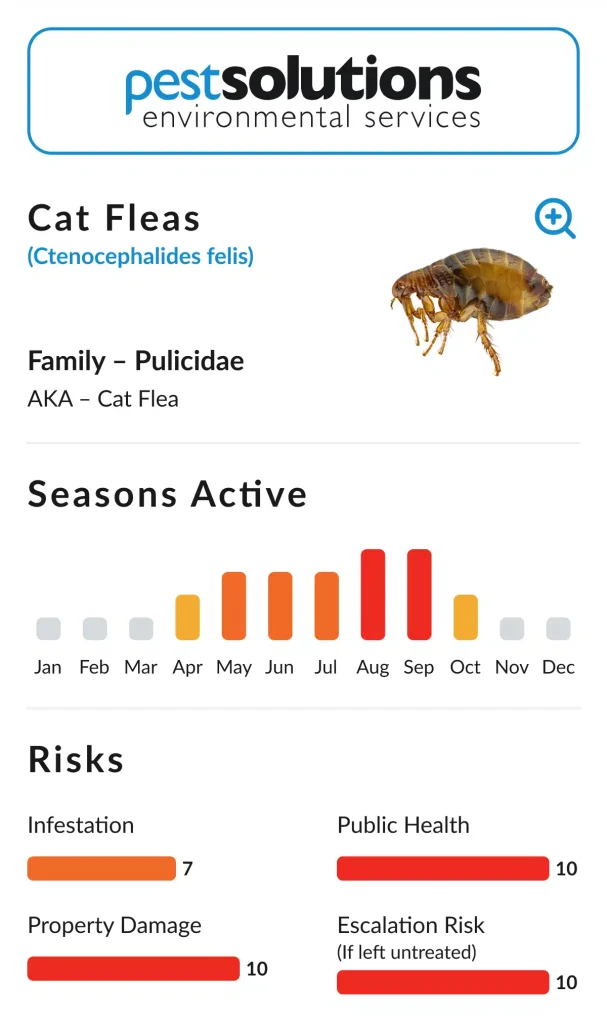
Have you ever wondered if your vacuum cleaner is a secret hideout for fleas? You might be surprised to learn that these tiny pests can find their way into your vacuum and make themselves at home.
But how long can they actually survive in there? Understanding this could be the key to finally winning your battle against these persistent intruders. We’ll uncover the truth about fleas living in your vacuum cleaner, and you’ll discover effective strategies to ensure your home stays flea-free.
Stick around—your peace of mind depends on it!

Credit: romneypestcontrol.com
Flea Life Cycle Basics
Understanding the flea life cycle is crucial if you want to effectively deal with these persistent pests, especially when considering how long they might survive inside your vacuum cleaner. Fleas undergo several stages before becoming the biting adults we often notice. Each stage has unique characteristics that affect their survival and how you should approach cleaning and pest control.
Stages Of Flea Development
The flea life cycle includes four main stages:
- Egg:Tiny and white, flea eggs are often laid on your pet but quickly fall into carpets, bedding, or cracks in the floor.
- Larva:These worm-like creatures avoid light and feed on organic debris, including adult flea feces.
- Pupa:Encased in a cocoon, the pupal stage can last days or months, depending on environmental conditions.
- Adult:Once emerged, adults seek a host to feed on blood and reproduce, continuing the cycle.
Each stage has varying levels of resistance to environmental factors. Knowing this helps you understand why fleas can be so hard to eliminate and why vacuuming alone might not be enough.
Survival Outside Hosts
Fleas can survive off a host for a surprising amount of time, but it depends heavily on their stage and environment.
Adult fleas typically need a blood meal within 1-2 weeks to survive. Larvae and pupae are more resilient and can wait longer for favorable conditions.
Inside a vacuum cleaner, the environment is dark and contains organic matter, which could allow some flea stages, especially pupae, to survive for weeks. However, the lack of a blood source means adult fleas cannot live long.
Have you ever wondered if just vacuuming is enough to stop flea infestations? Understanding these survival tactics might change how you approach cleaning and pest control in your home.
Vacuum Cleaners And Fleas
Vacuum cleaners are a common tool in the fight against fleas, but how effective are they really? Understanding the relationship between fleas and vacuum cleaners can help you use your vacuum more strategically. Let’s look closer at how fleas interact with your vacuum and what happens to them once inside.
How Fleas Enter Vacuums
Fleas are tiny and quick, making it easy for them to get sucked up by your vacuum’s nozzle. They often hide in carpets, upholstery, and pet bedding where your vacuum cleans.
When you vacuum, fleas can be drawn in along with dirt, hair, and debris. Even flea eggs and larvae can be picked up if they’re on the surface.
Flea Survival Inside Vacuum Bags
Surprisingly, fleas can sometimes survive inside vacuum bags or canisters. The dark, warm environment can protect them for several days, especially if the bag is not sealed tightly.
This means that emptying your vacuum bag or canister immediately after use is crucial. Leaving it full could allow fleas to escape back into your home.
Effect Of Vacuum Suction On Fleas
Vacuum suction can injure or kill many fleas, but it isn’t always lethal. Some fleas may survive the initial suction and remain active inside the vacuum.
Powerful vacuums with strong suction tend to be more effective at killing fleas on contact. However, relying solely on vacuuming won’t eliminate an infestation completely.
Have you noticed fleas reappearing shortly after vacuuming? That’s a sign you need to combine cleaning with other flea control methods.
Factors Affecting Flea Survival
Understanding what influences flea survival inside a vacuum cleaner can help you tackle infestations more effectively. Fleas are surprisingly resilient, but certain conditions inside your vacuum can either shorten or extend their lifespan. Let’s break down the key factors that affect how long these pests can live once trapped.
Temperature And Humidity Inside Vacuum
Fleas thrive in warm and humid environments. Inside a vacuum cleaner, the temperature can vary depending on how long it’s been running and the surrounding air. If the vacuum bag or container stays warm and moist, fleas might survive longer than you expect.
Dry and cooler conditions inside the vacuum tend to reduce flea survival. Have you noticed a musty smell in your vacuum after use? This could indicate trapped moisture, creating a cozy spot for fleas to hang around. To limit their survival, try to store your vacuum in a cool, dry place after use.
Vacuum Type And Design
The design of your vacuum plays a big role in flea containment. Bagged vacuums can trap fleas securely, but some models may allow air and pests to escape if the bag isn’t sealed properly. On the other hand, bagless vacuums with a clear container might let fleas find tiny gaps to survive or even crawl back out.
High-efficiency vacuums with HEPA filters can trap fleas and their eggs more effectively. But the downside? If you don’t empty or clean the container right away, fleas might remain alive inside. Have you ever emptied a vacuum and spotted tiny moving specks? Those could be live fleas surviving due to your vacuum’s design.
Duration Of Containment
The longer fleas stay inside the vacuum, the less likely they are to survive. However, fleas can live for several days inside a vacuum if conditions are favorable. This means that simply vacuuming once might not be enough to eliminate an infestation.
Emptying the vacuum immediately after use is crucial. Leaving it sealed for hours or days gives fleas time to hide and potentially reinfest your home. Ask yourself: how often do you empty your vacuum after cleaning? Making it a habit can drastically reduce flea survival.

Credit: sterilus.lt
Preventing Flea Infestations
Preventing flea infestations starts with understanding how these pests survive and spread, especially in your home environment. Fleas can hide in carpets, furniture, and even your vacuum cleaner, making it crucial to manage both your cleaning habits and how you handle vacuum contents. Taking control early can save you from a persistent and frustrating flea problem.
Vacuuming Techniques To Control Fleas
Vacuuming regularly is one of the best ways to reduce flea populations in your home. Focus on areas where pets rest, as fleas often concentrate there. Use slow, deliberate strokes to suck up fleas, eggs, and larvae effectively.
Don’t forget to vacuum under furniture and along baseboards where fleas might hide. Consider using a vacuum with strong suction and a HEPA filter to trap tiny flea particles. Changing or emptying the vacuum bag frequently helps prevent fleas from escaping back into your living space.
Cleaning And Disposing Vacuum Contents
After vacuuming, it’s important to clean the vacuum cleaner thoroughly to stop fleas from living inside it. Empty the vacuum bag or canister immediately into a sealed plastic bag to trap fleas and eggs. Dispose of this bag outside your home to avoid reinfestation.
Wipe down vacuum parts and filters with warm, soapy water, then let them dry completely before reassembling. Some people overlook this step, but it’s essential for breaking the flea life cycle. Would you rather deal with fleas hopping back out or take a few extra minutes to clean?
Additional Flea Control Measures
Vacuuming alone might not be enough to stop fleas. Use flea treatments on your pets recommended by veterinarians, such as topical solutions or oral medications, to kill fleas at their source. Wash pet bedding and your own linens in hot water weekly to remove eggs and larvae.
Consider using flea sprays or powders on carpets and furniture, but always follow product instructions carefully. If the infestation is severe, consulting a pest control professional might be necessary to get full control. What steps are you willing to take to keep your home flea-free for good?
Myths About Fleas In Vacuums
Many people worry that fleas trapped in a vacuum cleaner can continue to live and multiply, causing more problems later. This concern has led to several myths about the survival of fleas inside vacuum bags or canisters. Understanding what really happens can help you use your vacuum more effectively and reduce flea infestations in your home.
Common Misconceptions
One common myth is that fleas can survive for weeks inside a vacuum cleaner and then escape to reinfest your house. Some believe that the vacuum only injures fleas but does not kill them. Others think that the vacuum’s suction is not strong enough to trap flea eggs or larvae, allowing them to develop inside the machine.
These ideas often come from stories shared by pet owners frustrated with repeated flea problems. You might have heard that you need to immediately empty or freeze the vacuum bag to stop fleas from spreading. But does this advice hold up under scrutiny?
Scientific Evidence
Research shows that most fleas do not survive long after being vacuumed. The suction and impact usually kill adult fleas or severely injure them, preventing escape. Flea eggs and larvae, while tougher, generally do not hatch or thrive in the dark, dry environment inside a vacuum.
Studies also reveal that flea eggs need warmth and humidity to develop, conditions rarely found inside a vacuum cleaner. That means flea eggs stuck in vacuum bags usually die rather than hatch. Still, experts recommend emptying or disposing of the vacuum contents soon after cleaning to minimize any risk.
Have you noticed fewer fleas after vacuuming your carpets regularly? That’s no coincidence. Vacuuming disrupts the flea life cycle and removes many fleas before they can multiply. So, rather than fearing your vacuum cleaner as a flea haven, use it as a powerful tool in your flea control routine.
Credit: dirtbusters.co.uk
Frequently Asked Questions
How Long Can Fleas Survive Inside A Vacuum Cleaner?
Fleas can live up to several days inside a vacuum cleaner if trapped. However, lack of food and air reduces their survival time significantly.
Do Fleas Die Immediately After Vacuuming?
No, fleas don’t die immediately after vacuuming. Some may survive inside the vacuum bag or container for days without a food source.
Can Vacuuming Alone Eliminate Fleas From Your Home?
Vacuuming helps reduce flea numbers but won’t fully eliminate them. Combine vacuuming with treatments like insecticides or flea sprays for best results.
Does Vacuum Bag Type Affect Flea Survival Rate?
Yes, sealed vacuum bags trap fleas more effectively and reduce survival chances. Bagless vacuums may allow fleas to escape or survive longer.
Conclusion
Fleas can survive inside a vacuum cleaner for a short time. They need warmth and food to live longer. Empty the vacuum bag or bin often to stop fleas from coming back. Clean your home regularly to keep fleas away.
Using a vacuum helps reduce flea numbers but does not kill all of them. Combine vacuuming with other flea control methods for best results. Staying consistent is key to managing fleas effectively. Keep your pets treated to prevent flea problems.
Fleas won’t last long without a host or food source.