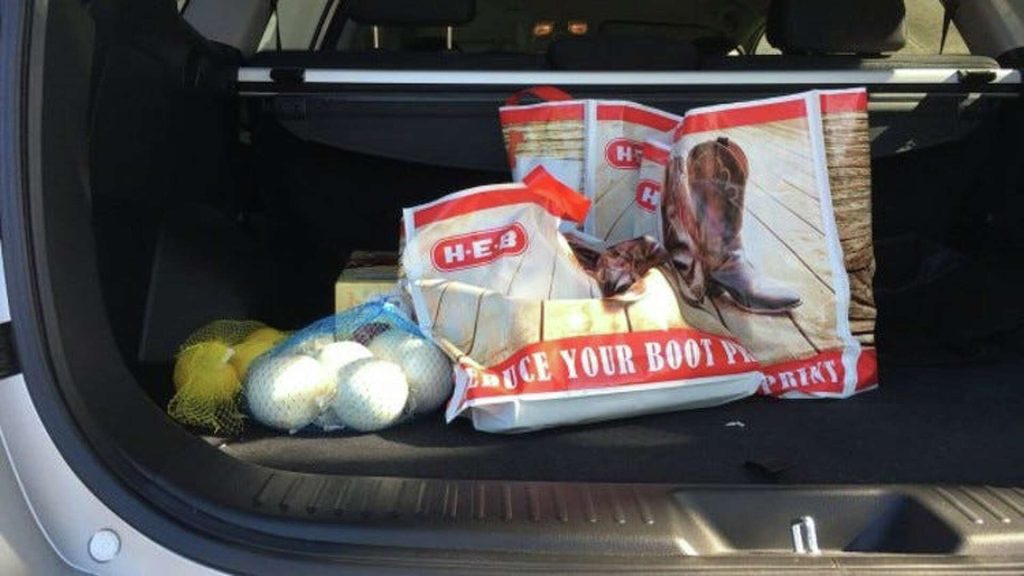
Have you ever left your groceries in the car for a while and wondered, “Is this still safe to eat?” You’re not alone. Knowing how long your groceries can sit in the car is crucial to keeping your food fresh and your family healthy.
You’ll discover simple guidelines to avoid food spoilage and save money by preventing waste. Keep reading to find out exactly how long your groceries can stay in the car before they become risky. Your next shopping trip will never be the same!
Groceries And Temperature Risks
Groceries are sensitive to temperature changes, and leaving them in your car can quickly affect their safety and quality. Understanding how heat and cold impact food helps you decide how long your groceries can stay in the car without risk. Let’s look at the temperature risks that groceries face in different weather conditions.
Impact Of Heat On Food Safety
Heat speeds up bacterial growth, especially in perishable items like meat, dairy, and fresh produce. If your car gets hot, these foods can become unsafe in less than an hour. Have you ever forgotten groceries in a hot car and later wondered if they were still good? That’s because bacteria multiply rapidly between 40°F and 140°F, known as the “danger zone.”
Leaving groceries in a hot car for more than an hour increases the risk of foodborne illness. Even sealed packages can’t stop bacteria from growing once the temperature climbs. To protect your groceries, unload cold items immediately and use insulated bags or coolers if you expect to be away for a while.
Cold Weather Effects On Groceries
Cold temperatures generally slow down bacterial growth, but freezing can damage some food textures and flavors. Items like leafy greens or soft fruits may get mushy or wilted if left in freezing conditions inside your car. On the other hand, frozen foods can benefit from the cold, staying frozen longer during short trips.
However, extreme cold can cause cans and glass jars to crack or burst due to expansion. You might not think cold is a risk, but it can ruin certain groceries just as heat does. Have you ever found your frozen veggies turned to ice chunks or your soda cans dented after a winter trip? That’s the cold’s effect on groceries.
Keep in mind how long your groceries sit in the car based on outside temperatures, and plan accordingly to keep food safe and fresh.

Credit: www.dreamstime.com
Safe Time Limits For Groceries In Car
Knowing how long groceries can safely stay in your car helps prevent food spoilage and illness. Different types of groceries have different safe time limits. Temperature inside the car affects how quickly food goes bad. Perishable foods need more care and shorter time outside refrigeration. Non-perishable foods last longer but still have limits in hot conditions.
Perishable Foods Time Frame
Perishable foods include meat, dairy, eggs, and fresh produce. These items spoil quickly at warm temperatures. Keep these foods out of the car for no more than 1 to 2 hours. If the outside temperature is above 90°F (32°C), reduce this time to 1 hour or less. After this, bacteria grow fast and can cause food poisoning. Use coolers or insulated bags to extend safe time.
Non-perishable Foods Duration
Non-perishable foods like canned goods, dried pasta, and snacks last longer in the car. These items can stay safely for several hours or even days. Heat can still damage packaging and quality over time. Avoid leaving these foods in the car for more than a day in hot weather. Check for swelling or damage before using. Store non-perishables in a cool, dry place when possible.
Signs Of Spoiled Groceries
Groceries left in a warm car can spoil quickly. Knowing the signs of spoiled groceries helps keep you safe. Spoiled food can cause stomach issues or worse. Always check groceries carefully before use.
Visual And Smell Indicators
Look for changes in color or spots on food. Mold, dark patches, or slimy layers show spoilage. Fruits and vegetables may look mushy or shriveled. Dairy products might have a yellow or green tint.
Smell is a strong sign of spoiled groceries. Sour, rotten, or strange odors mean the food is bad. Trust your nose and avoid eating anything that smells off.
Texture Changes To Watch For
Texture can tell a lot about food freshness. Meat that feels sticky or slimy is unsafe. Bread that is hard or crumbly means it is stale. Vegetables that are soft or mushy have lost freshness.
Many spoiled foods lose their firmness or become too soft. Always handle groceries gently and notice any unusual texture changes.
Credit: www.consumerreports.org
Tips To Keep Groceries Fresh
Keeping groceries fresh after shopping can be a challenge. Warm cars speed up spoilage, especially for perishables. Simple habits help maintain food quality and safety. Proper storage and transport protect your groceries from heat and damage.
Using Coolers And Ice Packs
Coolers keep food cold for longer periods. Ice packs maintain a steady low temperature inside the cooler. Place frozen and refrigerated items together to stay cold. Use insulated bags for short trips to protect freshness.
- Choose a cooler size that fits your groceries.
- Freeze ice packs overnight before shopping.
- Pack the cooler tightly to reduce air space.
- Keep the cooler in a shaded part of the car.
Organizing Groceries Efficiently
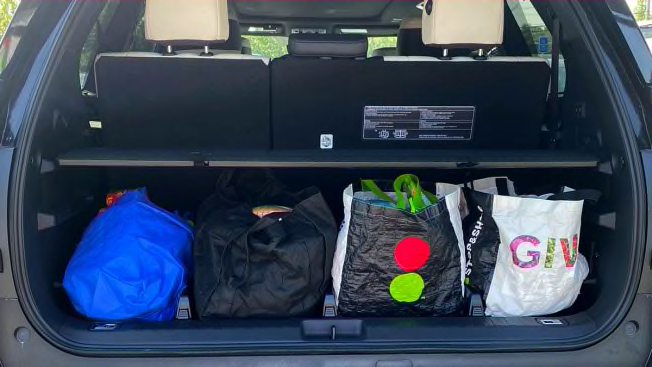
Proper grocery arrangement prevents damage and spoilage. Separate raw meats from fruits and vegetables. Place heavy items at the bottom and fragile ones on top. Use bags or bins to avoid items rolling around during transit.
- Group cold items together near the car’s air vents.
- Keep dairy and meat in insulated bags.
- Store produce in a cool, dry spot of the car.
- Unload groceries as soon as possible after arriving home.
Handling Groceries After Transport
Handling groceries after transport is crucial to keep your food fresh and safe to eat. The time groceries spend in your car can affect their quality, especially perishables like dairy, meat, and frozen items. Knowing how to properly manage your groceries once you get home can save you from food waste and potential health risks.
Proper Storage At Home
Once you bring your groceries inside, unpack them quickly to prevent spoilage. Store cold items like milk, cheese, and meat in the refrigerator immediately. Frozen foods should go straight into the freezer to maintain their quality.
Organize your fridge to keep items at their ideal temperature. Place raw meat on the bottom shelf to avoid cross-contamination. Use clear containers or labels to track when items were purchased or opened.
Dry goods such as bread, canned foods, and snacks should be kept in a cool, dry place. Avoid storing bread near the stove or in humid areas to prevent mold growth. Think about grouping similar items together to make meal prep easier and faster.
When To Discard Items
Ask yourself if the groceries have been in your car for too long, especially on warm days. Perishable items left in a hot car for more than two hours can become unsafe to eat. If you’re unsure, it’s better to err on the side of caution and throw them away.
Look for signs of spoilage such as off smells, discoloration, or slimy textures. Even if something looks okay, if it’s been exposed to unsafe temperatures, it can still harbor harmful bacteria. Trust your senses and don’t take unnecessary risks with your health.
Consider keeping a small cooler with ice packs in your car for longer trips. This simple tool can extend the safe time for perishable groceries during transport. How often have you tossed food because it sat too long in your vehicle?
Credit: www.houndsy.com
Frequently Asked Questions
How Long Can Groceries Sit In A Hot Car?
Groceries can spoil quickly in a hot car, typically within 1-2 hours. Heat accelerates food spoilage, especially for perishables like meat and dairy. It’s best to transfer groceries to a cooler environment as soon as possible to maintain their freshness and safety.
Are Frozen Foods Safe In The Car?
Frozen foods can begin to thaw if left in a car for more than 1-2 hours. Once thawed, they must be cooked or consumed quickly. To keep them safe, use insulated bags or a cooler with ice packs if traveling long distances.
Can Canned Goods Stay In The Car Overnight?
Canned goods are more resilient to temperature changes. However, extreme temperatures can affect their quality over time. It’s generally safe to leave them in the car overnight, but avoid prolonged exposure to high heat to maintain their best quality.
How Can I Keep Groceries Fresh In The Car?
To keep groceries fresh, use insulated bags or coolers with ice packs. Park in shaded areas to minimize heat exposure. Plan errands to minimize the time groceries stay in the car. This helps maintain their freshness and safety during transport.
Conclusion
Groceries should not stay long in a hot car. Cold items can spoil quickly and cause illness. Try to bring groceries inside as soon as you can. Use coolers or ice packs for longer trips. Keep perishable foods under two hours outside the fridge.
Remember, safety comes first with your food. Taking small steps helps keep your groceries fresh. Stay mindful of temperature and time during transport. This simple care protects your health and saves money.