
Imagine opening your pantry and finding perfectly fresh food waiting for you, even months after you bought it. Sounds like a dream, right?
That’s the magic of vacuum packing. If you’ve ever wondered how long vacuum packed food can last, you’re not alone. This method can significantly extend the shelf life of your food, saving you money and reducing waste. But how long is “long,” exactly?
And how can you make sure you’re storing your food safely? Dive into this guide to uncover the secrets of vacuum packing and learn how to make the most of your meals. You won’t want to miss these tips that could change the way you store and preserve your food forever.
Vacuum Packing Basics
Understanding vacuum packing basics is key to knowing how long your food can last. Vacuum packing removes air from the packaging, which slows down the spoilage process. This simple step can make a big difference in preserving freshness and extending shelf life.
How Vacuum Sealing Works
Vacuum sealing removes air from the package before sealing it tightly. Without air, the growth of bacteria and mold slows down significantly. This process helps prevent freezer burn and keeps food textures intact.
Think about it this way: when you store meat in the fridge without vacuum sealing, exposure to air causes it to dry out and spoil faster. Vacuum sealing creates a protective barrier, making your food last longer.
Benefits Of Vacuum Packing
- Extended Shelf Life:Vacuum packing can extend the life of fresh foods by two to five times compared to traditional storage.
- Space Saving:Removing air shrinks the package size, helping you organize your freezer or pantry better.
- Reduced Food Waste:You keep food fresher longer, so you throw away less.
- Maintains Flavor and Nutrients:Vacuum-packed food retains its taste and nutritional value better than those stored in regular containers.
Have you ever noticed how leftovers lose their flavor quickly in the fridge? Vacuum packing stops this from happening, keeping your meals as tasty as when you first cooked them.

Credit: angusmeatsdirect.com
Factors Affecting Shelf Life
Several factors influence how long vacuum packed food can last. These elements impact food safety and quality over time. Understanding these factors helps in proper storage and reduces waste.
Type Of Food
Different foods have different shelf lives even when vacuum sealed. Meats, cheeses, and vegetables spoil at varying rates. Fatty foods tend to go rancid faster. Dry foods like nuts last longer due to low moisture.
Storage Temperature
Temperature plays a key role in food preservation. Lower temperatures slow down bacteria growth and enzyme activity. Vacuum packed food stays fresh longer in the fridge or freezer. Room temperature storage shortens shelf life significantly.
Packaging Quality
Good packaging prevents air and moisture from entering. Strong, airtight seals keep food fresh and safe. Poor packaging allows air leaks, causing spoilage. Using high-quality vacuum bags extends the shelf life noticeably.
Shelf Life Of Common Foods
Understanding the shelf life of vacuum-packed foods can help you reduce waste and save money. Vacuum sealing removes air, slowing down the growth of bacteria and mold. However, the duration varies widely depending on the type of food and storage conditions.
Meat And Poultry
Vacuum-packed raw meat and poultry can last significantly longer than those stored conventionally. For example, beef can stay fresh for up to 2-3 weeks in the fridge when vacuum sealed, compared to just a few days normally.
Frozen vacuum-packed meat can last 1-3 years without losing quality. Have you ever noticed how your store-bought vacuum-sealed chicken lasts much longer than the fresh packs? That’s the power of removing air.
Seafood
Seafood is highly perishable, but vacuum packing extends its shelf life effectively. Fresh fish kept in the fridge can last about 1-2 weeks when vacuum sealed, compared to just 1-2 days when unpacked.
Freezing vacuum-packed seafood can preserve it for up to 2 years. If you enjoy fresh sushi-grade fish, vacuum sealing is a must to maintain its freshness until you’re ready to eat.
Fruits And Vegetables
Vacuum sealing slows down spoilage in many fruits and vegetables but doesn’t stop enzymatic changes. Most vegetables last about 1-2 weeks in the fridge when vacuum packed.
Some fruits, like berries, last longer—up to 2 weeks vacuum sealed—compared to a few days otherwise. Have you tried vacuum-sealing sliced apples? It keeps them crisp and fresh much longer than just refrigeration.
Cheese And Dairy
Hard cheeses such as cheddar or parmesan can last 4-8 months vacuum packed in the fridge. Soft cheeses, however, last less time due to their moisture content—about 1-2 weeks.
Vacuum sealing blocks mold spores and slows drying out, which means you can enjoy cheese longer without sacrificing flavor or texture.
Dry Goods And Snacks
Dry foods like nuts, coffee, and snacks keep their freshness and crunch for months when vacuum sealed. For example, vacuum-packed coffee beans can last up to a year without losing aroma.
Have you ever noticed how vacuum sealing snacks prevents them from going stale? It’s a simple trick that keeps your pantry items tasting fresh longer.
Freezing Vs Refrigeration
Deciding between freezing and refrigeration for vacuum packed food can make a big difference in how long your food stays fresh and safe. Both methods slow down spoilage but do so at different speeds and with different effects on texture and flavor. Understanding these differences helps you make better choices for storing your meals.
Impact On Shelf Life
Freezing slows down bacterial growth almost completely, allowing vacuum packed food to last for months or even years. For example, vacuum sealed meat kept in the freezer can last 1-3 years without significant quality loss.
Refrigeration, on the other hand, only slows down bacteria and mold growth. Vacuum packed food in the fridge typically lasts from 1 to 2 weeks, depending on the type of food and how fresh it was before packing.
Have you ever noticed how frozen leftovers keep their taste better than refrigerated ones after a week? That’s because freezing preserves the food’s quality for longer periods.
Best Practices For Each Method
- Freezing:Make sure your vacuum seal is airtight to prevent freezer burn. Label packages with dates to keep track of storage time. Freeze food quickly after packing to lock in freshness.
- Refrigeration:Keep vacuum packed food at a constant temperature below 40°F (4°C). Avoid opening the package frequently to maintain the vacuum seal. Consume refrigerated vacuum packed food within 1-2 weeks for best taste and safety.
Choosing the right storage method depends on how soon you plan to eat your food. Are you saving a meal for tomorrow or stocking up for a month? Adjust your storage to match your eating habits and reduce waste.
Signs Of Spoilage
Knowing the signs of spoilage in vacuum packed food is essential to keep your meals safe and tasty. Even with vacuum sealing, food doesn’t last forever. Identifying spoilage early helps you avoid unpleasant surprises and health risks.
Visual Changes
Check your vacuum packed food closely for any color shifts. If meat turns grayish or greenish, or vegetables look unusually dark or slimy, it’s a warning sign. Also, look for mold spots or any cloudy liquid inside the package, which often means bacteria are growing.
Odor And Texture
Open the package and take a careful sniff. A sour, rancid, or off smell means the food has likely gone bad. Texture changes matter too—if the food feels sticky, slimy, or mushy when it should be firm, it’s time to toss it out.
When To Discard
If you notice any unusual visual or smell signs, don’t take risks with your health. Vacuum packing slows spoilage but doesn’t stop it completely. If in doubt, throw it out—you’re better off wasting a bit than getting sick.

Credit: www.volmarpackaging.it
Tips For Maximizing Shelf Life
Maximizing the shelf life of vacuum packed food depends on a few key actions you can take right at home. Paying attention to the sealing process, storage conditions, and hygiene can make a big difference in how long your food stays fresh and safe. Let’s dig into some practical tips that you can start using today to extend the life of your vacuum sealed goods.
Proper Sealing Techniques
Ensuring a strong, airtight seal is crucial. Even a tiny gap can let air in, leading to faster spoilage. Always check the sealing strip for cleanliness and dryness before sealing your food.
Use the right temperature settings on your vacuum sealer to match the type of food—wet foods require a different setting than dry ones. If you notice wrinkles or folds in the bag, reseal it because these can create pockets where air sneaks in. Have you ever opened a vacuum sealed bag only to find it partially unsealed? Avoid this by double sealing for extra protection.
Storage Recommendations
Store your vacuum packed food in a cool, dark place to slow down bacterial growth. The fridge is ideal for short-term storage, while the freezer works best for longer periods. Label each package with the date you sealed it to keep track of freshness.
- Keep vacuum packed meat in the freezer for up to 2-3 years, but try to use it within a year for best taste.
- Vegetables can last 1-2 years when frozen and vacuum sealed.
- Dry goods like nuts and grains often stay fresh for 1-2 years.
Have you ever forgotten about a package in your freezer and found it months later? Proper labeling helps you avoid waste and enjoy your food at its best quality.
Avoiding Cross-contamination
Cross-contamination can ruin your vacuum packed food quickly. Always handle raw and cooked foods separately and clean surfaces thoroughly before sealing. Using separate bags and sealing equipment for different types of food reduces the risk of bacteria transfer.
Make it a habit to wash your hands before handling food and sealing bags. Even the smallest bit of contamination can cause spoilage inside a vacuum sealed package. Think about the last time you prepped food—did you clean your workspace well enough to protect what you sealed?
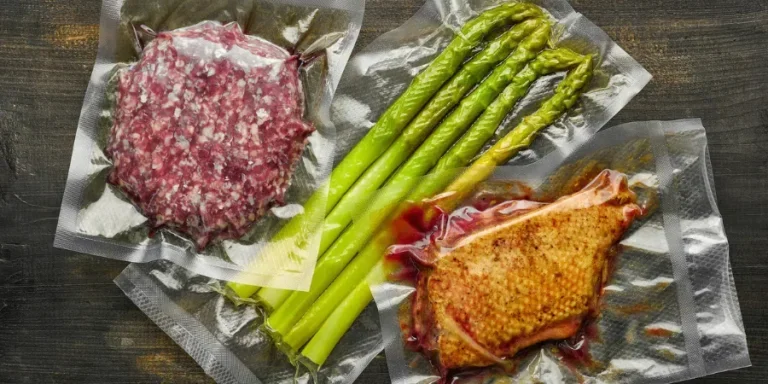
Credit: reads.alibaba.com
Frequently Asked Questions
How Long Does Vacuum Packing Extend Food Shelf Life?
Vacuum packing removes air, slowing spoilage and bacteria growth. It can extend shelf life from days to months. For example, vacuum-packed meats last 1-2 weeks in the fridge, compared to 3-5 days unpacked.
Can Vacuum-packed Food Be Frozen For Longer Storage?
Yes, vacuum-packed food freezes well and lasts longer. Freezing stops bacteria growth, preserving texture and flavor. Vacuum-sealed frozen meats can last up to 2-3 years without freezer burn.
Is Vacuum Packing Safe For All Food Types?
Most foods are safe for vacuum packing, including meats, vegetables, and cheese. However, soft cheeses and fresh mushrooms may spoil faster. Avoid vacuum packing raw garlic or onions, as they can develop harmful bacteria.
Does Vacuum Packing Affect Food Taste Or Quality?
Vacuum packing preserves food taste and quality by preventing oxidation and freezer burn. It keeps flavors fresh and textures intact longer than traditional storage methods.
Conclusion
Vacuum packing helps food last longer by keeping air out. It slows down spoilage and keeps flavors fresh. Still, food safety depends on the type of food and storage conditions. Always check for signs of spoilage before eating. Store vacuum-packed food in cool, dry places or the freezer.
Proper handling extends shelf life and reduces waste. Remember, vacuum packing is a helpful tool, but not a guarantee. Stay aware and enjoy your food safely for longer.