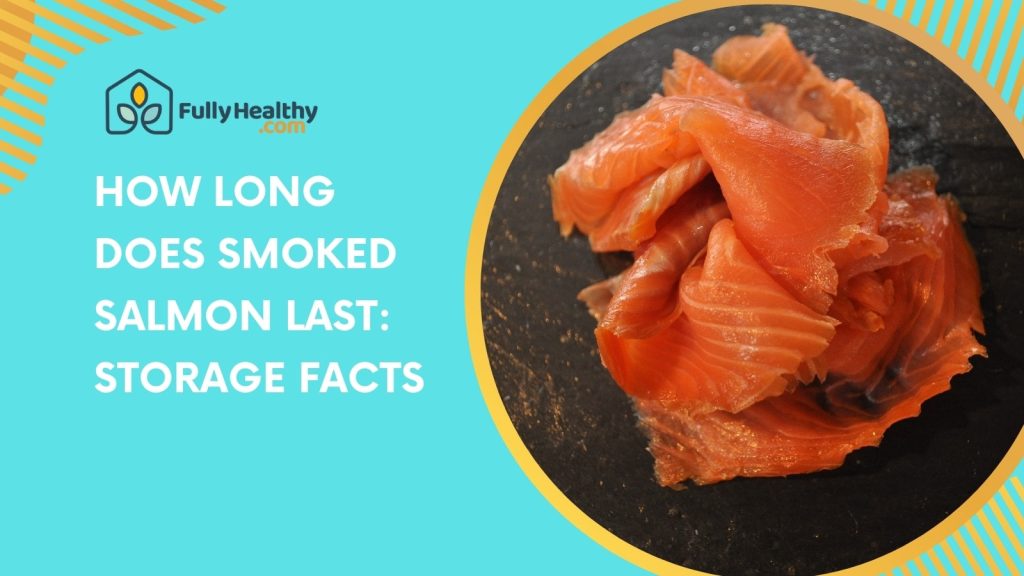
Have you ever found yourself wondering how long that vacuum-sealed salmon sitting in your fridge is actually good for? You’re not alone.
It’s a common question for many who enjoy the rich, delightful taste of salmon but want to ensure they’re eating it at its freshest. Imagine this: You’re about to prepare a delicious meal, and you pull out that perfectly sealed salmon, only to hesitate, questioning if it’s still safe to eat.
Sounds familiar, doesn’t it? This article will give you the clear answers you need, putting your mind at ease and ensuring that your salmon dishes are always delectable and safe. Discover the secrets to maximizing the shelf life of your vacuum-sealed salmon and never waste a precious fillet again. Dive into the details, and let’s keep your meals both tasty and safe!

Credit: fullyhealthy.com
Shelf Life Of Vacuum Sealed Salmon
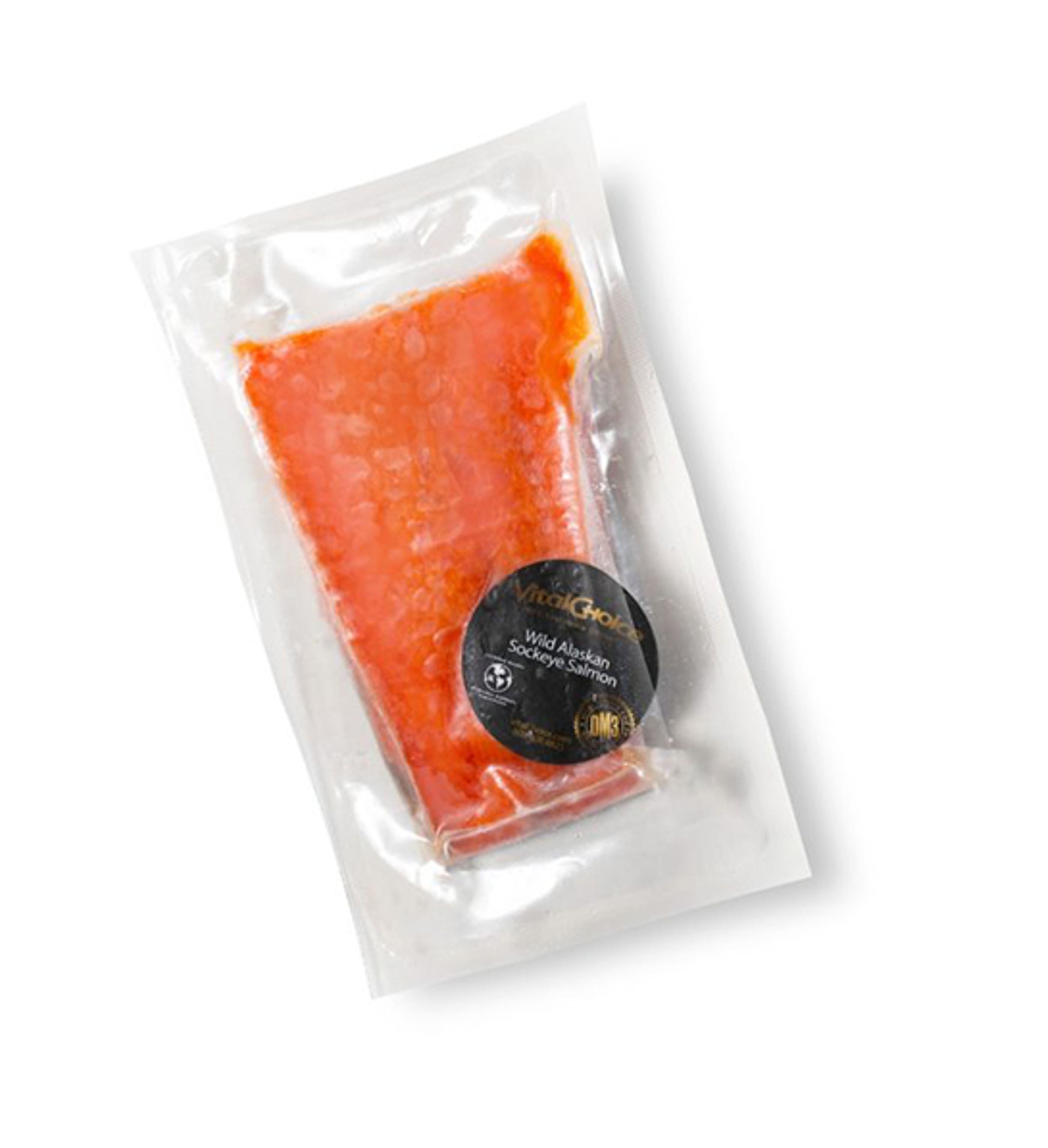
Vacuum sealing salmon is a popular way to keep it fresh longer. It slows down spoilage by removing air and sealing in flavor. Knowing the shelf life helps avoid waste and foodborne illness. This section explains how long vacuum sealed salmon lasts in the fridge.
Fresh Salmon Vs. Vacuum Sealed
Fresh salmon lasts only a few days in the fridge. Usually, it stays good for 1 to 2 days after purchase. Exposure to air speeds up spoilage.
Vacuum sealed salmon stays fresh much longer. Removing air slows bacteria growth and oxidation. This process extends shelf life by several days or even weeks.
Typical Storage Duration
- Fresh salmon: 1-2 days in the fridge
- Vacuum sealed salmon: 7-10 days in the fridge
- Vacuum sealed and frozen salmon: up to 6 months
These time frames depend on fridge temperature and packaging quality. Keep the fridge below 40°F (4°C) for best results.
Factors Affecting Shelf Life
- Temperature:Warmer temps shorten shelf life.
- Packaging:Proper vacuum sealing is key.
- Freshness at packing:Fresher salmon lasts longer.
- Handling:Clean hands and surfaces prevent contamination.
- Storage location:Store salmon in the coldest fridge spot.
Credit: www.vitalchoice.com
Storage Tips For Vacuum Sealed Salmon
Storing vacuum sealed salmon correctly helps keep it fresh longer. Proper storage slows spoilage and maintains taste. Follow these simple tips to protect your salmon in the fridge.
Optimal Fridge Temperature
Keep your fridge temperature between 32°F and 38°F (0°C to 3°C). This range slows bacterial growth and keeps salmon safe to eat. Use a fridge thermometer to check the temperature regularly. Avoid frequent opening of the fridge door to maintain steady coolness.
Handling Before Sealing
Handle salmon with clean hands or gloves to prevent contamination. Rinse the fish under cold water and pat dry with paper towels. Remove any bones or skin if desired. Work quickly to keep the fish cold before sealing. Cold salmon seals better and lasts longer.
Best Practices For Sealing
- Use high-quality vacuum bags designed for food storage.
- Place the salmon flat inside the bag to avoid air pockets.
- Seal tightly to remove as much air as possible.
- Check the seal for leaks before placing the salmon in the fridge.
- Label the package with the date of sealing for easy tracking.
Signs Of Spoiled Salmon
Knowing the signs of spoiled salmon can save you from an unpleasant meal and potential health risks. Even vacuum-sealed salmon can go bad if stored too long in the fridge. Paying attention to subtle changes helps you decide if the fish is still safe to eat.
Changes In Appearance
Fresh salmon has a bright, vibrant pink or orange color. If you notice dullness, dark spots, or discoloration, it’s a red flag. Also, if the flesh looks slimy or has an unusual sheen, it’s a sign the salmon is deteriorating.
Have you ever opened a vacuum-sealed pack and seen grayish patches? That’s a clear warning to avoid eating it.
Unusual Odor
Salmon should smell like the ocean—fresh and mild. If you detect a strong sour, ammonia, or rotten fish smell, throw it away immediately. Trust your nose; it’s often the first indicator that something’s wrong.
Sometimes the smell can be faint but off-putting. Even slight changes in odor mean the salmon isn’t fresh anymore.
Texture Differences
Good salmon feels firm and slightly springy to the touch. Spoiled salmon often becomes mushy, slimy, or sticky. If the texture feels off, it’s best not to risk eating it.
Remember, vacuum sealing can sometimes trap moisture, which accelerates texture changes. Don’t ignore any unusual softness or sliminess on your fish.
Freezing Vacuum Sealed Salmon
Freezing vacuum sealed salmon is a smart way to keep this nutritious fish fresh for longer periods. By removing air and sealing it tightly, you reduce the risk of freezer burn and slow down spoilage. But how you freeze, thaw, and store it afterward can make a big difference in taste and texture.
Extending Shelf Life
Vacuum sealing salmon before freezing can extend its shelf life up to 6-12 months. This is much longer than the typical 2-3 months for salmon stored without vacuum sealing. The absence of air limits oxidation and bacterial growth, preserving freshness.
Make sure your freezer stays at 0°F (-18°C) or below to maintain quality. Label the package with the freezing date so you can keep track. Have you ever found forgotten fish in your freezer that didn’t taste right? Vacuum sealing helps avoid that problem.
Thawing Methods
Thawing salmon properly is key to keeping its texture and flavor intact. The best way is to place the vacuum sealed salmon in the fridge overnight. This slow thaw allows the fish to defrost evenly without losing moisture.
If you’re short on time, submerge the sealed package in cold water, changing the water every 30 minutes until thawed. Avoid thawing at room temperature, which can encourage bacteria growth. Do you think about thawing methods before cooking, or just wing it? Try this next time and taste the difference.
Maintaining Quality After Freezing
Once thawed, keep the salmon refrigerated and use it within 1-2 days. Avoid refreezing thawed salmon as it degrades the texture and taste. Cooking frozen salmon directly is possible but can result in uneven cooking.
To keep quality high, cook the salmon gently, such as baking or poaching, rather than high-heat methods. Vacuum sealed salmon freezes well, but the way you handle it after thawing truly impacts your meal. What’s your favorite way to cook thawed salmon?
Health Risks Of Spoiled Salmon
Spoiled salmon can pose serious health risks that go beyond just an unpleasant taste or smell. Consuming fish that has gone bad can lead to food poisoning and other harmful effects on your body. Understanding these risks helps you protect yourself and your loved ones from avoidable health issues.
Common Foodborne Illnesses
Salmon that has spoiled often harbors bacteria like Salmonella, Listeria, and Clostridium botulinum. These bacteria can cause foodborne illnesses with varying degrees of severity. For example, Listeria is especially dangerous for pregnant women and those with weakened immune systems.
Sometimes, even if salmon looks okay, it can still be unsafe due to invisible bacterial growth. Have you ever wondered why your stomach feels uneasy after eating fish that seemed fine? This is often the silent effect of these harmful bacteria.
Symptoms To Watch For
After eating spoiled salmon, symptoms usually appear within a few hours to a day. Common signs include:
- Nausea and vomiting
- Diarrhea
- Abdominal cramps
- Fever
Sometimes, symptoms can be mild, making you question if it’s just a regular stomach upset. But if you notice persistent or worsening symptoms, it’s important to take them seriously.
When To Seek Medical Help
If symptoms last more than 24 hours or you experience severe signs like high fever, blood in stool, or dehydration, get medical help immediately. People with weakened immune systems, pregnant women, and young children should be extra cautious. Don’t wait for symptoms to escalate; prompt care can prevent complications.
Have you ever ignored mild symptoms only to regret it later? Being proactive can save you from serious illness and hospital visits.

Credit: fullyhealthy.com
Buying Tips For Longer Lasting Salmon
Buying salmon that stays fresh longer starts before you bring it home. Choosing the right fish helps keep it safe and tasty. Pay attention to the details on quality, packaging, and where you shop. These tips help your vacuum-sealed salmon last longer in the fridge.
Selecting Quality Fish
- Look for firm flesh with a bright color.
- Check for a fresh, mild ocean smell.
- Avoid fish with dull, brown spots or a strong fishy odor.
- Choose fish with clear, shiny skin and tight scales.
Checking Packaging
- Ensure vacuum seal is tight with no air pockets.
- Look for clean, dry packaging without leaks or tears.
- Check the sell-by or packing date for freshness.
- Prefer packaging that is sturdy and well-labeled.
Best Places To Buy
- Buy from trusted fish markets or specialty stores.
- Supermarkets with high turnover often have fresher stock.
- Farmers’ markets may offer local, fresh catch.
- Online fish suppliers can provide quality with proper shipping.
Frequently Asked Questions
How Long Does Vacuum Sealed Salmon Last In Fridge?
Vacuum sealed salmon can last 1 to 2 weeks in the fridge. Proper refrigeration at or below 40°F (4°C) is essential. Always check for signs of spoilage before consumption.
Can Vacuum Sealed Salmon Be Frozen For Longer Storage?
Yes, vacuum sealed salmon can be frozen for up to 6 months. Freezing preserves quality and freshness. Always thaw salmon in the fridge for best results.
Is Vacuum Sealed Salmon Safe After The Expiration Date?
It’s not recommended to eat vacuum sealed salmon past its expiration date. Spoilage bacteria may develop even if sealed. Always prioritize safety and freshness.
How To Tell If Vacuum Sealed Salmon Has Gone Bad?
Look for off smell, slimy texture, or discoloration. If salmon smells sour or feels sticky, discard it. Visual and smell checks are crucial for safety.
Conclusion
Vacuum sealed salmon stays fresh longer in the fridge. Usually, it lasts about one to two weeks. Keep the temperature at or below 40°F (4°C). Always check the smell and texture before eating. If it smells sour or looks slimy, do not eat it.
Proper storage helps maintain the salmon’s taste and safety. Plan meals to use it within this time. This way, you enjoy fresh, safe salmon every time. Simple steps make a big difference in food safety. Save money and avoid waste by storing salmon correctly.