If you climb regularly, you’ve probably asked yourself, “How long do climbing shoes last?” Your shoes take a beating every time you hit the wall. Knowing when to replace them can save you from discomfort and even injury.
But it’s not always easy to tell if your shoes are ready for retirement. You’ll discover the key signs to watch for, how different factors affect their lifespan, and tips to make your climbing shoes last longer. Keep reading to protect your feet and get the most out of every climb.

Credit: www.treelinereview.com
Factors Affecting Climbing Shoe Lifespan
Climbing shoes do not last forever. Their lifespan depends on many factors. Knowing these helps you care for your shoes better.
Some shoes wear out faster than others. The way you use and maintain them plays a big role in how long they last.
Material Quality
The quality of materials affects shoe durability. Shoes made with strong rubber and leather last longer.
Cheap materials wear out quickly. High-quality shoes resist tears and sole wear better.
- Premium rubber soles resist abrasion
- Thick leather holds shape longer
- Good stitching prevents seams from breaking
Usage Frequency
Shoes used every day wear out faster. Frequent climbing means more stress on soles and uppers.
Occasional climbers can keep shoes longer. Less use means less damage and slower wear.
- Daily use: wears out in 3-6 months
- Weekly use: lasts about 1 year
- Monthly use: can last several years
Climbing Style
Your climbing style changes shoe wear. Aggressive styles cause faster sole wear and shoe damage.
Gentle climbing puts less stress on shoes. Shoes last longer if you avoid heavy toe dragging or smearing.
- Crimping wears down toe area quickly
- Smearing causes sole to flatten
- Heel hooks can damage heel rubber
Terrain Type
Rough terrain wears shoes faster than smooth surfaces. Sharp rocks and rough holds damage soles and fabric.
Shoes used mostly on indoor walls last longer. Indoor climbing has less abrasive surfaces.
- Outdoor granite causes more sole wear
- Indoor gyms have softer holds
- Sand and dirt can cause fabric wear
Credit: www.climbing.com
Signs Of Wear And Tear
Climbing shoes face a lot of stress during use. It is important to check them often. Knowing the signs of wear helps keep you safe and comfortable.
Look closely at the key areas. These show how long your shoes will last. Here are the main signs to watch for.
Sole Thickness And Grip
The sole is the part that touches the rock. Over time, it wears down and loses grip. Thin soles make climbing harder and less safe.
- Check if the sole feels thin or soft.
- Look for smooth or shiny spots on the rubber.
- Test the grip on a rough surface.
- If grip slips easily, it is time to replace them.
Upper Material Condition
The upper material covers your foot. It can crack, stretch, or tear. Damaged material may hurt your foot or reduce shoe support.
- Look for holes or thin spots in the fabric.
- Check if the shoe shape is deformed.
- Notice if the material feels weaker or softer than before.
Stitching And Seams
Stitching holds the shoe parts together. Loose or broken stitches weaken the shoe. Seams may open and cause discomfort or damage.
| Problem | What to Check | Possible Fix |
| Loose stitches | Look for threads coming undone | Re-stitch or glue |
| Seam openings | Feel for gaps between parts | Patch or replace shoe |
| Frayed edges | Check edges for wear | Trim or reinforce |
Odor And Hygiene
Climbing shoes can develop bad smells. This shows bacteria or fungus. It also means the shoes need cleaning or replacing.
- Notice strong, unpleasant smells.
- Check for dampness inside the shoe.
- Use shoe fresheners or wash regularly.
- If odor stays, consider new shoes.
Extending Shoe Durability
Climbing shoes are essential for any climber. They need proper care to last longer. Here, you will learn how to make your climbing shoes last.
By following some simple tips, you can extend the life of your shoes. Let’s explore ways to keep your climbing shoes in good shape.
Proper Cleaning Techniques
Cleaning your climbing shoes is important. It helps remove dirt and sweat. This prevents odors and extends shoe life.
Use a soft brush to clean the surface. Avoid using harsh chemicals that can damage the material.
Storage Tips
Proper storage can make a big difference. Keep your shoes in a cool, dry place. Avoid direct sunlight, which can weaken the material.
Do not store shoes in your car for long periods. Heat can cause the rubber to degrade.
Rotating Multiple Pairs
Using more than one pair of climbing shoes is helpful. Rotate between pairs to let each pair rest and recover.
This practice reduces wear and tear. It also extends the lifespan of each pair.
Avoiding Overuse
Resting your shoes is crucial. Wearing them too often can lead to faster wear.
Take breaks between climbs. This helps the shoes maintain their shape and structure.
When To Resole Climbing Shoes
Climbing shoes wear out over time, especially if you climb often. Knowing when to resole can save money and keep your shoes safe and effective.
Resoling restores the sole’s grip and extends the shoe’s life. It is important to spot the signs early to avoid damage.
Identifying Resole Indicators
Check your climbing shoes regularly for wear and tear. Some signs mean it’s time to get them resoled.
- The rubber sole is thin or worn through in spots.
- Sharp edges on the sole have smoothed out.
- There are holes or tears in the sole rubber.
- The sole separates from the shoe upper.
- You feel less grip on rock or climbing holds.
Cost Vs. Replacement
Deciding between resoling and buying new shoes depends on cost and shoe condition.
| Factor | Resole | Replacement |
| Price | Usually cheaper | More expensive |
| Time | Can take a few weeks | Instant use |
| Fit | Same shoes, same fit | May need break-in |
| Wear Limit | Works if upper is good | Needed if upper is damaged |
Choosing A Resole Service
Pick a resole service that fits your needs and budget. Quality matters for safety and comfort.
- Look for experienced resolers with good reviews.
- Ask about the types of rubber they use.
- Check the turnaround time for repairs.
- Compare prices from several shops.
- Consider local shops to save on shipping.
Best Climbing Shoe Brands For Durability
Climbing shoes wear out over time due to rough use. Choosing durable brands helps extend their life. This guide looks at top brands known for lasting quality.
We will explore high-end options, budget-friendly choices, and what customers say about these shoes. This helps you find shoes that fit your needs and budget.
High-end Options
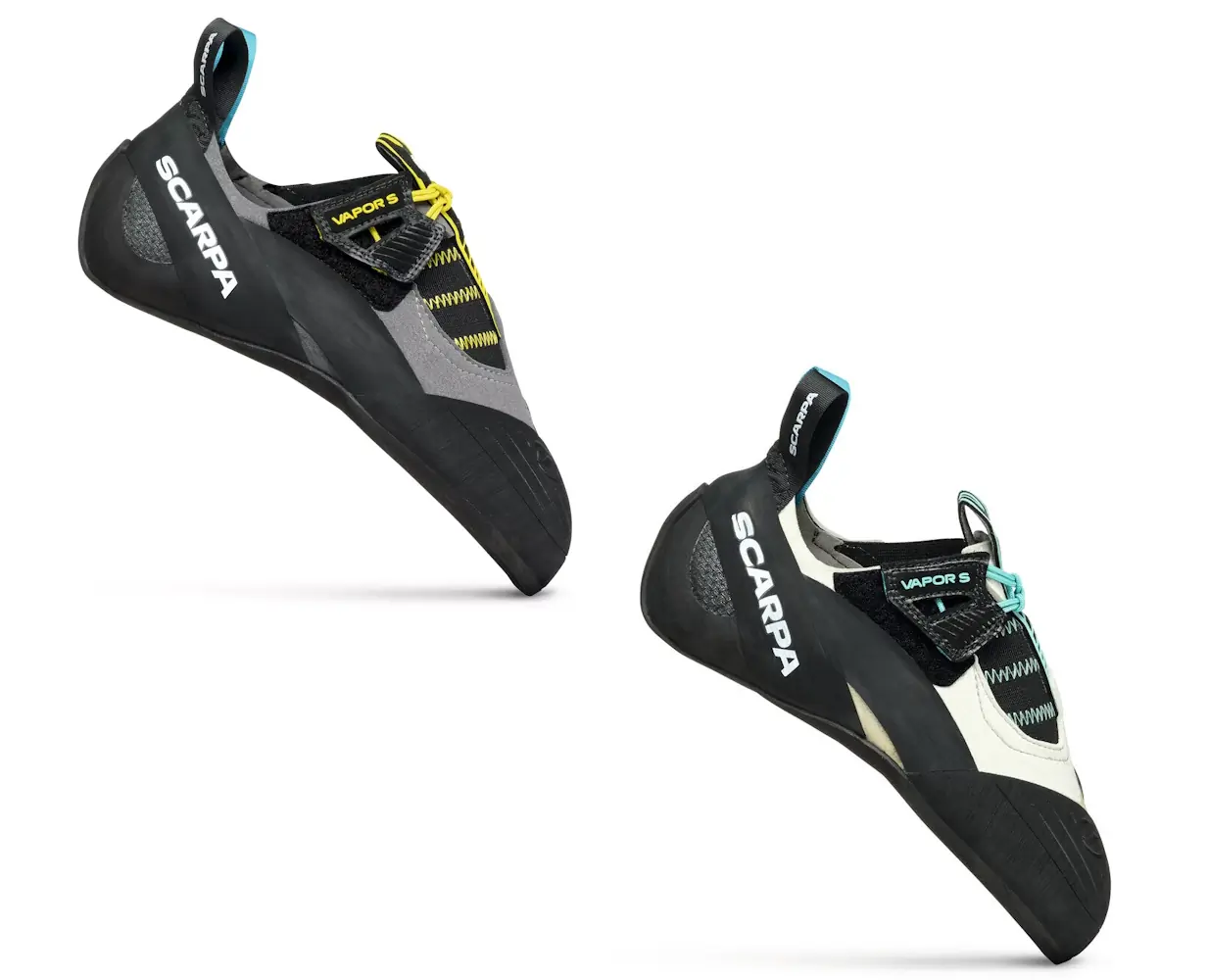
High-end climbing shoes use strong materials and careful design. They often last longer but cost more. Brands like La Sportiva, Scarpa, and Five Ten are popular in this range.
- La Sportiva:Known for durable rubber soles and quality leather.
- Scarpa:Offers shoes with reinforced stitching and tough soles.
- Five Ten:Uses Stealth rubber for long-lasting grip and wear resistance.
Budget-friendly Choices
Budget brands provide good durability at lower prices. They are ideal for beginners or casual climbers. Brands like Mad Rock, Evolv, and Black Diamond deliver solid value.
| Brand | Price Range | Durability Features |
|---|---|---|
| Mad Rock | Low | Rubber soles with decent wear resistance |
| Evolv | Low to Mid | Comfortable fit with reinforced toe boxes |
| Black Diamond | Mid | Good rubber quality and solid construction |
Customer Reviews And Feedback
Customers often note how long shoes last with regular climbing. Comfort and fit also affect wear time. Many reviews praise shoes that keep their shape and grip after months.
- Durable shoes keep soles intact through many climbs.
- Good fit reduces stress on shoe materials, lengthening life.
- Some brands offer free resoles, adding value and durability.
Credit: gearjunkie.com
Impact Of Shoe Fit On Longevity
The fit of climbing shoes greatly affects how long they last. Shoes that fit well wear out slower and feel better.
We will look at why proper fit matters and what happens if shoes are too tight or too loose.
Importance Of Proper Fit
Properly fitting climbing shoes provide comfort and support. They reduce pressure points that cause damage.
- Even pressure helps the shoe hold shape longer.
- Good fit prevents stretching and material breakdown.
- Comfortable fit allows longer climbing sessions without pain.
- Reduces risk of blisters and foot injuries.
Effects Of Tight Vs. Loose Shoes
| Shoe Fit | Impact on Longevity | Climber Experience |
| Tight Shoes | Cause fast wear on seams and soles due to stress. | Can cause pain and reduce climbing time. |
| Loose Shoes | Lead to excess movement, causing faster sole separation. | Less control and more slipping inside the shoe. |
| Proper Fit | Balanced wear with longer shoe life. | Comfort and better climbing performance. |
Frequently Asked Questions
How Long Do Climbing Shoes Typically Last?
Climbing shoes usually last between 6 months to 2 years. Usage frequency, climbing style, and shoe quality affect lifespan. Regular climbers may need replacements sooner, while occasional users may extend shoe life longer.
What Signs Indicate Climbing Shoes Need Replacement?
Replace climbing shoes when the soles wear thin or holes appear. Also, if the fit loosens or rubber loses grip, it’s time for new shoes. Worn-out shoes reduce performance and increase injury risk.
Can Resoling Extend Climbing Shoes’ Lifespan?
Yes, resoling can extend climbing shoes’ life significantly. Professional resoling replaces worn rubber without changing shoe fit. This is a cost-effective way to maintain performance and comfort.
How Does Climbing Style Affect Shoe Durability?
Aggressive climbing styles with frequent edging wear shoes faster. Smearing or crack climbing causes less sole wear. Your technique and terrain type impact shoe durability.
Conclusion
Climbing shoes wear out with use and time. How long they last depends on many things. These include how often you climb and the shoe’s quality. Taking good care of your shoes helps them last longer. Resole your shoes when the rubber gets thin.
This saves money and keeps your shoes safe. Watch for signs like holes or loose parts. Replace shoes when they no longer fit well or feel weak. Good shoes make climbing easier and safer. Choose wisely and care for your shoes well.