Are you tired of lugging around that clunky old vacuum cleaner? If you’ve recently invested in a cordless vacuum, you’re probably enjoying the freedom and convenience it offers.
But a lingering question might be on your mind: how long will this handy device last? Understanding the lifespan of your cordless vacuum can help you make the most of your investment, keep your home spotless, and avoid unexpected breakdowns.
Stick around to discover the factors that influence the longevity of your cordless vacuum and tips to extend its life. By the end of this article, you’ll have the knowledge to keep your vacuum running smoothly for years to come.

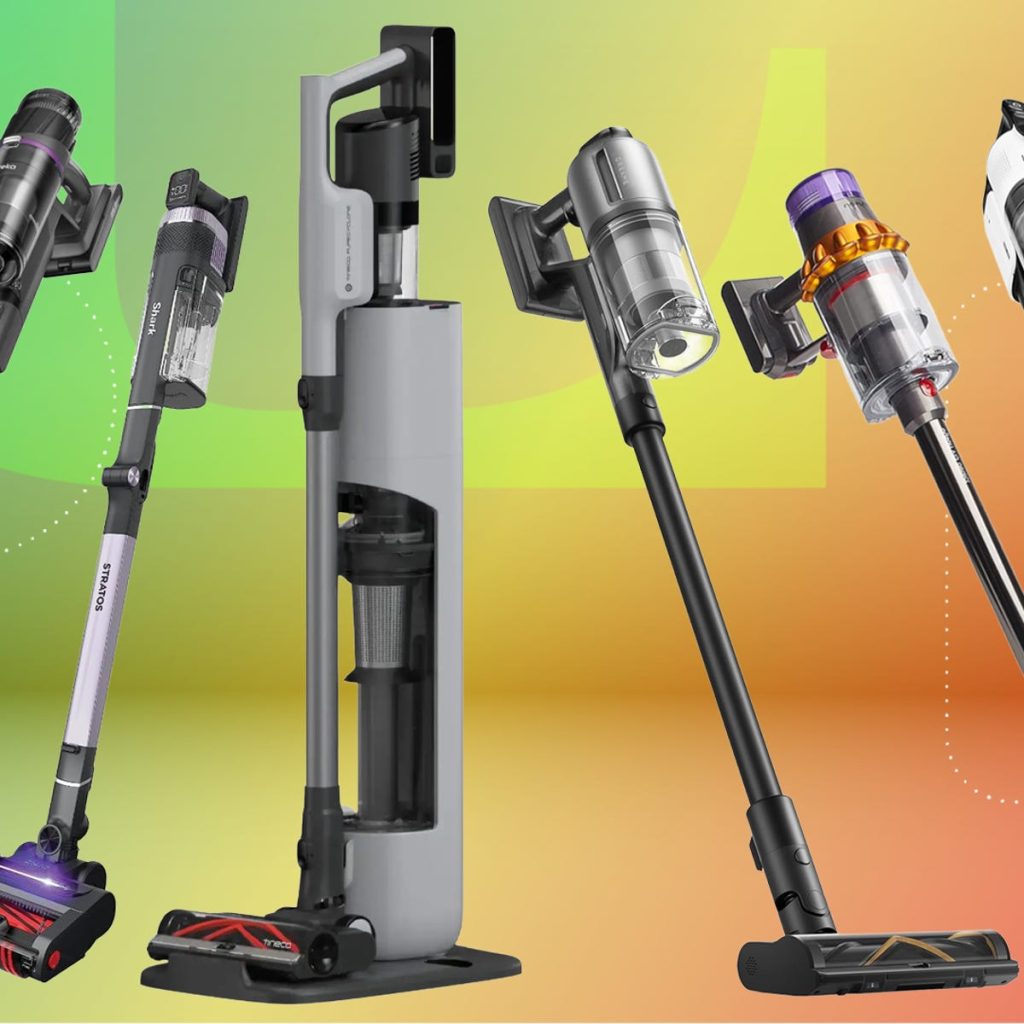
Credit: www.cnet.com
Cordless Vacuum Lifespan Factors
The lifespan of a cordless vacuum depends on several key factors that directly impact how long your device stays efficient and reliable. Understanding these elements helps you make smarter choices when buying and maintaining your vacuum. Here’s a closer look at the main influences on cordless vacuum durability.
Battery Life And Performance
Your cordless vacuum’s battery is the heart of its operation. Over time, rechargeable batteries lose their ability to hold a full charge, which shortens usage periods between charges. If you notice your vacuum dying faster than before, it’s a sign that the battery performance is declining.
Choosing vacuums with lithium-ion batteries can make a difference, as they tend to last longer and recharge quicker than older nickel-based types. Also, how you charge the battery matters—avoid leaving it plugged in constantly or letting it completely drain regularly. Have you checked how your vacuum’s battery holds up after several months of use?
Motor Durability
The motor is another critical component that affects lifespan. High-quality motors can handle continuous use without overheating or losing suction power. Some vacuums feature brushless motors, which generally last longer and require less maintenance.
Watch out for signs like unusual noises or decreased suction, which can indicate motor wear. Regular cleaning of filters and removing debris can prevent motor strain. Are you giving your vacuum enough care to protect its motor from damage?
Build Quality And Materials
The materials and overall build quality determine how well the vacuum withstands daily wear and tear. Vacuums made with sturdy plastics and metal parts tend to survive drops and bumps better. Cheap, flimsy models might save money upfront but often cost more in replacements.
Look for brands that offer warranties and customer support as a sign of confidence in their product’s durability. Have you ever had a vacuum break simply because it wasn’t built to last?
Usage Frequency And Patterns
How often and how you use your cordless vacuum has a huge impact on its lifespan. Frequent, heavy-duty cleaning wears components faster than occasional light use. Using the vacuum on appropriate surfaces also matters—using it on rough floors when it’s designed for carpets can cause damage.
Try to follow the manufacturer’s guidelines for use and maintenance. Do you track how much time you actually spend vacuuming each week? This awareness can help you predict when parts might need attention or replacement.
Average Lifespan Expectations
Understanding how long cordless vacuums last helps in making smart purchases. Lifespan depends on several key factors. These include battery health, overall build quality, and brand reputation. Knowing these details sets clear expectations for daily use and maintenance.
Typical Battery Lifespan
The battery is the heart of any cordless vacuum. Most batteries last between 1 and 3 years. Usage frequency affects battery health the most. Heavy daily use shortens battery life. Light or occasional use can extend it. Replacing the battery can add years to the vacuum’s life.
Overall Vacuum Longevity
The vacuum’s body and motor usually last longer than the battery. On average, a cordless vacuum works well for 4 to 6 years. Regular cleaning and part replacement improve longevity. Filters, brushes, and dustbins need upkeep. Proper care ensures smooth performance over time.
Impact Of Brand And Model
Top brands often provide longer-lasting vacuums. Quality of materials and design plays a big role. Premium models tend to have better batteries and motors. Budget options may wear out faster. Checking reviews and warranty terms helps choose reliable models.
Extending Your Vacuum’s Life
Extending the life of your cordless vacuum is more about smart habits than luck. Small changes in how you charge, maintain, and store your vacuum can add months or even years to its performance. Let’s explore practical ways to keep your vacuum running smoothly and efficiently.
Proper Charging Habits
Charging your cordless vacuum correctly is key to preserving the battery’s health. Avoid leaving it plugged in constantly; instead, charge it fully and then unplug to prevent overcharging. If your vacuum uses lithium-ion batteries, try not to let the battery drain completely before recharging—it’s better to keep it between 20% and 80% charged.
Have you noticed your vacuum’s runtime shortening over time? This often happens when charging habits aren’t optimized. Keeping a regular charging schedule helps maintain battery capacity and ensures your vacuum is ready when you need it most.
Regular Maintenance Tips
Cleaning your vacuum regularly prevents clogs and keeps suction strong. Empty the dustbin after each use and clear any hair or debris from the brush roll. Check filters and clean or replace them as recommended by the manufacturer to avoid strain on the motor.
Ignoring these simple tasks can cause your vacuum to work harder than necessary, reducing its lifespan. Think of it like tuning a car—small tune-ups prevent bigger problems down the road.
Replacing Batteries And Parts
Batteries and certain parts wear out with time but replacing them can breathe new life into your vacuum. If you notice diminished power or shorter runtime, consider swapping out the battery first. Many brands sell replacement batteries that are easy to install.
Brush rolls, filters, and belts also need occasional replacement. Don’t wait until your vacuum stops working entirely—regularly check these components to keep your vacuum performing at its best.
Storage Best Practices
Where and how you store your cordless vacuum impacts its longevity. Store it in a cool, dry place away from direct sunlight and extreme temperatures. Avoid leaving the vacuum in a partially charged state for long periods; instead, store it with the battery around 50% charge.
Have you ever found your vacuum dead after sitting unused for months? Proper storage can prevent battery degradation and keep your device ready for action. Consider using a wall mount or dedicated charging dock to keep your vacuum safe and organized.

Credit: levoit.com
Signs It’s Time To Replace
Knowing when to replace your cordless vacuum saves time and effort. Signs are clear if you watch closely. Ignoring them can lead to poor cleaning results and frustration.
Reduced Suction Power
Your vacuum loses its strength over time. If it no longer picks up dirt well, it struggles. This means the motor or filters may be worn out. Cleaning or replacing filters helps briefly. But lasting weak suction signals a need for replacement.
Battery Not Holding Charge
The battery fades after many charges. If your vacuum dies quickly or won’t hold a full charge, it is a problem. Replacing the battery can work but often costs nearly as much as a new vacuum. A short battery life makes cleaning annoying and inefficient.
Unusual Noises Or Overheating
Strange sounds or excessive heat can mean motor issues. Grinding, buzzing, or rattling noises show parts may be failing. Overheating risks damage to internal components. Continuing to use it this way can cause permanent failure or safety hazards.
Physical Wear And Tear
Cracked parts, broken switches, or loose handles reduce usability. Worn brushes or clogged rollers lower cleaning quality. Visible damage often means the vacuum has aged beyond repair. Fixing these problems can be costly and temporary.
Choosing Long-lasting Models
Choosing cordless vacuums that last long saves money and effort. Quality matters more than price. Some models offer durability through design and parts. Knowing what to look for helps pick a reliable vacuum. Focus on trusted brands, useful features, and solid support. These factors extend the vacuum’s life and keep it working well.
Top Brands With Durable Vacuums
Some brands are known for making strong cordless vacuums. They use good materials and smart engineering. Brands like Dyson, Shark, and Tineco often get high marks for lasting power. These companies test their products for long-term use. Choosing a well-known brand can reduce the risk of early breakdowns.
Features That Enhance Lifespan
Features can make a vacuum last longer and perform better. Look for:
- High-quality batteries that hold charge well
- Brushless motors that reduce wear and tear
- Easy-to-clean filters and dust bins
- Strong but lightweight materials
- Modular parts for easy replacement
Such features help keep the vacuum running smoothly and extend its life.
Warranty And Customer Support
A good warranty shows the brand’s confidence in their product. Check for at least one year of coverage on parts and labor. Responsive customer support helps fix problems fast. Brands offering clear repair or replacement options add peace of mind. This support can save you money on repairs or new parts.

Credit: www.goodhousekeeping.com
Frequently Asked Questions
How Long Do Cordless Vacuum Batteries Last?
Cordless vacuum batteries typically last 2 to 5 years. Battery life depends on usage frequency and charging habits. Proper care can extend battery longevity. Replacing the battery can also renew vacuum performance when needed.
What Factors Affect Cordless Vacuum Lifespan?
Battery quality, motor efficiency, and build materials impact lifespan. Regular maintenance and cleaning boost durability. Heavy use or neglect shortens vacuum life. Choosing a reputable brand often ensures better longevity.
How Often Should I Replace My Cordless Vacuum?
Replace your cordless vacuum every 3 to 5 years. Signs include reduced suction, battery issues, or physical wear. Proper maintenance can delay replacement needs. Evaluate performance regularly to decide on a new vacuum.
Can Frequent Charging Reduce Cordless Vacuum Lifespan?
Yes, frequent overcharging or undercharging can degrade battery health. Use the recommended charger and avoid leaving it plugged in excessively. Proper charging habits maintain battery efficiency and extend vacuum lifespan.
Conclusion
Cordless vacuums usually last between 3 to 7 years. Battery life often limits their overall use. Proper care can extend how long they work well. Cleaning filters and charging correctly helps a lot. Choosing the right model also affects durability.
Regular maintenance keeps your vacuum running smoothly. This makes cleaning easier and saves money. A reliable cordless vacuum can serve you for years. Keep these tips in mind for the best results.