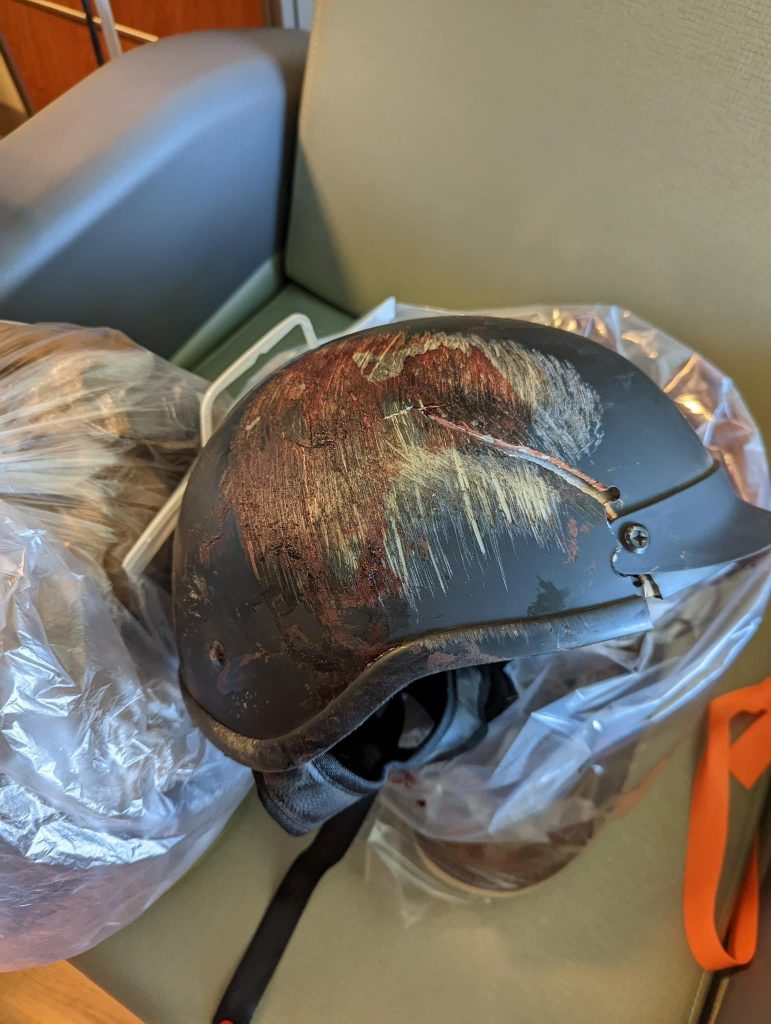
You rely on your bike helmet to keep your head safe every time you ride. But have you ever stopped to wonder how long that protection really lasts?
Using a helmet past its prime can put you at risk without you even realizing it. You’ll discover the key signs that your helmet might need replacing and learn exactly how long a bike helmet stays effective. By the end, you’ll feel confident knowing when to upgrade for your safety and peace of mind.
Keep reading to protect yourself the right way.
Credit: www.cyclingnews.com
Helmet Lifespan Basics
Bike helmets protect your head during crashes. They do not last forever. Over time, helmets wear out and lose their safety features.
It is important to know how long a helmet can keep you safe. This depends on the materials used and the maker’s advice.
Material Wear And Tear
Helmets are made from materials like foam and plastic. These materials break down with time and use. Sunlight, sweat, and small hits can cause damage.
- Foam inside helmets can become soft and less protective.
- Straps may fray or weaken over time.
- Outer shells can crack or fade from sun exposure.
- Visors and pads may wear out and lose comfort.
Manufacturer Recommendations
Helmet makers give advice on how long to use their helmets. They often suggest replacing helmets after a certain number of years.
| Helmet Type | Recommended Lifespan |
| Road Bike Helmet | 5 years |
| Mountain Bike Helmet | 5 years |
| Kids’ Helmet | 3-4 years |
| Helmets After Crash | Replace Immediately |
Factors Affecting Helmet Durability
Bike helmets protect your head during accidents. Their strength depends on many factors. Understanding these can help you know when to replace your helmet.
Durability is not only about the helmet’s age. How you use and care for it affects how long it lasts.
Exposure To Sunlight And Heat
Sunlight and heat can weaken a helmet’s materials. UV rays break down the plastic shell and foam inside. High temperatures can also cause the foam to lose its shape and protective ability.
- Store helmets in a cool, shaded place
- Avoid leaving helmets inside hot cars
- Use helmet covers to block sunlight
Sweat And Moisture Impact
Sweat and moisture can soak the helmet’s padding and straps. This may cause materials to degrade or smell bad. Wet helmets take time to dry and can lose comfort.
| Effect | Cause | Result |
| Padding wear | Repeated sweating | Less cushioning |
| Strap damage | Moisture exposure | Weak hold |
| Odor buildup | Moisture + bacteria | Unpleasant smell |
Frequency Of Use
How often you wear your helmet affects its condition. Daily use causes more wear and tear than occasional rides. Regular checks help spot damage early.
- Inspect for cracks or dents after every fall
- Replace helmets after 3-5 years even without damage
- Clean padding and straps regularly
Signs You Need To Replace Your Helmet
Your bike helmet protects your head in crashes. Over time, it can weaken. You should check your helmet often for damage.
Knowing when to replace it helps keep you safe. Look for these signs to know if your helmet is no longer good.
Visible Cracks And Damage
Check the outside shell of your helmet for cracks or dents. Even small cracks can reduce its strength. Any damage means you should replace it right away.
Also look inside the helmet. If you see broken foam or damage, it cannot protect you well.
Foam Compression
The foam inside your helmet absorbs shocks. If it feels hard or compressed, it lost its ability to protect you. Foam can get crushed from impacts or long use.
- Press the foam gently. It should bounce back quickly.
- If it stays flat or feels soft, it is worn out.
- Replace the helmet after any crash, even if no cracks show.
Strap And Buckle Wear
Straps keep the helmet on your head. If they are frayed, stretched, or weak, the helmet can fall off in a crash. Check the buckle too. It must lock firmly and release smoothly.
| Problem | What to Do |
| Frayed Straps | Replace the helmet |
| Loose Buckle | Fix or replace the helmet |
| Worn Stitching | Replace straps or helmet |
Helmet Safety Standards And Testing
Bike helmets protect your head by meeting safety rules. These rules make sure helmets can handle impacts well. Testing shows how strong and safe a helmet is. It helps you choose the right helmet.
Different countries have safety labels on helmets. These labels prove the helmet passed tests. Testing involves dropping helmets and checking damage. This makes sure the helmet can protect your head in a crash.
Certification Labels To Check
Look for safety labels before buying a bike helmet. These labels show the helmet meets rules. Some common labels are CPSC, ASTM, and EN 1078. Each label means the helmet passed tests in that region.
- CPSC:This label is for helmets sold in the USA.
- ASTM:Shows the helmet meets American testing standards.
- EN 1078:Used in Europe for bike and skate helmets.
- Snell:A strict testing standard for helmets.
Impact Testing Procedures
Helmets go through impact tests to check safety. The tests drop helmets on hard surfaces from set heights. Sensors inside measure how much force reaches the inside of the helmet.
| Test Type | Description | Purpose |
| Drop Test | Helmet dropped from a height | Check shock absorption |
| Impact Velocity | Speed helmet hits surface | Simulate crash conditions |
| Force Measurement | Measure inside helmet force | Ensure head protection |
| Multiple Locations | Tests on front, side, and top | Check coverage strength |
Storage Tips To Extend Helmet Life
Bike helmets protect your head, so keep them safe. Proper storage helps your helmet last longer.
Bad storage can weaken the helmet and lower its safety. Learn how to store your helmet the right way.
Avoiding Extreme Temperatures
Keep your helmet away from very hot or cold places. High heat can melt or warp the helmet parts.
Freezing cold can make the helmet materials brittle and weak. Avoid leaving it in a car on hot days or outside in winter.
- Store helmet in a cool, dry place
- Do not leave helmet in direct sunlight for hours
- Avoid storing in a hot garage or attic
- Keep helmet indoors during cold weather
Proper Cleaning Methods
Clean your helmet gently to avoid damage. Use mild soap and warm water for cleaning.
Never use strong chemicals or solvents. They can harm the helmet’s material and reduce safety.
- Remove padding before cleaning
- Use a soft cloth or sponge
- Rinse with clean water
- Let air dry away from direct sunlight
- Do not put helmet in a washing machine

Credit: velo.outsideonline.com
When To Replace After A Crash
Bicycle helmets protect your head by absorbing impacts. Crashes can damage helmets in ways you may not see.
It is important to know when to replace a helmet after a crash to keep safe on every ride.
Hidden Damage Risks
Helmets have foam inside that crushes during impact to protect your head. This foam may crack or break even if the outside looks fine.
- Small cracks inside the foam reduce protection
- Damage may not be visible but weakens the helmet
- Repeated impacts can cause hidden damage
- Worn straps or broken buckles also reduce safety
Manufacturer Crash Replacement Policies
Many helmet makers offer replacement programs after a crash. These policies help riders get a new helmet at a lower cost or free.
| Manufacturer | Crash Replacement Offer | Time Limit |
| Brand A | 50% off new helmet | 1 year from purchase |
| Brand B | Free replacement | 6 months from crash date |
| Brand C | Discounted replacement | 12 months after crash |
Choosing A Helmet With Longevity In Mind
Bike helmets protect your head and save lives. Choosing one that lasts is very important.
A helmet with good quality and fit stays safe longer. This helps you ride without worry.
Quality Materials
Helmets made with strong materials last longer and protect better. Look for helmets with a sturdy outer shell.
High-quality foam inside absorbs impacts well. This foam should keep its shape over time.
- Polycarbonate shells resist cracks and dents
- EPS foam cushions impacts effectively
- Good ventilation materials prevent sweat damage
- Durable straps and buckles keep the helmet secure
Adjustability Features
Helmets with adjustable parts fit better. A good fit helps the helmet protect your head correctly.
Look for helmets with adjustable straps and sizing systems. These features allow you to change the fit as needed.
- Adjustable chin straps keep the helmet snug
- Dial-fit systems allow size changes
- Removable pads help customize comfort
- Good adjustability means longer use as you grow or change
Credit: www.cyclingnews.com
Frequently Asked Questions
How Often Should I Replace My Bike Helmet?
Bike helmets should be replaced every 3 to 5 years. Materials degrade over time, reducing protection. Also, replace immediately after any crash or impact to ensure safety.
Does Sun Exposure Shorten Bike Helmet Life?
Yes, prolonged sun exposure weakens the helmet’s foam and plastic. UV rays cause material breakdown, lowering impact resistance. Store helmets in shaded, cool places to extend their lifespan.
Can I Use A Bike Helmet After A Crash?
No, always replace helmets after a crash. Impact can cause invisible internal damage, compromising safety. A new helmet ensures maximum protection during future rides.
What Signs Indicate My Helmet Needs Replacing?
Look for cracks, dents, or crushed foam in your helmet. Worn straps or faded padding also signal replacement time. These signs mean the helmet may not protect properly.
Conclusion
A bike helmet’s lifespan depends on several factors. Regular use, accidents, and age affect it. A helmet usually lasts about five years. Inspect it regularly for cracks or damage. Replace it if you notice any issues. Safety should always come first.
Invest in a good helmet for protection. Remember, a helmet can save your life. Keep it in good condition. Store it properly when not in use. Stay informed and make wise choices. Your safety is in your hands. Protect your head and enjoy safe rides.