Have you ever wondered how plants feed themselves and grow tall and strong? Understanding which part of the plant produces food can change the way you see the green world around you.
This is not just a simple fact—it’s a secret that explains how plants survive, thrive, and support life on Earth. Keep reading, and you’ll discover the amazing process happening inside your favorite plants that keeps them alive and healthy. By the end, you’ll see plants in a whole new light—and maybe even impress your friends with what you’ve learned!
Photosynthesis Basics
Plants make their own food using a process called photosynthesis. This process happens mainly in the leaves. It helps plants turn sunlight into energy.
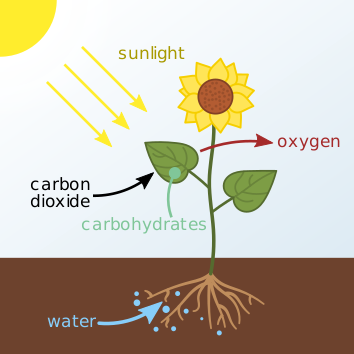
Photosynthesis needs light, water, and carbon dioxide. The plant changes these into food and oxygen. This is how plants grow and stay healthy.
Role Of Chlorophyll
Chlorophyll is a green pigment inside plant leaves. It captures sunlight needed for photosynthesis. Without chlorophyll, plants cannot make food.
This pigment absorbs light mostly from the blue and red parts of the light spectrum. It reflects green light, which is why leaves look green.
Light And Carbon Dioxide
Plants need two main things from the environment to make food: light and carbon dioxide. Light provides the energy. Carbon dioxide is a gas plants take from the air.
- Light comes from the sun and fuels the process.
- Carbon dioxide enters leaves through tiny holes called stomata.
- Water is absorbed by roots and moved to leaves.
Energy Conversion Process
| Step | What Happens |
| 1 | Chlorophyll absorbs sunlight energy. |
| 2 | Energy splits water into oxygen and hydrogen. |
| 3 | Carbon dioxide combines with hydrogen. |
| 4 | Plant produces glucose (food) and releases oxygen. |
Credit: alabamawildlife.org
Leaves As Food Factories
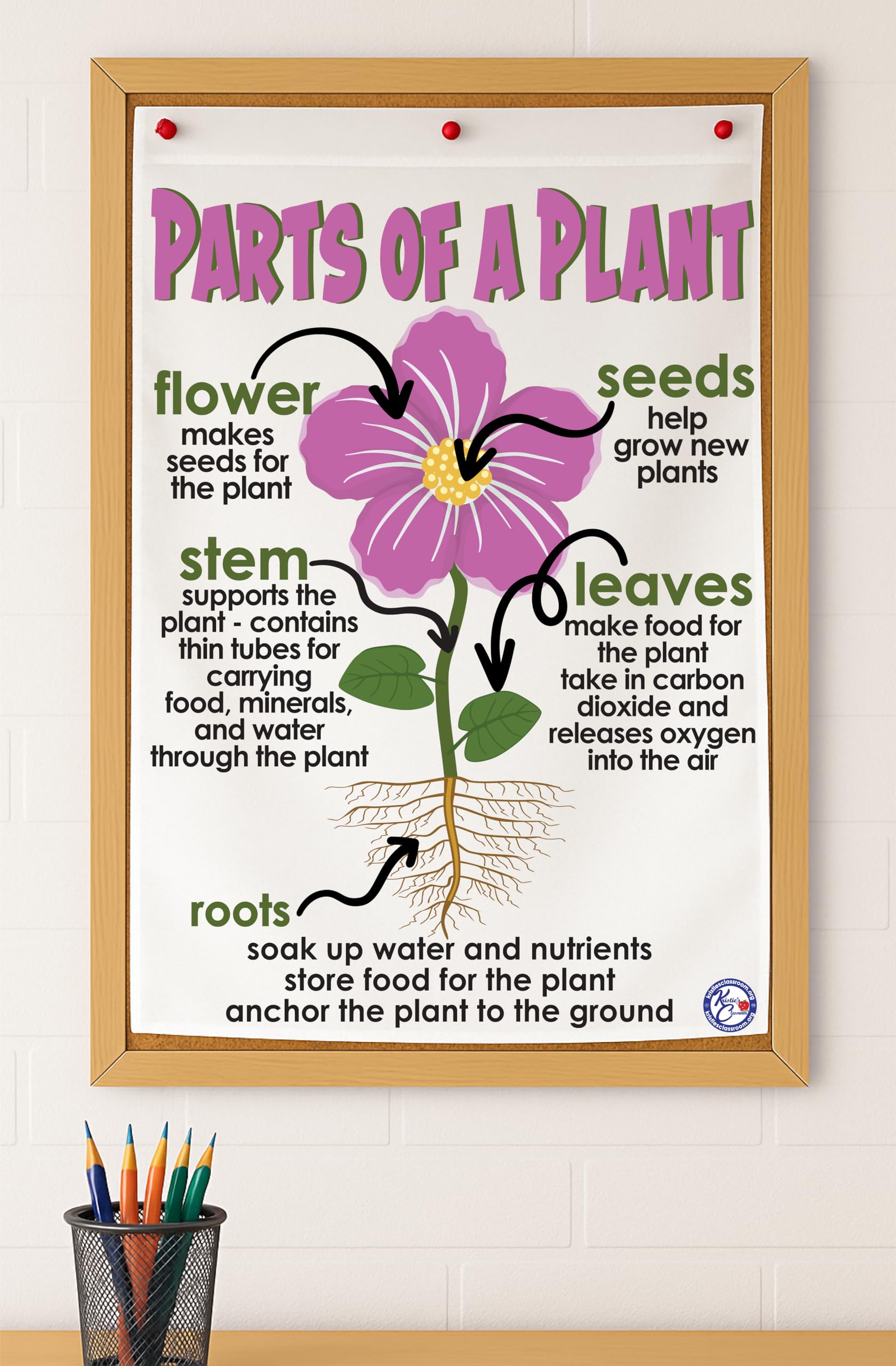
Leaves play a vital role in producing food for the plant. They are often called the food factories of the plant. This is because they convert sunlight into energy through photosynthesis.
Inside the leaves, various structures work together to make this process possible. Let’s explore how leaves function to sustain the plant’s life.
Structure Of Leaves
The structure of leaves is designed for efficient food production. Leaves have a broad surface area to capture sunlight. They contain veins that transport water and nutrients.
- Broad surface area helps in capturing more sunlight.
- Veins in leaves transport water and nutrients.
- Thin structure allows easy gas exchange.
Stomata And Gas Exchange
Stomata are tiny openings on the underside of leaves. They play a crucial role in gas exchange. Through stomata, plants take in carbon dioxide and release oxygen.
Stomata open during the day to let in carbon dioxide, essential for photosynthesis. At night, they close to prevent water loss.
Chloroplasts And Food Production
Chloroplasts are where photosynthesis occurs. They contain chlorophyll, which gives leaves their green color. Chlorophyll absorbs sunlight and converts it into energy.
| Component | Function |
| Chlorophyll | Absorbs sunlight |
| Carbon Dioxide | Used in photosynthesis |
| Water | Combines with CO2 to produce glucose |
Stem And Food Transport
The stem is an important part of the plant. It helps carry food and water to different parts.
Inside the stem, special tissues move nutrients. These tissues keep the plant alive and healthy.
Xylem And Phloem Functions
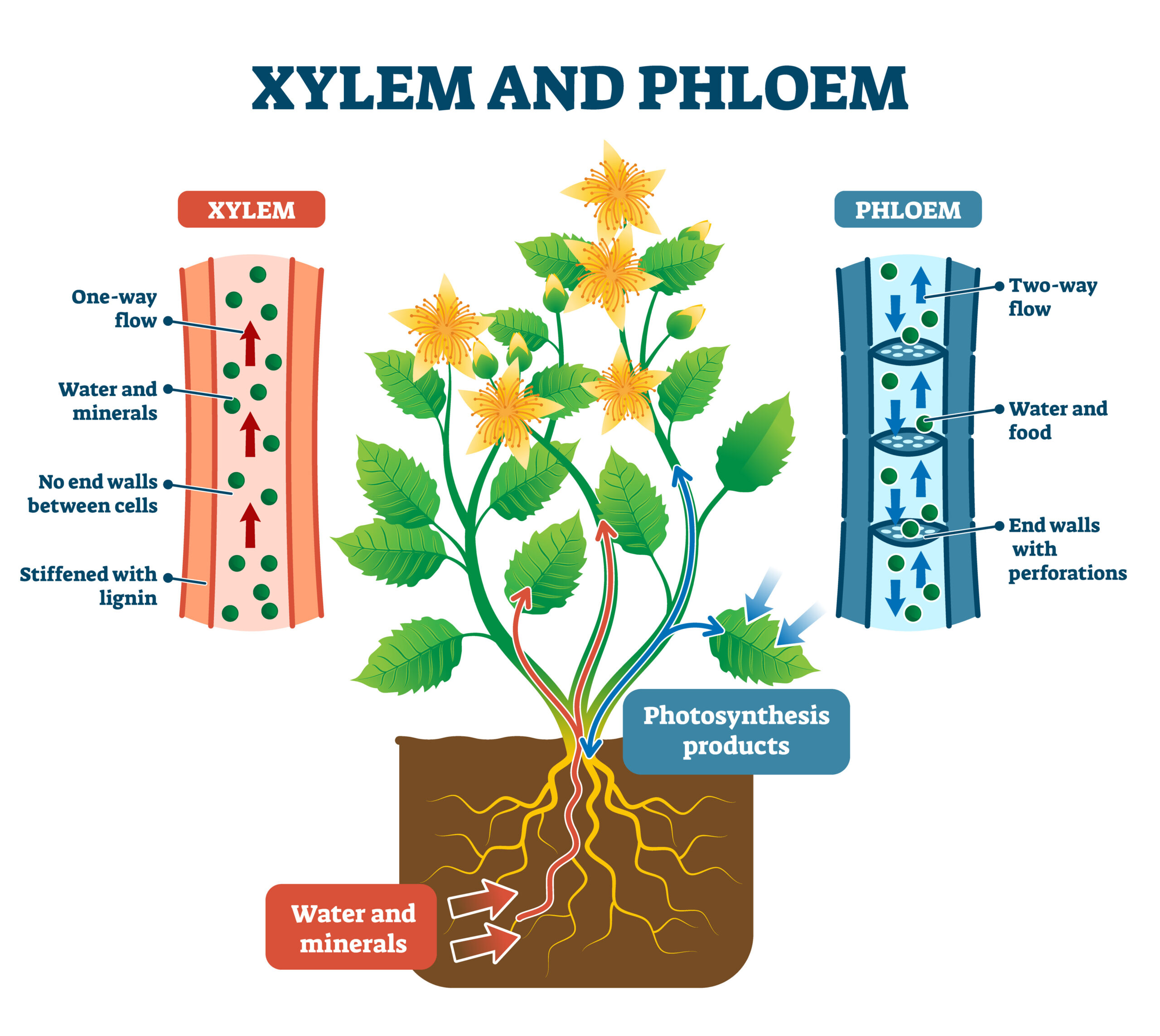
Xylem and phloem are the two main tissues in the stem. They work together to move water and food.
Xylem carries water from the roots to the leaves. Phloem moves food made in the leaves to other parts.
- Xylem transports water and minerals upward
- Phloem transports food like sugars up and down
- Both support the plant’s growth and health
Movement Of Nutrients
The stem moves nutrients through the xylem and phloem vessels. This helps all parts of the plant get what they need.
Water moves up the xylem from the roots. Food moves through the phloem to places that need energy.
- Water and minerals travel up from roots
- Food travels from leaves to roots and stems
- Transport keeps cells alive and growing
Support And Storage
The stem supports the plant by holding it upright. It also stores food and water for later use.
Some stems store nutrients in thick parts called tubers. This helps plants survive in bad conditions.
- Stem holds leaves and flowers up
- Stores food and water in special areas
- Helps plant stay strong and healthy
Roots And Nutrient Absorption
Roots are vital for a plant’s survival. They absorb water and minerals from the soil. These nutrients support the plant’s growth and food production.
Understanding how roots work helps us learn how plants make their own food. The roots play a key role in this process.
Water Uptake
Roots absorb water from the soil through tiny root hairs. Water travels from the soil into the root cells by osmosis. This water moves up to the leaves where photosynthesis occurs.
Mineral Absorption
Minerals like nitrogen, phosphorus, and potassium are important for plants. Roots take in these minerals dissolved in water. These nutrients help the plant grow strong and healthy.
- Nitrogen helps build proteins.
- Phosphorus supports energy transfer.
- Potassium strengthens cell walls.
- Calcium aids in root development.
- Magnesium is part of chlorophyll.
Contribution To Food Production
Roots do not make food directly. They supply water and minerals needed for photosynthesis in the leaves. Without roots, plants cannot produce food.
| Role | Description |
| Water Supply | Transports water to leaves for photosynthesis. |
| Mineral Supply | Delivers essential nutrients for growth and energy. |
| Support | Keeps the plant stable in the soil. |
Other Plant Parts Involved
Leaves are well known for making food in plants. They use sunlight to create energy through photosynthesis. But other plant parts help in this process too.
These parts support food production or help move food to where the plant needs it. Let’s learn about some of these important parts.
Green Stems
Green stems have chlorophyll like leaves. This lets them make some food by photosynthesis. Not all stems are green, but those that are can help feed the plant.
They also carry water and nutrients up from the roots. This helps leaves and other parts stay healthy and strong.
Young Shoots
Young shoots are new growth at the tips of stems. They often have soft green leaves and stems. These shoots can make food quickly because they get lots of sunlight.
They help the plant grow taller and spread out. This gives more area to catch sunlight for food production.
Role Of Flowers And Fruits
Flowers mainly help with reproduction. But some flowers have green parts that can make a little food. Fruits grow from flowers and store food for seeds.
Fruits protect seeds and give energy for new plants to grow. They also help spread seeds to new places.
Credit: owlcation.com
Factors Affecting Food Production
Plants produce their own food through a process called photosynthesis. This happens mainly in the leaves, where sunlight, water, and air mix to make food.
Several factors affect how well plants can make food. These factors include light intensity, water availability, and temperature.
Light Intensity
Light provides the energy plants need for photosynthesis. When light is strong, plants make more food. If light is weak, food production slows down.
Too little light can stop photosynthesis. Too much light may damage the leaves.
- Bright light increases food production
- Low light reduces photosynthesis
- Extreme light can harm plants
Water Availability
Water is a key part of photosynthesis. Plants use water to help make food and stay healthy. Without enough water, the process slows down or stops.
Water also helps transport nutrients from the soil to the leaves. If the soil is dry, plants cannot make enough food.
- Water is needed for photosynthesis
- Dry soil lowers food production
- Too much water can cause root problems
Temperature Effects
Temperature affects how fast photosynthesis happens. Warm temperatures help plants work well. Cold temperatures slow the process down.
Very high heat can damage plant cells and lower food production. Plants have an ideal temperature range for making food.
- Moderate heat speeds up photosynthesis
- Cold slows down food production
- Extreme heat can harm plants
Credit: www.amazon.com
Frequently Asked Questions
What Part Of The Plant Makes Its Own Food?
The leaves produce food through photosynthesis. They use sunlight, water, and carbon dioxide to create glucose, the plant’s energy source.
How Do Leaves Produce Food For Plants?
Leaves contain chlorophyll, which captures sunlight. This energy converts water and carbon dioxide into glucose, providing essential nutrients for plant growth.
Why Is Photosynthesis Important For Plants?
Photosynthesis allows plants to make food and oxygen. Without it, plants cannot grow or survive, and ecosystems would lack energy flow.
Can Other Plant Parts Produce Food Besides Leaves?
Primarily, leaves produce food, but green stems can also perform photosynthesis when leaves are absent or damaged.
Conclusion
Plants make their own food through a special part called the leaf. Leaves catch sunlight and use it to turn water and air into food. This process is called photosynthesis. Without leaves, plants cannot grow or stay healthy. Roots and stems help, but leaves do the main work.
Understanding how plants feed helps us care for them better. Next time you see a plant, remember the leaves are busy making food for life. Simple, yet amazing.