
Have you ever wondered how long your sleeping bag will really last? Whether you’re a weekend camper or a seasoned adventurer, knowing when to replace your sleeping bag can make all the difference in staying warm and comfortable.
Your sleeping bag faces wear and tear every time you use it, but how do you tell when it’s time to say goodbye? Keep reading, because by the end of this article, you’ll know exactly how to spot the signs and get the most out of your gear.
Don’t let an old sleeping bag ruin your next night under the stars!
Factors Affecting Sleeping Bag Lifespan
Sleeping bags do not last forever. Several factors decide how long they stay useful and comfy. Knowing these can help you take good care of your sleeping bag.
The lifespan depends on the materials, how often you use it, storage, and cleaning habits. Each part plays a role in keeping your sleeping bag ready for camping.
Material Types And Durability
Sleeping bags come in different materials like down, synthetic, and wool. Each type lasts differently and needs different care.
Down bags are warm and light but need careful handling. Synthetic bags are tougher and dry faster. Wool bags resist moisture but can be heavy.
- Down: Soft and warm, lasts long if dry and fluffed
- Synthetic: Durable and easier to clean, may lose loft faster
- Wool: Moisture resistant, heavy, lasts well with proper care
Frequency Of Use
Using your sleeping bag often wears it out faster. The more you camp, the quicker the materials break down.
If you only use the bag once or twice a year, it can last many seasons. Daily or frequent use shortens its life span.
- Frequent use causes more dirt and moisture buildup
- Repeated compression breaks down insulation over time
- Less use means less wear and tear
Storage Conditions
How you store your sleeping bag affects its life. Storing it compressed or in damp places harms the insulation and fabric.
Keep your sleeping bag in a dry, cool place. Use a large storage sack or hang it to keep the loft intact.
- Avoid storing in tight stuff sacks for long periods
- Keep away from moisture to prevent mold and mildew
- Store loosely to maintain insulation fluff
Maintenance And Cleaning
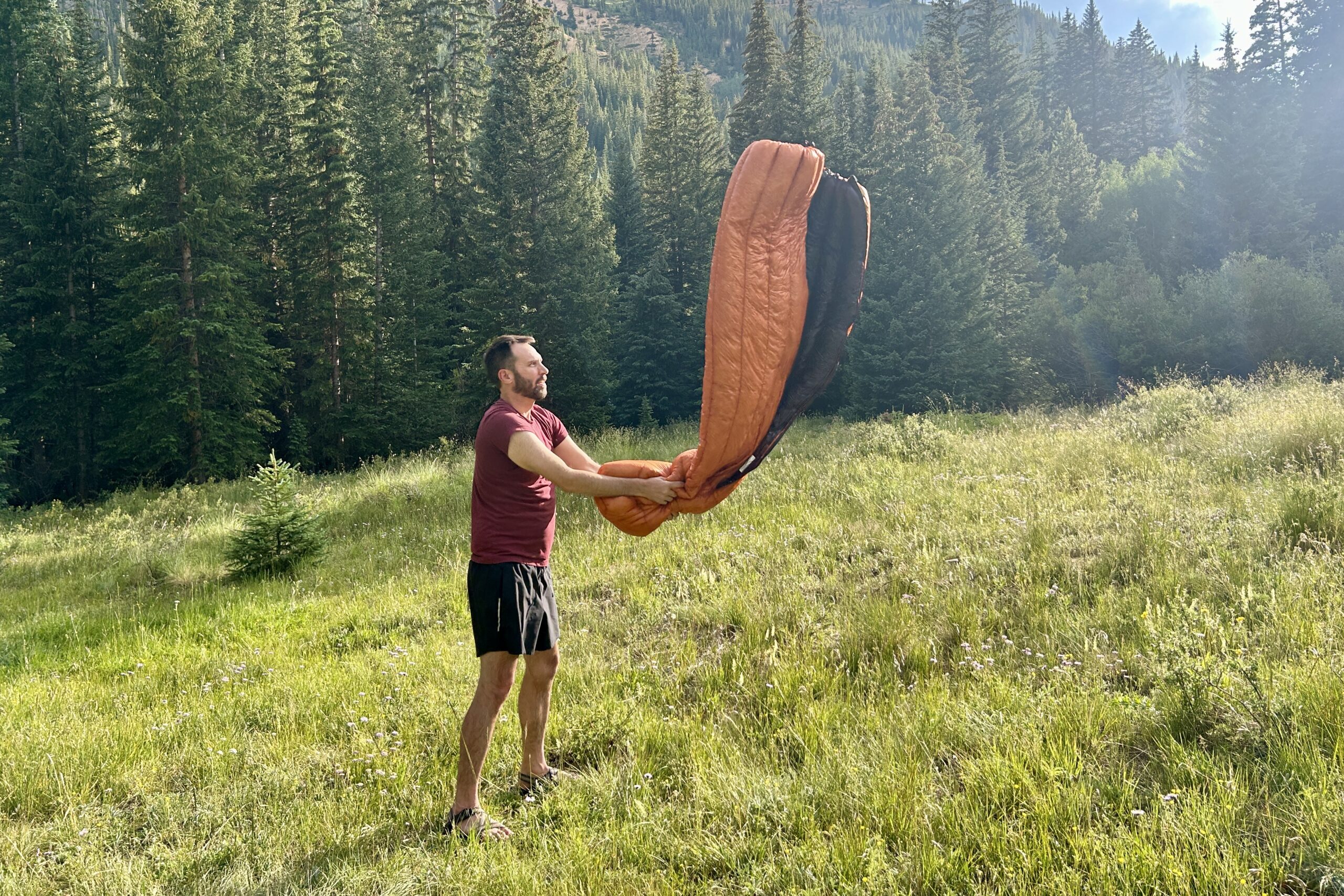
Proper cleaning and maintenance extend your sleeping bag’s life. Dirt, sweat, and oils can damage the fabric and insulation.
Wash your bag only when needed using gentle methods. Dry it fully before storing to avoid mold.
- Use mild soap and cold water for washing
- Air dry or use low heat in a dryer with clean tennis balls
- Spot clean small stains to avoid frequent washing
- Repair tears and holes quickly to stop damage
Credit: www.cleverhiker.com
Common Signs Of Wear And Tear
Sleeping bags are essential for camping and outdoor adventures. Over time, they show signs of wear.
Knowing these signs helps you decide when to replace your sleeping bag.
Fabric Damage
Fabric damage is a common issue in sleeping bags. Look for holes or tears.
These can reduce warmth and allow cold air inside. Small rips can get bigger quickly.
- Check for frayed edges
- Inspect for small tears
- Patch small holes quickly
Loss Of Insulation
Insulation keeps you warm at night. Over time, it can become thin or uneven.
Feel for clumps or flat areas in the sleeping bag. This means insulation is breaking down.
- Check for cold spots
- Squeeze the bag to feel for lumps
- Replace if warmth decreases
Zipper And Seam Issues
Zippers and seams are important for keeping the sleeping bag closed. Broken zippers let cold air in.
Check seams for loose threads or gaps. If zippers stick, they may need repair.
- Test zippers regularly
- Look for loose seams
- Repair or replace faulty zippers
Odor And Stains
Sleeping bags can develop odors and stains over time. This is due to sweat and outdoor dirt.
Regular cleaning helps, but persistent smells or stains may mean replacement is needed.
- Wash the bag regularly
- Spot clean stains quickly
- Consider replacement for strong odors
Extending Your Sleeping Bag’s Life
A good sleeping bag can last many years if you take care of it. Using the right methods helps keep it warm and comfy.
Simple habits like cleaning and storing your sleeping bag properly add to its lifespan. Small repairs stop bigger damage.
Proper Cleaning Techniques
Cleaning your sleeping bag correctly removes dirt without hurting the fabric. Use gentle soap and cold water for washing.
Hand washing or using a front-load washing machine is best. Avoid harsh detergents and fabric softeners.
- Use mild soap made for down or synthetic fabrics
- Rinse thoroughly to remove all soap
- Air dry flat or use a dryer on low heat with tennis balls
Effective Storage Tips
Store your sleeping bag loosely to keep the insulation fluffy. Avoid tight stuff sacks for long storage.
Keep it in a cool, dry place away from direct sunlight. This prevents mold and fabric damage.
- Use a large cotton or mesh storage sack
- Hang or lay flat on a shelf
- Keep away from moisture and heat sources
Repairing Small Damages
Fix tears or holes quickly to stop them from growing. Use patches or fabric glue for small repairs.
Check zippers and seams often. Repair broken zippers or loose stitches to keep your bag working well.
- Use repair tape made for outdoor gear
- Sew small holes with a strong needle and thread
- Replace broken zippers or sliders
Using Protective Covers
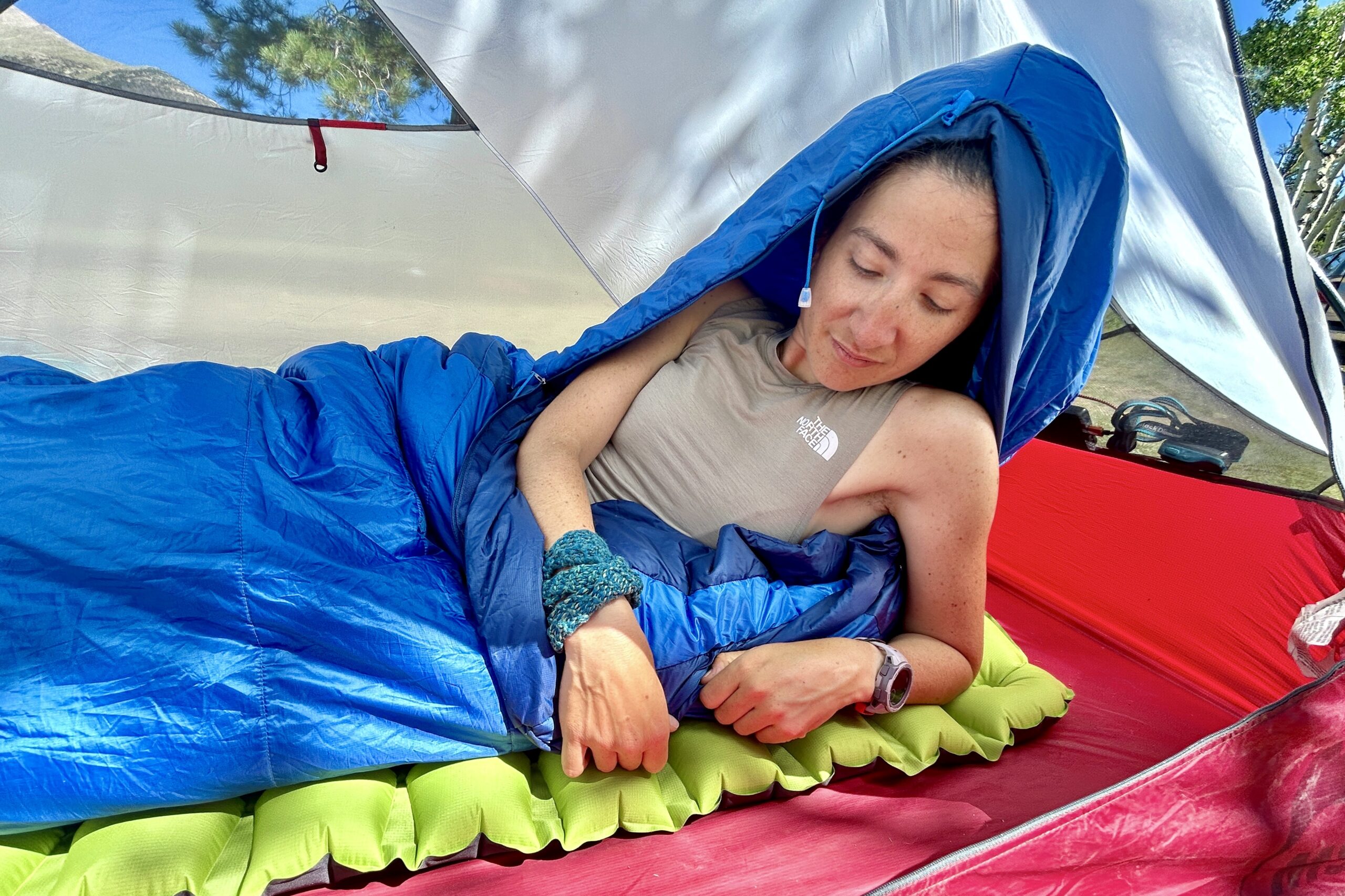
Protective covers keep your sleeping bag clean and dry during use. They reduce wear from rough ground and dirt.
Choose a cover that fits well and is water resistant. This helps keep the insulation dry and effective.
- Use a sleeping bag liner for extra cleanliness
- Pick covers made from durable, water-resistant fabric
- Clean covers regularly to prevent dirt buildup
Credit: www.cleverhiker.com
When To Replace Your Sleeping Bag
Sleeping bags lose their warmth and comfort over time. Knowing when to replace yours is important for safe and cozy camping.
Several factors affect the life of a sleeping bag. Look for signs in performance, hygiene, technology, and personal comfort.
Performance Decline
Over time, insulation in sleeping bags breaks down. This reduces warmth and makes the bag less effective in cold weather.
- The bag feels thinner and less fluffy.
- Cold spots appear during use.
- The zipper or seams start to fail.
- The outer fabric becomes worn or torn.
Health And Hygiene Concerns
Sleeping bags collect dirt, sweat, and bacteria. This can cause odors and skin irritation if not cleaned properly.
| Hygiene Issue | Signs |
|---|---|
| Odor build-up | Strong, unpleasant smell even after washing |
| Mold and mildew | Visible spots or musty smell |
| Skin irritation | Rashes or itching after use |
| Stains | Permanent discoloration or dirt marks |
Outdated Technology
New sleeping bags use better materials and designs. Older bags might be heavier, less warm, or bulkier.
Replacing your bag can give you:
- Improved insulation for colder conditions
- Lighter weight for easy carrying
- Better moisture resistance
- More durable fabrics
Personal Comfort Preferences
Your needs and comfort change over time. You may want a different shape, size, or temperature rating.
| Comfort Factor | Considerations |
|---|---|
| Bag Shape | Mummy, rectangular, or semi-rectangular options |
| Temperature Rating | Choose based on your usual camping climate |
| Weight | Lighter bags for backpacking, heavier for car camping |
| Material Feel | Softness and breathability preferences |
Choosing Durable Sleeping Bags
Choosing a sleeping bag that lasts long saves money and effort. Durable sleeping bags keep you warm and comfortable for many trips.
It is important to know which materials and brands offer the best durability. Also, some features help extend the life of a sleeping bag.
Best Materials For Longevity
Sleeping bags made with strong materials last longer. Look for bags with ripstop nylon or polyester shells. These resist tears and wear.
Down insulation offers good durability if kept dry. Synthetic fills last well even if damp and are easier to clean.
Top Brands Known For Durability
Some brands focus on making sleeping bags that last many seasons. They use quality materials and strong stitching.
- Marmot
- The North Face
- REI Co-op
- Mountain Hardwear
- Kelty
Features To Look For
| Feature | Benefit |
| Ripstop Shell | Prevents tears and rips |
| Water-Resistant Coating | Keeps insulation dry |
| Reinforced Seams | Improves strength and durability |
| Quality Zippers | Lasts longer and works smoothly |
| Stuff Sack | Protects bag when stored |
Budget Vs. Quality
Cheaper sleeping bags may look good but wear out fast. Spending more usually means better materials and longer life.
- Set a budget but expect to pay for quality
- Check reviews for durability feedback
- Think of cost per use over time
- Buy from brands that stand behind their products

Credit: www.cleverhiker.com
Frequently Asked Questions
How Long Does A Sleeping Bag Typically Last?
A sleeping bag usually lasts 5 to 10 years with proper care. Usage frequency and storage conditions affect its lifespan significantly.
What Factors Affect A Sleeping Bag’s Durability?
Material quality, usage frequency, washing methods, and storage conditions impact a sleeping bag’s durability and lifespan.
How Can I Extend My Sleeping Bag’s Lifespan?
Store it loosely in a dry, cool place. Avoid frequent washing and use a sleeping bag liner.
When Should I Replace My Sleeping Bag?
Replace it if insulation clumps, fabric tears, or it no longer keeps you warm.
Conclusion
A sleeping bag can last many years with good care. Clean it gently and store it dry to avoid damage. Watch for tears or worn spots and fix them early. Quality and how often you use it affect its life.
Choose the right sleeping bag for your needs to get more use. Enjoy your outdoor trips knowing your gear stays reliable longer. Simple care helps you save money and stay comfortable. Keep your sleeping bag ready for your next adventure.