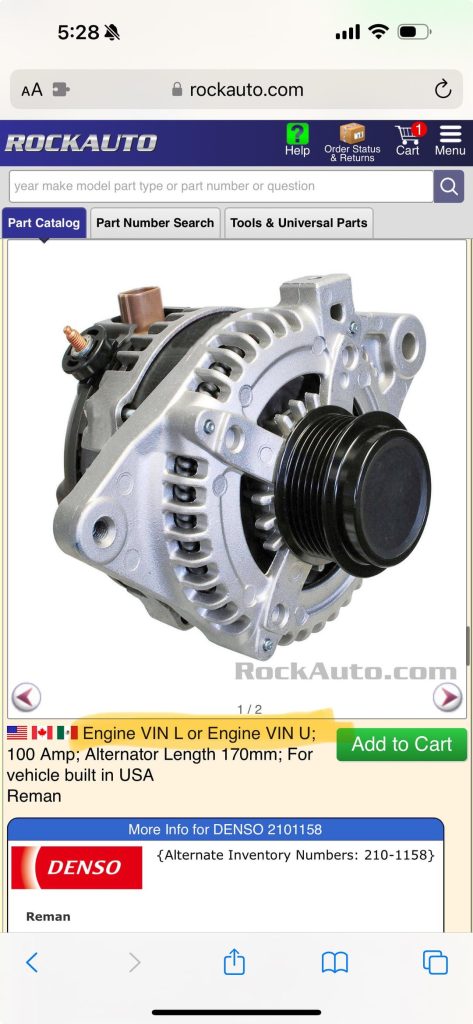
If you rely on your Toyota every day, you probably wonder how long its alternator will keep working smoothly. Your alternator is key to powering your car’s electrical system and keeping your battery charged.
But what happens when it starts to wear out? Knowing how long a Toyota alternator lasts can save you from unexpected breakdowns and costly repairs. You’ll discover the typical lifespan of a Toyota alternator, signs it might be failing, and tips to extend its life.
Keep reading to protect your ride and avoid surprises on the road.
Toyota Alternator Basics
The alternator is a key part of your Toyota’s electrical system. It keeps the battery charged and powers the car’s electrical parts. Understanding the basics helps you know its importance and how it works. This knowledge also guides you in maintenance and troubleshooting.
Role In Vehicle
The alternator changes engine power into electrical energy. It charges the battery and runs lights, radio, and other electronics. Without it, the battery would drain quickly. The car would stop working once the battery dies. The alternator keeps everything running smoothly.
Types Of Alternators
Toyota vehicles use mainly two types of alternators:
- Standard Alternators:Common in older models. They have a simple design and reliable performance.
- Smart Alternators:Found in newer Toyota cars. They adjust power output to save fuel and reduce emissions.
Both types serve the same basic purpose but differ in technology and efficiency. Knowing which type your Toyota has can help in choosing the right replacement or repair parts.

Credit: www.kellyhyundaiofhamburg.com
Average Lifespan Of Toyota Alternators
The average lifespan of a Toyota alternator depends on several factors, including driving habits, maintenance, and environmental conditions. Knowing how long your alternator should last helps you plan for repairs and avoid unexpected breakdowns. Let’s look at typical mileage and timeframes so you can better understand what to expect from this crucial component.
Typical Mileage Range
Most Toyota alternators last between 80,000 and 150,000 miles. This range varies based on the model and how you drive your vehicle. If you mostly drive short trips, the alternator faces more strain, which can reduce its lifespan.
On the other hand, steady highway driving tends to be easier on the alternator. Regular checks during oil changes can also help spot early signs of wear, giving you a chance to fix minor issues before they become major.
Timeframe In Years
A Toyota alternator generally lasts about 7 to 10 years. This can shift depending on climate and usage patterns. Hotter climates or lots of stop-and-go traffic usually shorten this period.
Think about how long you’ve had your current vehicle and the conditions it has faced. If your alternator is nearing this age or mileage, it’s smart to watch for warning signs like dimming lights or battery issues. Catching these early can save you from being stranded unexpectedly.
Factors Affecting Alternator Life
The lifespan of a Toyota alternator depends on several important factors. These factors influence how well the alternator performs and how long it lasts. Understanding them helps in extending the alternator’s life and avoiding unexpected failures. The key elements include driving habits, environmental conditions, and maintenance practices.
Driving Habits
Driving style plays a big role in alternator wear. Frequent short trips do not give the alternator enough time to recharge the battery fully. This causes extra strain on the alternator. Aggressive driving with sudden acceleration also increases electrical demand. Constantly using accessories like headlights and air conditioning adds to the load. Smooth, steady driving reduces stress on the alternator and helps it last longer.
Environmental Conditions
Harsh environments can shorten alternator life. High temperatures cause internal parts to overheat and degrade faster. Dust and dirt entering the engine bay can clog or damage the alternator. Moisture and salt, especially in rainy or snowy areas, lead to corrosion. Keeping the alternator clean and dry is essential in tough climates. Mild weather helps the alternator work efficiently for many years.
Maintenance Practices
Regular maintenance keeps the alternator healthy. Checking the belt tension prevents slipping and wear. Replacing worn belts stops damage to the alternator pulley. Cleaning electrical connections ensures good power flow. Inspecting for unusual noises or warning lights catches problems early. Following the vehicle’s service schedule supports alternator longevity and reliable performance.

Credit: www.ebay.ca
Signs Of Alternator Wear
Signs of alternator wear are easy to miss but important to spot early. Your Toyota’s alternator powers electrical parts and keeps the battery charged. When it starts to fail, the car shows clear signals. Recognizing these signs helps avoid unexpected breakdowns and costly repairs.
Warning Lights
The battery or alternator warning light on the dashboard may glow. This light means the alternator is not charging the battery properly. It can flicker or stay on while driving. Ignoring this warning can lead to battery drain and car stalling.
Electrical Issues
Dim or flickering headlights are a common sign. Power windows and radio may work slower or stop. The car’s electrical accessories might act strange or fail. These problems happen because the alternator cannot supply enough power.
Unusual Noises
Listen for grinding or whining sounds from the engine area. These noises come from worn alternator bearings or other parts. A loud belt squeal can also signal a slipping alternator belt. Strange sounds mean the alternator needs inspection or replacement.
Extending Alternator Longevity
Extending the life of your Toyota alternator is not just about avoiding breakdowns; it’s about saving time and money in the long run. A well-maintained alternator keeps your vehicle running smoothly and prevents unexpected stalls. You might be surprised how simple daily habits and small checks can significantly boost your alternator’s longevity.
Regular Inspections
Checking your alternator regularly helps catch problems before they become serious. Look for signs like unusual noises, dimming headlights, or warning lights on your dashboard. A quick inspection of the belt tension and condition can also reveal wear that might strain the alternator.
Make it a habit to include alternator checks during routine car maintenance. You don’t need special tools—just a keen eye and a little time. Are you noticing any odd sounds or dashboard alerts? Those could be early warnings to act fast.
Proper Battery Care
Your alternator and battery work together closely. A weak or failing battery forces the alternator to work harder, shortening its lifespan. Keeping your battery terminals clean and ensuring it holds a good charge reduces the load on your alternator.
Test your battery regularly, especially before extreme weather seasons. If you’ve ever experienced a dead battery after leaving the lights on, you know how much strain it puts on the charging system. Would you want to avoid that stress on your alternator?
Avoiding Overloading
Running too many electrical accessories at once can overload your alternator. High-powered stereo systems, extra lighting, or charging multiple devices simultaneously push the alternator beyond its limits. This constant overload can cause premature failure.
Be mindful of your car’s electrical load. If you’ve added aftermarket electronics, consider upgrading the alternator or limiting usage. How often do you plug in multiple gadgets or use extra lights while driving? These habits may cost your alternator more than you realize.

Credit: www.mechman.com
When To Replace Your Alternator
Knowing when to replace your Toyota alternator is key to avoiding breakdowns. The alternator charges your car’s battery and powers electrical parts. Over time, it wears out and stops working properly. Early replacement keeps your vehicle reliable and safe on the road.
Signs of alternator trouble often show before complete failure. Paying attention helps you act fast and save money. Replacement costs vary based on parts and labor. Choosing the right alternator ensures your Toyota runs smoothly after repair.
Common Failure Symptoms
- Dim or flickering headlights during driving
- Battery warning light on your dashboard
- Electrical accessories work erratically or stop
- Car stalls or has trouble starting
- Odd noises like grinding or whining under the hood
- Battery repeatedly dies or cannot hold charge
Cost Of Replacement
The price to replace a Toyota alternator depends on model and location. Parts alone can cost between $100 and $400. Labor charges usually range from $70 to $150. Total expenses often fall between $200 and $550.
Costs rise for newer models or if additional repairs are needed. Getting a few quotes helps find the best price. Quality parts and professional service protect your investment.
Choosing A Replacement
Select an alternator designed for your Toyota’s year and engine type. OEM (Original Equipment Manufacturer) parts offer best fit and reliability. Aftermarket options may cost less but vary in quality.
Consider warranty length and customer reviews before buying. A good alternator lasts many years and miles. Proper installation by a skilled mechanic avoids future problems.
Frequently Asked Questions
How Long Does A Toyota Alternator Typically Last?
A Toyota alternator usually lasts between 80,000 to 120,000 miles. Regular maintenance can extend its lifespan. However, factors like driving conditions and electrical load may affect its durability. Always monitor for signs of wear, such as dimming lights or strange noises.
What Are Signs Of A Failing Alternator?
Signs include dimming headlights, unusual noises, and difficulty starting. A weak battery or frequent stalling can also indicate issues. If you notice these symptoms, it’s essential to have your alternator checked. Early detection can prevent more significant problems and costly repairs.
Can I Drive With A Bad Alternator?
Driving with a bad alternator is risky and not recommended. It can cause your vehicle to stall unexpectedly. A failing alternator can also drain the battery, leaving you stranded. It’s best to address alternator issues promptly to ensure safe and reliable vehicle operation.
How Do I Maintain My Toyota Alternator?
Regular inspections and cleaning can help maintain your alternator. Ensure that connections are tight and free of corrosion. Avoid overloading the electrical system with too many accessories. Keeping the belt in good condition also helps prolong alternator life.
Conclusion
A Toyota alternator usually lasts between 7 to 10 years. Regular checks help catch problems early. Signs like dim lights or battery issues show it may fail. Replacing it on time avoids bigger car troubles. Taking care of your alternator keeps your Toyota running well.
Simple maintenance extends its life and saves money. Stay alert to your car’s sounds and performance. A healthy alternator means a smooth and safe drive.