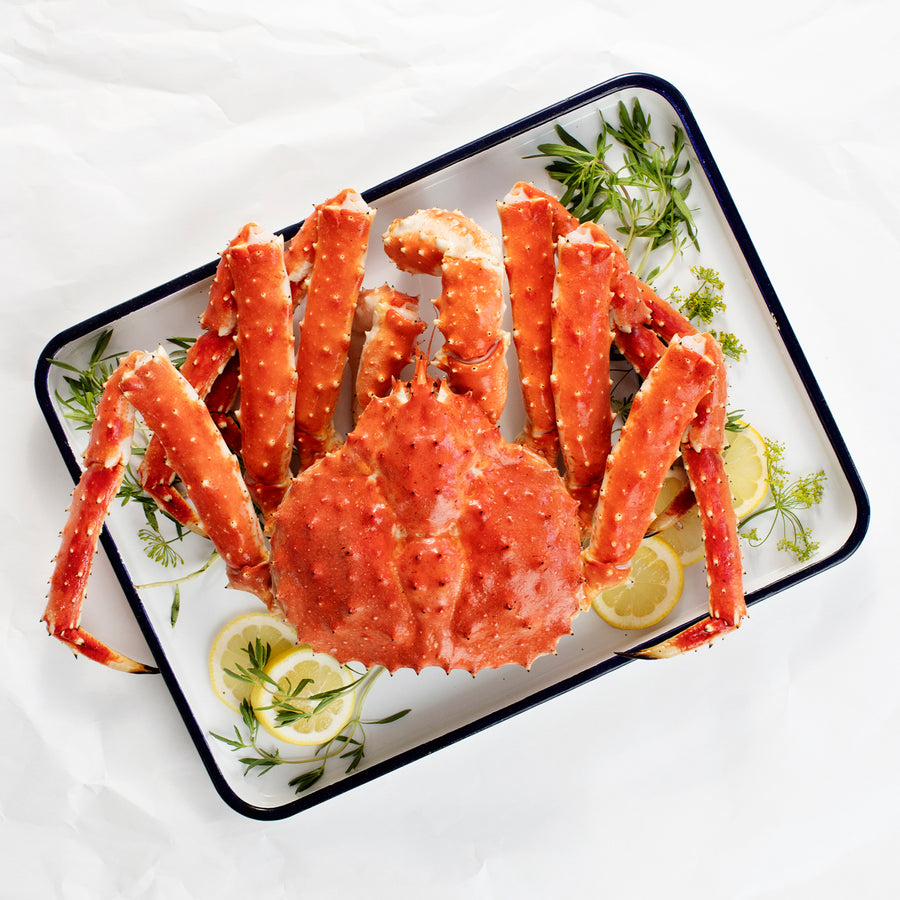
Have you ever wondered how long crab can stay fresh in your freezer? Knowing this can save you from wasting delicious seafood or risking your health.
Whether you caught crab yourself or bought it from the store, understanding the right freezing time helps you enjoy its sweet, tender flavor every time. Keep reading to discover how to store your crab properly and make sure it stays safe and tasty for as long as possible.
Crab Storage Basics
Understanding the basics of crab storage is key to enjoying this delicious seafood without wasting it. Proper storage not only preserves the flavor but also ensures safety. Let’s break down what you need to know about freezing crab effectively.
Types Of Crab For Freezing
Not all crabs freeze the same way. King crab, snow crab, and blue crab are popular choices for freezing because they hold up well. Soft-shell crab, on the other hand, is more delicate and may lose texture after freezing.
Think about the crab type before freezing. Have you ever noticed how some crab meat gets mushy after thawing? That’s often due to the crab variety or freezing technique.
Fresh Vs. Cooked Crab
Freezing fresh crab is different from freezing cooked crab. Fresh crab should be cleaned and frozen as soon as possible to keep its natural taste. Cooked crab freezes well too, but you must cool it completely before packaging.
Cooked crab can last a bit longer in the freezer since cooking kills bacteria. Do you prefer freezing crab raw or cooked? Your choice impacts how you package and store it.
Proper Packaging Methods
Packaging is the secret to preventing freezer burn and maintaining crab quality. Use airtight containers or vacuum-sealed bags to lock in moisture and flavor. Avoid using regular plastic wrap alone, as it won’t protect the crab well.
- Wrap crab meat tightly in plastic wrap or aluminum foil.
- Place wrapped crab in a freezer bag or airtight container.
- Label with the date to track freshness.
Have you ever found freezer-burned crab that tastes off? Proper packaging can stop that from happening and save your meal.

Credit: www.alaskankingcrab.com
Freezing Duration For Crab
Knowing how long crab lasts in the freezer helps you avoid wasting this delicious seafood. Proper freezing keeps crab safe and tasty for later meals. Let’s break down the freezing duration for crab based on its form and storage conditions.
Shelf Life Of Fresh Crab
Fresh crab can last in the freezer for up to 6 months. This duration keeps the crab’s texture and flavor intact without risking freezer burn. Wrapping it tightly in plastic wrap or vacuum sealing can help maintain freshness longer.
If you freeze fresh crab for more than 6 months, you might notice dryness or a loss of flavor. Have you ever found crab in your freezer months later that tasted bland? Proper packaging can prevent that.
Shelf Life Of Cooked Crab
Cooked crab generally stays good for 3 to 4 months in the freezer. Since cooking changes the texture, freezing cooked crab too long can make it rubbery. To keep it at its best, store cooked crab in airtight containers or freezer bags.
Remember, freezing cooked crab quickly after cooking preserves its taste. Do you often freeze leftovers right away, or let them cool first? Quick freezing helps maintain quality.
Factors Affecting Freezer Life
- Packaging:Airtight and moisture-proof packaging prevents freezer burn and extends shelf life.
- Freezer Temperature:Keeping your freezer at or below 0°F (-18°C) is crucial for safe storage.
- Initial Freshness:The fresher the crab before freezing, the longer it will last without quality loss.
- Handling:Avoid thawing and refreezing, as this accelerates spoilage and texture damage.
Have you checked your freezer’s temperature lately? Small changes can affect how long your crab stays fresh. Paying attention to these details will help you enjoy crab at its best, no matter when you decide to eat it.
Signs Of Spoiled Crab
Knowing the signs of spoiled crab can save you from an unpleasant meal and potential health issues. Crab, even when frozen, doesn’t last forever, and recognizing when it has gone bad is crucial. Let’s look at the key indicators that tell you your crab is no longer safe to eat.
Visual Indicators
Fresh crab meat has a bright, slightly translucent appearance. If you notice any discoloration, such as dark spots, dullness, or a yellowish tint, it’s a red flag.
Look for any unusual mold or slimy film on the surface. These visual changes often mean bacteria or fungi have started to grow.
Smell And Texture Changes
Crab should have a mild, ocean-like scent. A strong fishy or ammonia-like odor means it’s spoiled.
The texture also matters—fresh crab meat is firm and moist. If it feels mushy, sticky, or overly dry, it’s time to toss it.
Health Risks Of Spoiled Crab
Eating spoiled crab can cause food poisoning with symptoms like nausea, vomiting, and stomach cramps.
Some bacteria found in bad crab can lead to serious infections, especially if you have a weak immune system.
Is it worth risking your health for a questionable crab? When in doubt, throw it out to stay safe.
Tips To Maintain Crab Freshness
Keeping crab fresh in the freezer requires more than just tossing it in a bag and forgetting about it. The right storage techniques can make a big difference in how long your crab maintains its delicious flavor and texture. Here are some practical tips that will help you keep your crab tasting fresh and prevent waste.
Optimal Freezer Temperature
Set your freezer to a steady temperature of 0°F (-18°C) or lower. This slows down the natural decay process and keeps your crab safe to eat for months. Avoid frequent temperature changes by not opening the freezer door too often—each time you open it, the temperature fluctuates and can affect the crab’s freshness.
Avoiding Freezer Burn
Freezer burn happens when air reaches the crab’s surface, causing dry spots and off flavors. To prevent this, wrap the crab tightly in plastic wrap or aluminum foil before placing it in a freezer bag. Make sure to squeeze out as much air as possible from the bag before sealing. Have you noticed those tough, dry patches on frozen seafood? That’s freezer burn at work, and it’s completely avoidable with proper packing.
Using Vacuum Sealing
Vacuum sealing removes air completely, locking in moisture and flavor. If you have a vacuum sealer, use it to package your crab before freezing. This method can extend the crab’s freezer life significantly and keep it tasting fresh. Even if you don’t have a vacuum sealer, pressing out air manually and using high-quality freezer bags still helps a lot.
Thawing Crab Safely
Thawing crab safely is crucial to preserving its flavor and texture while preventing foodborne illnesses. Incorrect thawing can lead to bacterial growth, ruining your meal and risking your health. Understanding the best thawing methods helps you enjoy crab as fresh and delicious as when it was first cooked or frozen.
Recommended Thawing Methods
The safest way to thaw crab is slowly in the refrigerator. Place the crab in a sealed container or plastic bag to avoid cross-contamination and let it thaw overnight. This method keeps the crab at a safe temperature, ensuring it stays fresh and tasty.
If you need crab thawed quickly, submerge the sealed crab in cold water. Change the water every 30 minutes until thawed, which usually takes 1 to 2 hours depending on the size. Avoid using warm or hot water as it can promote bacterial growth and affect texture.
Microwaving crab to thaw is not recommended because it can partially cook the crab unevenly. However, if you must, use the defrost setting and check frequently to avoid overheating.
Avoiding Bacterial Growth
Keeping crab at the right temperature during thawing is key to stopping bacteria from multiplying. Never leave crab out at room temperature for more than two hours. Bacteria thrive in temperatures between 40°F and 140°F (4°C to 60°C), so limiting time in this range is critical.
Always thaw crab in the fridge or under cold running water. These methods keep the crab below the danger zone and minimize the risk of food poisoning. Remember, your freezer stops bacteria but thawing brings back their chance to grow if done poorly.
Using Thawed Crab
Once crab is thawed, cook or eat it within 1 to 2 days for the best taste and safety. Do not refreeze thawed crab as this can degrade the quality and increase the risk of contamination. If you notice any off smells, slimy texture, or discoloration, discard the crab immediately.
Use thawed crab in recipes that call for fresh crab to enjoy its sweet flavor fully. Whether in salads, pastas, or crab cakes, properly thawed crab elevates your dishes. Have you ever tried thawing crab and ended up with rubbery meat? Changing your thawing technique might be the fix you need.
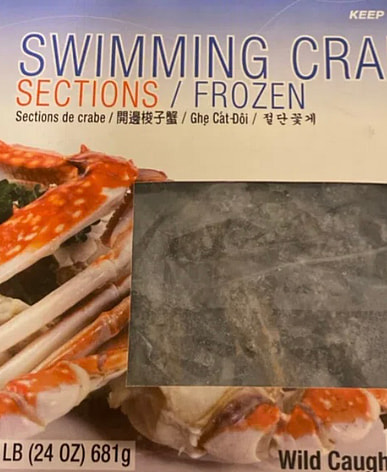
Credit: www.sayweee.com

Credit: www.alaskankingcrab.com
Frequently Asked Questions
How Long Can Crab Stay Frozen Safely?
Crab can last in the freezer for up to 3 to 6 months. Proper packaging prevents freezer burn and maintains quality. Always store crab in airtight containers or vacuum-sealed bags for best results.
Does Freezing Affect Crab’s Taste Or Texture?
Freezing may slightly change crab’s texture, making it less firm. However, proper freezing preserves its fresh flavor. Thaw crab slowly in the refrigerator to maintain taste and texture.
Can Cooked Crab Be Frozen Longer Than Raw Crab?
Cooked crab generally lasts 2 to 3 months in the freezer. Raw crab can stay fresh for 3 to 6 months. Always label and date crab before freezing for safety.
How To Thaw Frozen Crab Safely?
Thaw crab in the refrigerator overnight for best results. Avoid thawing at room temperature to prevent bacterial growth. You can also thaw crab under cold running water if needed quickly.
Conclusion
Storing crab in the freezer extends its shelf life effectively. Proper packaging prevents freezer burn and maintains taste. Cooked crab lasts up to 3 months, while raw crab lasts up to 6 months. Always label the date before freezing. Thaw crab in the fridge for best results.
Check for any off smell or discoloration before consuming. Safe storage ensures delicious meals later. Enjoy your crab dishes with confidence. Proper storage keeps your seafood fresh and tasty. Follow these tips for the best results. Keep your freezer stocked and enjoy crab anytime!