Have you ever wondered how long deer meat can last in your freezer? If you’re a hunting enthusiast or simply enjoy the taste of venison, knowing how to store it properly is essential.
Imagine opening your freezer to find perfectly preserved deer meat ready to cook, without any worry about spoilage or loss of flavor. We’re diving deep into the secrets of keeping your deer meat fresh and delicious for as long as possible.
We’ll explore expert tips and proven techniques that will help you make the most of your harvest. Curious to discover the best practices? Keep reading to ensure your deer meat stays mouthwateringly good, every time you open your freezer.

Credit: www.deeranddeerhunting.com
Deer Meat Freezing Basics
Freezing deer meat properly is essential to keep it fresh and tasty for months. Understanding the basics of freezing can save you from wasting your hard-earned venison. Let’s dive into some key points that will help you store deer meat effectively in your freezer.
Optimal Freezing Temperatures
Maintaining the right temperature is crucial for preserving deer meat quality. Your freezer should be set at 0°F (-18°C) or lower. This temperature halts bacterial growth and slows down enzyme activity, keeping the meat safe and flavorful.
Have you ever noticed freezer burn on your meat? It often happens when the temperature fluctuates or isn’t cold enough. Keeping a consistent freezing temperature helps avoid this problem and ensures your venison stays juicy.
Packaging Tips For Freshness
How you package deer meat before freezing directly affects its shelf life. Use airtight packaging like vacuum-sealed bags to limit exposure to air. If vacuum sealing isn’t an option, double-wrap the meat in plastic wrap and then aluminum foil to reduce moisture loss.
Label each package with the date of freezing. This simple step helps you track how long the meat has been stored and use older packages first. Also, portion the meat before freezing to avoid thawing more than you need at once.
Storage Duration By Cut
Different cuts of deer meat last for different times in the freezer. Knowing the right storage duration helps keep the meat safe and tasty. Some cuts freeze longer than others due to their texture and fat content.
Ground Venison Shelf Life
Ground venison spoils faster than whole cuts. It usually stays fresh for 3 to 4 months in the freezer. Ground meat has more surface area exposed to air, causing quicker quality loss. Wrap it tightly to avoid freezer burn and keep the flavor.
Whole Cuts Vs. Steaks
Whole cuts like roasts last longer than steaks. Roasts can stay good for up to 12 months frozen. Steaks keep best for about 6 to 12 months. Both need to be wrapped in airtight packaging to stay fresh. Proper wrapping stops moisture loss and freezer burn.
Processed Deer Meat
Processed deer meat includes sausages, jerky, or cured products. These usually last 1 to 3 months in the freezer. Salt and preservatives in processed meat help extend shelf life but not as long as whole cuts. Store in sealed containers or vacuum bags for best results.
Signs Of Spoiled Deer Meat
Knowing the signs of spoiled deer meat can save you from unpleasant meals and potential health risks. Deer meat, like any other meat, can go bad even in the freezer if not stored properly or kept too long. Being able to identify the warning signals early helps you decide whether the meat is still safe to cook or if it’s time to discard it.
Visual Indicators
Look closely at the color of your deer meat. Fresh deer meat usually has a deep red or dark brown color. If you notice any green, gray, or unusually dull patches, it’s a strong sign that the meat has spoiled.
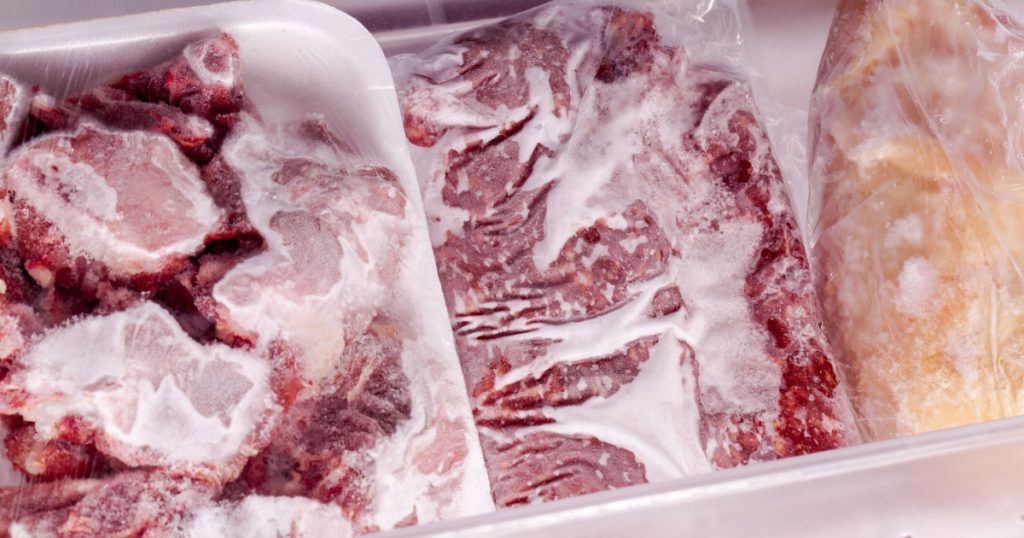
Ice crystals or freezer burn on the surface also indicate the meat’s quality has diminished. While freezer burn doesn’t always mean the meat is unsafe, it can affect taste and texture. If the meat looks slimy or has excessive frost buildup, it’s better to err on the side of caution and avoid using it.
Smell And Texture Changes
Smell is one of the quickest ways to tell if deer meat has gone bad. Fresh deer meat should have a mild, gamey scent. If you detect a sour, ammonia-like, or rotten odor, do not use the meat.
Texture changes are equally important. Spoiled meat often feels sticky, slimy, or tacky to the touch instead of firm and slightly moist. If your meat feels off in any way, it’s a clear warning that it’s no longer safe to eat.
Credit: www.archerytalk.com
Thawing Deer Meat Safely
Thawing deer meat safely is crucial to preserving its flavor and preventing foodborne illness. How you thaw your meat impacts both its texture and safety, so it’s important to choose the right method. Each technique has its own timeline and precautions, so understanding them will help you enjoy your venison at its best.
Refrigerator Thawing
Thawing deer meat in the refrigerator is the safest and most reliable method. It keeps the meat at a consistent, safe temperature below 40°F, which prevents bacterial growth.
Plan ahead because this method takes the longest—typically 24 hours for every 5 pounds of meat. You might notice the meat releases some juices during thawing; placing it on a plate or tray prevents cross-contamination.
Have you ever noticed how meat thawed this way stays tender and juicy? That’s because slow thawing helps maintain the meat’s texture.
Cold Water Method
If you’re short on time, the cold water method speeds up thawing without sacrificing safety. Make sure the meat is in a sealed, leak-proof bag to avoid water exposure.
Submerge the bagged meat in cold tap water, changing the water every 30 minutes to keep it cold. This method usually takes a few hours, depending on the size of the cut.
Keep in mind that you should cook the meat immediately after thawing with this method to prevent bacteria from multiplying.
Microwave Defrosting
Microwave defrosting is the quickest way to thaw deer meat but requires careful attention. Use your microwave’s defrost setting and check the meat often to avoid partially cooking it.
Because microwaves can heat unevenly, rotate or flip the meat regularly during the process. Once thawed, cook the meat right away since some areas may have started to warm up.
Have you ever had a tough piece of venison from uneven thawing? Microwaving can cause that, so monitor closely to protect quality.
Tips To Extend Deer Meat Freshness
Keeping deer meat fresh in the freezer takes care and the right steps. Proper storage preserves flavor and texture. It also prevents waste and keeps the meat safe to eat. Small actions can make a big difference in how long deer meat lasts. Follow these tips to extend freshness and enjoy your meat longer.
Vacuum Sealing Benefits
Vacuum sealing removes air around the meat. This slows down spoilage and prevents freezer burn. The seal keeps moisture inside, preserving juiciness and taste. It also stops bacteria growth by limiting oxygen. Vacuum-sealed deer meat lasts much longer in the freezer. It’s a smart choice for long-term storage.
Avoiding Freezer Burn
Freezer burn dries out meat and ruins flavor. It happens when air reaches the surface. Wrap deer meat tightly using plastic wrap or foil. Place wrapped meat inside a freezer bag or airtight container. Remove as much air as possible before sealing. Keep the freezer at a steady, cold temperature. Avoid opening the freezer often to maintain coldness.
Cooking After Freezing
Cooking deer meat after freezing needs care to keep its taste and texture. Freezing can change the meat’s quality, but proper cooking brings out the best flavors. Knowing how to cook frozen deer meat helps you enjoy it fully.
Maintaining Flavor And Texture
Thaw deer meat slowly in the fridge for the best texture. Quick thawing can make it dry and tough. Pat the meat dry before cooking to avoid extra moisture. Use marinades to add flavor and soften the meat. Avoid overcooking, as it can make deer meat chewy. Let the meat rest after cooking to keep juices inside.
Recommended Cooking Methods
- Grilling: Gives a nice smoky flavor but cook quickly on high heat.
- Slow Cooking: Perfect for tougher cuts to make them tender.
- Pan Searing: Use medium heat and cook evenly on both sides.
- Roasting: Works well for larger pieces; keep the temperature moderate.
- Stewing: Great for frozen deer meat, helps break down fibers.
Credit: www.crossbownation.com
Frequently Asked Questions
How Long Can Deer Meat Stay In The Freezer?
Deer meat can last up to 12 months in a freezer when properly wrapped. For best quality, use it within 6 to 9 months. Always store it at 0°F (-18°C) or lower to maintain freshness and prevent freezer burn.
Does Freezing Affect Deer Meat Quality?
Freezing deer meat preserves its quality if done correctly. However, extended freezing may cause slight texture and flavor changes. Proper packaging and quick freezing help maintain taste and tenderness. Avoid repeated thawing and refreezing to keep meat quality intact.
How Should I Store Deer Meat For Freezing?
Wrap deer meat tightly in plastic wrap or freezer paper, then place it in airtight freezer bags. Remove as much air as possible to prevent freezer burn. Label packages with the date to track storage time and maintain optimal freshness.
Can Frozen Deer Meat Go Bad In The Freezer?
Frozen deer meat can spoil if stored too long or improperly sealed. Freezer burn, moisture loss, and off smells indicate spoilage. Always check the meat for color changes or odors before cooking, even if frozen.
Conclusion
Deer meat stays fresh in the freezer for about 6 to 12 months. Keep it tightly wrapped to avoid freezer burn. Label the package with the date before freezing. Thaw it slowly in the fridge for best taste. Eating it within this time keeps the flavor and safety intact.
Store it properly to enjoy your deer meat longer. Remember, freezing slows spoilage but does not stop it completely. Check for any signs of bad smell or texture before cooking. Proper care ensures delicious meals every time.