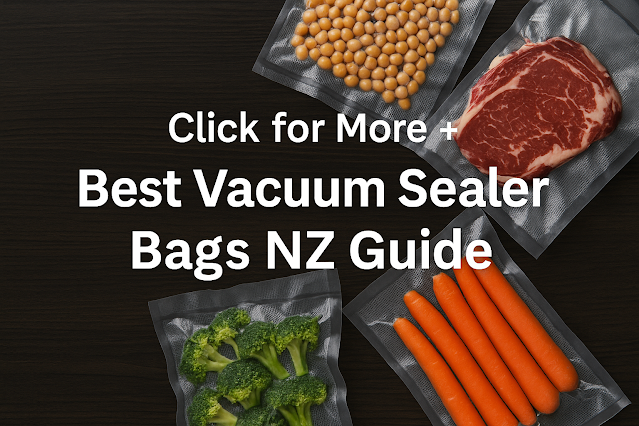
Ever found yourself wondering how long your food will last in a vacuum pack? You’re not alone.
We all want our groceries to stay fresh for as long as possible. Vacuum packing is a fantastic way to extend the shelf life of your food, but understanding exactly how long different foods will last can be a mystery.
Imagine opening your pantry or fridge and knowing your food is still as fresh as the day you packed it. Sounds great, right? We’ll dive deep into the science behind vacuum packing and reveal just how it can transform the way you store your food. Stick around, and you’ll discover tips and tricks that could save you time, money, and maybe even a few trips to the grocery store. Don’t you want to know how to make your food last longer and reduce waste? Let’s get started!

Credit: www.reddit.com
Vacuum Packing Basics
Understanding the basics of vacuum packing is essential if you want to maximize the shelf life of your food. Vacuum packing removes air, which slows down the growth of bacteria and mold. This simple process can save you money and reduce food waste.
What Vacuum Packing Does
Vacuum packing removes oxygen from the packaging around your food. Without oxygen, the bacteria and fungi that spoil food struggle to survive. This helps keep your food fresh much longer than traditional storage methods.
It also prevents freezer burn by stopping moisture loss. Have you noticed how some frozen foods get dry and tough? Vacuum sealing stops that by creating an airtight barrier.
Another bonus is that vacuum-packed foods take up less space. This means you can store more in your fridge or freezer without clutter.
Types Of Vacuum Sealers
Choosing the right vacuum sealer depends on your needs and budget. Here are the common types you might consider:
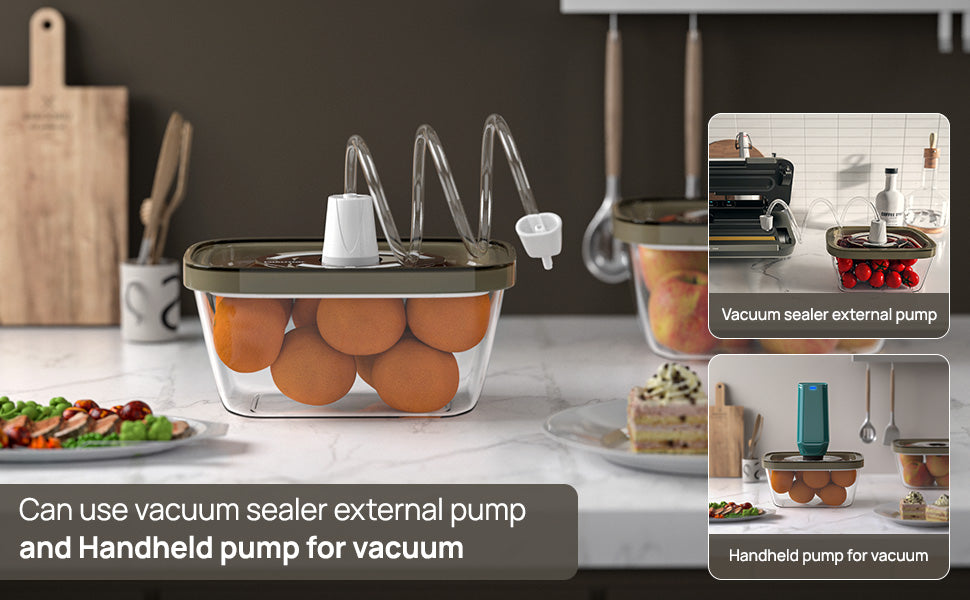
- External Vacuum Sealers:These sealers work by placing the open end of the bag into the machine. They are affordable and perfect for home use.
- Chamber Vacuum Sealers:These sealers remove air from both the bag and the chamber. They handle liquids better and are often used by professionals.
- Handheld Vacuum Sealers:Small and portable, these sealers work with special bags and are convenient for quick jobs.
Have you thought about how often you store foods that release moisture? If yes, a chamber vacuum sealer might be worth the investment.
Credit: vakumar.net
Shelf Life Of Vacuum Packed Foods
Vacuum packing extends the shelf life of food by removing air, which slows down the growth of bacteria and mold. However, the actual duration food lasts depends on the type of food and storage conditions. Knowing the shelf life of vacuum packed foods helps you plan meals better and reduce waste effectively.
Meat And Poultry
Vacuum packed raw meat and poultry can last 1 to 2 weeks in the refrigerator, compared to just a few days when stored normally. Freezing vacuum sealed meat extends its life to 1 to 3 years without significant loss of quality.
Cooked meat vacuum sealed can last up to 2 weeks in the fridge and 2 to 3 months in the freezer. Always check for any off smells or slimy texture before cooking or eating.
Seafood
Fresh vacuum packed seafood typically lasts 1 week in the fridge. Freezing it can keep it fresh for 6 to 12 months, depending on the type of fish or shellfish.
Sushi-grade fish vacuum sealed will still need to be consumed quickly after thawing. Seafood is delicate, so watch closely for any discoloration or unpleasant odors.
Fruits And Vegetables
Vacuum packing fruits and vegetables slows down spoilage but doesn’t stop natural ripening. Most vacuum packed produce lasts about 1 to 2 weeks in the fridge.
Leafy greens and berries have a shorter shelf life, often under 7 days. Firmer fruits like apples and carrots can last longer, sometimes up to 3 weeks.
Cheese And Dairy
Vacuum sealing cheese can double or triple its fridge life, keeping it fresh from 4 weeks up to several months, depending on the type. Hard cheeses last longer than soft cheeses when vacuum sealed.
Dairy products like butter and yogurt don’t benefit as much from vacuum packing and still require refrigeration within a week or two.
Dry Goods And Snacks
Vacuum sealing dry goods like nuts, coffee, and chips prevents exposure to air and moisture, extending freshness from a few weeks to several months. This is great for keeping snacks crisp and flavorful.
Grains and flour can last 1 to 2 years vacuum sealed, protecting them from pests and humidity. Always label your packages with dates to keep track.
Factors Affecting Freshness
Keeping food fresh in a vacuum pack isn’t just about sealing it tight. Several factors come into play that can either extend or shorten the shelf life of your vacuum-sealed items. Understanding these elements helps you get the most out of your vacuum-packed food and avoid unpleasant surprises.
Storage Temperature
Temperature plays a huge role in how long your food lasts inside a vacuum pack. Even if the air is removed, bacteria and mold can still grow if the temperature is too warm. Storing vacuum-sealed meats in the fridge at around 34°F (1°C) can keep them fresh for weeks, but leaving them at room temperature can spoil them quickly.
Have you ever noticed food lasting longer in your freezer versus your fridge? That’s because freezing slows down bacterial growth almost completely. Keep your vacuum-packed items frozen if you want to store them for months.
Food Quality Before Packing
Vacuum sealing can only preserve the quality you start with. If the food was already old or partially spoiled before sealing, it won’t last long no matter how good the seal is. Fresh, high-quality ingredients give you the best results.
Think about sealing leftover steak. If it’s a day old before sealing, the freshness won’t improve—only maintain what’s left. Always pack your food as fresh as possible to maximize shelf life.
Seal Integrity
The strength of the vacuum seal itself determines how well the packaging protects your food. Even a tiny hole or weak seal lets air sneak in, which speeds up spoilage. Double-check seals for tightness and avoid overfilling bags.
A personal experience: I once found a vacuum pack with a small puncture that caused freezer burn. The food inside was ruined despite being frozen. Don’t underestimate the importance of a perfect seal for freshness.
Vacuum Packing Tips
Vacuum packing can dramatically extend the shelf life of your food, but it only works well if done right. The quality of the food you pack and how you seal it influence how long it stays fresh. Let’s look at some practical tips that can make your vacuum packing more effective and keep your food tasting great for longer.
Prepping Food For Packing
Start with clean, dry food. Moisture inside the pack can cause spoilage or ice crystals if freezing. Pat meats dry with paper towels and let cooked food cool completely before sealing.
Cut large pieces into smaller portions. Smaller sizes vacuum pack better and thaw faster, saving you time and reducing waste. Think about how you’ll use the food later—single servings or family-size packs work well.
Remove any bones or sharp edges that can puncture the vacuum bag. If you’ve ever had a bag leak, you know how frustrating it is. Using softer packaging like butcher paper inside the bag can protect delicate items.
Best Practices For Sealing
Check your vacuum sealer’s instructions for the right settings—different foods may need different vacuum strengths or sealing times. A strong seal is key; if air sneaks in, your food won’t last as long.
Before sealing, leave a little space at the top of the bag to ensure a clean seal. Also, avoid overfilling the bag because it can prevent the vacuum from removing all the air.
After sealing, inspect the bag closely. If you see wrinkles or air pockets, reseal it. It’s better to spend a minute resealing than to discover spoiled food weeks later.
Labeling And Dating Packs
Always label your vacuum packs with the contents and the packing date. It’s easy to forget what’s inside or when you packed it—especially in the freezer.
Use permanent markers or printed labels designed for freezer use. Regular ink can fade or rub off, leaving you guessing later. Writing down storage instructions or expiration dates can also be helpful for quick reference.
Have you ever found mystery bags in your freezer months later? Labeling saves you from that confusion and helps you plan meals better. It’s a small step that makes a big difference.
Signs Of Spoilage In Vacuum Packed Food
Vacuum packing helps keep food fresh longer by removing air. Still, food can spoil even in vacuum packs. Knowing the signs of spoilage protects health and prevents waste. Watch for changes in appearance, smell, and texture. Recognize when food is no longer safe to eat.
Visual Changes
- Discoloration, such as dark spots or unusual colors
- Cloudy or bulging vacuum pack indicating gas buildup
- Mold growth inside the packaging
- Excess moisture or liquid pooling inside the pack
Smell And Texture
- Sour, rancid, or off odors
- Sticky or slimy surface on meat or fish
- Unusual hardness or softness in fruits and vegetables
- Crumbly or dry texture in baked goods
When To Discard
Throw away vacuum packed food if any spoilage signs appear. Do not taste food that smells bad or looks strange. Swollen packaging means bacteria may be growing inside. Always prioritize safety over saving food. When in doubt, discard to avoid illness.
Comparing Vacuum Packing To Other Methods
Understanding how vacuum packing stacks up against other food preservation methods can help you choose the best option for your needs. Each method has unique benefits and limitations that affect food longevity and quality. Let’s break down how vacuum packing compares to freezing, canning, and refrigeration alone.
Freezing
Freezing is a powerful way to extend food life, often keeping items safe for months or even years. However, it can affect texture and flavor, especially with fruits and vegetables. Vacuum packing before freezing helps prevent freezer burn by blocking air exposure, which means your food stays fresher longer and tastes better when thawed.
Have you noticed how frozen berries get mushy after thawing? Vacuum sealing can reduce this issue by locking out moisture and air, preserving the original texture much better than freezing alone.
Canning
Canning preserves food by sealing it in sterile jars and heating to destroy bacteria. It allows you to store food at room temperature for a year or more, which is great for pantry storage. But canning can change the texture and flavor due to the heat involved, especially with delicate foods like fresh herbs or soft fruits.
Vacuum packing avoids heat damage, maintaining the fresh taste and nutrients of your food. However, it doesn’t provide the same long shelf life as canned goods without refrigeration or freezing.
Refrigeration Alone
Simply refrigerating food slows bacterial growth but doesn’t stop it. Most fresh foods last just a few days to a week in the fridge. Vacuum packing adds a critical layer of protection by removing air, which slows spoilage and helps your food keep its freshness up to 3-5 times longer.
Think about how quickly sliced cheese or deli meats spoil in your fridge. Vacuum sealing these items can extend their usability, saving you money and reducing waste.

Credit: www.volmarpackaging.it
Frequently Asked Questions
How Long Does Vacuum Packing Extend Food Shelf Life?
Vacuum packing removes air, slowing spoilage and bacteria growth. It can extend food shelf life by 2 to 5 times compared to regular storage, depending on the food type and storage conditions.
Can Vacuum Sealing Prevent Freezer Burn On Food?
Yes, vacuum sealing removes air, reducing freezer burn risk. It helps maintain food quality and texture longer when frozen, preserving taste and nutrients effectively.
Which Foods Last Longest In Vacuum-sealed Packaging?
Dry goods, hard cheeses, and cured meats last longest. Vacuum sealing extends shelf life significantly, especially when stored in cool, dry, or frozen environments.
Is Vacuum-packed Food Safe Without Refrigeration?
Vacuum sealing slows spoilage but doesn’t replace refrigeration. Perishable foods still require refrigeration or freezing to ensure safety and prevent bacterial growth.
Conclusion
Vacuum packing helps food last longer than normal storage. It slows down spoilage by keeping air out. Different foods have different shelf lives in vacuum packs. Always check food for signs of spoilage before eating. Store vacuum-packed food in cool, dry places for best results.
Proper sealing and storage are key to freshness. This method saves money and reduces waste at home. Try vacuum packing to keep your food fresh longer. Simple steps can make a big difference in food safety.