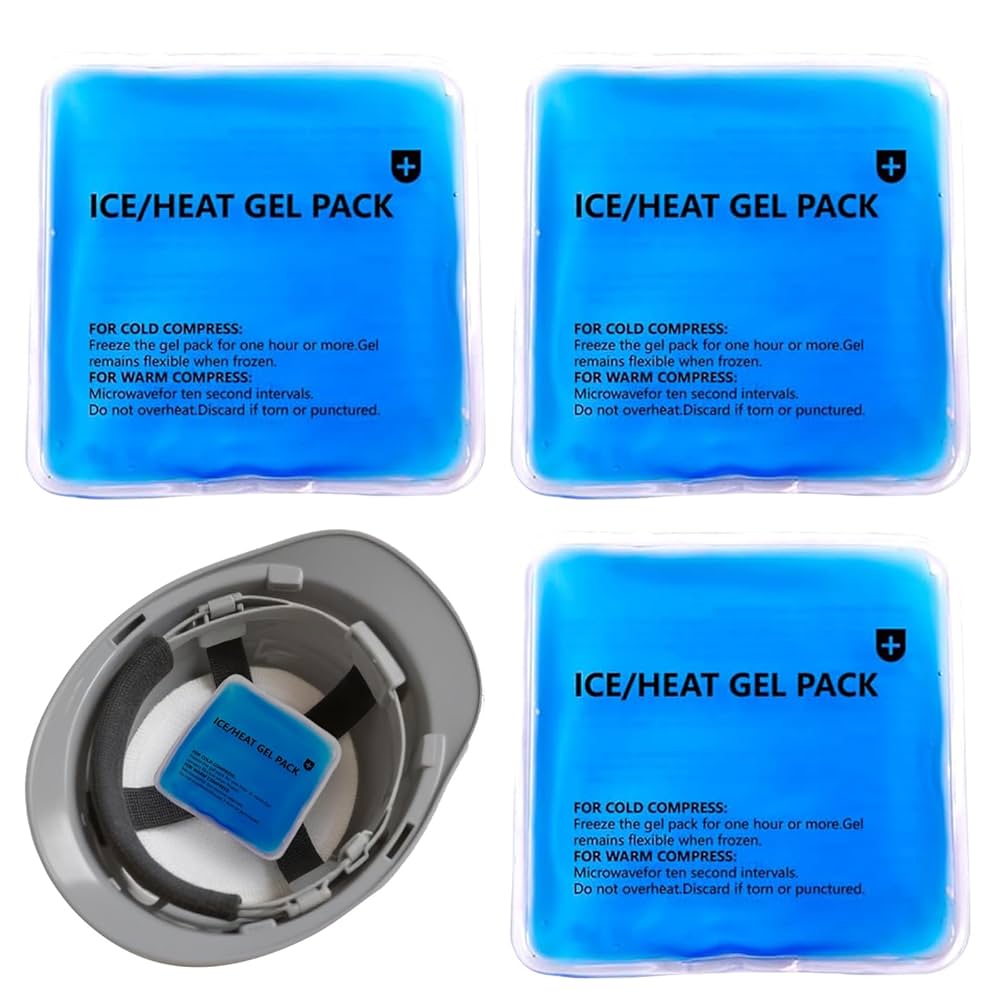
Have you ever grabbed an ice pack, only to find it still soft and not ready to soothe your pain? Knowing exactly how long it takes ice packs to freeze can save you time and frustration.
Whether you need quick relief for an injury or want to keep your lunch cool, understanding the freezing process helps you plan better. You’ll discover simple tips and facts that make freezing ice packs easy and predictable. Keep reading, and never be caught waiting again when you need your ice pack the most.
Credit: www.amazon.ca
Factors Affecting Freezing Time
Freezing time for ice packs can vary widely, and understanding the reasons behind this can save you time and frustration. Several key factors influence how quickly your ice pack solidifies. Knowing these can help you choose the right pack and prepare it effectively for your needs.
Type Of Ice Pack Material
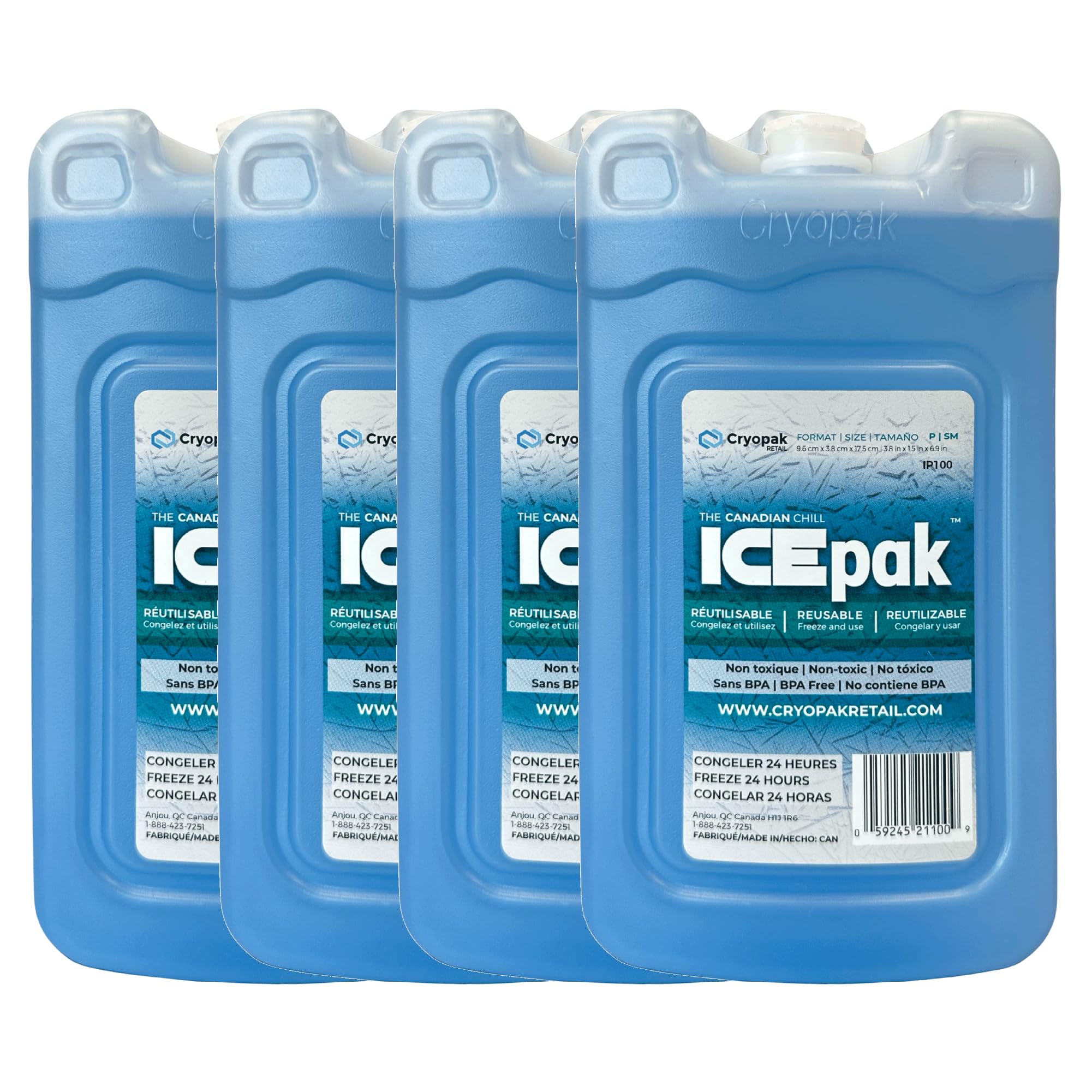
Ice packs come filled with different materials like gel, water, or specialized cooling agents. Gel packs often take longer to freeze because the gel retains heat longer than water. Water-based packs freeze faster but may not stay cold as long once removed from the freezer.
Have you noticed some packs stay cold for hours while others don’t? This difference usually comes down to the material inside.
Freezer Temperature
The temperature inside your freezer plays a big role. A freezer set at 0°F (-18°C) will freeze ice packs faster than one at 10°F (-12°C). If your freezer is overcrowded or frequently opened, it might struggle to maintain the ideal temperature, slowing down the freezing process.
Consider checking your freezer’s temperature setting if your ice packs take too long to freeze.
Ice Pack Size And Thickness
Thicker and larger ice packs naturally need more time to freeze completely. The cold has to penetrate deeper to solidify the entire pack. Thin or smaller packs freeze faster but may not provide as much cooling duration once used.
Think about how quickly you need the pack frozen versus how long you want it to stay cold—this balance matters.
Initial Temperature Of The Pack
The starting temperature of the ice pack before freezing affects freezing time. If the pack is at room temperature or warm, it will take longer to freeze compared to one already chilled. Placing a warm pack directly into the freezer can also temporarily raise the freezer’s temperature, affecting other items inside.
Try refrigerating the pack first or avoid leaving it out to warm up before freezing.

Credit: www.amazon.com
Typical Freezing Durations
Freezing ice packs takes different times based on their size. Knowing typical freezing durations helps plan better. It ensures ice packs are ready when needed. Temperatures in the freezer and pack thickness also affect freezing time. Here’s a simple guide to typical freezing times by size.
Small Ice Packs
Small ice packs usually freeze faster. They often contain less gel or water. Most small packs freeze solid within 1 to 2 hours. This speed makes them great for quick use. Keep small packs flat in the freezer for best results.
Medium Ice Packs
Medium ice packs take more time to freeze. Their size and thickness need longer cold exposure. Expect them to freeze fully in 3 to 4 hours. Freezer temperature around 0°F (-18°C) helps speed freezing. Arrange them flat and separated for even freezing.
Large Ice Packs
Large ice packs require the longest freezing time. Their bulk and gel volume slow the process. These packs often need 6 to 8 hours or overnight. Avoid stacking large packs to allow cold air circulation. Freeze them well before use for maximum cold retention.
Quick Freezing Techniques
Ice packs usually take about 2 to 4 hours to freeze fully in a standard freezer. Using quick freezing techniques, such as spreading the pack flat, can speed up the process. Thinner packs freeze faster, making them ready to use sooner.
When you’re in a hurry to chill your food or soothe an injury, waiting for an ice pack to freeze can feel like an eternity. The good news is, there are several quick freezing techniques that can significantly reduce the waiting time. By implementing these methods, you can have a ready-to-use ice pack in no time.Pre-chilling The Ice Pack
Pre-chilling your ice pack can shave off precious hours in the freezing process. Before you need to fully freeze it, place the ice pack in the refrigerator for a few hours. This initial cooling prepares the pack for a faster freeze once it enters the freezer. Imagine being a step ahead when your child comes home with a sprained ankle. By pre-chilling, you’re not only saving time but also ensuring immediate relief when needed.Using A High-performance Freezer
A high-performance freezer can be your best ally in quick freezing techniques. These freezers often come with a “quick freeze” setting designed to lower the temperature rapidly. If you have access to such a freezer, utilize its capabilities to cut down freezing time significantly. Consider this: investing in a high-performance freezer might be the game-changer for your busy lifestyle, offering convenience and efficiency.Optimizing Ice Pack Placement
Where you place your ice pack in the freezer can greatly impact how quickly it freezes. Positioning it near the cooling vents or the back of the freezer where it tends to be coldest can make a noticeable difference. Avoid stacking it beneath other items. Instead, lay it flat and ensure it has space around it for air circulation. Next time you open your freezer, think about how a simple adjustment in placement could lead to faster freezing. Each of these techniques offers a unique advantage. Why not try them and see which works best for you?Common Mistakes To Avoid
Freezing ice packs might seem straightforward, but many people unknowingly make mistakes that slow down the process or reduce effectiveness. These errors can leave you waiting longer or with packs that don’t stay cold as long as you need. Let’s break down the common pitfalls you should avoid to get your ice packs frozen quickly and ready to use.
Overloading The Freezer
Stuffing your freezer with too many items at once reduces airflow and slows down the freezing process. Ice packs need space around them so cold air can circulate freely. Have you ever noticed how some things freeze faster when placed alone versus in a crowded freezer? Give your ice packs some breathing room to freeze efficiently.
Using Damaged Ice Packs
Ice packs with leaks or punctures won’t freeze properly and can create a mess inside your freezer. Even small damage lets the gel inside escape or reduces the pack’s ability to retain cold. Check your ice packs regularly. Using a damaged one is like trying to fill a bucket with a hole—it just won’t work well.
Ignoring Freezer Settings
Freezer temperature settings play a big role in how fast ice packs freeze. Many people overlook this and keep their freezer at higher temperatures to save energy or due to habit. If your freezer is set above 0°F (-18°C), ice packs will take longer to freeze solid. Adjusting to a colder setting can make a noticeable difference.
Alternatives To Traditional Ice Packs
Traditional ice packs are not the only option for cold therapy. Several alternatives freeze faster or offer different benefits. These options suit various needs and situations.
Gel Packs
Gel packs use a thick liquid inside a plastic cover. They freeze faster than water ice packs. Gel stays cold longer and molds to body shapes. These packs are reusable and easy to store.
Instant Cold Packs
Instant cold packs activate with a simple shake. They contain chemicals that react to create cold instantly. No freezing time needed. Perfect for emergencies or travel. Single-use but very convenient.
Diy Ice Packs
DIY ice packs use common household items. Fill a plastic bag with water and rubbing alcohol. The mixture freezes softer than pure water. Another option is frozen peas or corn. Easy, affordable, and effective for quick relief.

Credit: www.amazon.ca
Frequently Asked Questions
How Long Does It Take For Ice Packs To Freeze Fully?
Ice packs typically take 2 to 4 hours to freeze completely. The exact time depends on freezer temperature and pack size. Smaller packs freeze faster, while larger ones need more time. For best results, keep them flat in the coldest freezer section.
Can I Speed Up The Freezing Process Of Ice Packs?
Yes, you can speed up freezing by using a colder freezer setting. Placing ice packs near the freezer’s cooling vents also helps. Avoid stacking or covering packs, as this can slow freezing. Using smaller or thinner packs freezes quicker too.
Do All Ice Packs Freeze In The Same Amount Of Time?
No, freezing times vary by ice pack type, size, and material. Gel packs often freeze slower than water-based ones. Larger or thicker packs require more freezing time. Always check the manufacturer’s instructions for specific freezing guidelines.
Is It Better To Freeze Ice Packs Flat Or Upright?
Freezing ice packs flat is better for even freezing. Flat placement allows uniform cold distribution inside the pack. Upright freezing can cause uneven freezing and reduce effectiveness. Always lay packs flat on a freezer shelf for best results.
Conclusion
Freezing ice packs usually takes several hours, depending on the freezer and pack size. Smaller packs freeze faster, while bigger ones need more time. For best results, place packs flat in the freezer for even cooling. Check packs after a few hours to avoid overfreezing.
Keep spare packs ready for quick use when needed. Understanding freeze time helps you plan better for injuries or cooling needs. Simple steps ensure your ice packs are ready when you want them.