Have you ever wondered how long it really takes to freeze dry your favorite foods? Whether you’re preserving fruits, meals, or even herbs, knowing the exact timing can help you plan better and get the best results.
Freeze drying isn’t just about freezing; it’s a precise process that removes moisture while keeping taste and nutrients intact. You’ll discover the factors that affect the time it takes, and tips to make the process smoother and faster. Keep reading to unlock the secrets behind perfect freeze-dried food every time.
Freeze Drying Basics
Understanding the basics of freeze drying is essential if you’re curious about how long the process takes and what it involves. Freeze drying is not just about freezing food; it’s a sophisticated technique that preserves the texture, flavor, and nutrients by removing moisture carefully. Knowing the core steps helps you appreciate why the process isn’t instant and what factors influence its duration.
What Is Freeze Drying
Freeze drying is a method of preserving food or other materials by freezing them first and then removing the water content through a process called sublimation.
Sublimation means ice turns directly into vapor without becoming liquid first. This helps maintain the structure and quality of the item better than traditional drying.
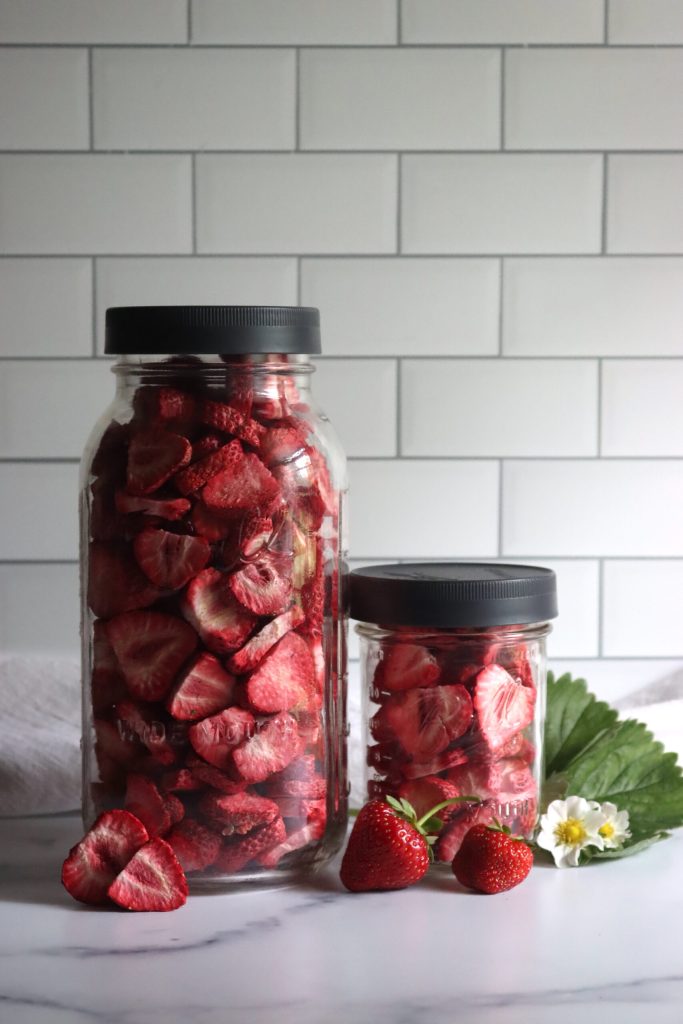
Think about a strawberry you freeze dry: it keeps its shape and flavor but becomes lightweight and shelf-stable. This is why astronauts and backpackers rely on freeze-dried foods.
Key Freeze Drying Steps
- Freezing:The item is frozen solid, usually at very low temperatures, to prepare for moisture removal.
- Primary Drying (Sublimation):Under low pressure, heat gently causes frozen water to turn into vapor, removing about 95% of the moisture.
- Secondary Drying (Desorption):Remaining bound water molecules are removed by slightly increasing the temperature, ensuring long-term preservation.
Each step requires careful control of temperature and pressure. Skipping or rushing these steps can damage the product or extend the freeze drying time.
Have you ever wondered why some freeze drying cycles take 24 hours or more? It’s because each step must be done slowly to protect the food’s integrity. Your patience pays off with better taste and nutrition.

Credit: hopewellheightsblog.com
Factors Affecting Freeze Drying Time
Freeze drying time varies widely and depends on several key factors. Understanding these elements can help you predict how long your freeze drying process will take. Knowing what affects the drying time lets you plan better and get the best results from your freeze dryer.
Food Type And Composition
Different foods dry at different speeds. Fruits like strawberries and apples tend to freeze dry faster than dense vegetables such as carrots or meats. Foods high in sugar or fat can take longer because these components hold onto moisture more tightly.
Have you noticed how some freeze-dried snacks feel lighter and crisper? That’s because their composition allows moisture to escape quickly. Your choice of food plays a direct role in how long the drying cycle will last.
Slice Thickness And Size
Thinner slices dry faster. If you cut your food into thin pieces, moisture escapes more quickly, reducing freeze drying time. Large or thick chunks trap moisture inside, making the process longer and less efficient.
Try slicing your food uniformly to speed up drying and get consistent results. Uneven sizes mean some parts stay wet while others over-dry, affecting texture and shelf life. Have you ever noticed how uneven slices in your freeze dryer lead to mixed outcomes?
Moisture Content
The more water your food holds, the longer it takes to freeze dry. Foods like watermelon or cucumbers have high moisture and need extended drying time. Drier foods like nuts or dried herbs finish faster because they start with less water.
Checking moisture content before starting can save you time. If your food is very wet, consider pre-freezing it longer or cutting it smaller. What’s your strategy for handling high-moisture foods?
Freeze Dryer Model And Capacity
Your machine’s power and size influence drying speed. Larger, more advanced freeze dryers can handle bigger batches and remove moisture faster. Small home units work well but may take longer for the same amount of food.
Choosing the right freeze dryer depends on your needs. If you plan to freeze dry often or in bulk, investing in a more capable model can save hours. How does your freeze dryer’s capacity match your food drying goals?
Typical Freeze Drying Timeframes
Freeze drying time varies widely depending on the type and size of the food you’re working with. Understanding typical freeze drying timeframes helps you plan better and avoid surprises. Let’s break down common categories to give you a clearer picture.
Small Fruits And Vegetables
Small fruits like berries and peas usually freeze dry faster than larger items. They often take about 20 to 30 hours because their size allows moisture to escape more quickly.
If you’ve ever freeze dried strawberries, you know they become light and crunchy in just over a day. This speed can save you time when prepping snacks or ingredients for your pantry.
Meats And Proteins
Meats and proteins take longer due to their density and moisture content. Expect 30 to 40 hours for items like chicken breasts or beef strips.
This longer time ensures all moisture is removed to prevent spoilage. Have you noticed how freeze-dried jerky lasts so long? That’s the result of thorough drying.
Soups And Liquids
Freeze drying soups and other liquids is a slower process. It can take 40 to 50 hours or more because liquids first freeze solid and then slowly lose moisture.
Think about your favorite homemade broth — freeze drying it preserves flavor but demands patience. Does knowing this change how you plan meal prep?
Prepared Meals
Complex prepared meals with multiple ingredients vary widely but generally require 35 to 50 hours. The mix of textures and moisture levels makes drying more challenging.
For example, a freeze-dried pasta dish takes longer than just freeze drying plain vegetables. Have you tried freeze drying entire meals for hiking or emergencies? Timing is crucial to get it right.
Stages Of Freeze Drying And Their Duration
Freeze drying is a process that preserves food by removing moisture. This method ensures food retains flavor and nutrients. The process consists of three stages: freezing, primary drying, and secondary drying. Each stage is crucial and varies in duration.
Freezing Phase
The freezing phase is the first step. Food is frozen at very low temperatures. This phase can take a few hours. The goal is to turn water in food into ice. Proper freezing is essential for effective drying later.
Primary Drying Phase
Primary drying involves sublimation. Ice converts directly into vapor. This phase uses a vacuum to lower pressure. The process can last several hours to days. Heat is applied gently to aid sublimation. The majority of moisture is removed during this phase.
Secondary Drying Phase
Secondary drying removes unfrozen water molecules. It occurs at a higher temperature. This phase can last from a few hours to a day. The goal is to achieve low moisture levels. This ensures long-term preservation of the food.
Tips To Reduce Freeze Drying Time
Reducing freeze drying time saves energy and speeds up food preservation. Several simple steps help lower the time needed for freeze drying. These tips improve efficiency without lowering quality. Use these strategies to make your process faster and better.
Pre-freezing Techniques
Pre-freezing food before freeze drying helps cut total drying time. Quickly freezing food forms smaller ice crystals. Smaller crystals evaporate faster during drying. Using a blast freezer or cold freezer works well. Freeze food evenly to avoid long drying spots. Avoid slow freezing to prevent large ice crystals.
Optimizing Slice Thickness
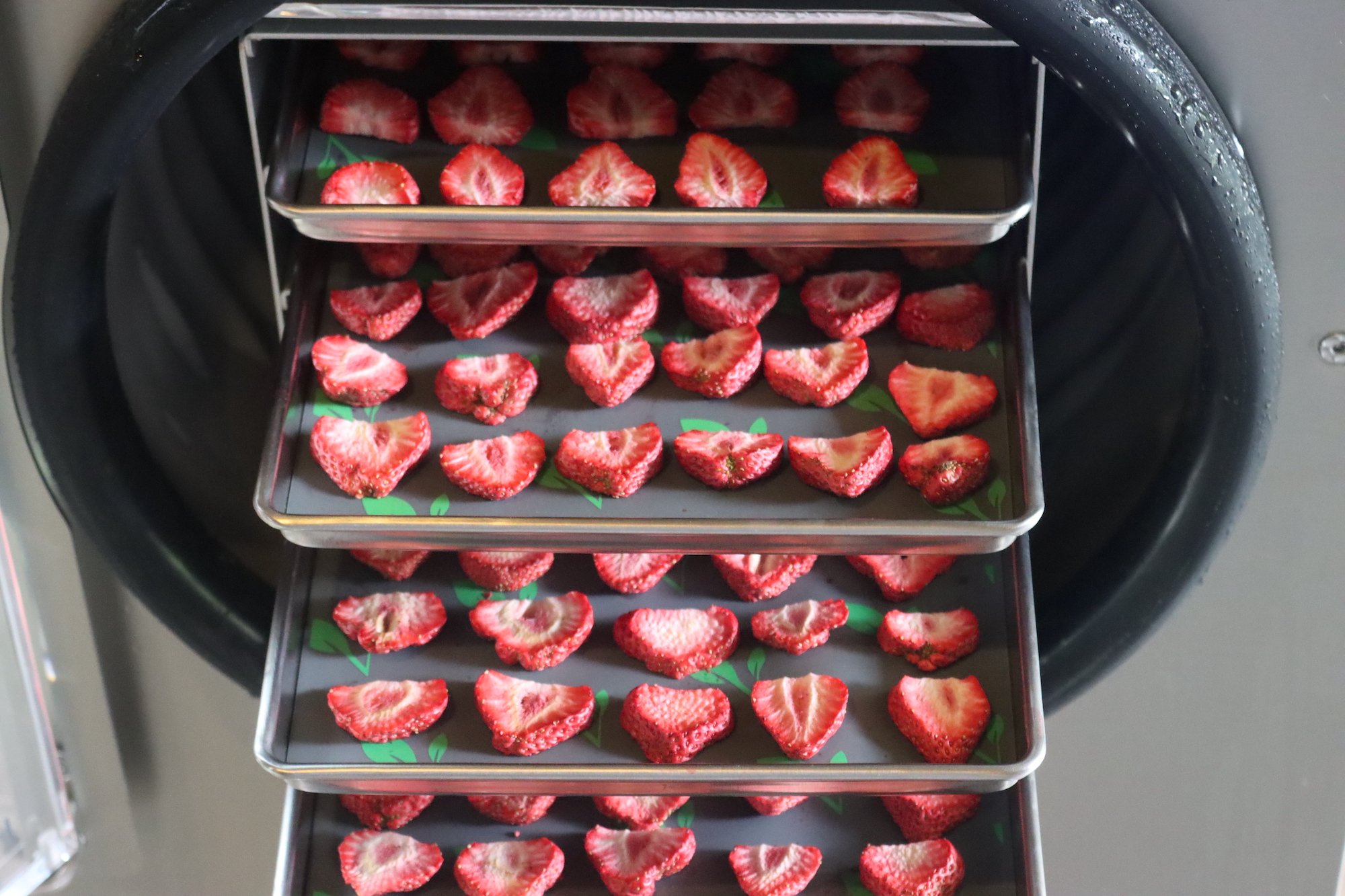
Thin slices dry faster than thick pieces. Cut food into thin, uniform slices. About 1/4 inch thickness works best for many foods. Thin slices allow moisture to escape quickly. Avoid very thick pieces that trap moisture inside. Uniform size helps all pieces dry evenly.
Using Advanced Equipment
Modern freeze dryers have faster freezing and drying cycles. Equipment with better vacuum and temperature controls speeds drying. Use models with built-in sensors for moisture and temperature. Advanced machines adjust settings to save time. Regular maintenance of equipment keeps it working fast.
Credit: practicalselfreliance.com
Common Freeze Drying Challenges
Freeze drying is a fantastic way to preserve food and other materials, but it’s not without its hurdles. Many people find themselves puzzled by unexpected issues that slow down the process or affect the quality of the final product. Understanding these common challenges can help you troubleshoot and get better results faster.
Uneven Drying
Uneven drying happens when some parts of your batch lose moisture faster than others. This can leave you with patches that are still damp while other areas are completely dry.
It often occurs because of inconsistent spacing or poor airflow inside the freeze dryer. Have you noticed certain trays drying faster? Try rearranging items or using smaller, uniform pieces to promote even air circulation.
Extended Drying Times
Sometimes the drying process takes longer than expected, which can be frustrating if you’re on a tight schedule. This can be due to thicker items, higher moisture content, or incorrect temperature settings.
One time, I left a batch of strawberries in too thickly sliced pieces. It doubled the drying time and wasted energy. Cutting items into thinner slices and checking moisture levels beforehand can save you hours.
Equipment Maintenance
Your freeze dryer won’t work well if it’s not properly maintained. Dirty coils, clogged filters, or worn-out vacuum seals can slow down the drying or cause failures.
Regular cleaning and timely replacement of parts keep your machine running smoothly. Do you have a maintenance schedule? If not, setting one up might be the key to avoiding unexpected downtime.
Calculating Freeze Drying Time For Your Food
Calculating the freeze drying time for your food is essential to get the best results. It helps you avoid under-drying, which can cause spoilage, or over-drying, which wastes energy and time. Understanding the factors that affect drying time will give you better control over the process and improve your food’s shelf life and taste.
Estimating Based On Weight
The weight of your food plays a major role in freeze drying time. Generally, heavier items take longer because the moisture inside needs more time to sublimate.
For example, a pound of strawberries may take around 24 hours, but a pound of dense meat could need 30 hours or more. A simple way to estimate is to allow 20 to 40 hours per pound, depending on other factors.
Do you have a kitchen scale? Weigh your food before drying to get a clearer idea of how long you might need.
Adjusting For Food Type
Not all foods dry at the same rate. Fruits with high water content, like watermelon or tomatoes, dry faster than dense vegetables or meats.
Foods with thick skins or fatty layers slow down the process. For instance, freeze drying a slice of bacon takes longer than drying a slice of apple.
Think about the texture and moisture of your food before setting the timer. Have you noticed how some foods shrink more quickly? That’s a sign they’re drying faster.
Monitoring Progress
Even with a solid estimate, monitoring your freeze dryer regularly is key. Check the dryness level by feeling or gently breaking a piece of food.
Look for signs like brittleness or a powdery texture, which usually means drying is complete. Avoid guessing—improperly dried food can cause problems later.
Ask yourself: is the food fully dry or still slightly soft? Keeping notes on drying times for different foods helps you get more accurate with each batch.

Credit: shop.clarosfarm.com
Frequently Asked Questions
How Long Does Freeze Drying Usually Take?
Freeze drying typically takes 20 to 40 hours depending on the food type and moisture content. Larger or denser items require more time to fully freeze dry and preserve.
What Factors Affect Freeze Drying Time?
Freeze drying time depends on item size, moisture level, temperature, and equipment efficiency. Higher moisture and bigger sizes increase drying time significantly.
Can Freeze Drying Be Done Faster?
Speeding up freeze drying reduces quality and shelf life. Proper low temperature and vacuum conditions are essential for effective preservation.
How To Know When Freeze Drying Is Complete?
Freeze drying is complete when the food becomes dry, brittle, and hard. No visible moisture or softness should remain in the product.
Conclusion
Freeze drying takes time but preserves food well. The process usually lasts from several hours to a few days. Factors like food type and machine size affect the duration. Patience ensures the best results and long-lasting storage. Knowing the time helps plan your drying projects better.
Freeze drying keeps nutrients and flavor intact. It’s a useful method for saving food without losing quality. Keep these points in mind to manage your freeze drying effectively.