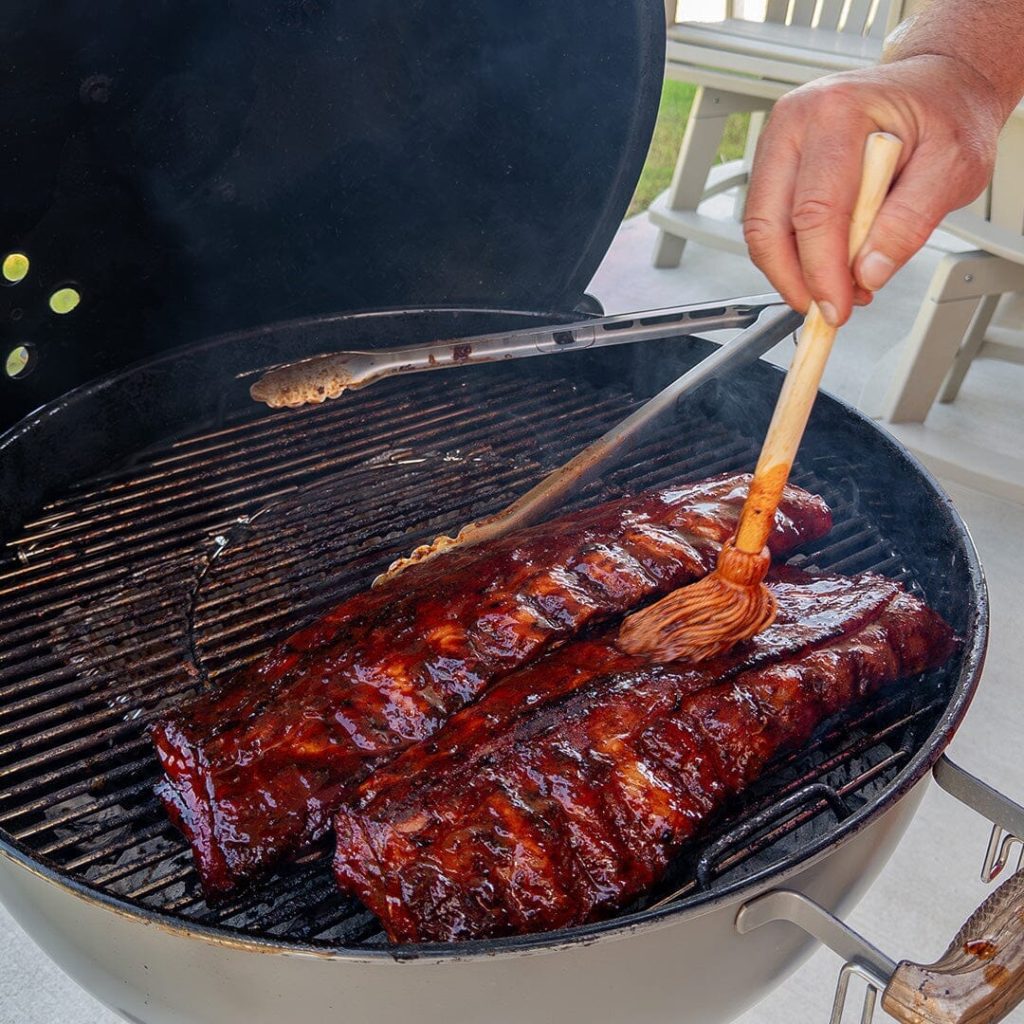
You’ve got your ribs ready and your charcoal grill fired up, but how long should you really cook those ribs for the best flavor and tenderness? Grilling ribs on charcoal isn’t just about throwing them on the heat—it’s about timing, temperature, and a bit of patience.
If you want juicy, fall-off-the-bone ribs that’ll impress your friends and family, knowing the right cooking time is key. Keep reading, and you’ll discover exactly how long it takes to grill ribs on charcoal so your next cookout turns out perfect every time.

Credit: www.reddit.com
Choosing The Right Ribs
Grilling ribs over charcoal takes time and care. Choosing the right ribs is the first step. Different types of ribs change the cooking time and taste.
Knowing the difference between rib cuts and their freshness helps you cook better ribs. This guide covers the main choices to make before grilling.
Baby Back Vs Spare Ribs
Baby back ribs come from the upper part of the rib cage. They are smaller and leaner. Spare ribs are larger and have more fat. This fat adds flavor but needs more cooking time.
| Type | Size | Fat Content | Cooking Time | Flavor |
|---|---|---|---|---|
| Baby Back Ribs | Smaller | Less fat | Shorter (2-3 hours) | Milder |
| Spare Ribs | Larger | More fat | Longer (3-4 hours) | Richer |
Choose baby back ribs for a quicker cook and lean taste. Pick spare ribs if you want a richer flavor and don’t mind longer grilling.
Fresh Vs Pre-packaged Ribs
Fresh ribs are usually better for grilling. They have a natural texture and flavor. Pre-packaged ribs are convenient but may have additives or preservatives.
- Fresh ribs often have a pink color and firm texture
- Pre-packaged ribs can be vacuum-sealed for longer storage
- Check the label for added ingredients on pre-packaged ribs
- Fresh ribs need to be used quickly for best taste
- Pre-packaged ribs may save time but might change the flavor
Pick fresh ribs if you want the best taste and texture. Choose pre-packaged ribs for convenience and longer shelf life.
Preparing Your Charcoal Grill
Grilling ribs on charcoal takes time and careful preparation. Setting up your grill properly helps cook the ribs evenly. It also adds smoky flavor that many enjoy.
This guide covers how to prepare your charcoal grill. You will learn about indirect heat, choosing the best charcoal, and controlling airflow and temperature.
Setting Up For Indirect Heat
Indirect heat means placing the coals to one side of the grill. The ribs cook next to, not directly over, the hot coals. This prevents burning and cooks ribs slowly.
To set this up, arrange your charcoal on one side of the grill. Leave the other side clear. Place a drip pan under the ribs to catch fat and keep the grill clean.
Choosing The Right Charcoal
Choosing the right charcoal affects how your ribs taste. Different types burn at different temperatures and add unique flavors.
- Charcoal briquettes burn evenly and last longer.
- Natural lump charcoal lights quickly and burns hotter.
- Hardwood charcoal adds a smoky flavor.
- Avoid charcoal with added chemicals or lighter fluid.
Managing Airflow And Temperature
Airflow controls the heat inside your grill. Use the vents to keep the temperature steady. Too much air makes the fire too hot. Too little air can make it die out.
| Vent Position | Effect on Temperature |
| Fully Open | High heat, fast burning |
| Half Open | Medium heat, steady burn |
| Mostly Closed | Low heat, slow burning |
Seasoning And Marinating Ribs
Grilling ribs on charcoal is a rewarding experience. Proper seasoning and marinating make ribs delicious and tender. Let’s explore how to enhance the flavor of your ribs.
Dry Rubs For Flavor
Dry rubs add a savory crust to your ribs. They are a blend of spices that you rub on the meat before grilling. This method helps lock in the moisture and flavor.
- Use paprika for a smoky taste
- Add garlic powder for depth
- Include brown sugar for sweetness
- Mix cayenne pepper for a spicy kick
- Combine salt and pepper for balance
Marinades And Brines
Marinades and brines are liquids used to soak the ribs before grilling. They tenderize the meat and infuse it with flavor. Different ingredients can be used based on taste preferences.
| Ingredient | Purpose |
| Lemon juice | Adds acidity |
| Soy sauce | Enhances umami |
| Honey | Gives sweetness |
| Apple cider vinegar | Tenderizes meat |
| Olive oil | Binds flavors |
Grilling Time Basics
Grilling ribs on charcoal requires patience and control. Time and temperature play key roles in getting tender and tasty ribs.
Knowing the ideal temperature and cooking time helps avoid undercooked or burnt ribs. Let’s explore the basics.
Ideal Temperature Range
Keep your charcoal grill at a steady low heat. The best temperature range for ribs is between 225°F and 275°F (107°C – 135°C). This heat cooks ribs slowly and evenly.
- Use a grill thermometer to watch the temperature closely.
- Adjust vents to control airflow and heat.
- Add charcoal in small amounts to keep steady heat.
- Avoid high heat to prevent burning the ribs.
General Cooking Time Estimates
Cooking time depends on the rib type and heat level. Here is a simple table with time estimates for common rib types on charcoal.
| Rib Type | Cooking Time (Hours) | Temperature (°F) |
|---|---|---|
| Baby Back Ribs | 4 to 5 | 225 – 275 |
| Spare Ribs | 5 to 6 | 225 – 275 |
| St. Louis Style Ribs | 5 to 6 | 225 – 275 |
Step-by-step Grilling Process
Grilling ribs on charcoal takes time and care. Following the right steps helps you get tender and tasty ribs.
This guide shows how long to grill ribs and how to manage the process well.
Preparing The Grill For Cooking
Start by cleaning the grill grate. Remove old ashes and leftover charcoal from last use.
Light the charcoal and let it burn until covered with white ash. This usually takes 15-20 minutes.
- Use about 30-40 briquettes for medium heat.
- Arrange coals on one side for indirect cooking.
- Keep a drip pan under the grill grate to catch fat.
Placing Ribs On The Grill
Place ribs on the grill away from direct heat. This keeps the meat from burning.
Lay ribs bone-side down for even cooking. Close the lid to keep the heat steady.
- Cook ribs for about 3 to 4 hours.
- Turn ribs every 30 minutes for even heat.
- Use a meat thermometer; ribs are done at 190°F (88°C).
Maintaining Consistent Heat
Check the charcoal often to keep the fire steady. Add more charcoal if heat drops.
Adjust the grill vents to control airflow. More air means hotter fire; less air cools it down.
- Keep grill temperature between 225°F and 250°F (107°C and 121°C).
- Use a spray bottle with water to control flare-ups.
- Close the lid quickly after adding charcoal to keep heat in.
Using The 3-2-1 Method
The 3-2-1 method is a popular way to grill ribs on charcoal. It breaks the cooking into three parts to make ribs tender and flavorful.
This method uses smoke, foil wrapping, and unwrapped grilling to get the best results. It usually takes six hours total.
Three Hours Of Smoking
Start by smoking the ribs over low heat on charcoal for three hours. Keep the temperature around 225°F (107°C).
This slow smoking adds flavor and helps the ribs cook evenly. Use wood chips for extra smoky taste.
Two Hours Wrapped In Foil
After smoking, wrap the ribs tightly in foil. This traps moisture and makes the meat very tender.
Place the wrapped ribs back on the grill for two hours. Keep the heat steady to avoid drying out.
One Hour Unwrapped
Unwrap the ribs and put them back on the grill for one hour. This firms up the bark and adds texture.
You can brush your favorite sauce on the ribs during this time for a nice glaze. Watch them so they don’t burn.
Checking For Doneness
Grilling ribs on charcoal takes time and patience. Knowing when ribs are done is key to great taste.
Use these simple ways to check if your ribs are cooked perfectly before serving.
Visual Cues
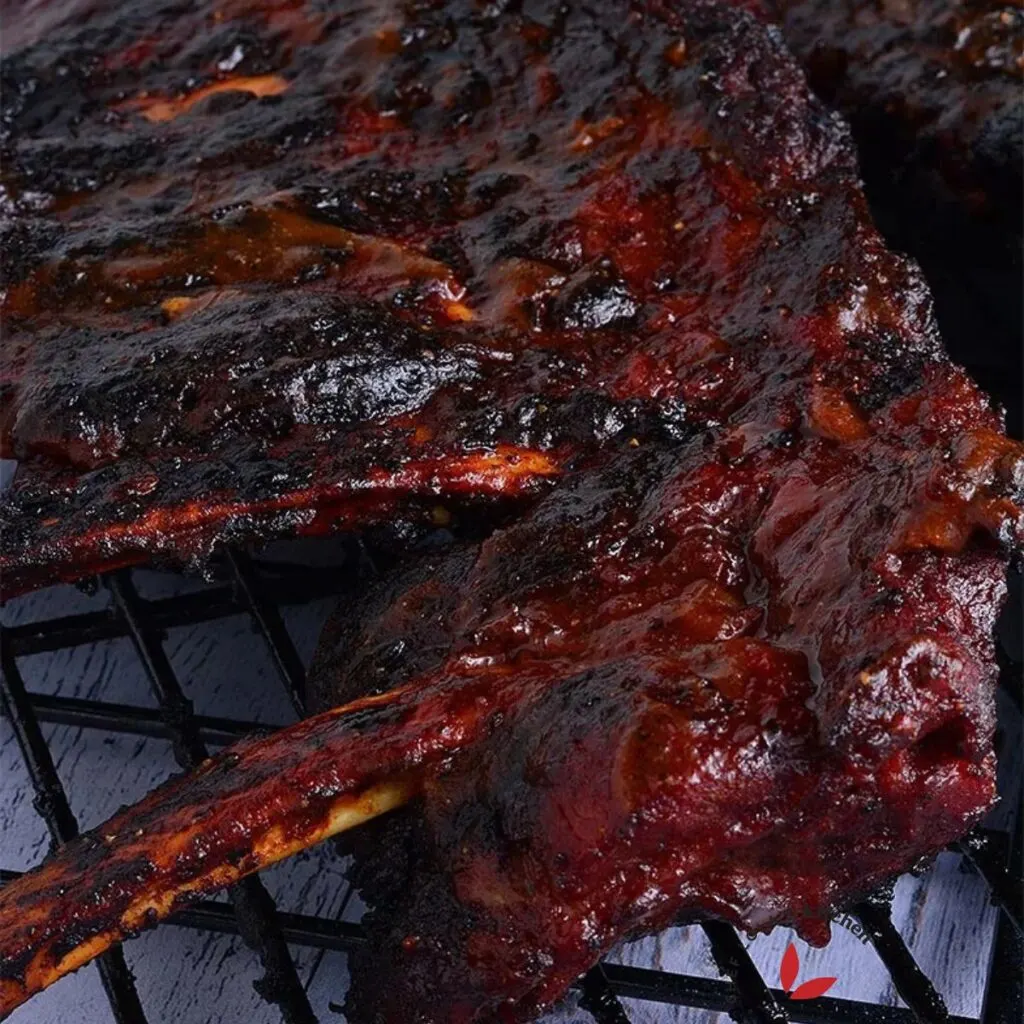
Look at the ribs’ color and surface to judge doneness. The meat should pull back from the bones.
The outside should have a nice brown crust called the bark. It shows the ribs have cooked well.
- Meat pulls away from bone ends
- Surface has a dark, caramelized crust
- Ribs look juicy but not wet or raw
Using A Meat Thermometer
A meat thermometer gives the most accurate check for doneness. Insert it into the thickest part.
Ribs are safe to eat when the internal temperature reaches about 190°F to 203°F (88°C to 95°C).
- Insert thermometer between bones, not touching bone
- Check temperature near the thickest meat
- 190°F to 203°F means ribs are tender and cooked
The Bend Test
Pick up the ribs with tongs and gently lift them. Well-cooked ribs bend easily without breaking.
If the ribs crack slightly but don’t snap, they are tender and ready to eat.
- Lift ribs with tongs
- Ribs should bend like a bow
- Small cracks show tenderness
- Ribs that snap are not done yet
Credit: cheflolaskitchen.com
Adding Sauce And Finishing Touches
Grilling ribs on charcoal needs more than just heat. Adding sauce and finishing touches make ribs tasty and juicy. Timing is key to get the best flavor and look.
This part of grilling adds a sweet, smoky glaze. It also helps the ribs stay moist. Learn when to apply sauce and how to caramelize it.
When To Apply Sauce
Apply sauce near the end of grilling. Adding it too early can burn the sauce. Usually, start saucing ribs in the last 20-30 minutes.
Brush sauce on ribs every 10 minutes. This builds layers of flavor without burning. Keep the grill temperature moderate to avoid charring.
- Wait until ribs are mostly cooked
- Brush sauce gently on all sides
- Repeat every 10 minutes for best taste
- Maintain medium heat to prevent burning
Caramelizing The Sauce
Caramelizing sauce makes ribs shiny and flavorful. It happens when sugars in the sauce heat up and turn golden brown. Watch ribs closely to avoid burning.
Use indirect heat to caramelize sauce. Close the grill lid to keep heat steady. This helps the sauce stick and form a tasty crust on ribs.
- Apply final sauce layer 10-15 minutes before done
- Keep grill temperature around 250°F (120°C)
- Use indirect heat for even caramelizing
- Watch ribs closely to stop burning
- Let ribs rest after grilling for best taste
Common Mistakes To Avoid
Grilling ribs on charcoal takes time and care. Many people make mistakes that affect taste and texture. Avoiding these errors will help you get better results.
Understanding common mistakes is key to cooking ribs perfectly. Below are some errors to watch out for during grilling.
Cooking At Too High Heat
Cooking ribs at very high heat burns the outside before the inside cooks. This makes ribs tough and dry. Low, steady heat works best for charcoal grilling.
Keep the charcoal temperature around 225°F to 275°F. This slow cooking lets the ribs become tender and juicy.
- High heat causes burnt crust
- Low heat cooks ribs evenly
- Slow cooking breaks down connective tissue
Skipping Resting Time
Many skip resting ribs after grilling. Resting lets juices spread through the meat. Cutting ribs right away can cause dry, less flavorful bites.
Wrap ribs in foil and let them rest for 10 to 15 minutes. This step improves tenderness and taste.
- Resting keeps ribs moist
- It helps flavors settle
- Cut ribs after resting for best texture
Over-saucing Too Early
Applying sauce too early can cause it to burn. Sugar in sauces caramelizes fast and creates bitter spots. Add sauce near the end of grilling.
Brush sauce on ribs in the last 10 to 15 minutes. This adds flavor without burning.
- Sugar burns quickly on high heat
- Apply sauce late for best flavor
- Multiple thin layers work better than one thick layer
Tips For Consistent Results
Grilling ribs on charcoal can be tricky. Consistent results come with practice and patience. Learn a few tips to make your ribs tasty every time.
Start with the right tools and monitor your grill temperature. These are key steps to grilling success. Let’s explore each one in detail.
Monitoring Temperature Regularly
Keeping a steady temperature is important. Ribs need even heat to cook well. Check your grill’s temperature often.
Use a reliable thermometer. It helps you know the exact heat level. Adjust the vents to control the temperature better.
- Check every 20 minutes
- Adjust vents to manage heat
- Use a grill thermometer
Using Quality Tools
Good tools make grilling easier. Invest in a sturdy grill. Quality tools can make a big difference in your cooking.
Get a charcoal chimney starter. It lights charcoal quickly without lighter fluid. Use long-handled tongs to handle hot ribs safely.
- Sturdy grill
- Charcoal chimney starter
- Long-handled tongs
Practice And Patience
Grilling ribs takes time to learn. Be patient with the process. Each grilling session teaches you something new.
Try different methods and find what works best. Over time, you’ll grill ribs with confidence and skill.
- Learn from each session
- Experiment with methods
- Gain confidence over time

Credit: www.thepioneerwoman.com
Frequently Asked Questions
How Long Do Ribs Take To Cook On Charcoal?
Ribs typically take 3 to 4 hours to cook on charcoal. Maintaining a steady temperature of 225-250°F ensures tender, juicy ribs. Slow cooking over indirect heat is key to perfect results.
What Temperature Is Best For Grilling Ribs On Charcoal?
The ideal temperature for grilling ribs on charcoal is between 225°F and 250°F. This low and slow heat cooks ribs evenly, making them tender and flavorful without drying them out.
Should Ribs Be Cooked Covered Or Uncovered On Charcoal?
Ribs should be cooked covered on charcoal to trap heat and smoke. Covering helps maintain consistent temperature and infuses smoky flavor, ensuring ribs cook evenly and stay moist throughout the process.
How Do You Know When Ribs Are Done On Charcoal?
Ribs are done when the meat pulls back from the bone edges and feels tender. A toothpick should slide in easily. Internal temperature should reach about 190-203°F for perfect tenderness.
Conclusion
Grilling ribs on charcoal takes patience and care. Expect around 3 to 5 hours for tender ribs. Keep the heat low and steady for best results. Check the ribs often to avoid burning. Use a good rub or sauce to add flavor.
Remember, slow cooking makes ribs juicy and soft. Enjoy the process and taste the reward at the end. Great ribs need time, but the flavor is worth it. Happy grilling!