
Imagine you’re driving on a scorching summer day, and suddenly, your car’s air conditioner starts blowing warm air. It’s frustrating, isn’t it?
You rely on your car’s AC to keep you cool and comfortable, especially during those long drives. When the cool breeze turns into a hot blast, it’s time to think about recharging your car’s air conditioner. But how long does it actually take?
You’ll discover the simple steps involved and how much of your time it might require. We’ll break it down for you, so you know what to expect and can plan accordingly. With the right knowledge at your fingertips, you can get back to enjoying that refreshing, cool air while driving. Dive in to learn more and ensure you’re never caught off guard by a sudden AC failure again!

Credit: www.youtube.com
Car Air Conditioner Basics
Car air conditioners keep the inside of your vehicle cool. They use a special gas called refrigerant to absorb heat. This system works quietly to give you comfort during hot days.
Knowing how your car AC works helps you understand why it may need recharging. Regular maintenance keeps your AC running well and lasts longer.
How Car Ac Works
The car AC system removes heat and moisture from the air inside your vehicle. It uses several parts to cool the air before it reaches you.
- Compressor:Pressurizes the refrigerant gas and moves it through the system.
- Condenser:Cools the refrigerant gas and turns it into a liquid.
- Expansion Valve:Controls the flow of refrigerant into the evaporator.
- Evaporator:Absorbs heat from the car’s air and cools it down.
- Refrigerant:The fluid that carries heat from inside the car to outside.
Common Ac Problems
AC problems can cause your car to feel hot even when the system is on. Some issues are easy to spot, while others need a mechanic.
| Problem | Cause | Effect |
|---|---|---|
| Low Refrigerant | Leaks in the system | AC blows warm air |
| Clogged Condenser | Dirt and debris buildup | Reduced cooling power |
| Faulty Compressor | Mechanical failure | AC stops working |
| Electrical Issues | Blown fuses or wiring problems | AC does not turn on |
Signs Your Ac Needs Recharging
Your car’s air conditioner can lose cooling power over time. This usually means it needs recharging. Knowing the signs helps you fix it early.
Pay attention to how your AC works. If it is not cold enough or makes strange sounds, it may need more refrigerant.
Reduced Cooling Performance
Your AC may blow air that is not cold enough. This happens when the refrigerant is low. The car takes longer to cool down.
If you notice the air is warm or less cool, it is a clear sign to recharge your AC system.
Strange Noises
When the AC runs low on refrigerant, it can cause unusual sounds. You might hear hissing or clicking noises from the vents.
These noises mean the system is working harder than usual and might need a recharge soon.
Unusual Odors
If your AC smells strange or musty, it could mean mold or bacteria growth. Low refrigerant can cause moisture to build up inside the system.
Check for bad smells when turning on the AC. This can be a sign that your system needs service and a recharge.
Factors Affecting Recharge Time
Recharging a car air conditioner does not take the same time for every vehicle. Several factors can change how long the process lasts. Knowing these can help you plan your repair or maintenance better.
Some factors relate to the vehicle type, the AC system’s current state, and the amount of refrigerant needed. Each one plays a role in the total recharge time.
Type Of Vehicle
Different vehicles have varied air conditioning systems. Larger cars or trucks often have bigger AC units that need more refrigerant. Smaller cars usually take less time to recharge.
- Compact cars usually take less time to recharge.
- SUVs and trucks may need more refrigerant and time.
- Older vehicles might have outdated systems that affect recharge speed.
Ac System Condition
The condition of the AC system greatly affects recharge time. A well-maintained system is faster to service. Leaks or damaged parts slow down the process because they need fixing first.
| System Condition | Effect on Recharge Time |
| Good condition | Shorter recharge time |
| Minor leaks | Moderate delay due to repairs |
| Major damage | Longer time for parts replacement |
Amount Of Refrigerant Needed
The amount of refrigerant required changes the recharge duration. Filling a small amount is quicker. A full refill takes longer, especially if the system was empty or nearly empty.
Key points about refrigerant amount:
- Small top-ups take about 15-30 minutes.
- Full recharges can take 30-60 minutes.
- Extra time is needed if leaks cause refrigerant loss.
Typical Recharge Duration
Car air conditioners need regular recharging to work well. The time to recharge depends on the type of service. Some recharges take only a short time. Others need a full system check and refill.
Knowing the typical recharge duration helps you plan your visit to the service center. It also helps you understand what the technician will do.
Quick Top-ups
Quick top-ups add refrigerant to the AC system without a full check. This process is fast and often done when the refrigerant level is slightly low.
- Usually takes 15 to 30 minutes
- Technician checks refrigerant pressure
- Adds only the needed amount of refrigerant
- Does not involve major system inspection
- Good for minor leaks or low refrigerant
Full System Recharges
Full system recharges include removing old refrigerant, checking for leaks, and refilling the system. This service takes longer than a quick top-up.
| Task | Estimated Time |
| Leak detection and repair | 30 to 60 minutes |
| Refrigerant removal | 15 to 30 minutes |
| System vacuum and cleaning | 20 to 40 minutes |
| Refilling refrigerant | 15 to 30 minutes |
| Total time | 1.5 to 3 hours |
Diy Vs Professional Recharge
Recharging your car air conditioner can bring cool air back fast. You can try doing it yourself or hire a professional. Each way takes a different amount of time and effort.
Knowing the pros and cons helps you pick the best option for your needs and skill level.
Pros And Cons Of Diy
Doing the recharge yourself saves money and can be quick if you have the right tools. You can do it at home without waiting for an appointment.
Still, DIY recharging takes time to learn and can cause damage if done wrong. You may not find leaks or other problems that a professional would spot.
- Pros: Lower cost, no appointment needed, quick for small tasks
- Cons: Risk of mistakes, limited tools, no leak detection
Benefits Of Professional Service
Professionals recharge your car air conditioner with full equipment and skill. They check for leaks and fix issues beyond just adding refrigerant.
Using a professional often takes 30 to 60 minutes. This time includes testing and ensuring your AC works well after the service.
- Expertise to find and fix leaks
- Use of proper tools and safe refrigerants
- Guaranteed service quality and system checks
- Time-efficient for complex problems

Credit: www.cartalk.com
Step-by-step Recharge Process
Recharging a car air conditioner takes some care and the right tools. Following steps carefully helps the system work well again.
This guide shows how to check refrigerant, connect the recharge kit, and add refrigerant safely.
Checking Refrigerant Levels
Start by checking the refrigerant level in your car’s AC system. Low levels mean it needs recharging.
Use a pressure gauge on the low-pressure port to see the current amount of refrigerant.
- Locate the low-pressure service port under the hood
- Attach the pressure gauge to the port
- Read the pressure level shown on the gauge
- Compare it to the recommended pressure in your car manual
Connecting Recharge Kit
Next, connect the recharge kit to the low-pressure port. Make sure the engine is off before doing this.
Check that all connections are tight to avoid leaks during the recharge process.
- Wear safety gloves and glasses
- Attach the hose from the recharge kit to the low-pressure port
- Secure the connection to prevent refrigerant leaks
- Keep the recharge kit upright during connection
Adding Refrigerant Safely
Turn on the car and the AC system to start the recharge. Add refrigerant slowly and watch the pressure gauge.
Stop adding refrigerant once the pressure reaches the recommended level. Do not overfill the system.
- Open the valve on the recharge kit to release refrigerant
- Shake the refrigerant can while adding
- Watch the gauge to avoid overpressure
- Close the valve when the desired pressure is reached
- Disconnect the recharge kit carefully
Tips For Maintaining Ac Efficiency
Car air conditioners need care to work well. Keeping the AC efficient saves energy and money.
Simple actions can help the AC cool your car better and last longer.
Regular Inspections
Check your car’s AC system often. Look for leaks and unusual noises.
Inspections can spot problems early. Fixing issues quickly keeps AC working well.
- Check refrigerant levels
- Listen for strange sounds
- Look for visible damage
Cleaning Components
Dirt and dust make the AC less effective. Clean parts like filters and vents regularly.
Clean components help air flow freely and improve cooling power.
- Replace or clean air filters every few months
- Clear dust from vents and ducts
- Keep condenser coils clean
Avoiding Overuse
Running the AC nonstop can wear it out fast. Use it wisely to keep it lasting longer.
Turn off the AC when you don’t need it. Use the recirculate mode to cool faster.
- Turn off AC when parked
- Use recirculate mode inside the car
- Avoid setting very low temperatures
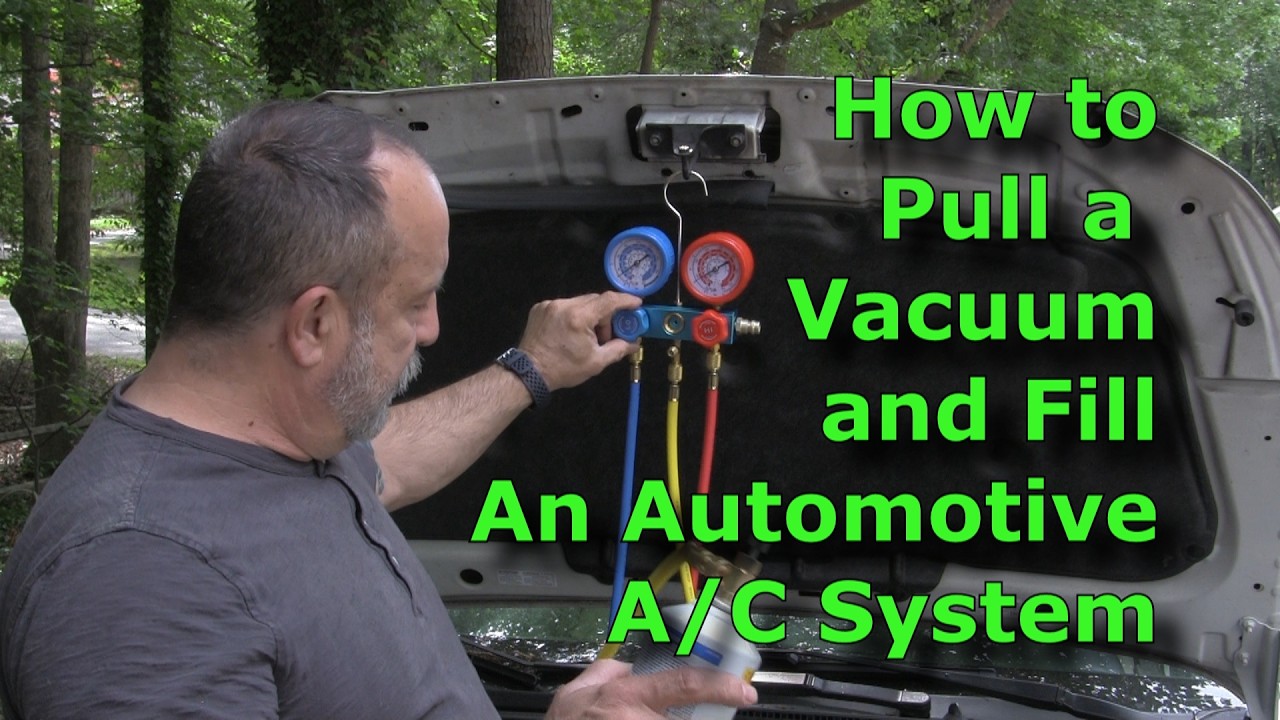
Credit: www.youtube.com
Frequently Asked Questions
How Long Does It Take To Recharge A Car Ac?
Recharging a car AC typically takes 30 to 60 minutes. The time depends on the system’s condition and refrigerant amount. A professional service ensures proper recharge and checks for leaks. Quick recharges might not fix underlying issues.
What Factors Affect Car Ac Recharge Time?
Factors include refrigerant level, leak detection, system size, and technician experience. A damaged system or leaks increase recharge time. Proper diagnosis before recharging ensures efficient and lasting cooling performance.
Can I Recharge My Car Ac Myself Quickly?
DIY recharge kits can take 20 to 40 minutes but need care. Incorrect recharge risks damaging the system or underperformance. Professional service is recommended for accurate pressure and safety checks.
How Often Should A Car Ac Be Recharged?
Typically, car AC systems need recharging every 2 to 3 years. Frequent use or leaks may require earlier recharges. Regular maintenance helps maintain cooling efficiency and prolongs system life.
Conclusion
Recharging a car air conditioner usually takes 30 to 60 minutes. The time depends on your car model and the technician’s skill. Regular maintenance helps keep the AC working well. Pay attention to cooling performance to know when to recharge.
Quick service saves you from discomfort in hot weather. Trust a professional for safe and proper recharge. Keep your car cool and enjoy every drive. Easy steps can make a big difference.