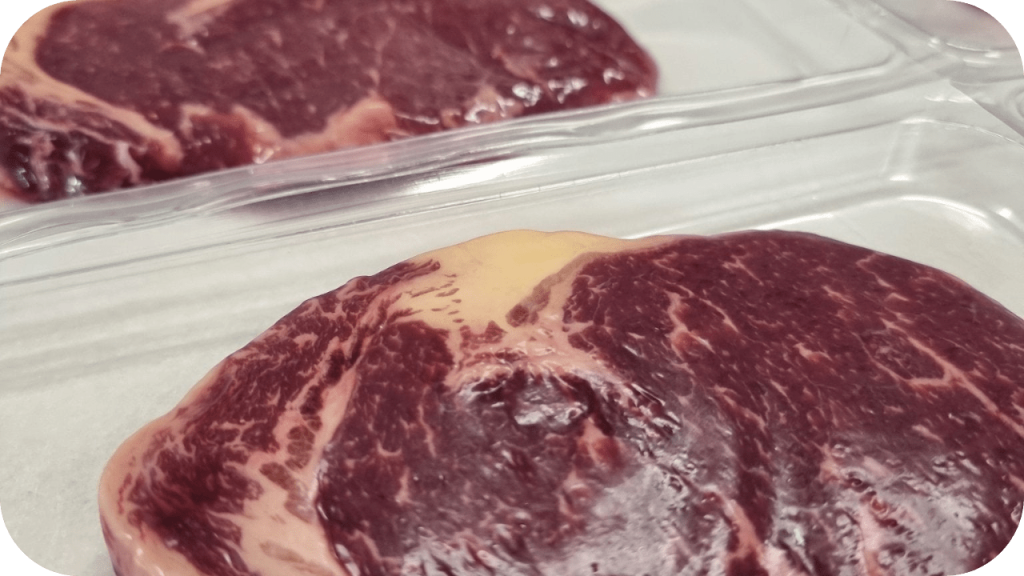
Have you ever stood in your kitchen, staring at a vacuum-sealed steak in your fridge, and wondered just how long it would last before it’s time to cook or toss it? You’re not alone.
Understanding the shelf life of vacuum-sealed steak is crucial for both your health and your taste buds. Fresh, juicy steak is a delight to savor, but keeping it safe to eat while maintaining its delicious flavor can be a challenge.
Imagine never having to second-guess whether your steak is still good or if it’s turned. By the end of this article, you’ll have the answers you need to ensure that every steak meal you prepare is both delicious and safe. We’ll explore the science behind vacuum sealing, the factors that affect your steak’s freshness, and provide you with practical tips to maximize its shelf life. Keep reading to unlock the secrets of your fridge and make the most out of every steak dinner.

Credit: angusmeatsdirect.com
Steak Storage Basics
Storing steak properly keeps it fresh and tasty for longer. Understanding the basics helps prevent spoilage and waste. Temperature, packaging, and handling affect steak’s shelf life.
Vacuum sealing is a popular method to extend steak freshness. It removes air, slowing down bacteria growth and oxidation. Knowing how these factors work helps maintain quality in your fridge.
Factors Affecting Shelf Life
- Storage temperature: Keep steak below 40°F (4°C) to slow bacteria.
- Steak freshness: Fresh cuts last longer than older ones.
- Packaging: Proper wrapping prevents air exposure and moisture loss.
- Handling: Clean hands and surfaces reduce contamination risk.
- Cut type: Thicker cuts stay fresh longer than thin slices.
Vacuum Sealing Benefits
- Removes air that causes spoilage and freezer burn.
- Extends fridge storage time by 1 to 2 weeks.
- Preserves flavor and moisture better than regular wrap.
- Reduces risk of contamination from other foods.
- Allows easy portioning and storage without mess.
Fridge Storage Duration
Proper fridge storage is key to keeping steak fresh and safe. Vacuum sealing removes air, slowing spoilage. This method helps preserve flavor and texture. Understanding how long steak lasts vacuum sealed guides better meal planning. Safe storage prevents waste and foodborne illness.
Vacuum Sealed Steak Timeline
Vacuum sealed steak lasts about 1 to 2 weeks in the fridge. The sealed bag blocks oxygen, reducing bacteria growth. The steak keeps its color and moisture longer than usual. For best quality, store the steak at or below 40°F (4°C).
Check the steak for off smells or slimy texture before cooking. If vacuum sealed steak smells sour or looks dull, discard it. Freezing extends shelf life beyond fridge storage.
Comparison With Non-sealed Steak
Non-sealed steak lasts only 3 to 5 days in the fridge. Exposure to air speeds up spoilage and dryness. The meat can turn brown and lose flavor faster. Bacteria multiply quickly on unsealed meat surfaces.
Vacuum sealing nearly doubles the fridge storage time. It also prevents freezer burn if freezing later. For the freshest steak, vacuum seal soon after purchase.
Signs Of Spoiled Steak
Knowing the signs of spoiled steak is essential to avoid foodborne illnesses and enjoy your meal safely. Even vacuum-sealed steak can go bad if stored too long, so paying close attention to changes in appearance, smell, and texture can save you from an unpleasant experience. Let’s break down the key indicators that your steak has passed its prime.
Visual Indicators
Look closely at your vacuum-sealed steak before cooking. Fresh steak usually has a bright red or deep pink color, depending on the cut and type of meat. If you notice any dull, grayish, or brownish patches, it’s a red flag.
Also, check for any slimy or sticky film on the surface once you open the package. This often signals bacterial growth. Another sign is excessive moisture or pooling liquid inside the vacuum seal—this can mean the meat is breaking down.
Smell And Texture Changes
The smell test is one of the most reliable ways to detect spoilage. Fresh steak has a mild, meaty scent. If your steak smells sour, ammonia-like, or just off in any way, don’t take the risk.
Texture matters too. Spoiled steak feels tacky or slimy rather than firm and slightly springy. Press your finger into the meat—if it leaves a dent that doesn’t bounce back, the steak may have lost its freshness.
Have you ever ignored these signs and regretted it? Trusting your senses can prevent wasted food and protect your health.

Credit: steakrevolution.com
Safe Handling Tips
Handling vacuum-sealed steak safely keeps it fresh and tasty. Following simple steps can prevent food spoilage and health risks. Proper care extends the steak’s shelf life in the fridge. Pay close attention to storage conditions and hygiene.
Proper Fridge Temperature
Keep your fridge temperature at or below 40°F (4°C). This slows bacterial growth on vacuum-sealed steak. Use a fridge thermometer to check the exact temperature. Avoid frequent door openings to maintain a steady cold environment. Store steak on the bottom shelf to prevent drips on other foods.
Avoiding Cross-contamination
Keep vacuum-sealed steak away from raw vegetables and ready-to-eat foods. Use separate cutting boards and utensils for meat and other items. Wash hands thoroughly before and after handling steak. Clean fridge surfaces regularly to remove bacteria. Store steak in a sealed container or on a plate to catch any leaks.
Extending Steak Freshness
Keeping steak fresh for longer is a goal for any meat lover. Vacuum sealing significantly slows down spoilage by removing air, which limits bacterial growth and oxidation. But even vacuum-sealed steak has a shelf life, and understanding how to extend it can save you money and improve your meals.
Have you ever opened a vacuum-sealed pack only to find the steak less fresh than expected? That can be frustrating, especially if you planned a special dinner. The right storage and handling techniques can keep your steak at peak quality for days or even weeks.
Freezing Vacuum Sealed Steak
Freezing is one of the best ways to extend the life of vacuum-sealed steak beyond the fridge’s limits. Once vacuum sealed, steak can last in the freezer for 6 months or more without losing much flavor or texture.
Make sure your freezer is at or below 0°F (-18°C) to keep the steak properly frozen. Label the package with the date so you can track how long it’s been stored. Avoid refreezing steak multiple times as it can damage the meat fibers and reduce quality.
- Freeze immediately after vacuum sealing for best results.
- Use a deep freezer if possible, as it maintains a more consistent temperature.
- Consider portioning steak into meal-sized packs to prevent waste.
Thawing Methods
How you thaw your vacuum-sealed steak greatly impacts its taste and safety. The safest way is to thaw it slowly in the refrigerator, which can take 12 to 24 hours depending on the steak’s thickness.
This slow thaw keeps the steak at a safe temperature, minimizing bacteria growth. If you’re in a hurry, you can submerge the sealed steak in cold water, changing the water every 30 minutes until thawed.
Avoid thawing steak at room temperature, as this encourages bacterial growth and spoils the meat faster. Have you tried cooking steak straight from the freezer? It’s possible but requires adjusting cooking times to ensure even doneness.

Credit: www.carnivoresociety.com.au
Cooking Vacuum Sealed Steak
Cooking vacuum sealed steak is a game changer for both flavor and convenience. Since the steak has been sealed tightly, it retains its juices and marinades better, resulting in a more tender and flavorful meal. However, cooking it properly requires some attention to detail to make the most of this preservation method.
Best Practices
Start by thawing your vacuum sealed steak in the fridge if it’s frozen. This slow thaw keeps the meat at a safe temperature and maintains texture.
Remove the steak from the bag just before cooking to avoid any plastic melting or off-flavors. Pat it dry with paper towels for a better sear.
Use high heat to create a nice crust quickly while keeping the inside juicy. Cast iron skillets or grills work best for this.
- Preheat your pan or grill for at least 5 minutes
- Season the steak simply with salt and pepper
- Cook for 3-5 minutes per side depending on thickness and desired doneness
Maintaining Quality And Flavor
Vacuum sealing locks in flavor but doesn’t protect against overcooking. Use a meat thermometer to check internal temperature.
Rest your steak for 5-10 minutes after cooking to let juices redistribute. This step keeps the steak moist and tender.
Consider finishing the steak with a pat of butter or fresh herbs to enhance the flavor. It’s a small touch that makes a big difference.
Have you noticed how much better a vacuum sealed steak tastes compared to one stored in a regular plastic bag? The difference lies in these cooking details that preserve quality and flavor every time.
Frequently Asked Questions
How Long Does Vacuum Sealed Steak Last In The Fridge?
Vacuum sealed steak can last 1 to 2 weeks in the fridge. The vacuum seal slows spoilage by reducing oxygen exposure. Always check for off smells or discoloration before use.
Can Vacuum Sealing Extend Steak’s Fridge Shelf Life?
Yes, vacuum sealing extends steak’s fridge life by 1 to 2 weeks. It limits bacteria growth and freezer burn. Proper refrigeration below 40°F is essential for safety.
Is It Safe To Eat Vacuum Sealed Steak After 2 Weeks?
It’s not recommended to eat vacuum sealed steak after 2 weeks in the fridge. Bacteria may grow even if sealed. Always inspect texture, smell, and color before cooking.
Does Vacuum Sealing Affect Steak’s Freshness In The Fridge?
Vacuum sealing preserves steak’s freshness by preventing air exposure and moisture loss. This keeps the steak tender and flavorful longer than traditional storage methods.
Conclusion
Vacuum sealing helps steak last longer in the fridge. It keeps air and bacteria away. Usually, steak stays fresh for 1 to 2 weeks when sealed properly. Always check the color and smell before cooking. If it looks off or smells bad, do not eat it.
Store the steak at the right temperature, below 40°F (4°C). Proper storage keeps your meat safe and tasty. Remember, fresh steak means better flavor and texture. Keep these tips in mind to enjoy your steak safely.