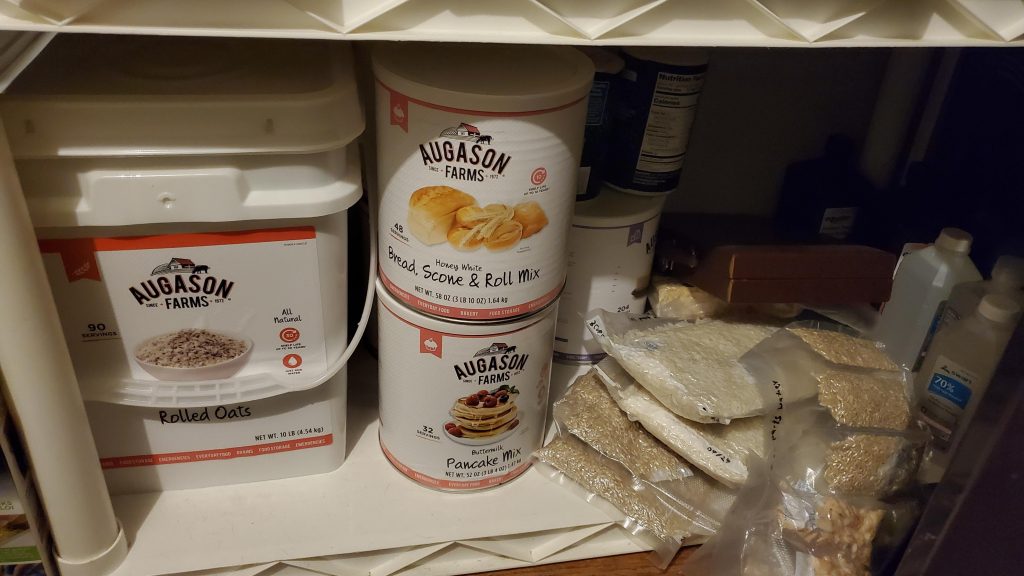
Ever found an old bag of rice in your pantry and wondered if it’s still safe to eat? You’re not alone.
With the rise in popularity of vacuum-sealed packaging, many are curious about how long vacuum-packed rice can actually last. Imagine having a pantry stocked with rice that’s fresh and ready whenever you need it. Sounds convenient, right? But how can you be sure it’s still good after months—or even years—of storage?
You’ll uncover the secrets behind the shelf life of vacuum-packed rice, ensuring you make the most of every grain. Stick around to discover how to store your rice properly and avoid any unpleasant surprises at dinnertime!
Shelf Life Of Vacuum Packed Rice
Vacuum packed rice lasts longer than regular rice because air is removed. This process slows down spoilage and keeps rice fresh. Understanding the shelf life helps avoid waste and ensures better taste.
Factors Affecting Shelf Life
Several factors influence how long vacuum packed rice stays good. These include the type of rice, packaging quality, and storage environment. Moisture and temperature play big roles in rice spoilage. Proper sealing prevents air and bugs from entering. The fresher the rice when packed, the longer it lasts.
White Rice Vs Brown Rice
White rice lasts longer than brown rice in vacuum packs. Brown rice has oils in the bran layer that go bad faster. White rice can last up to 5 years if stored well. Brown rice usually lasts about 6 to 12 months. Vacuum packing extends both types’ shelf life but does not stop natural oil breakdown in brown rice.
Storage Conditions Impact
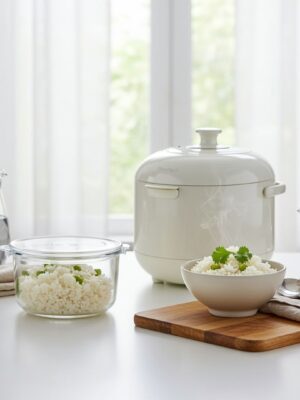
Storage conditions greatly affect vacuum packed rice shelf life. Rice should be kept in a cool, dry place away from sunlight. High temperatures speed up spoilage and reduce shelf life. Humidity causes mold and clumping. Keep vacuum packs sealed until use. Proper storage can keep rice fresh for years.
Credit: www.ahealthysliceoflife.com
Benefits Of Vacuum Packing Rice
Vacuum packing rice offers several important benefits. It keeps rice fresh longer and helps maintain its quality. This storage method removes air, which slows down spoilage. It also protects rice from external factors that can reduce its shelf life. Here are the key benefits of vacuum packing rice.
Extended Freshness
Vacuum packing removes oxygen, which causes rice to spoil. Without air, rice stays fresh for months or even years. This method slows down the growth of bacteria and mold. It prevents the rice from losing its taste and texture over time.
Protection From Moisture And Pests
Rice stored in vacuum-sealed bags stays dry. Moisture causes rice to clump and spoil quickly. Vacuum packing blocks moisture from entering the package. It also keeps pests like insects and rodents away from the rice.
Maintaining Nutritional Value
Vacuum sealing helps rice keep its nutrients longer. Exposure to air can cause vitamins and minerals to break down. By sealing out air, rice retains its nutritional quality. This method ensures you get the full health benefits when you cook the rice.
Storing Vacuum Packed Rice Properly
Proper storage of vacuum packed rice is key to maintaining its freshness and extending its shelf life. Even though vacuum sealing removes most of the air, certain environmental factors can still affect the quality of your rice. Paying attention to temperature, humidity, cleanliness, and container choice can make a significant difference.
Ideal Temperature And Humidity
Rice stored in a cool, dry place lasts much longer. Aim for temperatures below 70°F (21°C) to slow down any natural degradation. High humidity can cause moisture to seep in and lead to mold or spoilage.
Have you noticed how rice stored in a damp basement quickly loses its texture? That’s because moisture is the enemy here. Keeping your vacuum packed rice in a low-humidity environment helps maintain its crunch and taste over time.
Avoiding Contamination
Even vacuum sealed packages aren’t completely immune to contamination once opened. Always use clean, dry utensils to scoop rice to avoid introducing bacteria or moisture. Avoid touching the rice directly with your hands.
Think about it—tiny particles or oils from your fingers can speed up spoilage. Keeping the package sealed tightly after each use is just as important to prevent exposure to pests or airborne contaminants.
Best Containers For Storage
While vacuum packing does a lot of the work, choosing the right container adds an extra layer of protection. Store vacuum packed rice in airtight, opaque containers to block out light and air.
- Plastic containers with tight lids work well for short-term storage.
- Glass jars with rubber seals offer excellent protection and are easy to clean.
- Metal containers can also be used but ensure they don’t rust or react with the rice.
Have you tried using reusable silicone bags? They’re flexible, seal tightly, and save space. Think about what fits best in your kitchen and protects your rice from external factors.

Credit: www.amazon.in
Signs Rice Has Gone Bad
Knowing the signs that vacuum packed rice has gone bad can save you from an unpleasant meal or even health issues. Even though vacuum sealing extends shelf life, rice can still spoil over time if not stored properly. Paying attention to subtle changes can help you decide if your rice is still safe to eat.
Visual Changes
Look closely at the rice grains through the packaging or after opening it.
- Discoloration, such as yellowing or dark spots, often indicates spoilage.
- Presence of mold or tiny clumps means moisture has affected the rice.
- Check for insects or larvae; vacuum sealed rice is less likely to have bugs, but not impossible if the seal breaks.
If you notice any of these, it’s best to discard the rice immediately.
Smell And Texture Differences
Fresh rice has a neutral, slightly nutty aroma. If your rice smells sour, musty, or like damp cardboard, it has likely spoiled.
Texture is another clue. Rice that feels sticky, clumpy, or unusually hard might have absorbed moisture or deteriorated.
Have you ever opened a bag of rice and been hit by a strange smell? That’s your cue to check further before cooking.
Taste Test Indicators
If the rice passes the visual and smell checks, you can try a small taste test.
Cook a tiny portion and notice the taste and texture. Spoiled rice may taste bitter, sour, or off in some way.
Rice that feels gritty or unusually chewy after cooking signals it’s time to toss it.
Would you want to risk using rice that tastes off just to save a few cents? Your health is worth more.
Tips To Maximize Rice Freshness
Keeping your vacuum packed rice fresh for as long as possible requires a few smart habits. These simple tips help you avoid spoilage and maintain the rice’s quality. Let’s look at practical ways you can extend the shelf life of your rice and keep it tasting great.
Buy In Small Quantities
Purchasing rice in smaller amounts means you use it up before it starts to lose freshness. Large bulk buys can be tempting, but the longer rice sits, even vacuum packed, the more likely it is to degrade in taste and texture.
Think about your usual cooking frequency. Does a 10-pound bag fit your needs, or would 2 or 5 pounds be a better choice? Smaller quantities reduce waste and keep your rice fresher overall.
Labeling And Rotation
Label your vacuum packed rice with the purchase or packing date. This simple habit helps you track how long the rice has been stored. It also encourages you to use older packages first, preventing rice from sitting forgotten in the pantry.
Try arranging your stock so the oldest bags are at the front. This way, you’ll naturally rotate your rice and maintain freshness without much extra effort.
Using Oxygen Absorbers
Oxygen absorbers are a game changer for stored rice. These small packets remove oxygen from the packaging, slowing down spoilage and preventing bugs.
If you vacuum pack rice yourself, adding oxygen absorbers can make a big difference. You might be surprised how much longer your rice stays fresh and free from pests with this simple addition.
Credit: www.marketreportanalytics.com
Frequently Asked Questions
How Long Does Vacuum Packed Rice Stay Fresh?
Vacuum packed rice stays fresh for 1 to 2 years when stored properly. The vacuum seal prevents air and moisture, extending shelf life significantly.
Does Vacuum Sealing Increase Rice Shelf Life?
Yes, vacuum sealing significantly increases rice shelf life by removing air. It reduces oxidation and moisture, keeping rice fresh much longer than traditional storage.
Can Vacuum Packed Rice Go Bad?
Vacuum packed rice can go bad if exposed to heat, moisture, or punctures. Always store it in a cool, dry place to maintain freshness.
How Should I Store Vacuum Packed Rice?
Store vacuum packed rice in a cool, dry, and dark place. Avoid direct sunlight and humidity to preserve its quality and extend shelf life.
Conclusion
Vacuum packed rice lasts much longer than regular rice. It can stay fresh for one to two years if stored well. Keep it in a cool, dry place away from sunlight. Always check the packaging for any damage before buying.
Using vacuum packed rice helps reduce waste and saves money. Remember, proper storage keeps the rice safe and tasty. Enjoy your meals without worry about spoilage. Simple steps make a big difference in rice shelf life.