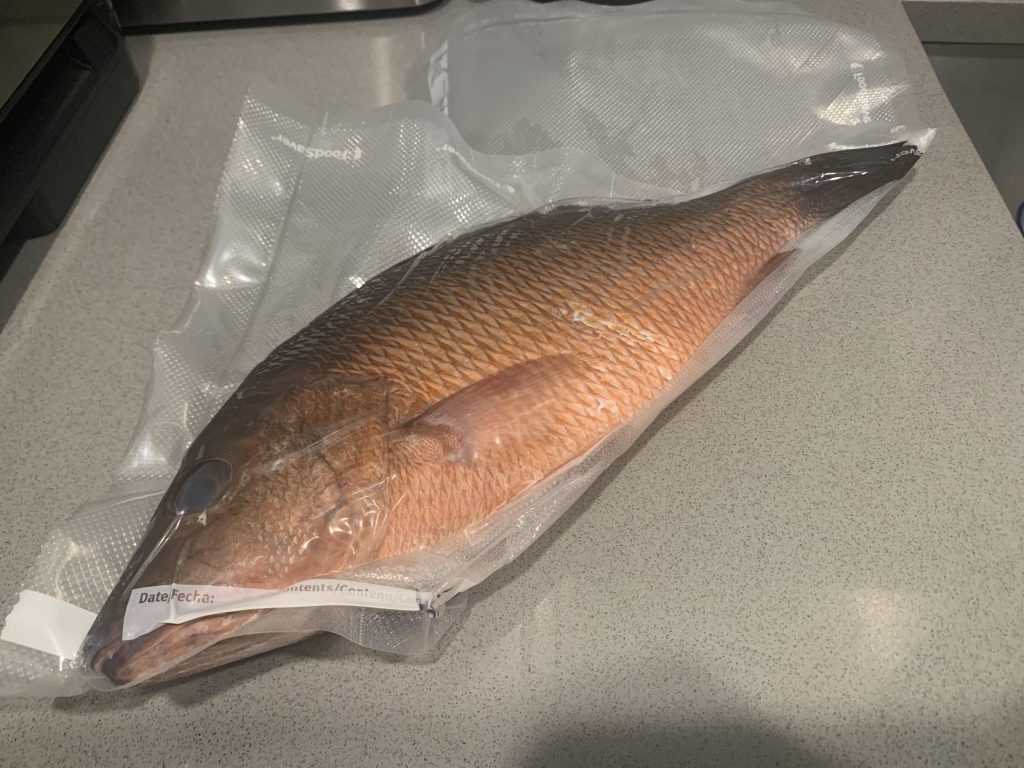
Have you ever found yourself standing in front of your freezer, staring at that vacuum-sealed fish, and wondering if it’s still safe to eat? You’re not alone.
Many of us are keen on stocking up on our favorite seafood, thanks to its rich flavors and health benefits. But how long can vacuum-sealed fish really last in the freezer without losing its quality or becoming unsafe? This is a question that might have crossed your mind, especially when you’re planning meals or trying to reduce food waste.
Understanding the shelf life of vacuum-sealed fish in the freezer can save you money, time, and the disappointment of discovering your favorite meal is no longer fit to eat. We’ll delve into the science behind vacuum sealing, how it extends the life of your fish, and the best practices to ensure you enjoy fresh-tasting seafood every time. If you’ve ever questioned the longevity of your frozen fish, you’ll want to keep reading for the insights that could change your kitchen habits.
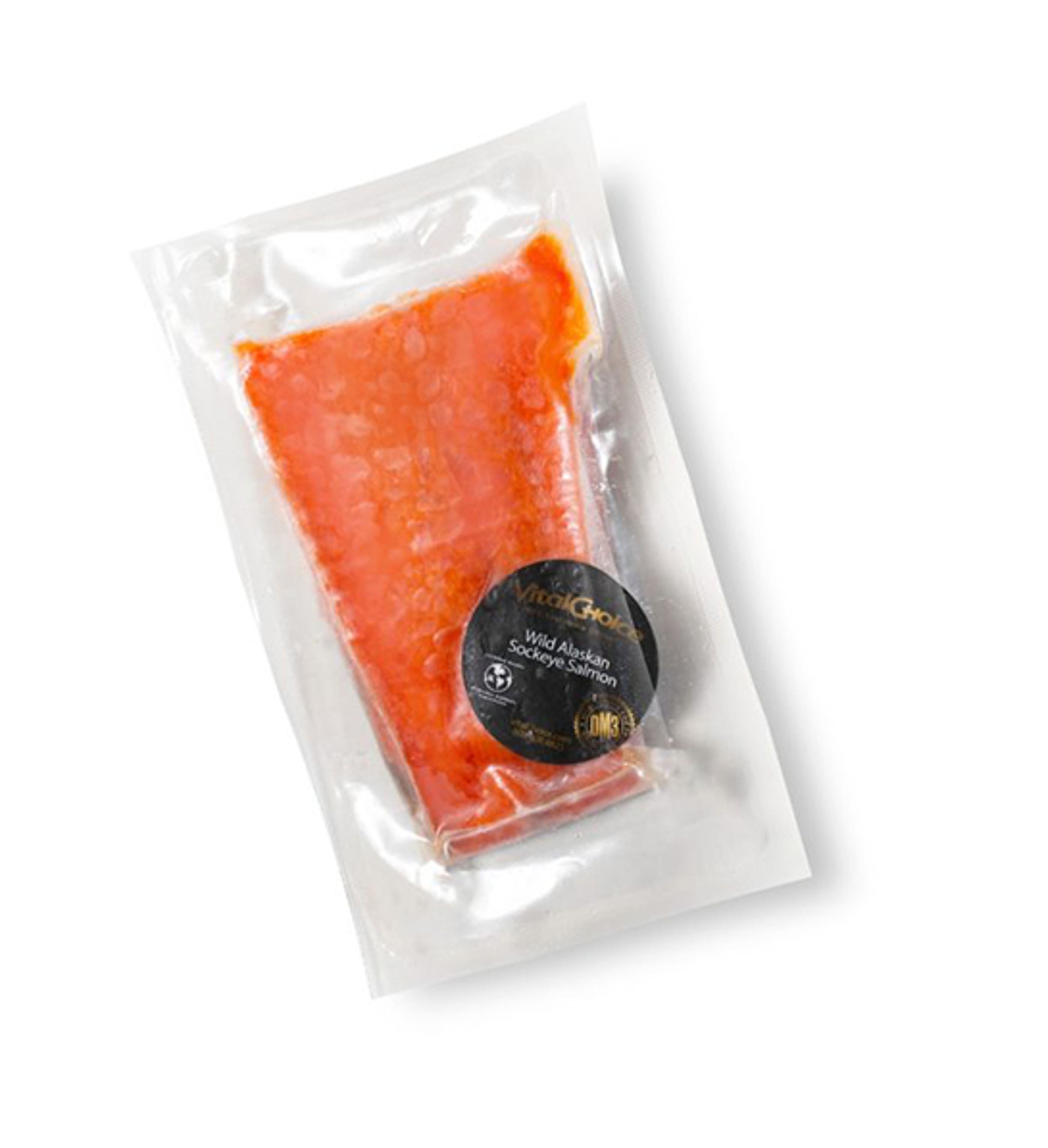
Credit: www.vitalchoice.com
Vacuum Sealing Basics
Vacuum sealing is a popular way to keep fish fresh for a long time. It removes air from the packaging, slowing down spoilage. This technique helps preserve the fish’s flavor, texture, and nutrients. Understanding how vacuum sealing works can help you store fish better in the freezer.
How Vacuum Sealing Works
Vacuum sealing removes air from the bag around the fish. A machine pulls the air out, then seals the bag tightly. Without air, bacteria and mold grow slower. This reduces freezer burn and keeps fish fresh longer. The sealed bag stops moisture loss and protects fish from odors.
Benefits For Fish Preservation
- Extends freezer storage time significantly
- Maintains fish texture and taste
- Prevents freezer burn and dehydration
- Protects fish from contamination
- Reduces waste by preserving quality
Vacuum sealing is simple and effective. It helps you enjoy fresh fish even after months in the freezer.
Freezing Fish Properly
Freezing fish properly is essential to keep it fresh and tasty for longer. Without the right steps, fish can lose flavor and texture. Proper freezing slows down bacteria growth and preserves nutrients. Vacuum sealing is a great way to protect fish from freezer burn. Yet, freezing must be done at the correct temperature and with good preparation.
Ideal Freezer Temperatures
The freezer should be at or below 0°F (-18°C). This temperature stops bacteria and slows enzyme activity. Keeping fish at this level helps maintain its quality. Avoid frequent temperature changes by not opening the freezer often. A stable cold environment keeps vacuum-sealed fish fresh for months.
Preparation Tips Before Sealing
- Clean fish thoroughly under cold running water.
- Pat dry with paper towels to remove excess moisture.
- Cut fish into portions suitable for one meal.
- Remove bones and skin if preferred.
- Use airtight vacuum bags to prevent air contact.
- Label bags with the date before freezing.
Shelf Life Of Vacuum Sealed Fish
Vacuum sealing fish extends its freshness and protects it from freezer burn. Proper storage helps keep fish safe and tasty for longer. Understanding the shelf life of vacuum sealed fish in the freezer is key to enjoying it at its best.
White Fish Vs. Oily Fish
White fish includes cod, haddock, and tilapia. It has less fat and a milder taste. Vacuum sealed white fish can last about 12 months in the freezer. Oily fish like salmon, mackerel, and sardines have higher fat content. These fats can go bad faster. Vacuum sealed oily fish usually lasts 6 to 8 months in the freezer.
Factors Affecting Longevity
Several factors influence how long vacuum sealed fish lasts frozen:
- Freezer temperature:Keep it at or below 0°F (-18°C).
- Initial freshness:Fresher fish lasts longer when frozen.
- Vacuum seal quality:A strong seal prevents air and moisture entry.
- Type of fish:Fatty fish spoils faster than lean fish.
- Handling:Avoid thawing and refreezing to preserve quality.
Signs Of Spoilage
Knowing the signs of spoilage is crucial when handling vacuum sealed fish, especially after storing it in the freezer for a while. Even though vacuum sealing extends freshness, fish can still go bad if kept too long or not frozen properly. Recognizing spoilage early helps you avoid foodborne illnesses and wasted meals.
Visual Indicators
Look closely at the fish’s color and appearance. Fresh vacuum sealed fish usually has a bright, natural color—any dullness or discoloration can signal spoilage.
Watch out for:
- Gray or brown patches instead of the usual pink or white hues
- Frost or ice crystals inside the packaging, which might mean freezer burn
- Cloudy or slimy film on the surface once opened
Have you ever opened your freezer to find fish that looked off? That frost buildup is often the first visual clue something’s wrong.
Smell And Texture Changes
Fresh fish has a mild, ocean-like smell. If you detect any sour, ammonia-like, or overly fishy odors after opening, it’s a clear warning sign.
Texture changes are just as important to check. Spoiled fish often feels slimy or sticky rather than firm and moist.
- If the flesh breaks apart easily or feels mushy, avoid eating it.
- Vacuum sealed fish should maintain a solid texture; softness usually means bacteria have started to grow.
Trust your senses—if the fish smells or feels wrong, it’s better to be safe than sorry. Have you ever hesitated before cooking fish because of its smell? That hesitation usually saves you from a bad meal.
Thawing Vacuum Sealed Fish
Thawing vacuum sealed fish properly is crucial to preserving its flavor and texture. If done incorrectly, you risk losing the freshness that vacuum sealing protects. Understanding safe thawing techniques helps you enjoy your fish just as you intended.
Safe Thawing Methods
Thaw your vacuum sealed fish slowly in the refrigerator. This keeps the fish at a safe temperature and prevents bacterial growth. Plan ahead, as this method can take 12 to 24 hours depending on the size of the fish.
If you need to thaw fish quickly, place the sealed package in a bowl of cold water. Change the water every 30 minutes to maintain a safe temperature. Avoid using warm or hot water, as it can promote bacteria and uneven thawing.
Microwaving fish to thaw is generally not recommended. It can start cooking the fish unevenly, ruining the texture. Only use this method if you plan to cook the fish immediately after thawing.
Avoiding Quality Loss
Once thawed, cook your fish promptly to retain its best taste and texture. Refreezing thawed fish can cause ice crystals to form, which breaks down the fish’s fibers and leads to a mushy texture.
Keep the fish sealed until you’re ready to cook. Exposure to air after thawing can dry out the fish and cause freezer burn. If you notice any off smells or sliminess, it’s better to discard it than risk food poisoning.
Have you ever noticed your thawed fish tasting different or feeling mushy? This often happens when fish is thawed too quickly or refrozen. Taking the time to thaw fish carefully can make all the difference in your cooking experience.

Credit: www.aol.com
Tips To Extend Freezer Life
Extending the freezer life of vacuum sealed fish is all about attention to detail. Small changes in how you package and store your fish can make a big difference in preserving its freshness and flavor. Are you ready to keep your fish tasting fresh for longer?
Proper Packaging Techniques
Even though vacuum sealing removes air, how you prepare the fish before sealing matters a lot. Pat the fish dry with paper towels to reduce moisture, which can cause ice crystals and freezer burn.
Wrap the fish tightly in plastic wrap or butcher paper before vacuum sealing. This extra layer helps protect the fish from direct contact with air, improving preservation.
Don’t forget to remove as much air as possible during sealing. Double-check your vacuum sealer’s settings to ensure a strong, tight seal every time.
Using Freezer-safe Storage
Vacuum sealed fish still benefits from being stored inside freezer-safe containers or bags. These add an extra barrier against temperature fluctuations and accidental punctures.
Label each package with the date you sealed it. This simple step helps you keep track and avoid keeping fish too long.
Place packages in the coldest part of your freezer, usually the back or bottom shelves. Avoid the freezer door where temperature changes happen frequently.
- Use rigid plastic containers if you plan to stack your fish packages.
- Choose heavy-duty, BPA-free freezer bags for extra protection.
- Consider adding a small desiccant pack to reduce moisture buildup.

Credit: fullyhealthy.com
Frequently Asked Questions
How Long Can Vacuum Sealed Fish Stay Frozen?
Vacuum sealed fish can last 1 to 3 years in the freezer. Proper sealing prevents freezer burn and preserves freshness. Always check for any signs of spoilage before use.
Does Vacuum Sealing Extend Fish Freezer Life?
Yes, vacuum sealing removes air and slows spoilage. This process helps keep fish fresh longer, often doubling freezer storage time compared to non-sealed fish.
How To Tell If Vacuum Sealed Fish Is Bad?
Look for off smells, discoloration, or slimy texture. If the fish smells sour or shows freezer burn, it’s best to discard it.
Can Frozen Vacuum Sealed Fish Lose Quality?
Yes, over time frozen fish can lose texture and flavor. Vacuum sealing slows this, but for best quality, consume within one year.
Conclusion
Vacuum sealed fish stays fresh longer in the freezer. Proper sealing stops air and slows spoilage. Most fish lasts about six to twelve months frozen this way. Always check for signs of freezer burn or strange smells. Use fish within this time for best taste and safety.
Store it at a consistent freezing temperature. This method helps keep nutrients and flavor intact. Remember, freezing does not kill bacteria, just slows growth. Enjoy your fish fresh and safe by following these tips.