Have you ever wondered how long you can store vacuum-sealed frozen meat in your freezer without sacrificing its quality? You’re not alone.
Many people want to make the most out of their grocery trips by buying in bulk and preserving food for future use. But the key to doing this successfully lies in understanding how to properly store your meat and knowing how long it will last without compromising its flavor or safety.
In this guide, we’ll unlock the secrets behind vacuum-sealed frozen meat, revealing how you can keep your meals fresh, delicious, and safe to eat. Stick around to discover the surprising truth about extending the shelf life of your frozen treasures.
Credit: northpennnow.com
Benefits Of Vacuum Sealing Meat
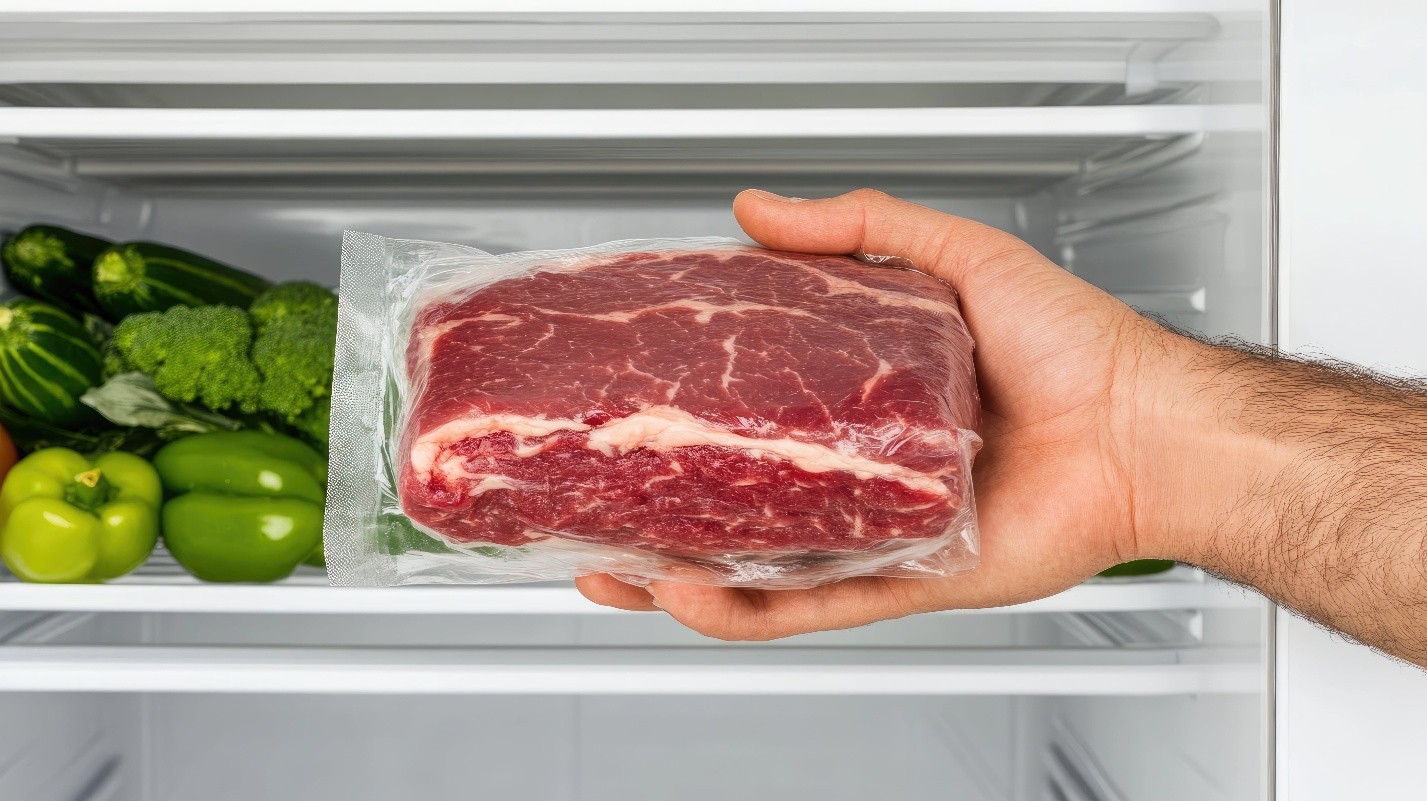
Vacuum sealing meat offers many advantages. It keeps meat fresh longer and protects it from damage. This method removes air and seals meat tightly. The sealed meat stays safe from bacteria and freezer damage. Here are some key benefits of vacuum sealing meat.
Extending Shelf Life
Vacuum sealing removes air around the meat. Without air, bacteria and mold grow slower. This helps meat last longer in the freezer. Vacuum sealed meat can stay fresh for months. It reduces food waste and saves money.
Preventing Freezer Burn
Freezer burn happens when air dries meat’s surface. It causes tough, dry spots and changes taste. Vacuum sealing blocks air from touching meat. This stops freezer burn and keeps meat quality high. Meat stays juicy and tender after freezing.
Preserving Flavor And Texture
Vacuum sealing locks in the meat’s natural juices. It keeps flavors strong and fresh. The texture stays soft and pleasant to eat. Meat does not lose moisture during freezing. It cooks better and tastes better after thawing.
Credit: hpj.com
Freezing Times For Different Meats
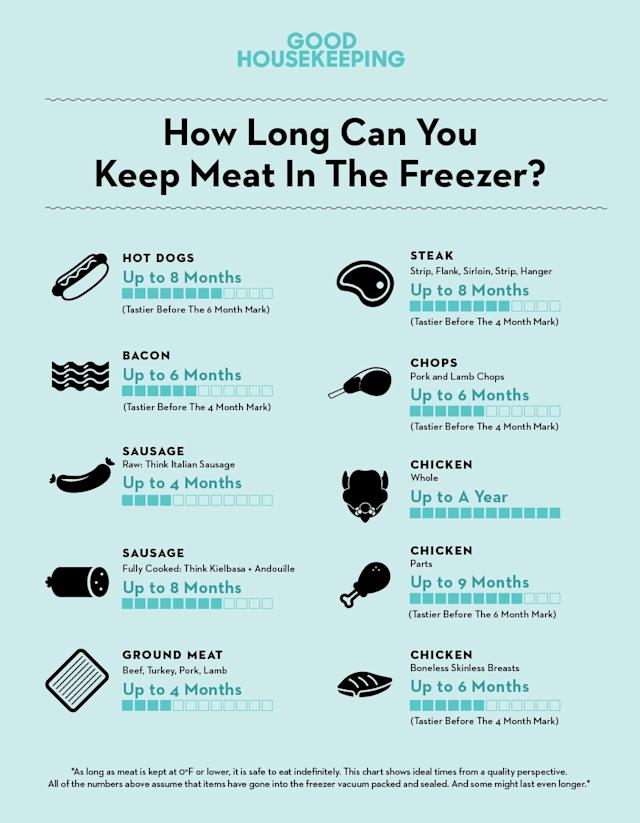
Freezing times vary for different types of vacuum sealed meats. Proper storage helps keep meat fresh and safe. Each meat type has an optimal freezing duration to maintain quality and taste.
Vacuum sealing slows freezer burn and preserves flavor. Still, freezing times depend on meat’s fat content and texture. Understanding these times helps prevent waste and ensures delicious meals.
Beef
Vacuum sealed beef lasts longer than regular frozen beef. Steaks and roasts can keep up to 12 months in the freezer. Ground beef maintains quality for about 3 to 4 months. Well-sealed beef resists freezer burn and stays tender.
Pork
Pork cuts like chops and roasts last 4 to 6 months frozen. Ground pork keeps its best quality for 3 to 4 months. Fatty pork may lose taste faster, so use within 4 months. Vacuum sealing helps keep pork juicy and flavorful.
Poultry
Whole vacuum sealed poultry stays fresh up to 12 months. Chicken breasts and thighs last about 9 months. Ground poultry should be used within 3 to 4 months. Keep poultry frozen solid for the best texture and taste.
Fish And Seafood
Lean fish like cod or tilapia last 6 to 8 months frozen. Fatty fish such as salmon stays good for 2 to 3 months. Shellfish like shrimp and scallops keep 3 to 6 months. Vacuum sealing prevents freezer burn and preserves freshness.
Factors Affecting Frozen Meat Longevity
Frozen meat lasts longer when stored properly. Several factors influence how long vacuum sealed frozen meat stays fresh. Understanding these factors helps keep meat safe and tasty for weeks or months.
Quality Before Freezing
Fresh, high-quality meat lasts longer in the freezer. Meat with blemishes or slight spoilage will not keep well. Freezing does not improve meat quality. Always freeze meat as soon as possible after purchase or butchering. The fresher the meat before freezing, the better its texture and flavor after thawing.
Freezer Temperature Consistency
Maintaining a steady freezer temperature is crucial. The ideal temperature for frozen meat is 0°F (-18°C) or below. Fluctuations cause ice crystals to form and break down meat fibers. This leads to freezer burn and loss of moisture. A reliable freezer keeps the meat safe and preserves its taste and texture.
Packaging Techniques
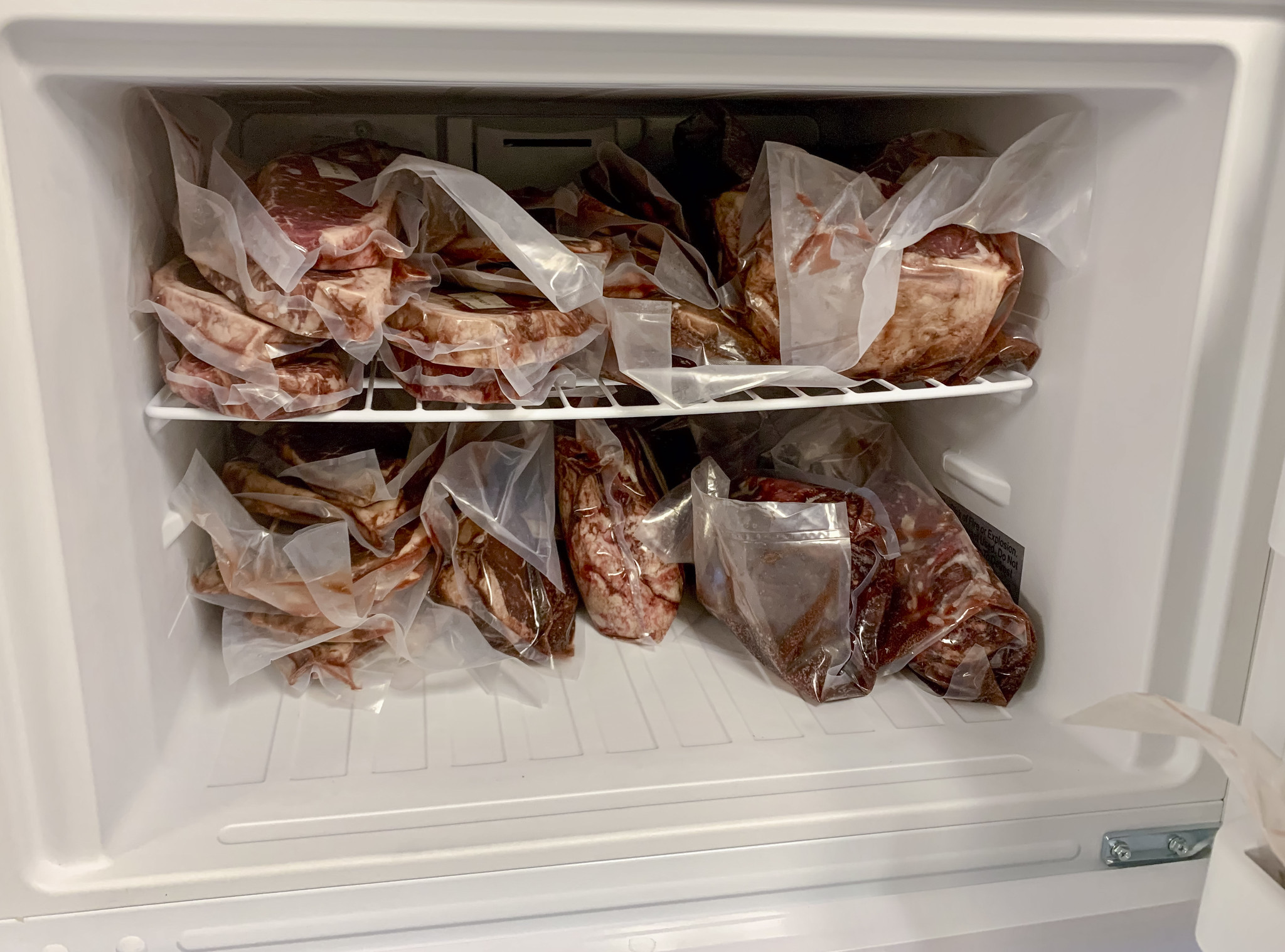
Proper packaging reduces exposure to air and moisture. Vacuum sealing removes air and seals the meat tightly. This prevents freezer burn and slows down oxidation. Use strong, food-grade vacuum bags or containers. Double wrapping with plastic wrap and aluminum foil also helps. Label packages with dates to track storage time easily.
Signs Frozen Meat Has Gone Bad
Knowing the signs that frozen meat has gone bad is essential for your health and taste buds. Even if meat looks fine at first glance, subtle changes can indicate spoilage. Paying attention to these warning signs helps you avoid foodborne illness and unpleasant meals.
Color Changes
Fresh frozen meat typically has a vibrant red or pink color for beef and a pale pink or white shade for poultry. If you notice the meat turning gray, brown, or greenish, it’s a strong indicator that bacteria or oxidation has set in. Sometimes, freezer burn causes white or dry spots, which affect quality but aren’t always dangerous.
Off Smell
Smell is one of the quickest ways to tell if frozen meat has spoiled. If the meat emits a sour, ammonia-like, or rotten odor after thawing, it’s best to toss it immediately. Trust your nose—if it smells bad, don’t risk your health by using it.
Texture Alterations
Frozen meat should feel firm and moist once thawed. If it becomes slimy, sticky, or unusually mushy, these texture changes usually mean spoilage. Such alterations result from bacterial growth and can make the meat unsafe to eat.
Tips To Maximize Frozen Meat Freshness
Keeping frozen meat fresh for a long time needs careful handling. Simple habits can protect flavor and texture. Following key tips helps avoid freezer burn and spoilage.
Proper Vacuum Sealing Methods
Use high-quality vacuum bags designed for freezing. Remove as much air as possible before sealing. Seal edges tightly to prevent air leaks. Avoid overfilling bags to ensure good sealing. Check the vacuum machine regularly for proper function.
Labeling And Dating Packages
Write the packing date clearly on each package. Include the type and cut of meat for easy ID. Use waterproof markers or printed labels. Keep an inventory list to track frozen items. Rotate older packages to the front for early use.
Safe Thawing Practices
Thaw meat in the refrigerator to keep it cold. Place packages on a plate to catch drips. Avoid thawing at room temperature to stop bacteria growth. Use thawed meat within one to two days. For quick thawing, use cold water in a sealed bag.
Comparing Vacuum Sealed Vs. Traditional Freezing
Freezing meat preserves it for future use. Two common ways exist: vacuum sealing and traditional freezing. Each method affects the meat’s quality and storage time differently. Understanding these differences helps keep meat fresh longer and taste better.
Shelf Life Differences
Vacuum sealing removes air around the meat. This slows freezer burn and bacterial growth. Vacuum sealed meat can last 2 to 3 years in the freezer. Traditional freezing exposes meat to air. This can cause freezer burn and drying. Usually, traditional frozen meat lasts 6 to 12 months before quality drops.
Cost And Convenience
Vacuum sealers cost money upfront. Bags and machines add to the expense. The process takes extra time to seal meat properly. Traditional freezing costs less. Just place meat in a freezer-safe bag or container. It is quicker but may need repackaging to avoid freezer burn. Vacuum sealing saves space by reducing package size.
Nutrient Retention
Vacuum sealing locks in moisture and nutrients. Meat keeps its flavor and texture better. Traditional freezing can cause moisture loss. This affects taste and tenderness over time. Vacuum sealed meat retains vitamins and minerals longer. This makes it a better choice for long storage.

Credit: steakrevolution.com
Frequently Asked Questions
How Long Does Vacuum Sealed Frozen Meat Stay Fresh?
Vacuum sealed frozen meat stays fresh for 1 to 3 years. This extends shelf life by reducing air exposure. Always store it at 0°F (-18°C) or lower for best results. Proper sealing prevents freezer burn and maintains quality.
Does Vacuum Sealing Improve Frozen Meat Shelf Life?
Yes, vacuum sealing significantly improves frozen meat shelf life. It removes air, preventing oxidation and freezer burn. This method preserves texture, flavor, and nutrients longer than traditional freezing methods. Vacuum sealed meat can last up to three times longer.
Can Vacuum Sealed Meat Last Indefinitely In The Freezer?
No, vacuum sealed meat cannot last indefinitely. While sealing slows spoilage, quality declines over time. For best taste, consume within 1 to 3 years. Always check for signs of freezer burn or off odors before use.
Is Vacuum Sealed Frozen Meat Safe After Thawing?
Vacuum sealed frozen meat is safe after proper thawing. Thaw in the refrigerator or cold water for best results. Avoid refreezing thawed meat to maintain quality and safety. Cook meat promptly after thawing to prevent bacterial growth.
Conclusion
Vacuum sealing helps keep frozen meat fresh longer. Proper storage slows down spoilage and freezer burn. Always label meat with the date before freezing. Check meat for color and smell before use. Use frozen vacuum-sealed meat within recommended time frames.
Safe handling ensures good taste and quality. This method saves money and reduces food waste. Keep your freezer organized to track meat easily. Frozen meat can last months but needs care. Simple steps make your frozen meat last well.