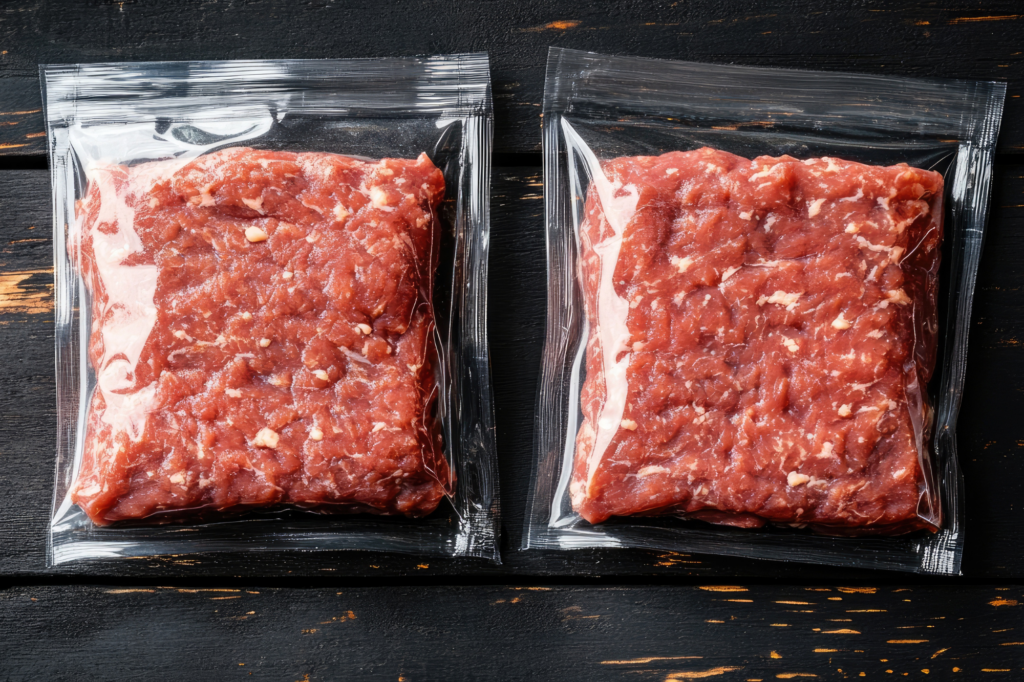
Imagine this: You open your fridge and spot that package of vacuum-sealed ground beef you bought last week. You pause, wondering if it’s still safe to use.
Sound familiar? You’re not alone. Many of us have faced this culinary conundrum, pondering just how long vacuum-sealed ground beef can last in the fridge. Understanding the shelf life of this kitchen staple not only ensures your meals are delicious but also keeps you and your family safe.
By the end of this article, you’ll know exactly how long you can keep vacuum-sealed ground beef in your fridge without a worry. Stick around to discover the secrets to making the most of your grocery trips and reducing waste, all while keeping your meals fresh and tasty!

Credit: www.carnivoresociety.com.au
Shelf Life Of Vacuum Sealed Ground Beef
Vacuum sealing ground beef extends its freshness by removing air that causes spoilage. This method slows down bacteria growth and keeps the meat safe longer. Understanding the shelf life of vacuum sealed ground beef helps avoid waste and ensures food safety.
Typical Duration In Refrigerator
Vacuum sealed ground beef typically lasts 1 to 2 weeks in the fridge. This is longer than the usual 1 to 2 days for non-sealed ground beef. The vacuum seal blocks oxygen, which slows spoilage. Keep the fridge temperature at or below 40°F (4°C) for best results.
Factors Affecting Freshness
- Fridge temperature: Lower temperatures keep beef fresh longer.
- Seal quality: A tight seal prevents air and moisture entry.
- Initial beef quality: Fresh beef lasts longer when sealed.
- Handling: Clean hands and surfaces reduce contamination risk.
- Storage time before sealing: Freshly packed beef stays fresher.
Comparison With Non-sealed Ground Beef
Non-sealed ground beef spoils faster due to air exposure. It usually lasts 1 to 2 days in the fridge. Bacteria multiply quickly without vacuum sealing. Vacuum sealed beef stays fresh up to 10 times longer. This reduces waste and saves money.
Signs Of Spoiled Ground Beef
Knowing the signs of spoiled ground beef is crucial to keeping your meals safe and tasty. Even if your ground beef is vacuum sealed, it can still go bad if stored too long or improperly. Recognizing these signs early can save you from foodborne illness and unnecessary waste.
Visual Indicators
Look closely at the color of the ground beef. Fresh ground beef is usually bright red on the outside and may be slightly brown inside due to lack of oxygen. If you notice a dull gray or greenish tint, it’s a clear red flag.
Also, check for any unusual surface mold or slime. A sticky or slimy film is a strong sign that bacteria have started to grow.
Smell And Texture Changes
Fresh ground beef has a mild, meaty smell. If your beef emits a sour, ammonia-like, or rotten odor, it’s time to toss it out. Don’t ignore even a faint off smell—it’s your nose’s warning system.
Texture matters too. When ground beef feels mushy or overly sticky, it’s likely spoiled. Fresh meat should feel firm and slightly moist, not slimy or tacky.
When To Discard
If you notice any combination of bad color, strange smell, or off texture, discard the ground beef immediately. Don’t risk cooking it to hide these signs—some bacteria produce toxins that survive cooking.
Ask yourself: is it worth risking your health for a questionable pack of beef? When in doubt, throwing it away is the safest choice.
Storage Tips For Vacuum Sealed Beef
Storing vacuum sealed ground beef properly can significantly extend its freshness and safety. Small mistakes in storage can lead to spoilage even if the beef is sealed well. Paying attention to temperature, sealing quality, and handling after opening keeps your meat fresh longer and reduces waste.
Ideal Fridge Temperature
Your fridge should be set between 32°F and 40°F (0°C to 4°C) to keep vacuum sealed beef at its best. Temperatures above 40°F speed up bacterial growth, even in sealed packages. Use a fridge thermometer to check if your appliance maintains a consistent cold environment.
Have you ever found meat spoiled despite refrigeration? It’s often because the fridge temperature fluctuated or was too warm. Keeping the right temperature is the first step to safe, long-lasting ground beef.
Proper Sealing Techniques
Vacuum sealing isn’t just about sucking out air; it’s about creating a tight, secure seal that blocks moisture and bacteria. Before sealing, pat the beef dry with paper towels to reduce moisture inside the bag. Excess moisture can cause ice crystals or spoilage during storage.
Make sure the sealing area is clean and free from meat juices. If you’re using a vacuum sealer, wait for the machine to finish the entire sealing cycle before removing the bag. A weak or incomplete seal can let air in, ruining the storage.
Handling After Opening
Once you open vacuum sealed ground beef, the clock starts ticking on freshness. Transfer any unused portion to an airtight container or reseal it tightly with plastic wrap. Avoid leaving the beef exposed to air for long periods, which encourages bacterial growth.
Think about how often you open your fridge door or how long the meat sits out while cooking prep. Minimizing this exposure keeps your beef safer for longer. If you don’t plan to use all the beef within a day or two, freezing the remainder is a smarter choice.

Credit: farmetteinbloom.com
Freezing Vacuum Sealed Ground Beef
Freezing vacuum sealed ground beef is a smart way to extend its freshness and keep it safe for future meals. By removing air and sealing the meat tightly, you reduce freezer burn and spoilage. But how long can you freeze it, and what’s the best way to thaw and maintain its quality? Let’s dig into these key points.
Freezer Shelf Life
Vacuum sealed ground beef can last much longer in the freezer compared to regular packaging. Typically, it stays good for about 6 to 12 months when properly frozen. The vacuum seal prevents air from reaching the meat, which slows down the oxidation process and helps preserve flavor and texture.
If you don’t plan to use the beef within a year, consider dividing it into smaller portions before sealing. This way, you can thaw only what you need without risking the quality of the rest.
Thawing Methods
How you thaw vacuum sealed ground beef matters for both safety and taste. The safest method is thawing it slowly in the refrigerator. This can take 12 to 24 hours depending on the size of the package, but it keeps the meat at a safe temperature.
If you’re short on time, placing the sealed package in cold water works well. Just make sure the seal is intact to prevent water from touching the meat. Avoid thawing at room temperature, as it encourages bacterial growth.
Maintaining Quality After Freezing
Once thawed, cook the ground beef within 1 to 2 days for the best taste and safety. Avoid refreezing thawed meat unless it’s cooked first, as repeated freezing can degrade texture and flavor.
To keep the quality high, store the beef in its vacuum sealed package until ready to use. If you open it and don’t plan to cook it immediately, reseal it tightly in an airtight container or freezer bag.
Have you ever noticed a difference in taste between fresh and frozen ground beef? Proper sealing and freezing can make that difference almost unnoticeable, saving you money and reducing waste.
Health And Safety Considerations
Handling vacuum sealed ground beef safely is crucial to protect your health. Even though vacuum sealing extends the shelf life by limiting oxygen, harmful bacteria can still grow if the meat isn’t stored or cooked properly. Understanding the health and safety considerations helps you avoid foodborne illnesses and keeps your meals safe and tasty.
Risks Of Consuming Spoiled Meat
Eating spoiled ground beef can cause serious stomach issues like nausea, vomiting, and diarrhea. Some bacteria, like E. coli and Salmonella, may not change the smell or appearance of the meat, making it hard to detect spoilage just by looking.
Have you ever wondered if that off smell or slimy texture is enough to decide if meat is unsafe? It’s safer to trust storage times and proper refrigeration than to rely solely on senses.
Safe Cooking Temperatures
Cooking ground beef to the right temperature kills harmful bacteria. The USDA recommends cooking ground beef to an internal temperature of 160°F (71°C)to ensure safety.
Using a meat thermometer is the best way to check. Don’t guess—checking temperature is quick and prevents illness.
Preventing Cross-contamination
Cross-contamination happens when bacteria spread from raw meat to other foods or surfaces. Always use separate cutting boards and utensils for raw meat and wash your hands thoroughly after handling it.
- Keep raw ground beef away from ready-to-eat foods.
- Clean kitchen surfaces with hot, soapy water after contact with raw meat.
- Store vacuum sealed ground beef on the bottom shelf of your fridge to avoid drips.
Are you careful enough to prevent bacteria from spreading in your kitchen? Small habits make a big difference in keeping your family safe.

Credit: www.reddit.com
Buying And Choosing Ground Beef
Choosing the right ground beef is key to enjoying fresh meals and safe storage. Good quality meat lasts longer and tastes better. Knowing what to pick at the store helps you avoid spoilage and waste. Focus on freshness, color, and packaging to find the best ground beef for your needs.
Selecting Quality Meat
Choose ground beef with a bright red color on the surface. Avoid meat with brown or gray spots. Check for firm texture and no slimy feel. Fresh beef should have a mild smell, not sour or strong. Look for beef labeled with the correct fat percentage for your recipe.
Packaging To Look For
Select packages that are tightly sealed with no tears or leaks. Clear plastic wrapping helps you see the meat’s color and texture. Avoid packages with excess liquid inside. Check the sell-by date to ensure freshness. Packages with vacuum sealing extend shelf life by reducing air contact.
Using Vacuum Sealing At Home
Vacuum sealing removes air to keep ground beef fresh longer. Use vacuum seal bags designed for meat storage. Seal the meat tightly to prevent freezer burn and bacteria growth. Label the bags with the date before storing. Vacuum sealed beef can last 1–2 weeks in the fridge safely.
Frequently Asked Questions
How Long Does Vacuum Sealed Ground Beef Last Refrigerated?
Vacuum sealed ground beef lasts 1 to 2 weeks in the fridge. The vacuum seal slows spoilage by limiting oxygen exposure. Always check for spoilage signs before use.
Can Vacuum Sealed Ground Beef Last Longer Than Fresh Beef?
Yes, vacuum sealed ground beef lasts longer than fresh beef. The seal reduces bacteria growth and freezer burn, extending freshness by several days to weeks.
Does Vacuum Sealing Affect Ground Beef’s Safety?
Vacuum sealing preserves ground beef safely by reducing air exposure. However, proper refrigeration is essential to prevent harmful bacteria growth and ensure safety.
How To Tell If Vacuum Sealed Ground Beef Is Spoiled?
Check for off smell, slimy texture, or discoloration. If any signs appear, discard the ground beef immediately to avoid foodborne illness.
Conclusion
Vacuum sealed ground beef stays fresh longer in the fridge. Usually, it lasts about 1 to 2 weeks when kept cold. Always check the meat’s color and smell before cooking. Keep your fridge temperature below 40°F (4°C) for best results.
Proper storage helps prevent spoilage and food waste. Remember, safety comes first with all meat products. Store and use ground beef wisely to enjoy tasty meals. Simple steps can keep your food fresh and safe every time.