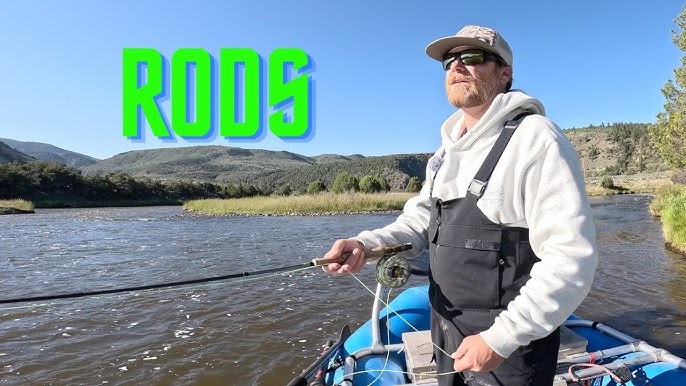
Choosing the right fishing rod length can make a huge difference in your fishing experience. You might wonder, “How long should my fishing rod be?”
Whether you’re casting from the shore, a boat, or a pier, the length affects your casting distance, control, and even the type of fish you can catch. If you want to improve your skills and enjoy every fishing trip, understanding the ideal rod length for your needs is key.
Keep reading, and you’ll discover simple tips to pick the perfect rod length that suits your style and helps you catch more fish.
Choosing The Right Rod Length
Fishing rods come in different lengths, and choosing the right one helps you fish better. The length affects how you cast and control the line.
Picking the right rod length depends on where you fish and the type of fishing you do. Let’s look at the differences between short and long rods.
Short Vs Long Rods
Short rods are usually 6 to 7 feet long. They are easier to carry and work well in tight spaces. Long rods can be 8 feet or more. They help you reach farther spots in open water.
Short rods give better control near the shore or when fishing from a boat. Long rods help when casting long distances or fishing in rivers with strong currents.
Impact On Casting Distance
Long rods let you cast farther because they bend more and store energy. This pushes the lure or bait out a greater distance.
Short rods have less casting distance but are easier to use for quick, short casts. They work well when fishing in small streams or ponds.
- Long rods: Better for long casts and open water
- Short rods: Ideal for short casts and close areas
Control And Accuracy
Short rods give you more control over the lure. They help place the bait exactly where you want it. This is useful for fishing near structures or plants.
Long rods can be harder to control but allow smooth casting over obstacles. They help make longer casts more accurate once you get used to them.
- Short rods: Better control and precise placement
- Long rods: Good for smooth, longer casts

Credit: fishingkayakpro.com
Fishing Environment Factors
The length of your fishing rod depends on where you fish. Different places need different rods. Understanding the fishing environment helps choose the right rod.
Water size, depth, and obstacles affect how long your rod should be. This guide explains rod length for three common environments.
Fishing In Small Ponds
Small ponds usually have limited space and close surroundings. A shorter rod helps in casting accurately and avoiding trees or bushes.
- Use rods 5 to 7 feet long
- Short rods help with control and precision
- Best for light lures and gentle casts
Open Water And Lakes
Open water areas and lakes have wide spaces. You need a longer rod to cast far and cover more area. The water is usually deeper too.
| Rod Length | Use Case | Benefit |
| 7 to 9 feet | Most lake fishing | Longer casts, better reach |
| 9 feet or longer | Deep water or boat fishing | Strong leverage, better hook sets |
River And Stream Fishing
Rivers and streams have flowing water and often tight banks. Rod length depends on water speed and space to cast.
Typical rod lengths for rivers and streams:
- 5 to 7 feet for small streams with narrow banks
- 7 to 9 feet for medium rivers with open areas
- Longer rods may be needed for fast currents
Target Fish Species
Choosing the right fishing rod length depends on the fish you want to catch. Different species need different rod sizes.
This guide covers small freshwater fish, large game fish, and saltwater species. Each type has specific rod length needs.
Small Freshwater Fish
Small freshwater fish like panfish and trout need shorter rods. These rods give better control and accuracy in tight spots.
- Length: 5 to 7 feet
- Benefit: Easy to handle in small streams
- Best for: Panfish, trout, bluegill
Large Game Fish
Large game fish require longer, stronger rods. These rods help cast heavy lures far and fight big fish.
| Fish Species | Rod Length | Notes |
| Musky | 7 to 9 feet | Strong rod for heavy lures |
| Catfish | 7 to 8 feet | Durable rod for heavy lines |
| Striped Bass | 7 to 9 feet | Good for long casting |
Saltwater Species
Saltwater fishing rods vary by species and location. Rods must handle strong fish and saltwater conditions.
Common rod lengths for saltwater species:
- Inshore fish (redfish, snook): 6 to 7 feet
- Offshore fish (tuna, marlin): 7 to 10 feet
- Light tackle for smaller saltwater fish: 5 to 6 feet
Rod Length And Technique
The length of a fishing rod affects how you fish. It changes your casting distance and control.
Different fishing techniques need different rod lengths. Choosing the right length helps you catch more fish.
Spinning Vs Baitcasting
Spinning rods are usually lighter and shorter. They work well for small to medium fish.
Baitcasting rods are often longer and stronger. They are best for big fish and heavier lures.
- Spinning rods: 5 to 7 feet long, easy to use
- Baitcasting rods: 6 to 8 feet long, more control
- Short rods give better accuracy
- Long rods provide longer casts
Fly Fishing Rods
Fly fishing rods are longer than other rods. They help cast light flies far and accurately.
Most fly rods range from 7 to 10 feet. Longer rods help with bigger rivers and larger fish.
- Short rods (7-8 feet): best for small streams
- Medium rods (8-9 feet): good for most rivers
- Long rods (9-10 feet): great for big water and long casts
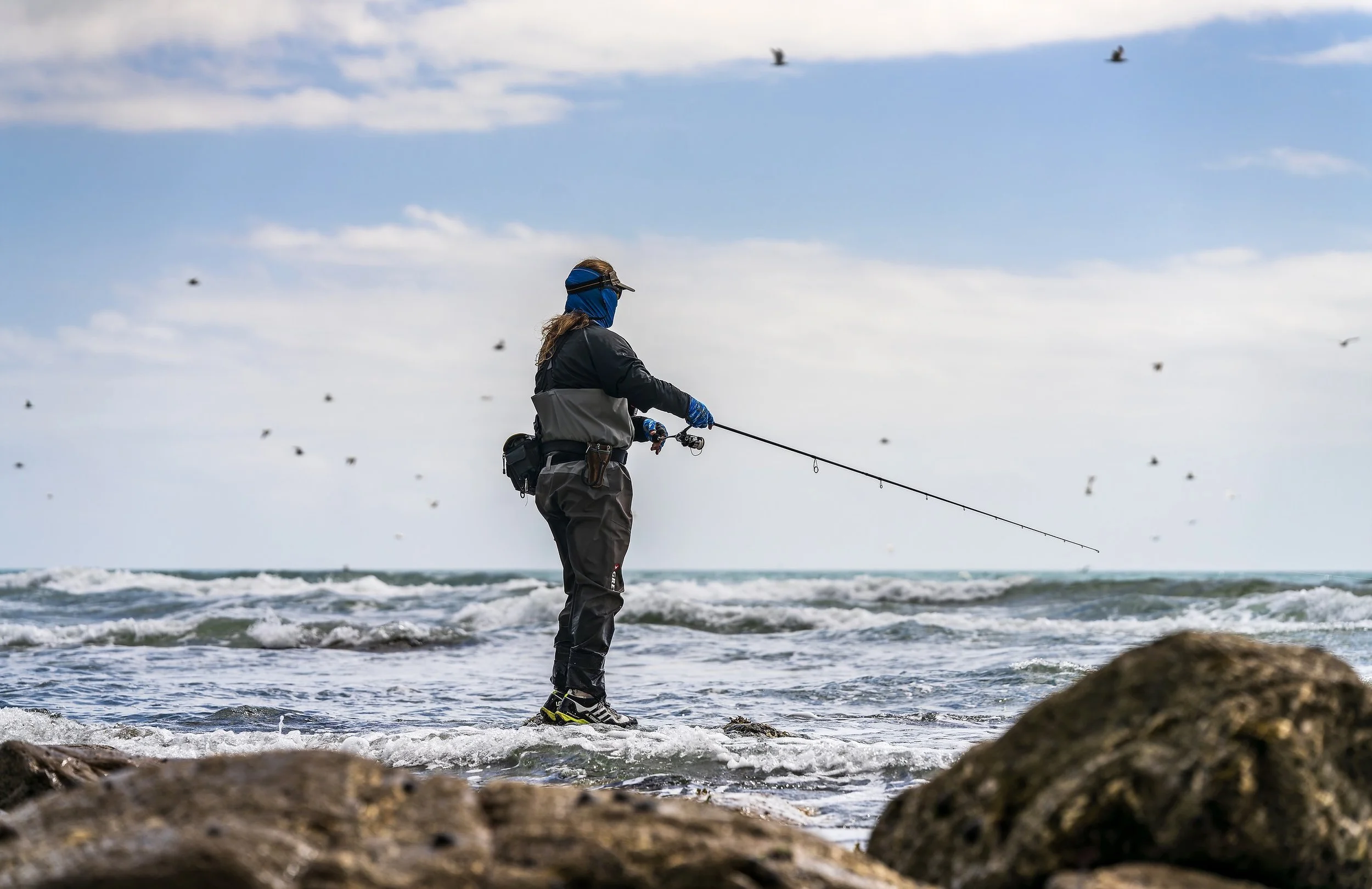
Surf Fishing Rods
Surf fishing rods are very long to cast far into the ocean. They range from 9 to 14 feet.
Longer rods help you throw bait beyond the waves. They also give better control in rough water.
- 9 to 11 feet rods: good for small surf areas
- 11 to 14 feet rods: best for big surf and long casts
- Long rods absorb wave impact
- Shorter rods are easier to handle but cast less far
Portability And Storage
Fishing rods come in different lengths, which affect how easy they are to carry and store. Choosing the right rod length helps anglers take their gear anywhere with less hassle.
Longer rods can be harder to pack and carry, while shorter rods fit better in small spaces. Understanding options helps you find a rod that suits your travel and storage needs.
Travel-friendly Rods
Travel-friendly rods are designed to be easy to carry on trips. They often have features that make packing and moving them simple.
These rods are usually shorter or can break down into smaller parts. This helps anglers bring them on planes, cars, or boats without trouble.
- Shorter length for easy handling
- Compact size fits in luggage
- Lightweight materials for less weight
Multi-piece Rods
Multi-piece rods come apart into sections. This lets you store and carry them in smaller bags or cases.
These rods are popular for anglers who travel or hike to fishing spots. They balance length with convenience.
- Break into 2 or more pieces
- Easy to pack in backpacks or car trunks
- Can be longer when assembled
- May require care to avoid wear at joints
Durability Considerations
Durability is key for rods you carry often. Strong materials resist damage from packing and travel.
Look for rods with solid joints and tough finishes. This helps them last longer and handle rough handling during trips.
- Use fiberglass or carbon fiber materials
- Check for reinforced joints in multi-piece rods
- Protect rod tips with covers or cases
- Store rods in dry places to avoid damage
Credit: www.henry-gilbey.com
Tips For Testing Rod Length
Choosing the right fishing rod length is key for a good fishing experience. The length affects how far and accurately you can cast.
Testing different rod lengths helps you find what feels comfortable and works best for your fishing style.
Trying Different Lengths
Try rods of various lengths before buying. Short rods are easier to handle in tight spots. Longer rods cast farther and help in open water.
Use different rods during fishing trips to compare how each length feels and performs.
- Test rods from 5 to 10 feet
- Cast several times with each rod
- Notice your comfort and control
- Consider the fishing location
Adjusting Based On Experience
As you gain experience, your rod preferences may change. You might want a longer rod for distance or a shorter one for accuracy.
Keep track of what works best in different fishing situations and adjust your rod length choice accordingly.
- Note what rod length suits your casting style
- Change rod length for different fish types
- Adapt to the fishing environment
- Review your comfort after each trip
Consulting With Experts
Ask experienced anglers or store staff for advice about rod length. They can share tips based on your target fish and fishing style.
Experts help you avoid common mistakes and guide you toward the right rod length for your needs.
- Describe your fishing goals clearly
- Ask about rod length for local fishing spots
- Request demonstrations if possible
- Take notes on expert recommendations

Credit: fishingkayakpro.com
Frequently Asked Questions
What Is The Ideal Length For A Fishing Rod?
The ideal fishing rod length varies from 6 to 12 feet. Shorter rods offer better control, while longer rods provide longer casts. Choose based on fishing style and target species for the best experience.
How Does Rod Length Affect Casting Distance?
Longer rods generally allow for longer casts due to increased leverage. However, shorter rods provide better accuracy and control. Select the rod length based on whether distance or precision matters more in your fishing.
Which Fishing Rod Length Suits Beginners Best?
Beginners should start with rods between 6 to 7 feet. These rods are easier to handle and control. They provide a good balance of casting distance and accuracy for learning.
Can Rod Length Impact Fish Landing Success?
Yes, longer rods help keep fish away from obstacles, making landing easier. Shorter rods offer better rod control during fights. Choose length based on fishing environment and species behavior.
Conclusion
Choosing the right fishing rod length helps improve your fishing experience. Short rods offer better control in tight spots. Long rods help cast farther into open waters. Think about where and how you fish most. Try different lengths to see what feels best.
Remember, comfort and ease matter a lot. A good rod matches your fishing style and location. Keep these tips in mind for better fishing trips ahead.