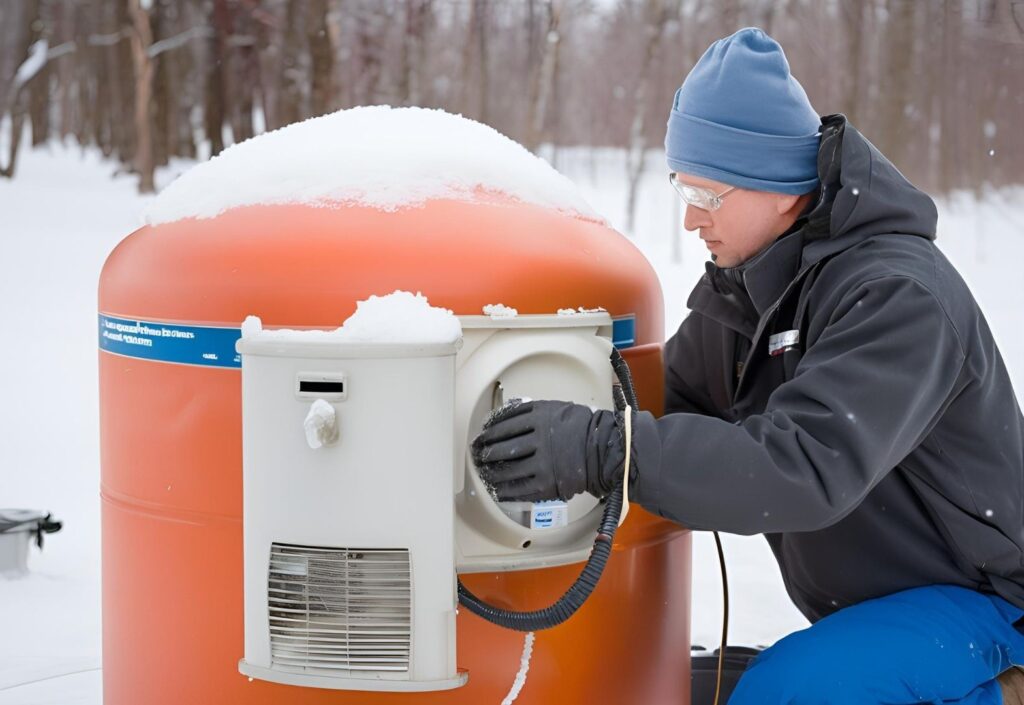
Have you ever noticed frost forming on your propane tank and wondered why it happens? If you’re relying on propane for heating or cooking, this could be a common sight during colder months.
You might find yourself questioning whether this icy phenomenon is normal or if it signals a problem that needs immediate attention. Understanding why propane tanks freeze not only helps ensure your safety but also keeps your appliances running smoothly. As you dive into this article, you’ll uncover the simple science behind this chilly occurrence, learn how to prevent it, and gain peace of mind knowing you’re taking the right steps.
Stay with us, and let’s melt away the mystery surrounding your freezing propane tank.
Credit: bryansfuel.on.ca
How Propane Tanks Work
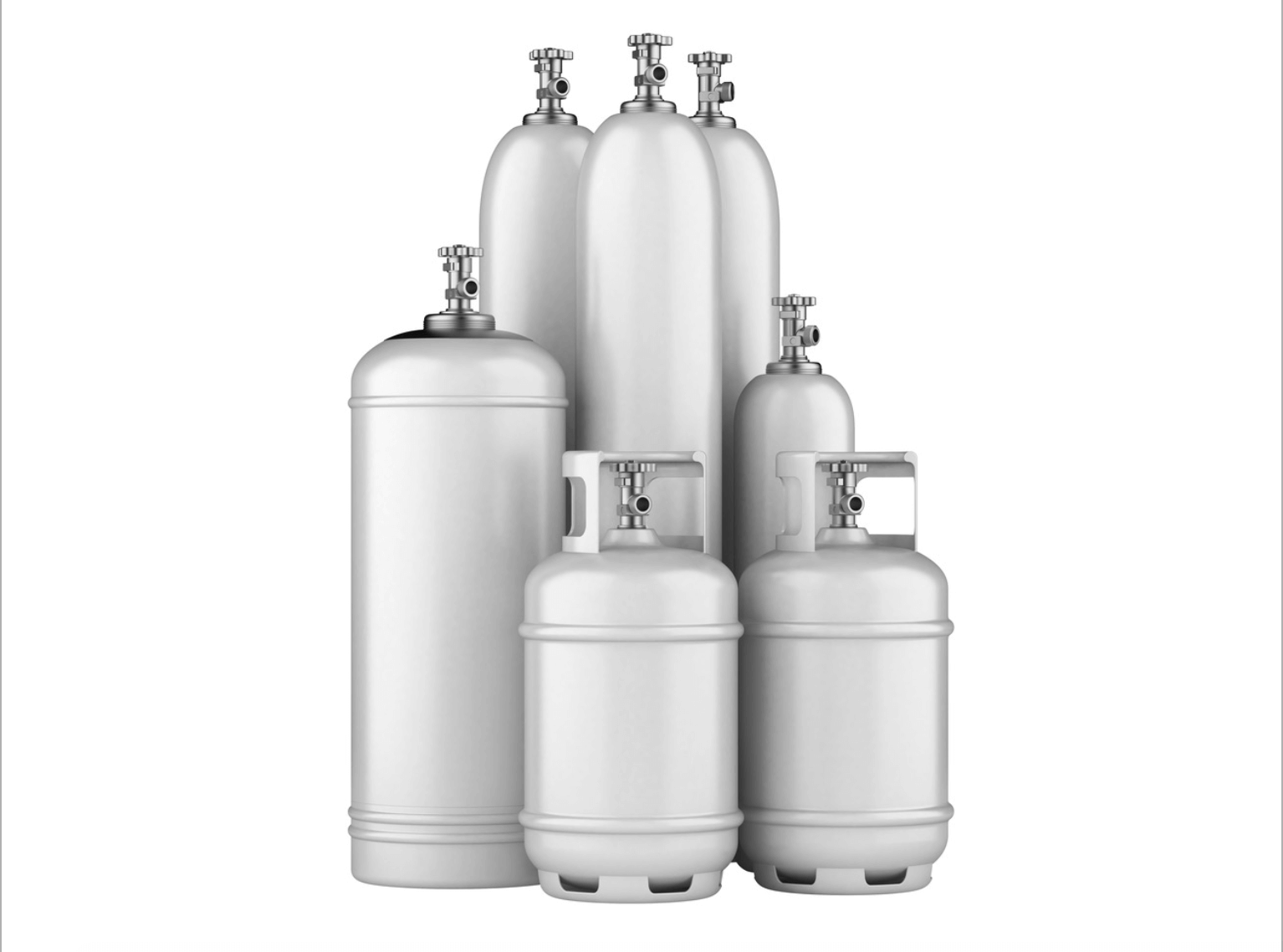
Understanding how propane tanks work is key to figuring out why they sometimes freeze. These tanks don’t just store propane—they manage pressure and temperature to keep the gas usable. Let’s break down the science behind it and how the tank’s design supports its function.
Propane Properties And Behavior
Propane is stored as a liquid under pressure inside the tank. When you open the valve, the liquid propane turns into gas, which is what fuels your appliances. This phase change requires heat, which propane absorbs from its surroundings.
Have you noticed your tank getting cold during heavy use? That’s because propane pulling heat to vaporize can drop the tank’s temperature below freezing. The colder it gets outside, the harder it is for the tank to absorb enough heat, increasing the chance of freezing.
Tank Design And Function
Propane tanks are designed to handle pressure changes safely. They have a pressure relief valve to prevent dangerous buildups and a dip tube that draws liquid propane from the bottom. This design ensures you get gas, not liquid, when you use propane.
Still, the tank’s metal walls and insulation can’t always stop the temperature drop during heavy use. This means the tank surface can ice up, especially in cold weather. Understanding this helps you manage your propane use better and avoid freezing issues.

Credit: centralpennpropane.com
Why Propane Tanks Freeze
Propane tanks can freeze during cold weather, causing concern for many users. Understanding why this happens helps prevent problems and keeps propane flowing smoothly. Several factors contribute to propane tanks freezing, especially in low temperatures.
Low Temperature Effects
Cold weather lowers the temperature of the propane tank’s surface. Propane inside the tank evaporates to create pressure. When it gets too cold, evaporation slows down. This reduces the pressure needed for propane to flow. The tank’s outer surface can become very cold, often below freezing.
Pressure Drop Inside The Tank
Propane must stay under pressure to remain in liquid form. When the tank gets cold, pressure drops quickly. Low pressure means propane cannot turn into gas efficiently. This causes freezing or frost to build up on the tank’s outside. The lower the pressure, the harder it is for propane to flow.
Moisture And Ice Formation
Moisture in the air can settle on the tank surface. When combined with cold temperatures, this moisture freezes. Ice forms a layer on the tank, blocking heat transfer. Without heat, the propane inside stays cold and pressure remains low. Ice buildup worsens freezing issues and slows propane flow.
Common Signs Of A Frozen Tank
Recognizing the common signs of a frozen propane tank can save you from unexpected disruptions and costly repairs. A frozen tank doesn’t always mean a total shutdown; sometimes the clues are subtle. Paying attention to these signs early can help you address the issue before it affects your appliances or safety.
Reduced Gas Flow
One of the first signs you might notice is a drop in gas flow. Your appliances may not heat as efficiently, or the flame might seem weaker than usual. If your grill or heater struggles to maintain temperature, it’s a red flag that the propane isn’t moving through the system properly.
Visible Frost On The Tank
Have you ever seen frost or ice forming on your propane tank? This happens when the tank’s temperature drops below freezing and moisture in the air condenses on its surface. If you spot a layer of frost, it’s a clear indication that the tank is freezing up and could soon affect performance.
Intermittent Appliance Performance
Does your heater or stove work inconsistently? Appliances connected to a frozen propane tank often turn on and off unexpectedly or fail to maintain steady operation. This erratic behavior happens because the frozen tank disrupts the steady flow of gas, causing interruptions in fuel supply.
Preventing Propane Tank Freezing
Preventing your propane tank from freezing is crucial for safety and efficiency. Freezing happens when moisture inside the tank or regulator turns to ice, blocking the flow of gas. Taking simple, smart steps can keep your propane working smoothly, even in cold weather.
Proper Tank Storage
Store your propane tank in a cool, dry place away from direct sunlight and extreme cold. Avoid placing it on frozen or icy surfaces where moisture can accumulate. Elevating the tank slightly off the ground helps air circulate and reduces the chance of ice buildup.
Have you checked if your storage spot allows good ventilation? Poor airflow traps moisture, increasing freezing risk.
Regular Maintenance
Inspect your propane tank and connections regularly for leaks or damage. Clean your regulator and valves to prevent dirt or rust from trapping moisture. A well-maintained tank performs better and is less likely to freeze.
I once ignored a small leak, and it caused freezing that stopped my heater mid-winter. Catching issues early saves frustration and keeps you warm.
Avoiding Moisture Build-up
Moisture is the main culprit behind freezing. Use a moisture trap or dryer on your propane system to catch water before it reaches the tank. Keep the tank valve closed tightly when not in use to prevent humid air from entering.
Consider using propane additives designed to reduce moisture in the fuel. These small adjustments can make a big difference in freezing prevention.
Easy Solutions To Thaw A Frozen Tank
Thawing a frozen propane tank might seem tricky, but you can handle it safely and effectively with some simple solutions. Knowing how to warm it up without risking damage or danger is key. Let’s look at practical ways you can get your tank flowing smoothly again.
Using Warm Water
Pouring warm water over the frozen parts of your propane tank can gently melt the ice buildup. Avoid hot or boiling water as it can cause rapid pressure changes that might damage the tank. Instead, use water that’s comfortably warm to the touch and pour it slowly.
After applying warm water, wait a few minutes before checking if the frost has melted. You might need to repeat the process a couple of times. Have you noticed how just a little warmth can change the situation quickly?
Applying Heat Lamps Or Blankets
Using a heat lamp or an electric heating blanket is an effective way to thaw your propane tank without getting it wet. Position the heat source a safe distance away to avoid overheating or creating a fire hazard. This method works well if you have access to electricity and want a controlled thawing process.
Keep an eye on the temperature and never leave the heating equipment unattended. You want to warm the tank gradually, allowing the ice to melt evenly. Could a gentle, steady heat be the safest way to revive your tank?
Safe Handling Tips
- Always wear gloves and eye protection while handling a frozen propane tank.
- Do not use open flames or torches to thaw the tank; this is extremely dangerous.
- Ensure the tank is in a well-ventilated area during thawing.
- Check for leaks or damage once the tank has thawed before use.
- If unsure, contact a professional to inspect or thaw the tank safely.
Safety should be your top priority when dealing with propane tanks. Have you ever felt uncertain about handling frozen equipment? Following these tips can give you confidence and peace of mind.

Credit: www.reddit.com
When To Call A Professional
Propane tank freezing is a serious issue. Knowing when to call a professional can prevent accidents and costly repairs. Some problems require expert help for safety and proper handling.
Signs Of Tank Damage
- Visible rust or corrosion on the tank surface
- Dents or cracks on the tank body
- Unusual frost build-up beyond normal freezing
- Leaks or hissing sounds near the tank
- Gauge showing inconsistent pressure readings
Any of these signs may indicate a compromised tank. Avoid using the tank until a professional checks it.
Handling Gas Leaks
- Smell of gas near the tank or fittings
- Dead vegetation around the tank area
- Visible gas escaping or bubbles in wet ground
Gas leaks are dangerous. Do not try to fix leaks yourself. Evacuate the area and call a professional immediately.
Professional Inspection And Repair
Experts have the tools to inspect tanks safely. They check valves, regulators, and connections thoroughly. Professionals can repair or replace damaged parts correctly.
Regular inspections can prevent freezing and other issues. Schedule inspections especially before cold seasons. Trusting experts ensures your propane system works safely and efficiently.
Frequently Asked Questions
Why Does My Propane Tank Freeze In Cold Weather?
Propane tanks freeze because liquid propane absorbs heat during vaporization. Low temperatures slow this process, causing ice buildup on the tank surface. This happens when propane vapor pressure drops, restricting gas flow and freezing the tank’s exterior.
Can A Frozen Propane Tank Be Dangerous?
Yes, a frozen propane tank can be unsafe. Ice buildup reduces gas flow, causing appliance malfunction. It may also lead to pressure imbalances. Proper handling and thawing are essential to avoid hazards and ensure safe propane use.
How To Prevent Propane Tank Freezing In Winter?
To prevent freezing, keep propane tanks in a shaded, well-ventilated area. Use insulated tank covers and avoid overfilling. Regularly inspect tanks for leaks or damage. Proper maintenance helps maintain vapor pressure and prevents ice formation.
Does Propane Quality Affect Tank Freezing?
Yes, propane quality impacts freezing. Impurities or incorrect mixtures lower vapor pressure, increasing freeze risk. High-quality propane with proper additives vaporizes efficiently, reducing ice buildup. Always use certified propane from reliable suppliers.
Conclusion
Propane tanks freeze mainly due to low temperatures and high pressure. Cold weather slows propane vaporization, causing ice buildup. This can stop gas flow and disrupt heating or cooking. To avoid freezing, keep tanks full and store them in warmer spots.
Regular checks help catch problems early. Understanding why propane tanks freeze helps you stay safe and comfortable. Stay aware of your tank’s condition during cold months. This simple knowledge prevents freezing issues and keeps your propane working well.