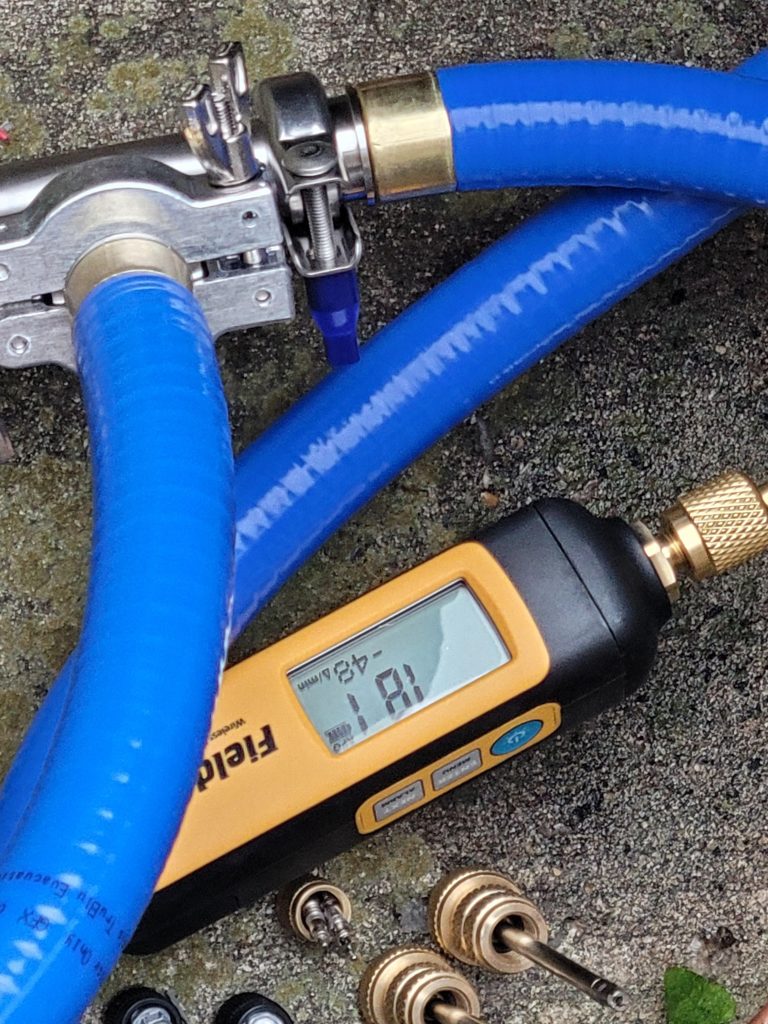
Are you wondering about how long your AC system should hold a vacuum? You’re in the right place.
Whether you’re a DIY enthusiast or just trying to understand your home’s cooling system better, knowing this can save you a lot of headaches—and money. Imagine avoiding that costly repair bill by simply understanding this one crucial aspect of your air conditioning unit.
Intrigued? You should be. By the end of this article, you will have a clear understanding of what to expect and how it affects your system’s performance. Keep reading to ensure your AC runs smoothly and efficiently, especially during those scorching summer months.

Credit: www.reddit.com
Why Vacuuming Ac Systems Matters
Vacuuming an AC system is a vital step during installation or repair. It removes unwanted air and moisture. This process protects the system from damage and improves performance. Understanding why vacuuming matters helps in maintaining a healthy and efficient AC.
Removing Moisture
Moisture in an AC system can cause serious problems. Water inside the system turns into ice and blocks refrigerant flow. It also reacts with refrigerant to form acids. These acids damage internal parts and reduce system life. Vacuuming removes this moisture, keeping the system safe.
Preventing Contaminants
Air and dirt can enter the AC system during service or leaks. These contaminants harm the compressor and other components. Dirt clogs the system, lowering its efficiency. Vacuuming pulls out these impurities before adding refrigerant. This keeps the system clean and reliable.
Ensuring System Efficiency
A well-vacuumed AC system runs smoothly and uses less energy. Removing air and moisture helps refrigerant flow properly. This improves cooling power and reduces wear on parts. Vacuuming ensures the system works at its best, saving money and energy over time.

Credit: www.reddit.com
Recommended Vacuum Duration
Maintaining the correct vacuum duration in an AC system is essential for proper operation. The vacuum removes air, moisture, and contaminants from the system. This process ensures the refrigerant flows smoothly and prevents damage. Knowing the recommended vacuum time helps avoid common issues and keeps the system reliable.
Standard Timing Guidelines
Most technicians recommend holding a vacuum for at least 15 to 30 minutes. This timeframe allows the pump to remove moisture and air effectively. A stable vacuum gauge reading during this period confirms a good seal. If the vacuum pressure rises quickly, it may indicate leaks or moisture inside.
For larger systems, the vacuum time can extend up to 45 minutes. Some experts suggest running the pump for about 30 minutes before checking the vacuum hold. The key is ensuring the pressure remains steady without rising for about 10 minutes after shutting off the pump.
Factors Influencing Duration
- System size: Bigger systems need longer vacuum times.
- Pump capacity: Stronger pumps evacuate faster.
- Leaks: Small leaks cause pressure to rise quickly.
- Moisture level: Wet systems require extra time to dry.
- Temperature: Cooler temperatures slow moisture removal.
Checking these factors helps decide the right vacuum duration. Always watch the gauge closely during and after evacuation. A proper vacuum hold prevents future AC problems and improves system lifespan.
Tools For Measuring Vacuum Hold
Measuring how long your AC system can hold a vacuum is crucial to ensure there are no leaks and the system is properly sealed. To get accurate readings, you need the right tools designed specifically for vacuum measurement. These tools help you monitor the vacuum level and detect any loss over time, giving you confidence in the system’s integrity.
Vacuum Gauges
Vacuum gauges are common and user-friendly tools that measure the pressure inside your AC system. They typically show readings in units like inches of mercury (inHg) or millimeters of mercury (mmHg). When you pull a vacuum on your system, these gauges help you see how deep the vacuum is and whether it holds steady.
One key advantage of vacuum gauges is their affordability and ease of use. However, they might not detect very small leaks since their resolution is limited. Have you noticed how sometimes a vacuum gauge shows a stable reading, but the system still loses efficiency? This often happens because the gauge can’t measure down to the very low pressures where minor leaks become apparent.
Micron Gauges
Micron gauges offer a more precise measurement by showing vacuum levels in microns of mercury, which is a much smaller unit. These gauges can detect very small leaks that vacuum gauges might miss, making them ideal for professional-grade AC servicing. When testing your system, a micron gauge lets you see if the vacuum holds at levels below 500 microns, which is a strong indicator of a leak-free system.
Using a micron gauge requires careful handling and calibration, but the investment pays off with accurate diagnostics. If you’re serious about maintaining your AC system, this tool gives you peace of mind. Have you ever wondered why your system still struggles after vacuuming? Sometimes, micron readings reveal hidden leaks that need fixing.
Common Mistakes In Vacuuming
Vacuuming an AC system is a critical step in maintaining its efficiency and longevity. Yet, many people make mistakes that can cause serious issues down the line. Understanding these common errors helps you avoid wasted time and costly repairs.
Insufficient Vacuum Time
One of the biggest mistakes is not vacuuming the system long enough. Many think a quick vacuum is enough, but the system needs time to remove all moisture and air. If you rush this process, you risk leaving contaminants that can freeze and damage the system.
Think about how long you let your vacuum run. Are you giving it enough time to reach the right vacuum level? A good rule is to maintain a deep vacuum for at least 15-30 minutes, depending on the system size.
Ignoring Leaks
Vacuuming won’t fix leaks, yet some skip leak checks altogether. If your system has leaks, the vacuum won’t hold, and moisture will keep entering. This can cause corrosion and reduce cooling efficiency.
Test your system for leaks before and after vacuuming. Even a tiny leak can ruin your efforts. How confident are you that your system is airtight?
Improper Equipment Use
Using the wrong vacuum pump or gauges can lead to inaccurate results. Not all pumps are designed for AC systems, and cheap gauges might not measure deep vacuum levels properly. This mistake can leave you thinking the system is ready when it’s not.
Make sure your equipment is rated for HVAC use and regularly maintained. Have you checked if your vacuum pump oil is clean and at the right level? Dirty or old oil reduces pump efficiency and vacuum quality.
Tips To Improve Vacuum Efficiency
Improving vacuum efficiency is key to ensuring your AC system holds vacuum for the right duration. Efficient vacuuming not only speeds up the process but also prevents potential leaks and moisture from damaging the system. Here are practical tips to help you get the most out of your vacuuming efforts.
Using Quality Pumps
Your vacuum pump is the heart of the vacuuming process. Using a high-quality pump with a strong ultimate vacuum rating ensures faster and deeper evacuation of air and moisture.
Consider investing in pumps known for durability and consistent performance. I’ve found that cheaper pumps often struggle with holding vacuum, causing frustration and longer wait times.
Monitoring Pressure Drop
Keep a close eye on pressure readings after pulling a vacuum. A consistent pressure drop can signal leaks or moisture still trapped inside the system.
Use a reliable micron gauge to track these changes. If you notice the pressure rising quickly, don’t ignore it—this is your system telling you to check connections or repeat the vacuum process.
Regular Equipment Maintenance
Vacuum equipment needs care just like your AC system. Regularly inspect hoses, seals, and fittings for cracks or wear that can compromise vacuum integrity.
Replacing worn parts before each job can save you time and headaches. I’ve learned that skipping this step often leads to unnecessary troubleshooting and delays.
Signs Of A Proper Vacuum Hold
Knowing the signs of a proper vacuum hold helps ensure your AC system works well. A good vacuum hold means the system is free of leaks and moisture. It protects the AC from future problems. Watch for key signs during the vacuum process to confirm success.
Stable Pressure Levels
Pressure should stay steady during the vacuum hold. A steady reading means no air leaks enter the system. Small pressure changes are normal but big drops or rises are not. If pressure stays constant for 15 to 30 minutes, the vacuum hold is proper. This stability shows the system is sealed tight.
No Moisture Detection
Moisture in the system causes damage and reduces efficiency. A good vacuum hold removes all moisture. Signs of no moisture include clear sight glass and no fogging inside the AC lines. Proper vacuuming also lowers the dew point inside the system. This prevents corrosion and ice buildup later.
What To Do If Vacuum Doesn’t Hold
When the vacuum in your AC system does not hold, it signals a problem. This issue can stop your system from working properly. Acting quickly is important to avoid damage. Several steps can help identify and fix the problem. Follow these simple checks and actions to get your AC system back to normal.
Checking For Leaks
Leaks are the most common reason for a vacuum loss. Inspect all hoses and connections carefully. Look for cracks, holes, or loose fittings. Use a soap and water solution to spot bubbles, which indicate leaks. Pay close attention to joints and seals. Fix or replace damaged parts immediately to stop air from entering.
Re-pumping Process
After fixing leaks, the vacuum pump needs to run again. Turn on the pump and let it run for at least 30 minutes. This clears moisture and air from the system. Watch the vacuum gauge to see if the pressure stays low. If the vacuum holds steady, the system is ready for charging. If not, repeat the leak check or try pumping longer.
Seeking Professional Help
Sometimes, the problem is hard to find or fix. A trained technician has tools and knowledge to handle tough cases. They can perform a thorough leak test and repair. Professionals ensure the system is safe and works efficiently. Calling an expert saves time and prevents costly mistakes.

Credit: www.reddit.com
Frequently Asked Questions
How Long Should Ac System Hold Vacuum?
An AC system should hold vacuum for at least 30 minutes. This ensures all moisture and air are removed. Holding vacuum longer confirms system integrity and prevents leaks.
Why Is Vacuum Hold Time Important In Ac Systems?
Vacuum hold time verifies the system’s airtight seal. It ensures no leaks and moisture remain. Proper vacuum time protects AC components and improves efficiency.
What Happens If Ac System Doesn’t Hold Vacuum?
If the system doesn’t hold vacuum, leaks or moisture exist. This leads to poor cooling and possible damage. Identifying leaks early prevents costly repairs.
Can Vacuum Hold Time Affect Ac Performance?
Yes, insufficient vacuum hold time can cause poor AC performance. Moisture and air reduce refrigerant efficiency. Proper vacuuming ensures optimal cooling and system longevity.
Conclusion
Holding a vacuum in your AC system for at least 30 minutes is best. This time helps remove all air and moisture from the system. A steady vacuum without rising pressure shows no leaks exist. Rushing this step can cause problems later.
Take your time to ensure the system is clean and sealed. Proper vacuuming keeps your AC running smoothly and lasts longer. Remember, patience during this process saves you from costly repairs. Keep this simple rule in mind for every AC service.
Your system will thank you with better performance.