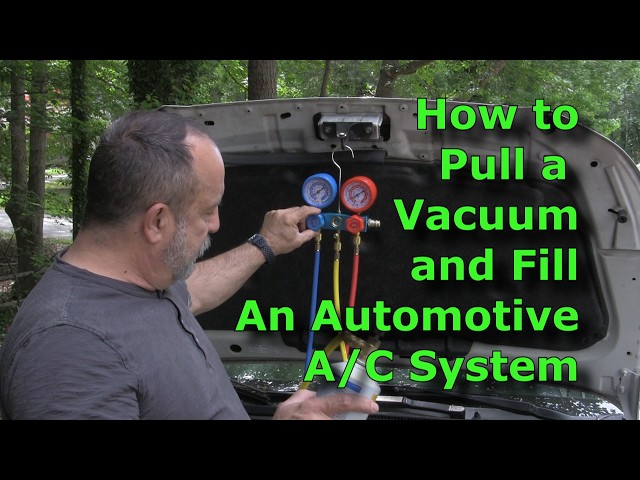
Are you wondering how long it takes to pull a vacuum on your AC system? You’re not alone.
Many people find this process both intriguing and essential, especially if you want your air conditioning system to run efficiently. Proper vacuuming is crucial for removing moisture and air from the system, which can significantly affect its performance. But here’s the catch: the duration isn’t just a matter of minutes or hours.
It depends on several factors, including the size of your system and the equipment you’re using. If you’re ready to dive into the specifics and ensure your AC is operating at its best, keep reading. This guide will provide you with the insights you need to make informed decisions and keep your cool—literally!

Credit: www.reddit.com
Why Vacuuming Ac Systems Matters
Vacuuming an AC system is a key step in its maintenance and repair. This process removes air and moisture from the system before adding refrigerant. Without vacuuming, the AC can face many problems. Understanding why vacuuming matters helps ensure a long-lasting and efficient system.
Removing Moisture And Contaminants
Moisture inside the AC system causes corrosion and ice formation. It can block the refrigerant flow and reduce cooling. Vacuuming pulls out water vapor and air pockets. This keeps the system clean and dry. Contaminants like dirt and oil also leave during vacuuming. They can harm the compressor and other parts.
Preventing System Damage
Air and moisture damage the AC’s internal parts. Moisture reacts with refrigerant to form acids. These acids corrode metal surfaces and clog filters. Air pockets cause uneven pressure and poor lubrication. Vacuuming removes these harmful elements. It protects the compressor and extends system life.
Improving Cooling Efficiency
Air and moisture reduce refrigerant efficiency. They cause the system to work harder and use more energy. A clean and dry system cools faster and better. Vacuuming ensures proper refrigerant flow. This leads to consistent temperature and lower energy bills.

Credit: m.youtube.com
Ideal Vacuum Levels For Ac Systems
Getting the vacuum level right on your AC system is crucial for its efficiency and longevity. Too little vacuum can leave moisture and air inside, causing damage and poor cooling. Too much or too long might not be necessary and could waste your time.
Understanding Microns And Vacuum Pressure
Microns measure how well you’ve removed air and moisture from your AC system. The lower the micron reading, the deeper the vacuum. Ideally, you want to reach below 500 microns to ensure the system is properly evacuated.
Vacuum pressure is often expressed in inches of mercury (inHg) or microns. A good vacuum pump can pull down to around 50 microns, which is excellent for AC systems. If you stop too soon, moisture remains and can freeze inside the system or cause corrosion.
Recommended Vacuum Depths
Most HVAC professionals aim for a vacuum level between 500 and 100 microns before starting the refrigerant charge. Holding the vacuum at this level for at least 15 minutes proves the system is sealed and dry.
- Above 500 microns:Not enough vacuum, moisture likely remains.
- Between 100-500 microns:Acceptable vacuum, but watch for stability.
- Below 100 microns:Ideal vacuum depth, system is well evacuated.
Once the vacuum reaches the desired level, close the valves and observe if it holds steady. If the micron level rises, there’s likely a leak or moisture inside. This simple check saves you from future costly repairs.
Factors Influencing Vacuum Duration
Several factors affect how long to pull a vacuum on an AC system. These factors impact the effectiveness of moisture removal and air extraction. Understanding them helps ensure proper system performance and longevity.
System Size And Type
Larger AC systems require more time to reach a deep vacuum level. The type of system also matters. Complex systems with multiple components need longer vacuum durations. Small, simple systems can achieve a proper vacuum faster.
Presence Of Moisture
Moisture inside the system demands a longer vacuum time. Water vapor can cause corrosion and reduce cooling efficiency. Pulling a vacuum removes moisture by turning it into vapor. The wetter the system, the longer the vacuum must run.
Equipment Quality
High-quality vacuum pumps reach lower pressures quickly. They remove air and moisture more efficiently. Poor-quality pumps may take longer or fail to reach the required vacuum level. Reliable equipment ensures the vacuum process is faster and safer.

Credit: www.reddit.com
Step-by-step Vacuuming Process
Pulling a vacuum on your AC system is a crucial step that ensures all moisture and air are removed before charging the system with refrigerant. The process requires precision and patience to protect the system’s components and maintain efficiency. Here’s a clear breakdown of the vacuuming process to help you achieve the best results.
Preparing The System
Begin by turning off the AC system and closing all valves on the manifold gauge set. Connect the vacuum pump to the service ports securely to avoid leaks. Double-check all connections to make sure they’re tight because even a small leak can ruin your vacuum efforts.
Remove any old refrigerant if present, and make sure the system is ready for evacuation. You want to be certain that no contaminants remain inside, as these can cause long-term damage to your AC unit.
Using The Vacuum Pump Correctly
Turn on the vacuum pump and let it run. How long should you run it? Typically, a vacuum time of 15 to 30 minutes is sufficient to remove moisture and air. However, the exact time depends on the system size and leak status.
Never rush this step. If you stop too soon, you risk leaving moisture inside, which can freeze and block the system. Pay attention to the sound of the pump; a steady hum usually means it’s working properly.
Monitoring Vacuum Levels
Watch the vacuum gauge closely during the process. The goal is to reach at least 500 microns or lower. If the gauge doesn’t drop to this level, your system might have leaks or moisture issues.
After reaching the desired vacuum level, close the manifold valves and turn off the pump. Observe the gauge for a few minutes. If the vacuum level holds steady, your system is properly evacuated. If it rises, you’ll need to check for leaks or repeat the vacuuming.
Have you ever skipped monitoring the vacuum gauge closely? It can cost you time and money by letting hidden moisture or leaks go unnoticed.
Common Mistakes To Avoid
Pulling a vacuum on an AC system is crucial for removing moisture and air. Mistakes during this process can lead to system failure or poor cooling. Avoid these common errors to ensure a clean, efficient system. Understanding what to avoid helps in doing the job right the first time.
Insufficient Vacuum Time
Running the vacuum pump for too short a time leaves moisture inside. Moisture causes corrosion and ice formation inside the system. The vacuum should run long enough to reach 500 microns or less. Always monitor the vacuum gauge carefully. A quick job is not a good job here.
Ignoring Leaks
Leaks let air and moisture back into the system after vacuuming. This damages the AC components and reduces cooling efficiency. Never assume your system is leak-free before pulling a vacuum. Check all connections and fittings thoroughly. Use a leak detector or soap solution to find leaks.
Rushing The Process
Speeding through vacuuming can cause incomplete moisture removal. The system must be stable under vacuum for at least 30 minutes. Waiting allows trapped moisture to evaporate fully. Disconnecting the pump too soon wastes all your effort. Take your time for better results and longer system life.
Testing Vacuum Efficiency
Testing vacuum efficiency is a crucial step to ensure your AC system is free of moisture and air before adding refrigerant. A proper vacuum not only protects the system’s components but also improves performance and longevity. You need to verify that the vacuum holds steady over time, signaling a clean, sealed system ready for the next phase.
Holding Vacuum Test
After pulling the vacuum, close the valve on your vacuum pump and monitor the pressure gauge. You want to see if the vacuum level remains stable for at least 15 to 30 minutes. A steady reading means there are no leaks or moisture left inside.
If the pressure rises quickly, it indicates a leak or moisture vaporizing inside the system. In that case, you should repeat the vacuum process or inspect for leaks. Sometimes, even a small pinhole can cause a significant pressure increase, so thoroughness is key.
Interpreting Results
Understanding the gauge readings can save you from costly mistakes. A slow rise in pressure may suggest trapped moisture, which can freeze and damage your AC system. A rapid increase usually points to a leak, requiring immediate attention.
Ask yourself: Is the vacuum holding long enough to trust the system’s integrity? If not, don’t rush to add refrigerant. Your system’s health depends on this careful check. Keeping a detailed log of vacuum times and pressure changes can help you spot patterns and avoid repeating issues.
Tools And Equipment For Effective Vacuuming
To effectively pull a vacuum on your AC system, having the right tools and equipment is crucial. These tools not only ensure the system is properly evacuated but also protect it from damage and contamination. Let’s break down the essential equipment you need for a thorough and efficient vacuuming process.
Vacuum Pumps
A vacuum pump is the heart of the evacuation process. It removes air, moisture, and other contaminants from the AC system to prepare it for refrigerant charging.
Choose a pump with a strong CFM (cubic feet per minute) rating that matches the size of your system. For smaller residential units, a 3 CFM pump may suffice, but larger systems often require 6 CFM or more.
Keep in mind, a slow or weak pump will take longer to reach the desired vacuum level, which could lead to moisture lingering inside the system. Have you ever felt frustrated waiting hours for your pump to do the job? Upgrading your pump can save you time and improve results.
Micron Gauges
Micron gauges measure the vacuum level with precision, showing how close you are to a deep vacuum. This accuracy is essential because simply watching the pump’s pressure gauge isn’t enough to guarantee moisture removal.
Look for digital micron gauges for clear readings and easy monitoring. They help you know exactly when the system has reached the ideal vacuum level, usually below 500 microns.
Without a micron gauge, you might mistakenly think the system is ready when it’s not, risking poor AC performance or damage. Would you risk your AC system’s health without this key measurement tool?
Manifold Gauges
Manifold gauges are your control center during the vacuuming and charging process. They connect to the AC system and allow you to monitor pressure on both the high and low sides.
Using a set with clear, easy-to-read dials helps you track system pressure changes and ensures you don’t over- or under-charge the refrigerant later.
Invest in a durable manifold gauge set with color-coded hoses for quick and error-free connections. This tool not only aids in vacuuming but also in diagnosing system issues before and after evacuation.
Frequently Asked Questions
How Long Should I Pull Vacuum On An Ac System?
You should pull vacuum on an AC system for at least 30 to 45 minutes. This ensures all moisture and air are removed for optimal performance.
Why Is Pulling Vacuum Important For Ac Systems?
Pulling vacuum removes moisture and air that can damage the system. It prevents corrosion and improves cooling efficiency.
Can I Pull Vacuum For Too Long On Ac Systems?
Yes, pulling vacuum for more than 60 minutes is usually unnecessary. It won’t harm but wastes time and energy.
What Equipment Is Needed To Pull Vacuum On Ac Systems?
You need a vacuum pump, manifold gauge set, and hoses. These tools create and measure the vacuum pressure accurately.
Conclusion
Pulling a vacuum on your AC system usually takes 15 to 30 minutes. This process removes air and moisture to protect the system. A good vacuum ensures better cooling and longer equipment life. Rushing it may cause problems later. Use a reliable vacuum pump and gauge for best results.
Keep the system sealed after vacuuming. Doing this simple step right saves time and money in the future. Remember, patience helps your AC work well and last longer.