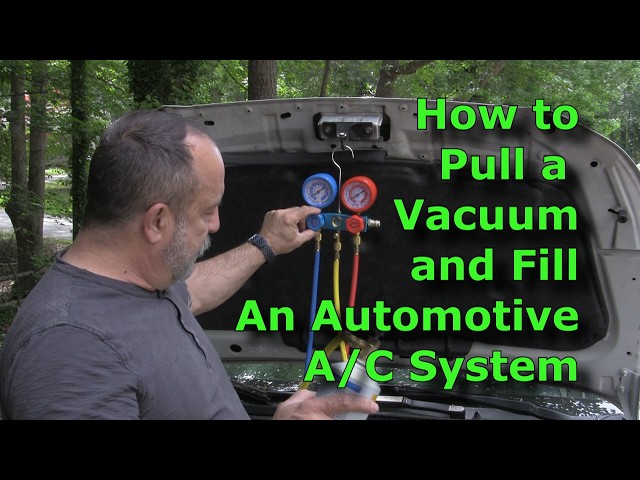
Ever wondered why your car’s air conditioning isn’t as cool as it used to be? The answer might lie in how well your AC system is maintained, particularly when it comes to pulling a vacuum.
This crucial step in the AC servicing process can make all the difference in how effectively your system runs. But how long should you really be pulling a vacuum on your auto AC? This seemingly small detail can have a big impact on your comfort while driving.
By understanding the right duration, you ensure optimal performance and longevity of your AC system. Stick with us as we unravel the mystery and provide you with the know-how to keep your car cool and comfortable. Ready to dive in and discover how to get the best out of your auto AC? Let’s get started!
Credit: www.youtube.com
Why Vacuuming Matters
Vacuuming an auto AC system is a crucial step before recharging it. This process ensures the system works efficiently and lasts longer. Vacuuming removes unwanted elements that can harm the AC’s performance. Understanding why vacuuming matters helps in maintaining a cool and clean car environment.
Removing Moisture
Moisture inside the AC system can cause serious problems. Water reacts with refrigerant and oil, forming acids. These acids damage the compressor and other parts. Vacuuming pulls out all moisture, keeping the system dry and safe.
Eliminating Air And Contaminants
Air trapped in the AC system reduces cooling efficiency. It also increases pressure, stressing components. Dust and debris can block tiny passages inside the system. Vacuuming removes air and contaminants, allowing smooth refrigerant flow.
Preventing System Damage
Without vacuuming, moisture and air cause corrosion and wear. This leads to leaks and system failure over time. Vacuuming protects the AC system from damage, ensuring long-term reliability. It saves money on costly repairs later.
Ideal Vacuum Time
Knowing the ideal vacuum time is key for a well-functioning auto AC system. Pulling a vacuum removes air and moisture from the system. Both can cause damage or reduce cooling efficiency. Too short a vacuum time leaves moisture behind. Too long wastes time and energy. The right timing depends on several factors.
Standard Duration
The typical vacuum time is about 15 to 30 minutes. This range suits most automotive AC systems. It allows the vacuum pump to clear out air and moisture effectively. Many technicians recommend at least 30 minutes for a deep vacuum. Some may shorten the time for quick checks. But under 15 minutes is usually not enough.
Factors Affecting Timing
Several elements affect how long to pull a vacuum on an auto AC. The condition of the system matters. A system with leaks or old oil may need longer vacuum time. The quality of the vacuum pump also plays a role. Higher-powered pumps evacuate air faster. Ambient temperature and humidity can impact the process. Higher moisture levels require longer vacuum duration.
Impact Of System Size
System size changes the vacuum time needed. Larger AC systems hold more air and moisture. They need more time to reach a deep vacuum state. Smaller systems evacuate faster and require less time. Adjust the vacuum time based on the volume of refrigerant lines and components. Correct timing ensures thorough moisture removal for all system sizes.
Tools For Accurate Vacuuming
Accurate vacuuming is essential for the proper functioning of an auto AC system. Using the right tools ensures all air and moisture are removed effectively. This prevents damage and keeps the AC running smoothly. Understanding the tools needed helps you achieve the best results.
Vacuum Pumps
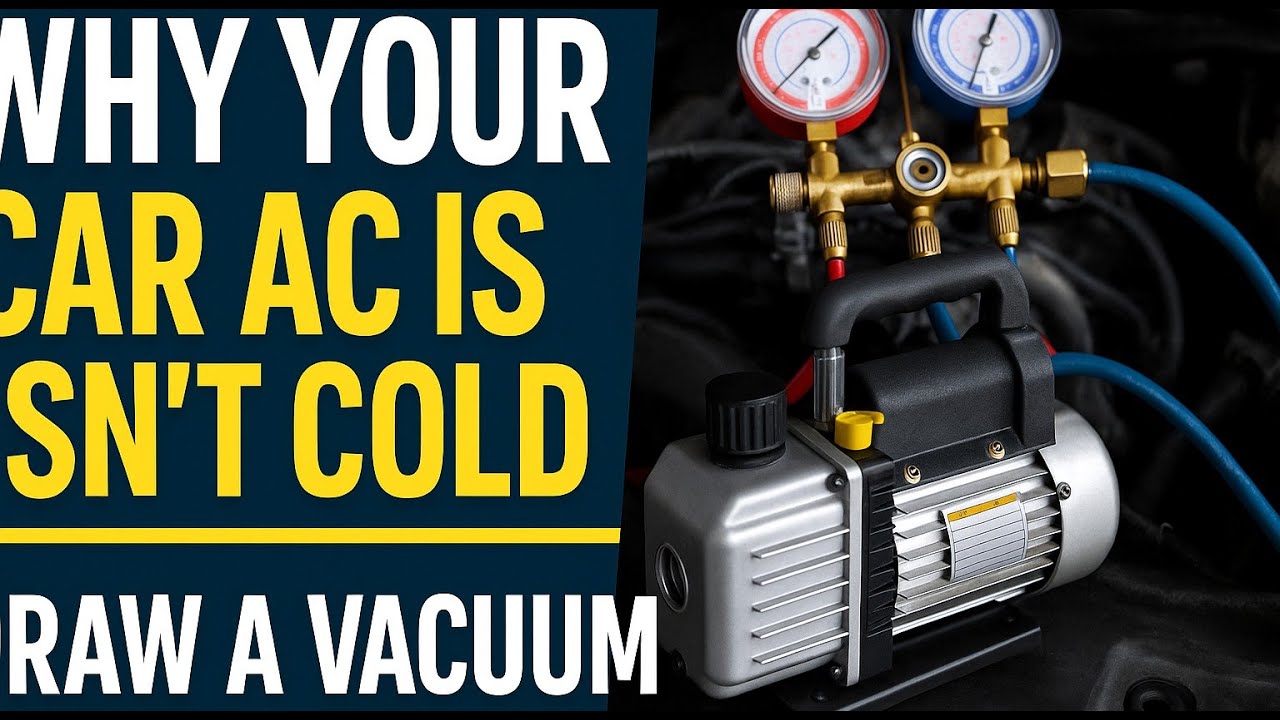
Vacuum pumps create a strong vacuum to remove air and moisture. They come in different sizes and power levels. A reliable pump maintains a steady vacuum for the required time. Oil-sealed rotary vane pumps are common for auto AC work. Choose a pump with at least 3 CFM (cubic feet per minute) for faster evacuation.
Micron Gauges
Micron gauges measure the vacuum level inside the AC system. They show how deep the vacuum is in microns. Lower micron readings mean better vacuum quality. A good gauge helps you know when to stop pulling vacuum. Digital micron gauges provide clear and precise readings.
Additional Equipment
Other tools improve vacuuming accuracy and safety. Use manifold gauge sets to connect the pump and AC system. High-quality hoses prevent leaks during evacuation. Vacuum-rated service ports and valves help control the process. A thermocouple or temperature sensor can track system conditions during vacuuming.

Credit: www.reddit.com
Step-by-step Vacuum Process
Pulling a vacuum on your auto AC is essential to remove moisture and air, which can cause system damage and reduce cooling efficiency. Understanding the step-by-step vacuum process helps you avoid common mistakes and ensures your system is properly prepped for refrigerant charging. Let’s break down each stage to make the task clear and manageable for you.
Preparation
Start by ensuring your vehicle’s engine is off and the AC system is fully closed. Check that you have all necessary tools ready: a vacuum pump, manifold gauges, and proper hoses. It’s important to wear safety glasses and gloves for protection during the process.
Next, inspect the AC system for obvious leaks or damage. If you spot any, fix these before pulling a vacuum. Running a vacuum on a leaking system won’t give you accurate results and can waste your time.
Connecting Equipment
Attach the manifold gauge set to the service ports on your vehicle’s AC system. The low-pressure hose connects to the low side port, and the high-pressure hose to the high side port. Make sure the connections are tight to avoid any leaks during the vacuum process.
Connect the vacuum pump to the center port of the manifold gauge set. Before turning on the pump, double-check that all valves on the manifold are closed except the ones leading to the pump. This setup allows the vacuum to pull air and moisture from the entire system efficiently.
Running The Vacuum
Turn on your vacuum pump and let it run. The length of time you should run the vacuum depends on your system size, but typically 30 to 45 minutes is sufficient to remove air and moisture. Some professionals recommend longer for larger or older systems; what does your system manual suggest?
During this time, keep an eye on the vacuum gauge. A steady deep vacuum reading indicates the pump is doing its job. If the gauge doesn’t drop or fluctuates, you may have a leak or a faulty connection that needs addressing.
Checking Vacuum Level
After running the vacuum for the recommended time, close the manifold valves and turn off the pump. Watch the vacuum gauge for at least 10 to 15 minutes. If the needle holds steady, your system is sealed and dry.
If the needle rises, air or moisture is leaking back into the system. This signals you need to find and fix leaks before adding refrigerant. Have you ever had to repeat this step because of a leak? It’s frustrating but critical to get right for your AC to function properly.
Common Mistakes To Avoid
Pulling a vacuum on your auto AC system is a crucial step, but many make avoidable mistakes that can compromise the entire process. Understanding these common errors helps you save time and prevent costly repairs. Let’s look at the key pitfalls you should watch out for.
Short Vacuum Times
Running the vacuum pump for only a few minutes might seem efficient, but it rarely removes all moisture and air. A brief vacuum often leaves behind contaminants that cause system damage or poor cooling performance.
Think about how long you’ve waited to fully drain a glass of water versus just tipping it once. Your AC system needs thorough evacuation—typically 30 to 45 minutes depending on the system size. Rushing this step can mean redoing the job later, which wastes both your time and money.
Ignoring Leaks
One major mistake is pulling a vacuum without checking for leaks first. If there’s even a small leak, the vacuum won’t hold, and moisture will enter the system again.
It’s like trying to pump air into a tire with a slow leak; you won’t maintain proper pressure. Use a leak detector or soap solution to find leaks before vacuuming. You save yourself from frustration and ensure the system stays sealed for the long haul.
Improper Equipment Use
Using the wrong vacuum pump or gauges can lead to inaccurate readings and ineffective vacuuming. Not all pumps have the same power or are designed for auto AC systems.
For example, a small, low-capacity pump might never reach the deep vacuum levels required. Also, failing to connect hoses tightly or using damaged seals can introduce air during the process. Always check your tools and connections before starting to avoid these common pitfalls.
Tips For Efficient Vacuuming
Efficient vacuuming of an auto AC system ensures better cooling and longer equipment life. Proper techniques save time and prevent common problems. Focus on key areas to improve your vacuum process and get the best results.
Maintaining Equipment
Keep your vacuum pump clean and in good condition. Change the oil regularly to avoid contamination. Use the right hoses and fittings that match the system. Check for any damage or leaks before starting work. Well-maintained equipment pulls a better vacuum faster.
Monitoring Vacuum Progress
Watch the vacuum gauge closely during the process. A steady drop means air and moisture are being removed. Avoid rushing; pulling vacuum too quickly can harm the system. Hold the vacuum for at least 15 minutes to confirm a good seal. Use a micron gauge for precise readings if available.
Ensuring Proper Seals
Check all connections and joints for tightness before vacuuming. Use new O-rings or replace old ones to prevent leaks. Tighten clamps and fittings securely but do not overtighten. Even small leaks let air back in, ruining your vacuum effort. Proper sealing keeps the system clean and dry.

Credit: www.reddit.com
Frequently Asked Questions
How Long Should I Pull Vacuum On Auto Ac?
Pull vacuum on auto AC for at least 30 to 45 minutes. This duration removes moisture and air from the system effectively. Shorter times may leave contaminants, causing poor cooling or damage.
Why Is Vacuum Time Important For Ac Systems?
Vacuum time ensures all moisture and air are removed from the AC system. Moisture causes corrosion, while air reduces cooling efficiency. Proper vacuum time prevents leaks and extends system life.
Can I Pull Vacuum Too Long On My Car Ac?
Yes, pulling vacuum too long can risk system damage or seal drying. However, most modern systems handle 45 minutes safely. Avoid exceeding recommended vacuum time to protect components.
What Happens If I Pull Vacuum Less Than Recommended?
Pulling vacuum too briefly leaves moisture and air trapped inside. This causes poor cooling, corrosion, and possible compressor failure. Always follow the recommended vacuum time for optimal performance.
Conclusion
Pulling a vacuum on your auto AC takes time and care. Usually, 15 to 30 minutes is enough for good results. This removes air and moisture that damage the system. Rushing can cause problems later. Use a good vacuum pump and follow steps carefully.
Keep checking the vacuum level during the process. Proper vacuum helps your AC cool better and last longer. Taking your time now saves repairs later. A well-done vacuum means a happier, cooler ride.