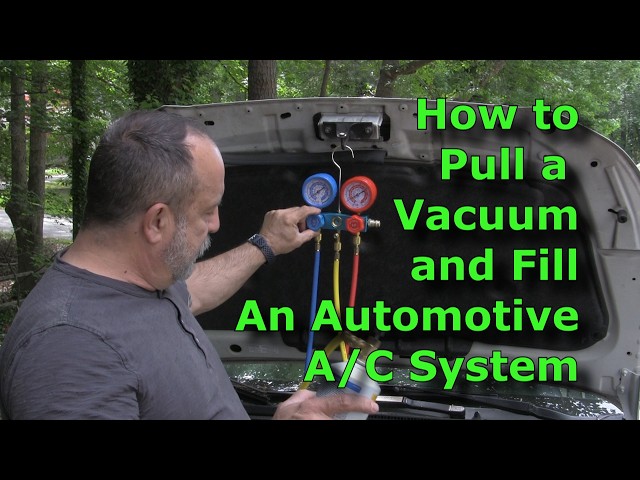
How long should you pull a vacuum on your car’s AC system? If you’re asking yourself this question, you’re likely eager to ensure your vehicle’s air conditioning is performing at its best.
A properly functioning AC not only keeps you comfortable during those hot summer drives but also prevents potential damage to the system. By understanding the right vacuuming process, you can save yourself from costly repairs down the road. Imagine cruising in your car with a perfectly chilled interior, free from unexpected issues.
This article will guide you through the essential steps to achieve just that, making sure your car’s AC system is in top-notch condition. Stay with us, and by the end, you’ll have the confidence and knowledge to maintain your vehicle’s cooling system like a pro.
Why Vacuuming Matters
Vacuuming a car AC system is a crucial step before recharging it. It removes unwanted elements that can harm performance and cause damage. Proper vacuuming ensures the system works efficiently and lasts longer.
Removing Moisture
Moisture inside the AC system causes corrosion and rust. Water can freeze and block refrigerant flow. Vacuuming removes this moisture, protecting the system’s parts.
Eliminating Air And Contaminants
Air and dirt reduce cooling efficiency. These contaminants create pressure issues and reduce refrigerant effectiveness. Vacuuming clears out air and particles, keeping the system clean and safe.
Preparing For Refrigerant
A vacuumed system is ready to receive refrigerant. Without vacuuming, the refrigerant mixes with air and moisture. This lowers cooling power and can damage the compressor. Vacuuming creates a perfect environment for refrigerant.

Credit: m.youtube.com
Ideal Vacuum Duration
Knowing the ideal vacuum duration is key to effective car AC servicing. Pulling vacuum removes moisture and air from the system. This step helps avoid damage and ensures smooth AC operation. The right time depends on several factors. Understanding these can save time and improve results.
Standard Timing Guidelines
Most technicians recommend pulling a vacuum for 30 to 45 minutes. This duration clears out moisture and air reliably. Shorter times may leave moisture behind. Longer times generally do not harm the system but may not add benefits. Use a vacuum gauge to monitor the pressure drop. A stable, deep vacuum indicates proper evacuation.
Factors Affecting Duration
- System size:Larger systems need longer vacuum times.
- Leak presence:Leaks can prevent a deep vacuum.
- Equipment quality:Higher quality pumps evacuate faster.
- Temperature:Cooler temperatures slow moisture removal.
- Previous contamination:Systems with excess moisture require more time.
Adjust vacuum time based on these factors. Always aim for a steady vacuum reading before proceeding.
Vacuum Pump Types And Efficiency
Understanding the types of vacuum pumps and their efficiency is key to knowing how long you should pull a vacuum on your car AC. Different pumps work differently, impacting how quickly and thoroughly air and moisture get removed from your system. Choosing the right pump can save you time and ensure your AC runs smoothly.
Single Stage Pumps
Single stage pumps are the most common and affordable choice for many DIY mechanics. They pull vacuum in one step, which is usually enough for small to medium-sized AC systems. However, they can take longer to reach a deep vacuum and may struggle with removing moisture in larger systems.
If you’ve ever noticed your AC system still had moisture after vacuuming, a single stage pump might be the reason. Think about the last time you tried to speed up the process—you might have been better off with a more powerful pump.
Two Stage Pumps
Two stage pumps use a two-step process to pull a deeper vacuum faster and more efficiently. They are designed to handle larger systems and remove moisture better than single stage pumps. This makes them ideal if you work on multiple vehicles or larger AC units.
Many professional mechanics prefer two stage pumps because they cut down waiting times and improve system performance. Have you considered how much time you could save with a two stage pump, especially if you regularly service car ACs?
Choosing The Right Pump
Choosing the right vacuum pump depends on your needs and budget. If you only work on one car occasionally, a single stage pump may be sufficient. But if you want quicker results and better moisture removal, investing in a two stage pump is worth it.
Ask yourself how often you plan to pull a vacuum and how deep the vacuum needs to be. Matching the pump’s capacity with your workload will give you the best efficiency without overspending.

Credit: www.reddit.com
Step-by-step Vacuuming Process
The vacuuming process is crucial for a car AC system. It removes air and moisture that harm the system. Following the right steps ensures a clean, efficient AC. Each phase requires attention and the right tools. This guide breaks down the vacuuming into clear parts.
Setting Up Equipment
Start by connecting the vacuum pump to the AC service ports. Use the correct hoses for high and low sides. Check all connections for tightness to avoid leaks. Make sure the vacuum pump is clean and ready to use. Turn on the pump and let it run smoothly.
Monitoring Vacuum Gauge
Watch the vacuum gauge closely during the process. The needle should move steadily toward a strong vacuum level. Aim for a vacuum below 500 microns for best results. Avoid rushing or leaving the pump off too soon. The gauge reading shows if air and moisture are removed.
When To Stop Vacuuming
Stop vacuuming once the gauge holds steady below 500 microns. Keep the vacuum for at least 15 to 30 minutes to ensure thorough drying. If the gauge rises after turning off the pump, there is a leak. Seal any leaks and repeat the process. Only end when the vacuum level stays stable.
Common Mistakes To Avoid
Pulling a vacuum on your car’s AC system requires precision and patience. Overlooking key details can lead to ineffective vacuuming, which may cause your AC to underperform or fail entirely. Avoiding common mistakes helps you save time and money while ensuring your system runs smoothly.
Insufficient Vacuum Time
Many people rush through the vacuum process, thinking a quick pull is enough. However, pulling a vacuum for less than 30 minutes often leaves moisture and air trapped inside the system. Moisture can freeze and block refrigerant flow, causing poor cooling and damage.
Think about a time you hurried a task and had to redo it later. The same applies here—cutting corners on vacuum time wastes your effort. Make sure you maintain a steady vacuum for at least 30-45 minutes to thoroughly remove moisture and air.
Ignoring Leaks
It’s tempting to skip leak checks and jump straight to vacuuming, but leaks are a major reason vacuuming fails. Even the smallest leak lets air and moisture back in, which ruins the vacuum and contaminates the system.
Have you ever patched a tire without checking for slow leaks? The same principle applies here. Always test for leaks before vacuuming to avoid wasting time and refrigerant on a system that can’t hold vacuum.
Incorrect Gauge Readings
Using faulty or uncalibrated gauges can mislead you about the vacuum level. If your gauge shows a good vacuum but the system still contains air or moisture, the AC won’t work properly.
Imagine relying on a broken speedometer while driving—it’s risky and misleading. Double-check your equipment and consider investing in quality gauges to get accurate readings. This step ensures you know exactly when the system is ready for refrigerant charging.
Testing Vacuum Effectiveness
Testing vacuum effectiveness is a crucial part of ensuring your car’s AC system is properly serviced. It helps you confirm that the system is free from moisture and leaks before adding refrigerant. Without this step, you risk poor cooling performance or damage to the AC components.
Holding Vacuum Test
After pulling a vacuum on your car AC system, you need to check if it holds that vacuum pressure. This involves closing the vacuum pump valve and observing the gauge for any pressure rise over time.
Typically, you should monitor the gauge for at least 15 to 30 minutes. If the vacuum level remains steady without rising, it means there are no leaks and the system is dry. If the pressure increases, it indicates a leak or moisture inside the system that needs attention.
Interpreting Results
Understanding the vacuum test results can save you from costly mistakes. A stable vacuum reading means you can proceed with charging the system confidently.
However, if the vacuum pressure rises quickly, it’s a sign to double-check connections, hoses, and AC components for leaks. Sometimes, a slow pressure increase might suggest moisture trapped inside, which requires longer evacuation or additional drying.
Have you ever rushed through this step only to find your AC blowing warm air later? Holding the vacuum test long enough is your best defense against such issues. How patient are you willing to be to ensure your AC works perfectly?
Tips For Maintaining Ac Performance
Keeping your car’s AC running smoothly requires more than just occasional vacuum pulls. The way you maintain your system plays a big role in how efficiently it cools your car. Paying close attention to a few key areas can save you from costly repairs and keep your ride comfortable.
Regular Maintenance
Regular check-ups can catch small issues before they turn into big problems. Clean or replace the cabin air filter at least once a year to improve airflow and reduce strain on the AC system.
Don’t ignore strange noises or weak cooling—these can signal leaks or compressor issues. Scheduling a professional inspection every couple of years helps ensure your system stays in top shape.
Have you noticed your AC struggling on hot days? It might be time to check the condition of hoses and seals, as worn parts can let moisture in, reducing vacuum effectiveness and cooling power.
Proper Refrigerant Charging
Adding the right amount of refrigerant is crucial. Too little won’t cool well, and too much can damage the compressor.
Use a gauge to measure pressure accurately instead of guessing. This precision protects your AC components and keeps performance steady.
Consider that different car models require different refrigerant types and amounts. Double-check your vehicle’s manual or consult a professional to avoid costly mistakes.
Have you ever seen frost on the AC lines? That’s a sign of improper charging or low refrigerant, which impacts how long your vacuum pull should last and how well your AC cools.

Credit: www.reddit.com
Frequently Asked Questions
How Long Should I Pull Vacuum On My Car Ac?
Pull vacuum on your car AC for 30 to 45 minutes. This removes moisture and air, ensuring proper cooling and system efficiency.
Why Is Vacuuming A Car Ac Important?
Vacuuming removes moisture, air, and contaminants. It prevents corrosion and improves refrigerant circulation, extending your AC’s lifespan and performance.
Can I Pull Vacuum On Car Ac For Too Long?
Yes, excessive vacuuming can cause compressor damage. Stick to 30-45 minutes to protect system components and maintain efficiency.
What Happens If I Don’t Pull Vacuum On Car Ac?
Without vacuuming, moisture and air remain inside. This causes poor cooling, corrosion, and potential system failure over time.
Conclusion
Pulling a vacuum on your car AC removes air and moisture. This step protects the system and helps it work well. Usually, vacuuming takes about 15 to 30 minutes. Watch the gauge to make sure it holds the vacuum. A steady vacuum means the system is sealed tight.
Taking time here saves future repairs and keeps you cool. Remember, patience matters for good AC performance. Follow the right steps, and your car’s AC will last longer. Simple care goes a long way.