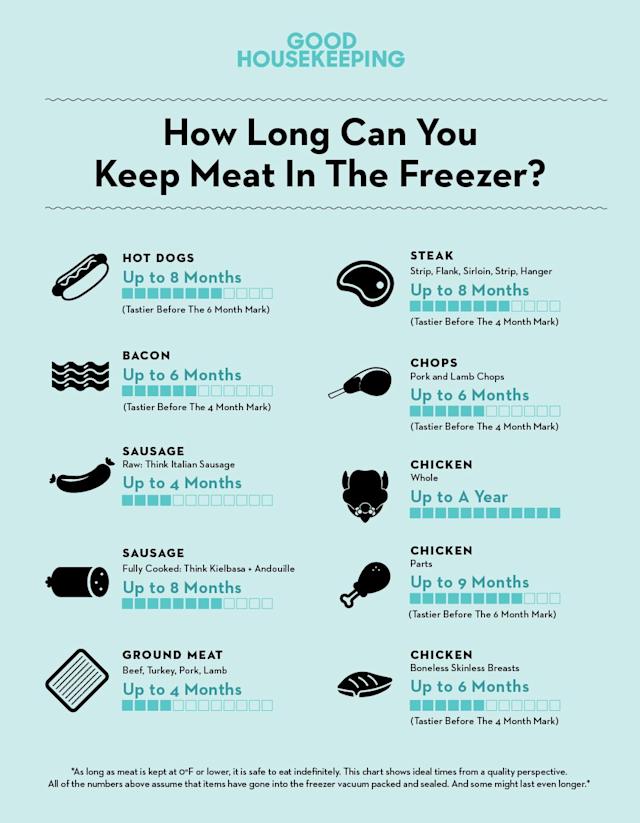
Are you tired of wondering how long your vacuum-sealed meat will last in the freezer? You’re not alone.
Many of us find ourselves opening the freezer, looking at that perfectly sealed package, and asking, “Is this still good? ” Vacuum sealing is a fantastic way to preserve your food, but knowing just how long it keeps meat fresh can make all the difference between a delicious meal and a disappointing one.
By understanding the lifespan of vacuum-sealed meat in the freezer, you can save money, reduce waste, and ensure your meals are always top-notch. Stick around, and we’ll uncover the secrets to maximizing the shelf life of your frozen treasures.

Credit: www.carnivoresociety.com.au
Vacuum Sealing Basics
Vacuum sealing is a simple way to keep meat fresh longer in the freezer. It removes air around the meat, which slows down spoilage. This process protects the meat from freezer burn and helps maintain its flavor and texture. Understanding the basics of vacuum sealing helps you store meat better and reduce waste.
How Vacuum Sealing Works
Vacuum sealing removes air from the packaging around the meat. A machine sucks out the air and seals the bag tightly. Without air, bacteria and mold growth slow down. This keeps the meat fresh for a longer time. The tight seal also prevents moisture loss and freezer burn.
Benefits For Meat Storage
- Keeps meat fresh by reducing oxygen exposure
- Prevents freezer burn and dehydration
- Maintains meat texture and flavor
- Extends freezer storage time significantly
- Reduces food waste by preserving quality

Credit: angusmeatsdirect.com
Meat Types And Storage Times
Vacuum sealing extends meat’s freezer life by removing air and slowing spoilage. Different types of meat last for various times when vacuum sealed and frozen. Knowing these times helps keep meat fresh and safe to eat.
Each type of meat has unique texture and fat content. These factors affect how long the meat stays good in the freezer. Below are common meat types and their ideal storage times.
Beef
Beef keeps well in the freezer when vacuum sealed. Steaks and roasts can last up to 2-3 years. Ground beef stays fresh for about 1 year. Proper sealing prevents freezer burn and flavor loss.
Pork
Pork cuts like chops and roasts last 1-2 years frozen. Ground pork holds good quality for about 6 months. Vacuum sealing helps maintain moisture and taste over long storage.
Poultry
Chicken and turkey pieces last 1-2 years in vacuum sealed bags. Whole birds keep up to 1 year frozen. Vacuum sealing stops freezer burn and keeps texture firm.
Fish And Seafood
Fish like salmon or cod stay fresh for 1-2 years vacuum sealed. Shellfish such as shrimp or scallops last about 6 months. Proper sealing locks in freshness and prevents freezer odors.
Freezer Temperature Impact
Freezer temperature plays a major role in how long vacuum sealed meat stays fresh. Keeping meat frozen at the right temperature slows down spoilage and preserves taste and texture. Even small changes in freezer temperature can affect the meat’s quality and safety over time.
Optimal Freezer Settings
Set the freezer temperature to 0°F (-18°C) or lower for best results. This temperature keeps meat safe and maintains its quality for months. Most home freezers have a dial or digital control to adjust temperature easily.
Vacuum sealed meat stored at 0°F lasts significantly longer than meat stored at higher temperatures. At this setting, bacteria growth stops, and freezer burn is minimized. Always check freezer temperature with a thermometer to ensure accuracy.
Temperature Fluctuations
Frequent temperature changes harm vacuum sealed meat quality. Opening the freezer door often causes temperature spikes that speed up spoilage. Small rises above 0°F allow ice crystals to form, damaging the meat’s texture.
Power outages or faulty freezers can cause unwanted thawing and refreezing cycles. These cycles reduce shelf life and increase the risk of foodborne illness. Keep the freezer door closed and fix any temperature issues quickly.
Signs Of Spoiled Vacuum Sealed Meat
Knowing the signs of spoiled vacuum sealed meat is crucial to avoid health risks and food waste. Even though vacuum sealing extends meat’s shelf life, it doesn’t make it last forever. You need to recognize subtle changes that tell you when the meat is no longer safe to eat.
Appearance Changes
One of the first signs of spoiled vacuum sealed meat is a change in color. Fresh meat usually has a bright red or pink hue, but spoiled meat often turns brown, gray, or greenish. Watch out for any unusual spots or mold growth inside the packaging.
Also, check the vacuum seal itself. If the packaging is swollen or has air pockets, bacteria might be growing inside. These visual cues are your first alert to avoid using that meat.
Smell And Texture
Smell is a powerful indicator of spoilage. If you notice a sour, ammonia-like, or rotten odor when you open the package, it’s a clear warning. Trust your nose—it’s better to be cautious than risk food poisoning.
Texture changes matter too. Spoiled meat often feels slimy or sticky instead of firm and dry. If the meat sticks to your fingers or has an unusual film, it’s time to toss it out.
Safety Precautions
Always handle vacuum sealed meat with clean hands and utensils to avoid contamination. Even if the meat looks and smells fine, if it has been stored beyond the recommended freezer time, it’s safer not to consume it.
Ask yourself: Is saving a few dollars worth the risk of getting sick? When in doubt, throw it out. Proper storage and timely use of vacuum sealed meat protect your health better than any guesswork.
Tips For Extending Meat Shelf Life
Extending the shelf life of vacuum sealed meat in your freezer doesn’t just depend on sealing it properly. How you package, store, and handle the meat all play a crucial role in keeping it fresh and tasty for longer periods. Small changes in your routine can make a big difference in preserving quality.
Proper Packaging Techniques
Even with vacuum sealing, the way you package meat matters. Make sure the meat is dry before sealing to avoid ice crystals forming inside the bag. You can also double seal the edges for extra protection.
Use high-quality vacuum bags designed specifically for freezing. Thicker bags prevent punctures and keep air out better than thinner ones.
Freezer Organization
Keeping your freezer organized helps you avoid leaving meat stored too long. Label each package with the date it was sealed so you know exactly when to use it.
Place newer items behind older ones to use the oldest meat first. This simple rotation method prevents forgotten packages from staying in the freezer past their prime.
Avoiding Freezer Burn
Freezer burn happens when air reaches the meat, drying it out and ruining the texture. Vacuum sealing usually prevents this, but if the seal breaks or the bag has holes, freezer burn can still happen.
Check your vacuum bags regularly for tears or weak spots. If you spot any damage, repackage the meat immediately to keep it safe.
Thawing Vacuum Sealed Meat
Thawing vacuum sealed meat correctly is key to maintaining its quality and safety. Improper thawing can lead to loss of flavor, texture changes, and even health risks. Understanding the best ways to thaw your meat helps keep it delicious and safe to eat.
Safe Thawing Methods
To preserve the freshness of vacuum sealed meat, thaw it slowly and safely. The refrigerator is your best option. Simply place the sealed package on a plate or in a shallow pan and let it thaw overnight or for several hours depending on the size.
If you need faster thawing, submerge the vacuum sealed meat in cold water. Keep the package airtight and change the water every 30 minutes to maintain a safe temperature. This method usually thaws meat within a couple of hours without compromising safety.
Microwaving can also thaw meat but use this only if you plan to cook it immediately afterward. Uneven thawing and partial cooking can occur, which may affect texture and safety.
Avoiding Bacterial Growth
Bacteria multiply quickly when meat is in the “danger zone” temperature range of 40°F to 140°F (4°C to 60°C). Keeping your meat out of this range during thawing is crucial. Thawing in the refrigerator or cold water prevents bacteria from growing.
Never thaw vacuum sealed meat at room temperature. I once left a package on the counter overnight and ended up throwing it away due to a strange odor and slimy texture. It’s not worth the risk to your health.
After thawing, cook the meat promptly. If you thawed it in cold water or the microwave, plan to cook it right away to avoid bacteria multiplying. Your safety depends on how quickly you move from thawing to cooking.
Common Mistakes To Avoid
Vacuum sealing meat helps keep it fresh longer in the freezer. Mistakes can reduce its shelf life and safety. Avoid these common errors to get the best results and keep your meat safe.
Re-freezing Meat
Re-freezing thawed meat damages texture and flavor. It also increases the risk of bacterial growth. Once meat thaws, cook it or use it quickly. Avoid putting thawed meat back in the freezer.
Using Damaged Seals
Damaged seals let air enter the package. Air causes freezer burn and spoilage. Always check the vacuum seal before freezing. Replace bags or reseal if the seal is broken.
Ignoring Storage Times
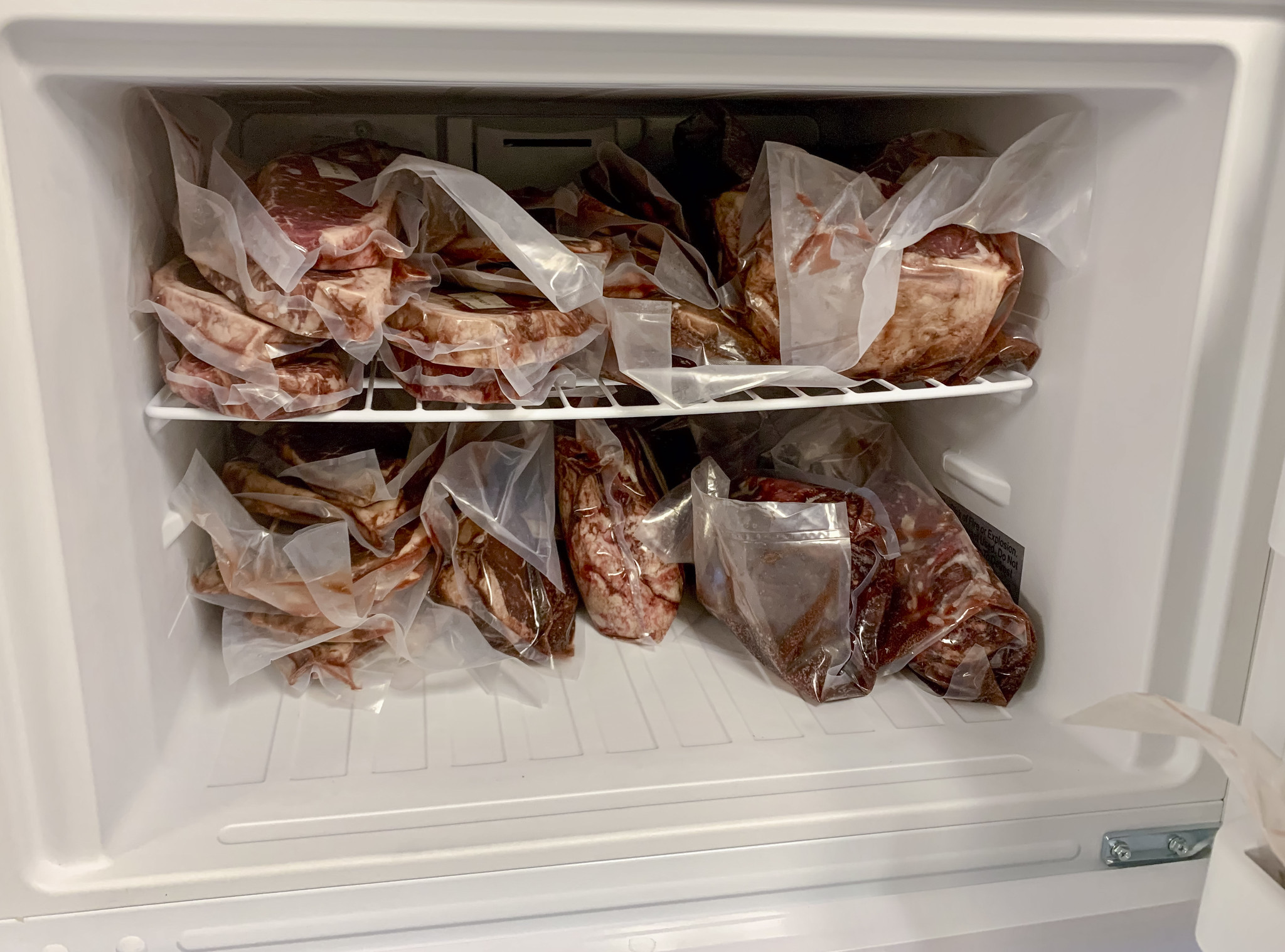
Vacuum sealed meat lasts longer but not forever. Follow recommended freezer storage times for each meat type. Storing meat too long reduces quality and safety. Label packages with dates to track storage time easily.
Credit: hpj.com
Frequently Asked Questions
How Long Can Vacuum Sealed Meat Last In The Freezer?
Vacuum sealed meat can last 2 to 3 years in the freezer. Proper sealing prevents freezer burn and preserves freshness longer than traditional packaging. Always label with the date to track storage time accurately.
Does Vacuum Sealing Extend Meat Freezer Life?
Yes, vacuum sealing removes air, reducing oxidation and spoilage. This method significantly extends meat’s freezer life compared to standard wrapping. It helps maintain texture, flavor, and nutritional value over time.
Can Frozen Vacuum Sealed Meat Go Bad?
Frozen vacuum sealed meat can still spoil if freezer temperature fluctuates or packaging is damaged. Always check for off smells, color changes, or freezer burn signs before use. Proper freezing below 0°F (-18°C) is essential.
Is Vacuum Sealed Meat Safe After 3 Years Frozen?
Meat frozen and vacuum sealed over 3 years may be safe but quality can decline. Texture and flavor may deteriorate, so inspect carefully before cooking. For best taste, consume within 2 to 3 years.
Conclusion
Vacuum sealing helps meat stay fresh longer in the freezer. Proper sealing stops air and slows freezer burn. Most meats last several months when vacuum sealed. Always label packages with the date before freezing. Check meat for signs of spoilage before use.
Keep your freezer at the right temperature for best results. Storing meat correctly saves money and reduces waste. Remember, safe storage means better taste and quality. Simple steps keep your frozen meat fresh and tasty.