Are you curious about how much electricity your central air conditioner really uses? Understanding how many amps your unit draws can help you save money and avoid unexpected electrical problems.
Whether you’re planning to install a new system or just want to keep your energy bills in check, knowing this number is key. You’ll discover simple ways to figure out your central AC’s amp usage and learn why it matters for your home and wallet.
Keep reading—you might be surprised at what you find out!

Credit: www.microair.net
Amps And Air Conditioners
Ampsmeasure how much electric currentflows in a wire. They tell us how much power an AC unit needs to work.
Air conditioners use different amounts of amps based on size and type. Small units may use about 10 to 15 amps. Larger units can use 30 amps or more.
Knowing the amps helps to:
- Choose the right circuit breaker
- Prevent electrical overloads
- Save energy and money
Electrical wiring must be strong enough for the AC’s amps. Too small wiring can cause problems or fire risks.
Factors Affecting Ac Amperage
AC size and capacitygreatly affect the amps used. Larger units need more power to cool bigger spaces. Small units use fewer amps but cool less area. The size must match the room size for best efficiency.
Efficiency ratingsshow how well an AC uses electricity. High-efficiency models use fewer amps to cool the same space. Look for units with a high SEER rating to save energy and reduce amps.
Climate and usagealso impact amperage. Hotter areas need the AC to run longer and harder, increasing amps. Frequent use means the AC draws more power over time. Cooler climates or less use lowers the amps needed.
Typical Amperage For Central Ac
Central air conditioners use different amps based on size. Small unitsusually draw about 15 to 20 amps. These units cool smaller spaces efficiently.
Medium unitsoften use around 20 to 30 amps. They work well for average-sized homes.
Large unitscan require 30 to 60 amps. These are needed for big homes or hot climates.
| Unit Size | Amperage Range | Use |
|---|---|---|
| Small Units | 15-20 amps | Small rooms or apartments |
| Medium Units | 20-30 amps | Average homes |
| Large Units | 30-60 amps | Large homes or hot areas |
How To Calculate Ac Amps
Calculate the amps of your central air conditioner by dividing wattageby voltage. This formula is simple: Amps = Watts ÷ Volts. For example, if your AC uses 3500 watts and runs on 240 volts, it draws about 14.6 amps.
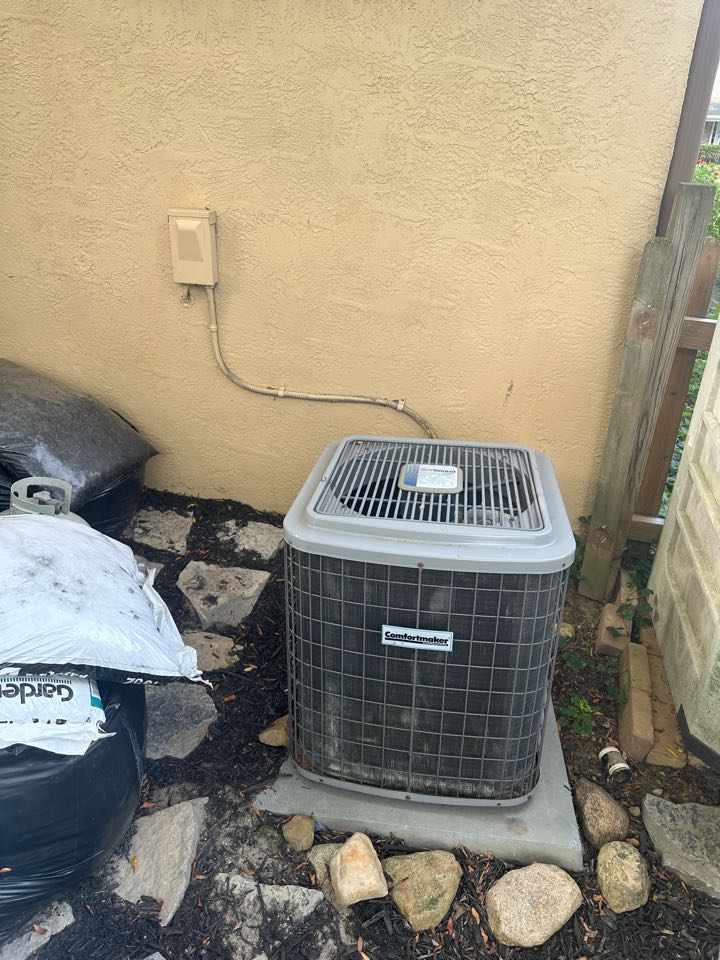
Check the manufacturer’s labelon your AC unit. It shows the voltage, wattage, and often the ampsneeded. This label is usually on the side or back of the unit.
- Find the wattage (power) value.
- Find the voltage value.
- Divide wattage by voltage to get amps.
Impact On Electrical Systems
Central air conditioners use a lot of electricity. This means the circuit breakermust handle high current safely. Most units need a breaker rated between 15 to 60 amps. The exact size depends on the unit’s power and size. A breaker too small can trip often. Too large can be dangerous.
Wiring must be thick enough to carry the current. Thinner wires can overheatand cause fires. Copper wires are common. The wire size usually ranges from 10 to 6 gauge. Electric codes tell you the right size. Proper wiring and breakers keep the system safe and reliable.
Credit: www.searsheatingcooling.com
Energy Efficiency And Amps
SEER ratingsshow how efficient a central air conditioner is. A higher SEER means it uses less electricityto cool your home. Units with better SEER ratings draw fewer amps, saving energy and money. For example, a 14 SEER unit might use 10-15 amps, while a 20 SEER unit uses less than 10 amps.
Reducing amperage can lower your electric bill and extend your air conditioner’s life.
- Keep air filters clean to improve airflow and reduce strain.
- Use a programmable thermostat to cool only when needed.
- Seal windows and doors to keep cool air inside.
- Shade the outdoor unit to prevent overheating.
- Schedule regular maintenance to keep the unit efficient.
Troubleshooting High Amperage
High amperage in a central air conditioner often means trouble. Common causesinclude dirty air filters, blocked vents, or a failing compressor. Overworking parts draw more amps. Wiring issues or a bad capacitor also cause high amps. Regular maintenance helps prevent these problems.
When to call a technician:Strange noises, frequent cycling, or very high electric bills are warning signs. If the unit trips your breaker often, stop using it and get help. A professional can test the electrical components and fix safety issues.
Upgrading Your System
Choosing the right capacityis key for a central air conditioner. A unit too small won’t cool well, while too large wastes energy and money. The capacity is measured in tonsor BTUs. Most homes need between 1.5 and 5 tons. An expert can help match the unit size to your home’s needs.
Electrical upgrades may be needed for a new system. Older homes often lack the right circuit breakersor wiring to handle bigger units. The air conditioner’s label shows the ampsit draws. The breaker should support this load safely. Upgrading might include:
- Installing a new breaker panel
- Adding dedicated circuits
- Updating wiring to handle higher amps
Proper electrical work ensures safety and system efficiency.
Credit: thefurnaceoutlet.com
Frequently Asked Questions
How Many Amps Does A Central Ac Use?
A central air conditioner typically uses between 15 and 60 amps. The exact number depends on the model and size. Larger units usually require more amps to operate efficiently. Always check the manufacturer’s specifications for accurate amp usage.
What Factors Affect Ac Amp Usage?
Several factors influence amp usage, including the unit’s size, efficiency, and age. Weather conditions also play a role, as hotter days demand more power. Regular maintenance ensures optimal performance and can reduce amp consumption.
How To Calculate Ac Amp Usage?
To calculate amp usage, divide the unit’s wattage by the voltage. Most central ACs use 240 volts. For example, a 3,600-watt unit on 240 volts uses 15 amps. Always consult the manufacturer’s details for precise calculations.
Is Higher Amp Usage A Concern?
Higher amp usage can indicate inefficiency or potential issues. It may lead to increased energy bills and strain the electrical system. Regular maintenance and timely repairs can help maintain optimal amp usage, ensuring efficiency.
Conclusion
Central air conditioners use different amps based on size and model. Knowing the amp draw helps choose the right electrical setup. It also helps avoid power issues and keeps your system safe. Regular maintenance can keep amps steady and prevent spikes.
Understanding amps saves money on electric bills. Keep track of your unit’s requirements for smooth cooling all summer. Simple steps go a long way to ensure comfort and safety.