
Have you ever wondered how much energy your dishwasher really uses? Understanding the power consumption of your appliances can help you make smarter decisions about your energy use and save on electricity bills.
When it comes to dishwashers, knowing how many amps they draw is crucial. It not only impacts your monthly expenses but also plays a role in the overall efficiency of your home. Imagine the peace of mind you’ll have knowing exactly how much energy is being consumed every time you run a cycle.
We’ll dive into the details of dishwasher amperage and reveal how this small piece of knowledge can lead to big changes in your household energy management. Stay with us to uncover insights that could transform the way you think about your kitchen appliances.

Credit: www.jackery.com
Dishwasher Power Basics
Understanding the power basics of your dishwasher can help you manage your home’s electrical load more efficiently. Knowing how many amps your dishwasher draws ensures you avoid overloading circuits and can help with troubleshooting electrical issues. Let’s break down the essentials of dishwasher power to give you clear, useful insights.
Typical Wattage Range
Most dishwashers use between 1200 and 1500 wattsduring operation, but this can vary based on the model and features. Some energy-efficient models may use less, around 1000 watts, while high-end or larger units could draw closer to 1800 watts.
Think about the last time you ran your dishwasher alongside other appliances—did your circuit breaker trip? Knowing this wattage range helps you understand why that might happen and plan your appliance use better.
Voltage Requirements
Dishwashers typically require a standard voltage of 120 voltsin most homes. This is the same voltage used by common kitchen appliances, making it easier to integrate into your existing electrical setup.
However, some commercial or specialized dishwashers might need 240 volts. If you’re considering an upgrade or replacement, double-check your dishwasher’s voltage requirement to avoid compatibility issues.
Calculating Current Draw
Calculating the current draw of a dishwasher is essential for understanding its electrical needs. This helps in choosing the right circuit and prevents electrical overload. The current draw is measured in amps, which shows how much electricity the dishwasher uses during operation.
To find the current draw, you need to know the dishwasher’s power consumption and the voltage of your electrical system. Using these values, you can calculate the amps easily. This calculation is useful for electricians and homeowners alike.
Using Watts And Volts
The basic formula for calculating current draw is:
Current (Amps) = Power (Watts) ÷ Voltage (Volts)
Watts measure the power the dishwasher uses. Voltage is the electrical potential of your home’s supply, usually 120 or 240 volts in the US.
Divide the dishwasher’s wattage by the voltage to get the amps. This gives a clear picture of how much current the dishwasher pulls.
Example Calculations
| Dishwasher Wattage | Voltage | Current Draw (Amps) |
|---|---|---|
| 1200 Watts | 120 Volts | 1200 ÷ 120 = 10 Amps |
| 1500 Watts | 120 Volts | 1500 ÷ 120 = 12.5 Amps |
| 1800 Watts | 240 Volts | 1800 ÷ 240 = 7.5 Amps |
These examples show how wattage and voltage affect the current draw. Knowing this helps in planning your electrical setup safely and efficiently.
Factors Affecting Amperage
Understanding the factors that affect the amperage draw of your dishwasher can help you manage your home’s electrical load better and avoid unexpected circuit trips. Several elements influence how many amps your dishwasher pulls during operation. These factors vary depending on how you use the appliance and its specific features.
Heating Element Usage
The heating element is one of the biggest power consumers in a dishwasher. When active, it can significantly increase the amperage draw because it requires a lot of electricity to heat water to the desired temperature.
If you often select high-heat drying or sanitize cycles, expect a higher amp draw. Turning off heated drying or choosing air-dry options can reduce energy consumption and lower the current draw.
Cycle Variations
Not all dishwasher cycles use the same amount of power. Quick or eco-friendly cycles generally draw less amperage because they run shorter and use less heat.
Heavy-duty or pots-and-pans cycles extend run time and often involve more water heating, raising the amps pulled. Are you using the right cycle for your dishwashing needs to save energy?
Age And Model Differences
Older dishwashers tend to draw more amps than newer, energy-efficient models. Advances in technology have helped reduce power consumption without sacrificing cleaning performance.
High-end models may include additional features like soil sensors or extra spray jets, which can temporarily increase amperage. Knowing your dishwasher’s specs helps you anticipate its electrical load accurately.
Credit: magnifyelectric.com
Circuit Requirements
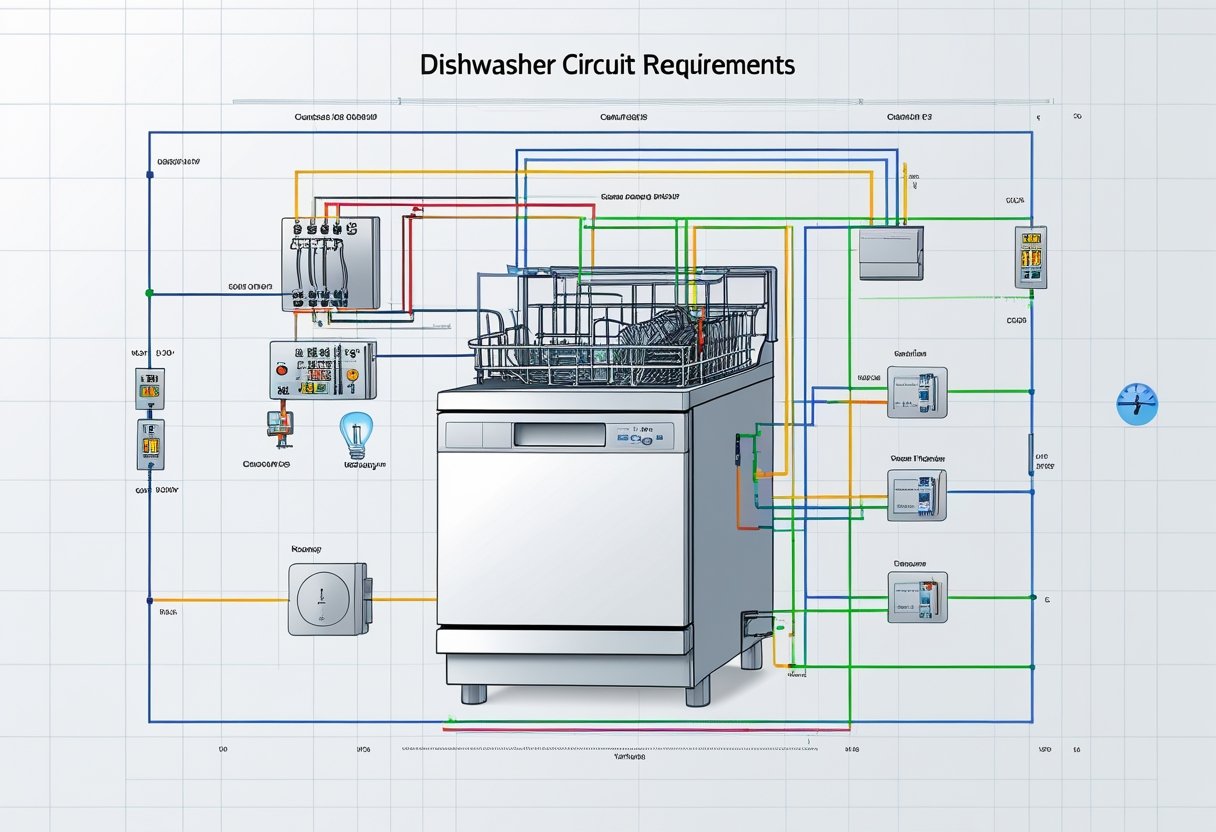
Understanding the circuit requirements is key when installing a dishwasher. The electrical circuit must safely handle the dishwasher’s power needs. A proper circuit prevents overloads and ensures the appliance runs smoothly. Each dishwasher model may have different electrical demands, but most follow general guidelines.
Choosing the right breaker size and wire gauge is essential. These two factors protect your home’s electrical system and maintain efficiency. Below are important details about these requirements.
Recommended Breaker Size
Dishwashers typically require a dedicated circuit breaker. A 15-amp breaker is common for most models. Some high-power dishwashers may need a 20-amp breaker. The breaker rating must match the dishwasher’s maximum current draw.
The breaker protects the wiring from overheating by cutting power if current is too high. Using a breaker smaller than recommended can cause frequent trips. A breaker too large may not protect the circuit properly.
Wire Gauge Considerations
The wire gauge size must match the breaker size and dishwasher’s power use. For a 15-amp circuit, 14-gauge wire is usually sufficient. For a 20-amp circuit, 12-gauge wire is recommended.
Thicker wires (lower gauge number) carry more current safely. Using thinner wire than required can cause overheating and fire risks. Correct wire gauge ensures safe and efficient power delivery.
Safety Tips For Installation
Installing a dishwasher safely is crucial to prevent electrical hazards. Knowing the right safety tips helps protect your home and family. Proper installation reduces the risk of electrical fires and appliance damage. Follow these safety tips carefully for a smooth setup.
Avoiding Overloads
Dishwashers draw a significant amount of current. Overloading circuits can cause breakers to trip. Use a dedicated circuit for your dishwasher. Avoid plugging it into the same circuit as other heavy appliances. Check your home’s electrical panel to ensure capacity. This prevents overheating and potential fire hazards.
Proper Grounding
Grounding protects you from electric shock. It directs electricity safely into the ground during faults. Always connect the dishwasher’s grounding wire to your home’s grounding system. Use a grounding wire of the correct size and type. Confirm that the grounding connection is secure and meets local codes. Proper grounding is a key safety measure for installation.
Credit: www.electriciantalk.com
Troubleshooting Electrical Issues
Electrical problems with dishwashers can cause frustration and safety risks. Troubleshooting these issues early helps protect your home and appliance. Knowing common signs of electrical trouble can save time and money. Basic checks often solve simple problems without extra tools.
Signs Of Overcurrent
- Frequent tripping of circuit breakers during dishwasher use
- Burning smell near the dishwasher or electrical outlet
- Sparks or flickering lights when the dishwasher runs
- Dishwasher stops mid-cycle without warning
- Excessive heat from dishwasher wiring or plug
Overcurrent happens when the dishwasher draws more amps than the circuit allows. This can damage wiring or cause fire hazards. Detecting these signs early prevents serious damage.
When To Call A Professional
- Repeated breaker trips even after resetting
- Visible damage to cords or plugs
- Persistent electrical odors or smoke
- Dishwasher not powering on despite checking the outlet
- Uncertainty about electrical system safety or wiring
Licensed electricians have the tools and knowledge to fix electrical faults safely. They ensure your dishwasher operates within the correct amperage range. Avoid risks by not attempting complex repairs yourself.
Frequently Asked Questions
How Many Amps Does A Standard Dishwasher Use?
A typical dishwasher draws between 6 to 10 amps during operation. This depends on the model and its features. Most residential dishwashers require a 15-amp circuit for safety and efficient performance.
What Factors Affect Dishwasher Amperage Draw?
Dishwasher amperage depends on heating elements, motor size, and cycle type. Energy-efficient models tend to use fewer amps. Additional features like sanitizing cycles can increase power consumption temporarily.
Can A Dishwasher Overload A Home Circuit?
Yes, a dishwasher can overload a circuit if other appliances share the same line. It’s important to have a dedicated 15-20 amp circuit for the dishwasher to prevent tripping breakers.
How To Measure A Dishwasher’s Amperage Draw?
Use a clamp meter around the dishwasher’s power cord to measure amps. This provides an accurate, real-time reading of electrical current during operation. Always follow safety guidelines when measuring electrical devices.
Conclusion
A dishwasher usually draws between 6 to 12 amps. This depends on the model and its features. Knowing the amps helps you avoid electrical problems. It also ensures your home wiring stays safe. Always check your dishwasher’s manual for exact numbers.
This simple step saves you from surprises later. Understanding amps helps you plan your kitchen better. Keep your dishwasher running smoothly and safely every day.