
Have you ever wondered how much electricity your dishwasher uses? It’s a question that might pop up when you’re trying to manage energy bills or considering a new appliance.
Knowing how many amps a dishwasher pulls is not just a matter of curiosity—it’s a smart move for anyone looking to optimize their home’s energy efficiency. Imagine having the knowledge to make informed decisions that could save you money and reduce your environmental footprint.
You’re about to discover the hidden power consumption behind this everyday appliance, and why it matters more than you might think. Get ready to dive into the details and see how this small bit of information can make a big impact on your home.
Dishwasher Power Basics
Understanding dishwasher power basics helps in choosing the right electrical setup. Dishwashers need a certain amount of electricity to run efficiently. Knowing the voltage and amperage helps prevent electrical problems and saves energy.
Typical Voltage And Amperage
Most dishwashers operate on standard household voltage. The usual voltage is around 120 volts in many countries. Amperage varies but generally ranges between 6 and 15 amps. This range depends on the dishwasher’s size and features.
Basic dishwashers often pull about 6 to 10 amps. Larger or high-end models may require up to 15 amps. The exact number can be found on the appliance’s label or in the manual.
Factors Affecting Current Draw
Several factors influence how many amps a dishwasher uses. The heating element is a major factor since it uses a lot of power. Heating water demands more electricity than washing alone.
Other features like drying systems and pumps add to the current draw. Older dishwashers might use more amps than newer, energy-efficient models. Usage patterns and cycle choices also affect power consumption.
- Water temperature setting
- Cycle length and type
- Additional features like sanitizing or drying
- Age and efficiency of the dishwasher
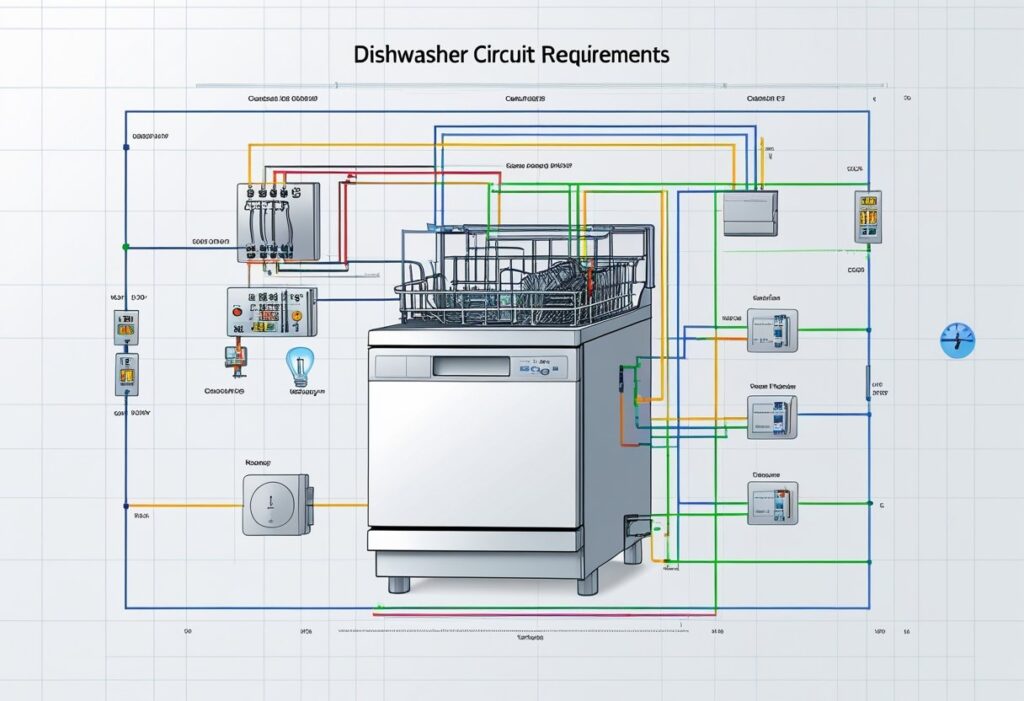
Credit: magnifyelectric.com
Amps For Different Dishwasher Types
Understanding how many amps your dishwasher pulls is key to ensuring your home’s electrical system can handle it safely. Different types of dishwashers draw varying amounts of electrical current. Knowing the typical amp draw for each type helps you avoid circuit overloads and potential outages.
Standard Built-in Dishwashers
Most standard built-in dishwashers pull between 6 to 10 amps. These models usually operate on a 120-volt circuit, which is common in household kitchens. If you’ve ever noticed your circuit breaker trip when running the dishwasher alongside other appliances, this amp draw is likely why.
Many built-in dishwashers have heating elements to dry dishes, which increase their power usage. If your dishwasher includes a high-heat drying cycle, expect it to be on the higher end of the amp spectrum. Does your breaker trip only during drying? That could be a sign the heating element is drawing extra amps.
Portable And Countertop Models
Portable and countertop dishwashers are smaller and generally pull less power than built-in models. These dishwashers typically use about 4 to 6 amps, making them easier to plug into standard outlets without overloading circuits. They’re ideal if you don’t have a dedicated dishwasher circuit.
Because these models are designed to be moved, they often lack heavy-duty heating elements. This means lower amp draw but sometimes longer drying times. Have you ever had to air-dry dishes after using a portable dishwasher? That’s often why.
Commercial Dishwashers
Commercial dishwashers pull significantly more amps due to their larger size and faster cycles. These units commonly require dedicated circuits drawing 15 to 30 amps or more. You’ll find them in restaurants, cafeterias, and other high-demand settings.
They run on higher voltages, often 208 or 240 volts, to handle intense washing and sanitizing. If you’re considering a commercial dishwasher for a home business or large household, consult an electrician. Can your existing electrical system support such a heavy load safely?
Calculating Dishwasher Current
Calculating the current a dishwasher pulls is important for safe electrical setup. Understanding the current helps prevent overloads and ensures proper circuit protection. It also helps in choosing the right breaker size and wiring. Let’s explore how to find this value using simple data and formulas.
Reading The Nameplate Data
Start by locating the dishwasher’s nameplate. This label shows electrical details like voltage, wattage, and sometimes amps. It is usually inside the door or on the back of the appliance.
Look for these key points:
- Voltage (V):Usually 120V or 240V
- Wattage (W):Power consumption during operation
- Amperage (A):Direct current draw, if listed
If the amperage is listed, use that number directly. If not, use wattage and voltage to calculate the current.
Using Power Ratings And Formulas
The formula to calculate current is simple:
| Formula | Description |
|---|---|
Current (A) = Power (W) ÷ Voltage (V) | Calculates amps from wattage and voltage |
Example:
- Power = 1500 watts
- Voltage = 120 volts
- Current = 1500 ÷ 120 = 12.5 amps
This means the dishwasher pulls about 12.5 amps during operation. Always round up to the nearest whole number for safety.

Credit: www.jackery.com
Electrical Requirements And Safety
Understanding the electrical requirements and safety for dishwashers is essential. These appliances need the right power supply to work safely and efficiently. Incorrect wiring or circuit protection can cause hazards and damage. Proper installation protects your home and ensures the dishwasher runs smoothly.
Circuit Breaker Recommendations
Dishwashers usually require a dedicated circuit to avoid overloads. Most models pull between 10 and 15 amps. A 15-amp circuit breaker is commonly recommended. For larger or commercial dishwashers, a 20-amp breaker may be needed. The circuit breaker helps prevent electrical fires by cutting power during faults.
Wiring And Outlet Specifications
Use copper wiring rated for at least 14-gauge for 15-amp circuits. For 20-amp circuits, 12-gauge wiring is standard. The outlet should match the plug type and amperage of the dishwasher. Many dishwashers use a hardwired connection instead of a plug. Ensure all connections are secure and properly insulated to avoid shorts.
Common Electrical Code Guidelines
- Install a ground fault circuit interrupter (GFCI) near water sources.
- Follow local electrical codes and manufacturer instructions.
- Use a separate circuit to prevent interference with other appliances.
- Keep wiring away from heat and moisture.
- Ensure the dishwasher is properly grounded to avoid shocks.
Troubleshooting Electrical Issues
Dishwashers use a significant amount of electricity. Sometimes, electrical issues arise that affect their performance. Troubleshooting these problems can save time and avoid damage. Understanding common signs and how to measure electrical load helps identify issues early.
Signs Of Overloaded Circuits
Overloaded circuits show clear signs. The dishwasher may stop mid-cycle or fail to start. Lights flickering in the kitchen often point to circuit problems. Circuit breakers that trip frequently indicate too much power draw. Buzzing noises from the dishwasher’s area suggest electrical stress. These signs mean the dishwasher might be pulling more amps than the circuit can handle.
Measuring Actual Amps Drawn
Use a clamp meter to measure amps drawn by the dishwasher. Turn off the dishwasher before placing the meter around the power wire. Switch the dishwasher on and read the meter display. The reading shows how many amps the dishwasher uses during operation. Compare this number with the circuit’s rating. This check helps confirm if the dishwasher is causing overloads.
When To Call A Professional
Electrical issues can be dangerous. Call a professional if circuit breakers trip often or if you notice burning smells. Avoid handling electrical components if unsure. A certified electrician can inspect wiring and circuit capacity. They ensure the dishwasher operates safely and efficiently. Professional help prevents accidents and costly repairs.
Energy Efficiency And Amp Usage
Understanding energy efficiency helps explain how many amps a dishwasher uses. Dishwashers with better energy ratings often pull fewer amps. This reduces electricity bills and helps the environment. Knowing these details can guide better appliance choices.
Impact Of Energy Star Ratings
Energy Star dishwashers meet strict energy use rules. These models usually draw less current during operation. They use smart technology to clean dishes using less water and power. This lowers amp usage and saves money over time. Choosing Energy Star can mean a dishwasher uses about 6 to 8 amps instead of 10 or more.
Reducing Power Consumption
Simple actions can reduce a dishwasher’s power needs. Running full loads avoids wasting electricity. Using eco-friendly or short wash cycles cuts amp draw further. Regular maintenance keeps the motor and pump efficient. These steps help keep amp usage low and energy bills down.

Credit: www.myappliancesource.com
Frequently Asked Questions
How Many Amps Does A Dishwasher Typically Use?
A standard dishwasher usually pulls between 6 to 10 amps during operation. This depends on the model and cycle settings. High-end models may use more power, while energy-efficient ones consume less.
What Size Circuit Breaker Is Needed For A Dishwasher?
Most dishwashers require a 15-amp circuit breaker for safe operation. However, some models may need a 20-amp breaker. Always check the manufacturer’s specifications before installation.
Can A Dishwasher Run On A 10-amp Circuit?
Running a dishwasher on a 10-amp circuit is generally not recommended. It may cause frequent tripping or damage. A minimum of 15 amps is advised to ensure proper performance.
Does Dishwasher Amp Usage Affect Electricity Bills?
Yes, higher amp usage means more electricity consumption, impacting your bills. Efficient dishwashers with lower amp draws help reduce energy costs over time.
Conclusion
Dishwashers usually pull between 6 and 12 amps. This depends on the model and its features. Knowing the amp draw helps you plan your home’s electrical needs. It keeps your circuits safe from overload. Always check your dishwasher’s manual for exact numbers.
A proper electrical setup makes your appliance run smoothly. Small steps like this save you time and money. Understanding amps is simple but important. It helps avoid problems and keeps your kitchen working well.